

Finding the best hotels in Osaka for first-time visitors comes down to one thing more than anything else: choosing the right area. Osaka is one of the most enjoyable cities in Japan, but the experience of your stay can feel completely different depending on whether you’re based in Namba, Umeda, or Shinsaibashi.
\n\n
This guide breaks down every major hotel area in Osaka, explains exactly who each one suits, gives you honest pros and cons, and includes the practical details — train lines, approximate prices, what’s nearby — that most hotel guides leave out.
\n\n
If you’re building your Osaka itinerary at the same time, our Osaka 2-Day Itinerary for First-Time Visitors is a natural companion to this guide.
\n\n
\n\n
1. What first-time visitors should look for in an Osaka hotel
\n\n
The best hotel in Osaka for first-time visitors isn’t just about price or star rating — it’s about finding a location that makes your daily travel efficient and your evenings enjoyable.
\n\n
Before choosing a hotel, consider:
\n\n
- \n
- Station access — Osaka’s subway is fast and well-connected; proximity to a subway station makes the difference between an easy trip and a frustrating one
- Connections to Kyoto and Nara — if you’re doing day trips, Umeda/Osaka Station gives you direct access to the JR network; Namba connects to the Nankai line for Kansai Airport
- Restaurants and convenience stores nearby — Osaka is famous for food, and staying near a good dining area is part of the experience
- Whether the area matches your travel style — Namba is energetic and lively; Umeda is polished and practical; Tennoji is quieter and better value
\n
\n
\n
\n
\n\n
Typical Osaka hotel prices (per night, USD approximate):
\n
- \n
- Budget hostels and guesthouses: $30–$70
- Business hotels (clean, efficient): $70–$130
- Mid-range hotels: $130–$250
- Higher-end and international hotels: $250–$500+
\n
\n
\n
\n
\n\n
Osaka is generally 20–30% cheaper than Tokyo for accommodation, which makes it a strong base if you’re budget-conscious. For a broader look at Japan trip costs, see our guide on How Much Does a Trip to Japan Cost?
\n\n
\n\n
2. The best types of hotels for first-time visitors in Osaka
\n\n
Osaka has a wide range of accommodation, but not all of it is ideal for a first trip.
\n\n
Business hotels
\n\n
Business hotels are the safest and most practical choice for most first-time visitors. Japanese business hotels — brands like Dormy Inn, Daiwa Roynet, and Toyoko Inn — offer clean, efficient rooms, reliable English-language check-in, and almost always sit within a 5-minute walk of a major station. Rooms are compact by Western standards (typically 18–25 sqm for a double) but are well-designed and excellent value. Expect to pay $80–$130 USD per night in a good area.
\n\n
Mid-range hotels
\n\n
If you want more space and better facilities, mid-range hotels in Osaka are very competitive. For $150–$250 per night you can get a comfortable room in a central area with a proper bath, more storage, and usually a small gym or breakfast option. These are a good choice for couples or travelers who want a more comfortable base after long days of walking.
\n\n
International brand hotels
\n\n
Marriott, Hilton, Hyatt, and InterContinental all have strong properties in Osaka, mostly in Umeda and the Osaka Station area. These are excellent if you’re using points or want guaranteed English-language service and higher comfort standards. They tend to cost $250–$500+ per night at rack rate.
\n\n
Capsule hotels and hostels
\n\n
Capsule hotels are a uniquely Japanese experience and worth trying if you’re budget-conscious and traveling solo. That said, they’re not ideal for first-time visitors with large luggage, couples, or anyone who needs reliable sleep in a new time zone. Save this experience for a second trip when logistics are less stressful.
\n\n
\n\n
3. Area overview: where to stay in Osaka
\n\n
For first-time visitors, these are the areas worth considering:
\n\n
- \n
- Namba — best for atmosphere, food, and the classic Osaka experience
- Umeda / Osaka Station — best for transport, day trips, and polished convenience
- Shinsaibashi — best for central balance, shopping, and walkability
- Tennoji — best for value and practical city access
- Namba Parks / Nipponbashi — good for budget travelers who want to be close to Namba without paying Namba prices
\n
\n
\n
\n
\n
\n\n
\n\n
4. Hotels in Namba: best for atmosphere and the classic Osaka experience
\n\n
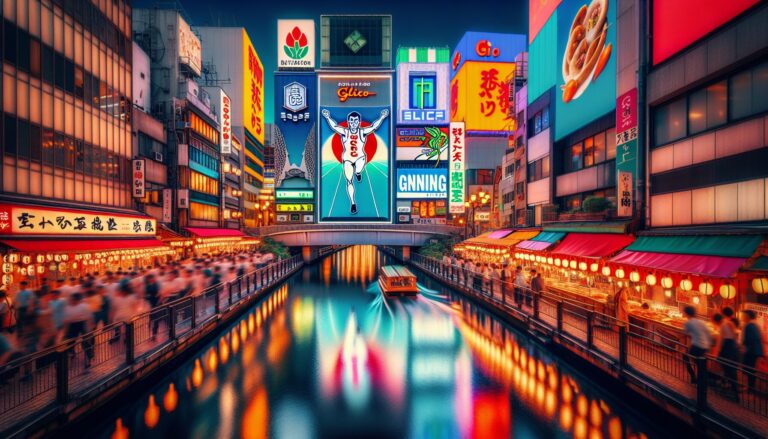
Namba is the heart of tourist Osaka and the area most first-time visitors picture when they think of the city. Dotonbori — with its giant Glico running man sign, its neon-lit restaurant facades, and its canal bridges — is the visual centrepiece, and it sits in the middle of Namba.
\n\n
Staying in Namba puts you within walking distance of Dotonbori, Kuromon Ichiba Market, Shinsaibashi shopping, and dozens of Osaka’s most famous restaurants. Takoyaki stalls, ramen shops, kushikatsu restaurants, and standing sushi bars are everywhere. Evenings in Namba are genuinely exciting — it’s one of the liveliest food-and-nightlife areas in Japan.
\n\n
The subway connections from Namba Station are also strong: the Midosuji line runs north to Umeda and south connects to other city areas. The Nankai line from Namba takes you directly to Kansai Airport in about 45 minutes — very convenient for arrival and departure days.
\n\n
Who it’s best for:
\n
- \n
- First-time visitors who want to experience Osaka’s most famous energy
- Food-focused travelers who want street food, restaurants, and markets walkable from the hotel
- Visitors arriving and departing via Kansai Airport (Nankai line is direct)
- Anyone who wants memorable evenings without needing a taxi
\n
\n
\n
\n
\n\n
Pros
\n
- \n
- Walking distance to Dotonbori, Kuromon Market, and Shinsaibashi
- Exceptional restaurant and street food options in every direction
- Strong subway connections (Midosuji line) across Osaka
- Direct Nankai line to Kansai Airport
- Lively, memorable evenings
\n
\n
\n
\n
\n
\n\n
Cons
\n
- \n
- Can be noisy — check exact hotel location (some streets are much louder than others)
- Crowded on weekends and during Japanese public holidays
- Day trips to Kyoto require travelling to Osaka Station / Umeda (20 min by subway)
\n
\n
\n
\n\n
Search hotels in Namba, Osaka on Booking.com
\n\n
\n\n
5. Hotels in Umeda and Osaka Station: best for transport and day trips
\n\n
Umeda is Osaka’s most polished, transport-focused area and one of the best choices if your trip involves frequent train travel or day trips to Kyoto, Nara, or Kobe.
\n\n
Osaka Station and Umeda Station sit effectively side by side, giving you access to JR lines (including the Shinkansen via Shin-Osaka, one stop north), the Hankyu and Hanshin private railways, and the subway Midosuji line. Getting to Kyoto from here takes about 30 minutes on the JR Special Rapid; Kobe is 20 minutes on the Hankyu or JR; Nara is about 50 minutes on JR. If you’re basing yourself in Osaka for regional exploration, nowhere gives you better connections.
\n\n
The area itself is large and well-developed — Osaka Station has direct connections to the Lucua and Grand Front Osaka shopping complexes, and Umeda Sky Building (worth visiting for the rooftop view) is a 10-minute walk. It feels more business-oriented and less street-energy-focused than Namba, but it’s extremely comfortable and easy to navigate.
\n\n
Who it’s best for:
\n
- \n
- Travelers doing frequent day trips to Kyoto, Nara, or Kobe
- Business travelers or those who value polished, efficient surroundings
- Visitors staying 1–2 nights who want the simplest possible logistics
- Anyone who prefers convenience over street energy
\n
\n
\n
\n
\n\n
Pros
\n
- \n
- Best transport access in Osaka — JR, Hankyu, Hanshin, and subway all converge here
- Easy day trips to Kyoto (30 min), Kobe (20 min), Nara (50 min)
- Large shopping complexes and department stores connected to the station
- Wide range of hotels at all price points
\n
\n
\n
\n
\n\n
Cons
\n
- \n
- Less atmospheric than Namba — feels more functional than vibrant
- The station complex is very large and can be confusing to navigate at first
- Getting to Dotonbori requires a subway trip (about 15 minutes)
\n
\n
\n
\n\n
Search hotels near Osaka Station and Umeda on Booking.com
\n\n
\n\n
6. Hotels in Shinsaibashi: best for balance
\n\n
Shinsaibashi sits between Namba to the south and the quieter parts of central Osaka to the north, and it’s one of the most consistently recommended areas for first-time visitors who want a central base without being in the noisiest part of the city.
\n\n
Shinsaibashi-suji — Osaka’s main covered shopping arcade — runs through this area and connects directly to Dotonbori at its southern end. You can shop during the day, walk to Dotonbori for dinner in 10 minutes, and return to a hotel that isn’t directly in the thick of the nightlife noise. It’s a practical balance that many first-timers appreciate.
\n\n
The Midosuji subway line has a station here, and getting to Umeda or Namba is a single stop in either direction — very convenient for day trip connections.
\n\n
Who it’s best for:
\n
- \n
- First-time visitors who want to be close to everything without the noise of Dotonbori
- Shoppers and those who want the Shinsaibashi arcade experience
- Travelers who want walkability to Namba but a quieter hotel environment
\n
\n
\n
\n\n
Pros
\n
- \n
- Central and walkable — Namba and Dotonbori are 10–15 minutes on foot
- Easy subway access (Midosuji line)
- Good balance of atmosphere and comfort
- Excellent shopping and dining options
\n
\n
\n
\n
\n\n
Cons
\n
- \n
- Hotels here can be slightly more expensive due to central location
- Can still get busy on weekends
- Less convenient for day trips than the Umeda area
\n
\n
\n
\n\n
\n\n
7. Hotels in Tennoji: best for value and practical access
\n\n
Tennoji is in southern Osaka, built around one of the city’s major transport hubs — Tennoji Station. It’s not a tourist destination in the same way as Namba, but it’s a genuinely useful base for visitors who want good value without being too far from central Osaka.
\n\n
Tennoji Station connects to the JR Loop Line, the Midosuji subway line, and private railway lines. Getting to Namba takes about 10 minutes; Umeda is about 20 minutes. The area has large department stores (Kintetsu Abeno Harukas — Japan’s tallest building — is here), and Tennoji Zoo and Shinsekai (a retro entertainment district worth visiting) are nearby.
\n\n
Hotels in Tennoji often offer noticeably better value than equivalent options in Namba or Shinsaibashi — you might pay $80–$100 for a hotel that would cost $120–$150 in Namba.
\n\n
Who it’s best for:
\n
- \n
- Budget-conscious travelers who still want good subway access
- Visitors spending several nights in Osaka who want to save on accommodation
- Anyone interested in Shinsekai and the more local, less touristy side of Osaka
\n
\n
\n
\n\n
Pros
\n
- \n
- Better value than Namba or Shinsaibashi
- Good transport connections (JR Loop Line, Midosuji subway, private lines)
- Abeno Harukas observation deck is walkable
- Less crowded and less touristy feel
\n
\n
\n
\n
\n\n
Cons
\n
- \n
- Less atmosphere than Namba — can feel more workaday
- Dotonbori and Namba are 10–15 minutes away by subway
- Not as well-placed for day trips to Kyoto (requires connecting to Umeda)
\n
\n
\n
\n\n
\n\n
8. Quick comparison: Osaka hotel areas at a glance
\n\n
| Area | Best For | Price (USD/night) | Transport |
|---|---|---|---|
| Namba | Atmosphere, food, first-timers | $100–$200 | Good (Midosuji, Nankai) |
| Umeda / Osaka Station | Transport, day trips | $100–$220 | Excellent (JR, Hankyu, Hanshin) |
| Shinsaibashi | Balance, central access | $110–$230 | Good (Midosuji) |
| Tennoji | Value, practical access | $70–$140 | Good (JR Loop, Midosuji) |
\n\n
\n\n
9. How much should you spend on an Osaka hotel?
\n\n
For most first-time visitors, spending $100–$160 USD per night gets you a comfortable business or mid-range hotel in a well-connected area. This is the sweet spot in Osaka where you’re not sacrificing location for price.
\n\n
It’s worth resisting the temptation to save money by staying somewhere remote. In Osaka, an extra $30 per night for a better location often saves you $20+ in daily transport and 30–60 minutes of travel time. Over a 4-night stay, that adds up to real money and real energy.
\n\n
If you’re on a tighter budget, Tennoji gives you the best value-to-location ratio — you’re not in the thick of things, but you’re well-connected and spending meaningfully less than you would in Namba.
\n\n
\n\n
10. Tips before booking your Osaka hotel
\n\n
Before confirming your booking, check these things:
\n\n
- \n
- Exact walking time to the nearest station — “near Namba” can mean 2 minutes or 12 minutes, and that matters at the end of a long day
- Whether the area is quiet at night — the streets immediately around Dotonbori can be quite noisy late at night; a hotel one block back is usually much quieter
- Luggage storage facilities — most business hotels have storage for early arrivals, but it’s worth confirming
- Cancellation policy — Japan is popular and prices fluctuate; a free cancellation option gives you flexibility
- Access to Kansai Airport — if you’re flying in, the Nankai line from Namba is the most direct option; Haruka express from Osaka/Umeda connects via Tennoji
\n
\n
\n
\n
\n
\n\n
For navigating Osaka’s train system, our guide on How to Use Trains in Japan explains everything you need before you arrive.
\n\n
\n\n
11. Final thoughts
\n\n
The best hotel in Osaka for first-time visitors is the one that matches your travel style and is in the right area for your itinerary. Namba is the top choice for atmosphere, food, and the full Osaka experience. Umeda and Osaka Station win on transport and day trip convenience. Shinsaibashi is the best all-round balance. And Tennoji is the strongest option if you want to save money without compromising on connectivity.
\n\n
Whatever you choose, prioritise location over price. A well-placed hotel in Osaka makes every day of your trip more enjoyable and much less tiring.
\n\n
Also planning to visit Kyoto? Read our guide to the Best Areas to Stay in Kyoto for First-Time Visitors to choose your Kyoto base with the same level of detail.
\n\n
\n\n
Frequently Asked Questions
\n\n
What is the best area to stay in Osaka for first-time visitors?
\n
Namba is the most popular choice and works very well for first-timers who want to experience Osaka’s famous food scene and nightlife. If you’re doing a lot of day trips to Kyoto or Kobe, Umeda (Osaka Station) area is a better pick for transport. Shinsaibashi is a strong middle-ground option. All three are within easy reach of each other by subway.
\n
\n\n
Is Namba or Umeda better for a first visit to Osaka?
\n
Namba is better if you want atmosphere, street food, and the classic Osaka experience — Dotonbori is right there. Umeda is better if you’re travelling frequently by train or doing day trips to Kyoto and Kobe. For a 3–4 night trip focused on Osaka itself, Namba is the more memorable base. For a short 1–2 night stop as part of a wider Japan trip, Umeda is often more practical.
\n
\n\n
How do I get from Kansai Airport to hotels in Osaka?
\n
The easiest option is the Nankai Express train from Kansai Airport to Namba Station (about 45 minutes, ¥920). If you’re staying near Umeda or Osaka Station, the Haruka express to Shin-Osaka followed by a subway ride is the best option. Taxis are available but expensive (¥10,000–¥15,000+ depending on destination). The train is almost always the better choice.
\n
\n\n
Is Osaka or Kyoto better to base yourself in for the Kansai region?
\n
Osaka makes a better base for most first-time visitors. Hotels are cheaper, the food and nightlife are better, and transport connections to Kyoto (30 min), Nara (50 min), and Kobe (25 min) are all easy from Osaka Station. Kyoto is a wonderful place to stay but is quieter in the evenings and more expensive. Many travelers stay in Osaka and do Kyoto as a full-day trip.
\n
\n\n
Are hotels in Osaka cheaper than in Tokyo?
\n
Yes, noticeably so. Osaka accommodation typically runs 20–30% cheaper than comparable hotels in central Tokyo. A good business hotel in Namba might cost $90–$130 USD per night, while a similar hotel in Shinjuku or Shibuya could cost $120–$180. This makes Osaka a smart base choice for budget-conscious visitors who still want a central, well-connected location.
\n
\n\n
What is the best hotel area in Osaka for families?
\n
Umeda and the Osaka Station area are generally the best for families — larger hotel rooms, reliable English-language service, easy access to the Shinkansen for day trips, and department stores with everything you might need nearby. Namba can also work well for families who want the food-focused, lively Osaka experience, but some streets are quite noisy at night.
\n
\n
\n\n
\n\n
Ready to book your Osaka hotel?
Compare options across Namba, Umeda, Shinsaibashi, and Tennoji on Booking.com — search Osaka hotels here. Filter by neighbourhood to find the area that fits your trip best.
\n\n
\n\n
- \n
- Best Areas to Stay in Osaka for First-Time Visitors
- Osaka 2-Day Itinerary for First-Time Visitors
- How Much Does a Trip to Japan Cost?
- How to Use Trains in Japan
- First Time in Japan: What to Prepare
\n
\n
\n
\n
\n
\n\n\n
📍 Part of our Osaka Travel Guide — browse all related Japan guides in one place.
\n
Try our free Japan Budget Calculator — adjust for travel style and duration to get your breakdown instantly.
\n