
Osaka and Kyoto represent the perfect pairing of Japan’s culinary capital with its ancient cultural heart. These two iconic cities, just 30 minutes apart by train, offer travelers an incredible contrast: Osaka’s vibrant street food scene and neon-lit entertainment districts complement Kyoto’s serene temples, traditional gardens, and geisha districts. This comprehensive guide covers the best of both worlds, from Osaka’s famous Dotonbori district to Kyoto’s stunning Fushimi Inari shrine, plus insider tips for seamlessly exploring both cities during your 2026 Japan adventure.
Getting There and Around: Your Gateway to Kansai
Most international visitors arrive at Kansai International Airport (KIX), perfectly positioned to serve both Osaka and Kyoto. The airport connects directly to both cities via the Kansai Airport Express, making it easy to start your journey in either destination.
Once you’ve arrived, the efficient Keihan and Hankyu train lines make day-tripping between Osaka and Kyoto incredibly convenient. A regular train ticket costs around $3-4 USD one way, while the JR Pass (now approximately $400-700 USD for 7-14 days in 2026) covers JR lines if you’re exploring multiple regions of Japan.
Both cities have embraced cashless payments significantly by 2026. Your IC card (Icoca in Kansai region) works seamlessly on all trains, subways, buses, and even many shops and restaurants. Major credit cards and mobile payment apps like PayPay are now widely accepted, though carrying some cash remains recommended for smaller establishments.
Osaka: Japan’s Kitchen Awaits
Osaka has earned its nickname “Japan’s Kitchen” through centuries of culinary innovation and an unmatched food culture. The city’s motto “kuidaore” (eat until you drop) perfectly captures the local approach to dining.
Dotonbori: The Neon-Lit Food Paradise
Dotonbori stands as Osaka’s most famous district, where massive mechanical signs, neon lights, and incredible street food create an unforgettable sensory experience. This entertainment quarter along the Dotonbori River pulses with energy 24/7.
Must-try foods in Dotonbori include:
- Takoyaki – Osaka’s signature octopus balls, best enjoyed from street vendors
- Okonomiyaki – Savory pancakes loaded with cabbage, meat, and seafood
- Kushikatsu – Deep-fried skewered items with strict “no double-dipping” rules
- Taiyaki – Fish-shaped pastries filled with sweet red bean paste or custard
The iconic Glico Running Man sign and giant mechanical crab make perfect photo opportunities, while the narrow Hozenji Yokocho alley offers a more intimate dining experience away from the crowds.
Kuromon Ichiba Market: A Foodie’s Paradise
Known as “Osaka’s Kitchen,” Kuromon Ichiba Market stretches for 600 meters and houses over 150 shops and stalls. This 190-year-old market combines traditional Japanese ingredients with international foods, reflecting Osaka’s diverse culinary landscape.
Top picks at Kuromon Market:
- Fresh sashimi and sushi from multiple vendors
- Wagyu beef skewers grilled to perfection
- Seasonal fruits like premium melons and strawberries
- Traditional Japanese sweets and modern fusion desserts
Visit early morning (around 9 AM) for the freshest selections and to avoid the heaviest tourist crowds that arrive after 11 AM.
Beyond Food: Osaka’s Cultural Highlights
While food dominates Osaka’s reputation, the city offers compelling cultural attractions:
- Osaka Castle – Reconstructed 16th-century castle with excellent city views
- Sumiyoshi Taisha – One of Japan’s oldest Shinto shrines
- Shinsaibashi – Premier shopping district for fashion and souvenirs
- Universal Studios Japan – Home to Nintendo World and Harry Potter attractions
Kyoto: Ancient Capital’s Timeless Beauty
Former imperial capital Kyoto preserves Japan’s cultural heritage through its 2,000 temples, traditional wooden houses, and meticulously maintained gardens. Despite hosting record tourist numbers in 2026, early morning visits and strategic planning help you experience Kyoto’s serene beauty.
Fushimi Inari Taisha: The Thousand Torii Gates
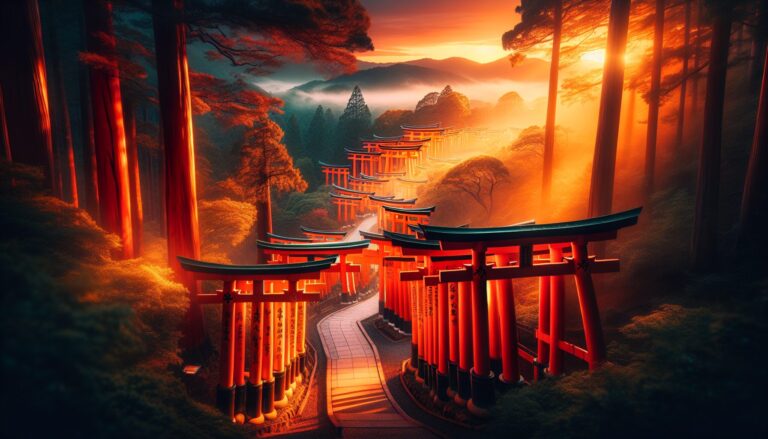
Fushimi Inari Taisha ranks among Japan’s most photographed destinations, famous for its thousands of vermillion torii gates winding up Mount Inari. This Shinto shrine dedicated to the rice deity Inari offers hiking trails ranging from 30 minutes to 3 hours.
Insider tips for Fushimi Inari:
- Visit at sunrise (around 6 AM) for dramatic lighting and fewer crowds
- The full mountain hike takes 2-3 hours round trip
- Bring water and comfortable walking shoes
- Small shrines along the path offer rest stops and photo opportunities
The shrine operates 24/7 and has no admission fee, making it perfect for early morning or evening visits when most tourists are elsewhere.
Arashiyama: Bamboo Groves and Monkey Mountains
The Arashiyama district offers a perfect blend of natural beauty and cultural sites. The famous Bamboo Grove creates an otherworldly walking experience as sunlight filters through towering bamboo stalks.
Arashiyama highlights include:
- Bamboo Grove – A mystical 400-meter path through towering bamboo
- Tenryu-ji Temple – UNESCO World Heritage site with stunning gardens
- Iwatayama Monkey Park – Mountain-top park with panoramic Kyoto views
- Togetsukyo Bridge – Iconic bridge perfect for cherry blossom viewing
The area gets extremely crowded during peak hours (10 AM – 3 PM), so plan early morning or late afternoon visits for a more peaceful experience.
Gion: Geisha District and Traditional Culture
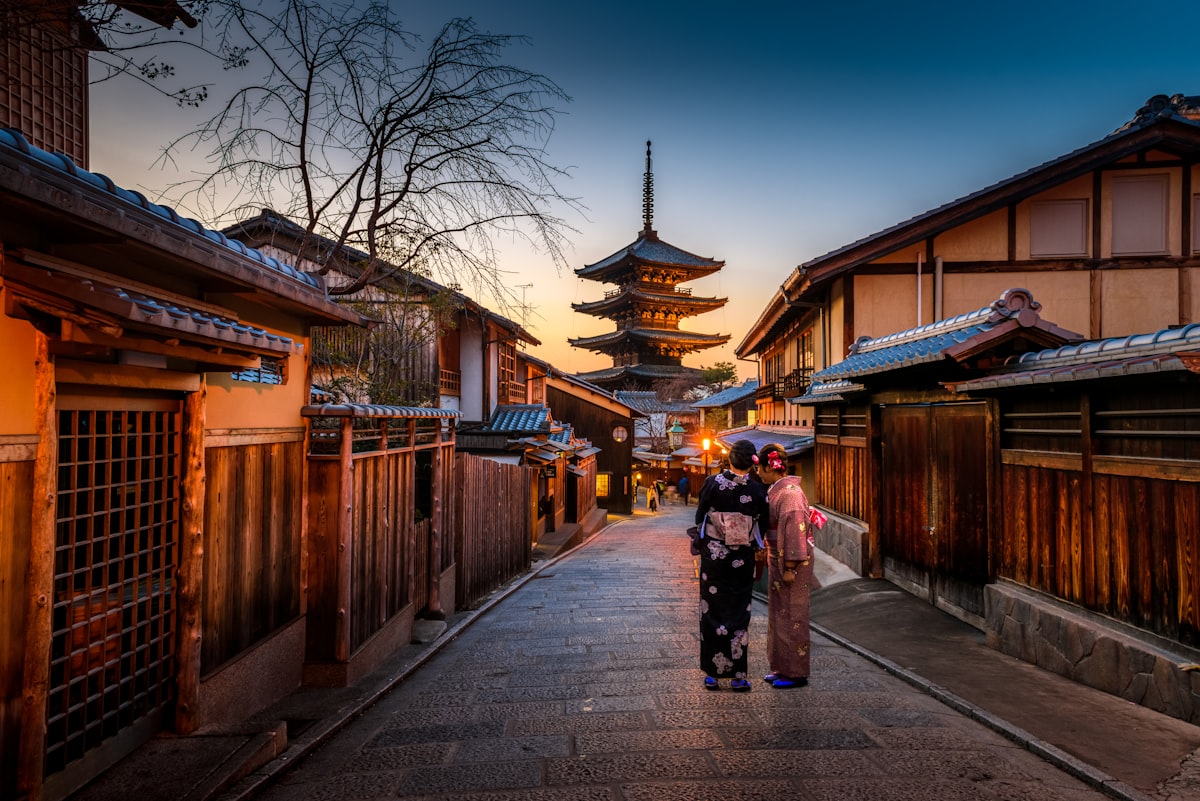
Gion preserves Kyoto’s traditional entertainment culture, where geishas and maikos still train in classical arts. The district’s wooden machiya townhouses now house high-end restaurants, tea houses, and shops selling traditional crafts.
Respectful Gion exploration tips:
- Photography of geishas requires permission – respect their privacy
- Walk quietly on narrow streets to maintain the district’s serene atmosphere
- Many establishments are exclusive and require introductions
- Public areas like Hanami-koji Street welcome respectful tourists
Evening visits offer the best chances of spotting geishas heading to appointments, while daytime exploration allows for better appreciation of traditional architecture.
Day-Tripping Between Osaka and Kyoto
The short distance between Osaka and Kyoto makes day-tripping not just possible but highly recommended. Multiple train options connect the cities efficiently:
Transportation Options
Fastest Routes:
- Keihan Main Line: 45 minutes from Osaka’s Yodoyabashi to Kyoto’s Gion-Shijo
- Hankyu Kyoto Line: 40 minutes from Osaka’s Umeda to Kyoto’s Kawaramachi
- JR Tokaido Line: 30 minutes from Osaka Station to Kyoto Station
Cost-effective options: Regular tickets cost $3-4 USD one way, while day passes offer unlimited rides for around $8-10 USD.
Recommended Day Trip Itineraries
Osaka to Kyoto Day Trip:
- 6:30 AM: Early train to Kyoto
- 7:00 AM: Fushimi Inari Taisha (sunrise visit)
- 10:00 AM: Arashiyama Bamboo Grove
- 1:00 PM: Lunch in Gion district
- 3:00 PM: Explore traditional Kyoto neighborhoods
- 7:00 PM: Return to Osaka for dinner
Kyoto to Osaka Day Trip:
- 10:00 AM: Morning train to Osaka
- 11:00 AM: Kuromon Market food tour
- 2:00 PM: Osaka Castle visit
- 4:00 PM: Dotonbori exploration and street food
- 8:00 PM: Return to Kyoto
2026 Travel Considerations
Japan continues experiencing record tourism numbers in 2026, with Osaka and Kyoto implementing various crowd management measures:
- Advance reservations now required for popular restaurants and some temples
- Time-slot systems implemented at major attractions to manage crowds
- Alternative route recommendations promoted by local tourism boards
- Digital payment incentives offered at participating businesses
Book accommodations well in advance, especially during cherry blossom season (late March to early May) and autumn foliage period (November to early December).
Plan Your Japan Trip Today
Osaka and Kyoto offer the perfect introduction to Japan’s diverse attractions, from world-class cuisine to ancient temples. Whether you’re drawn to Osaka’s vibrant food scene or Kyoto’s traditional culture, these neighboring cities provide endless opportunities for exploration and discovery.
Start planning your 2026 journey by booking flights to Kansai International Airport, researching accommodation options in both cities, and creating a flexible itinerary that allows time for both planned attractions and spontaneous discoveries. With efficient transportation connecting these incredible destinations, your Japanese adventure awaits just a train ride away.
📍 Part of our Osaka Travel Guide — browse all related Japan guides in one place.