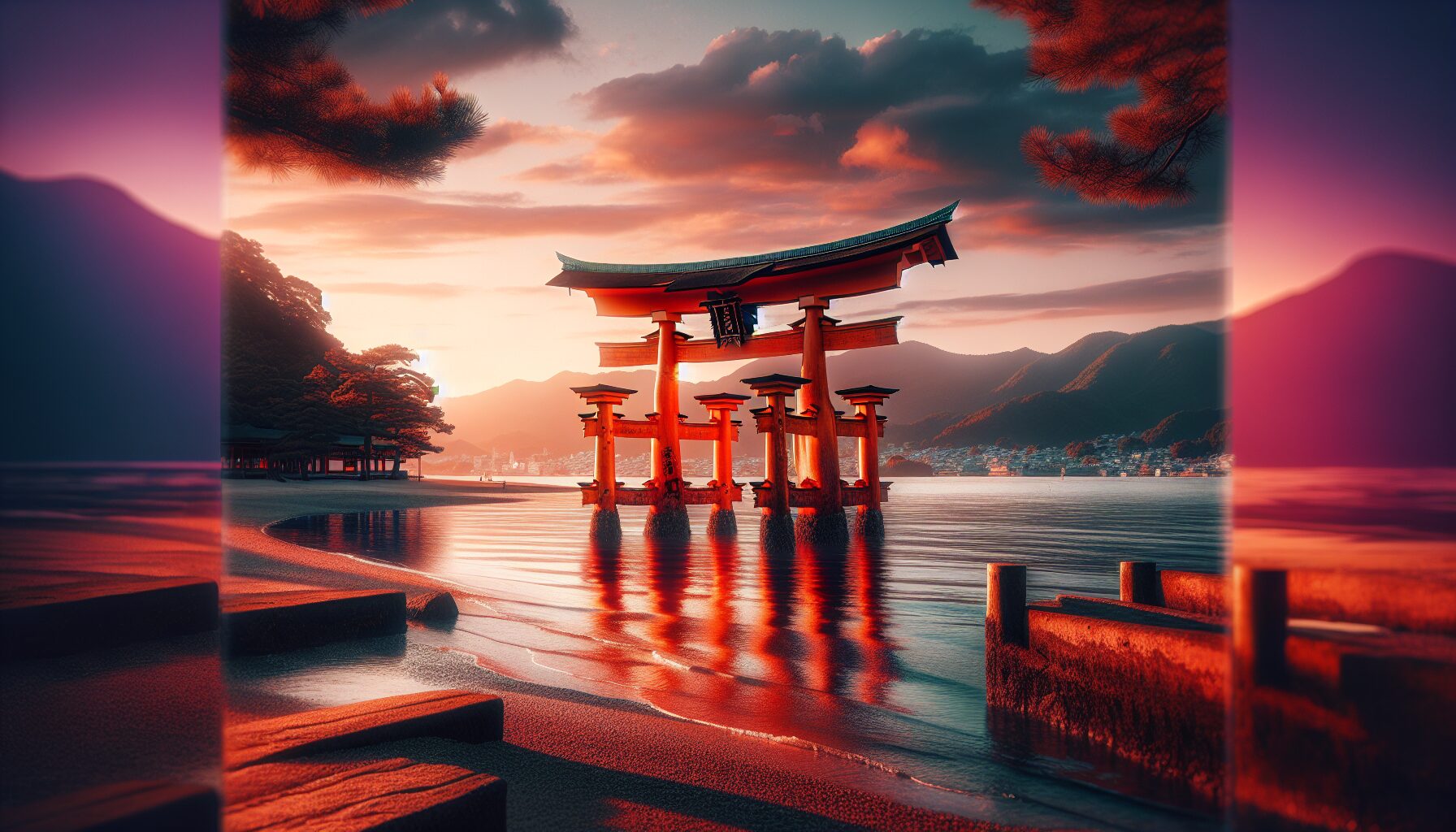

Hiroshima and nearby Miyajima Island offer a profound journey through Japan’s history and natural beauty that will leave an indelible mark on your soul. This powerful combination of moving historical sites, stunning island scenery, and exceptional cuisine makes for an unforgettable experience just a short Shinkansen ride from major cities like Osaka and Kyoto.
Whether you’re paying respects at the Peace Memorial Park, marveling at Miyajima’s iconic floating torii gate, or savoring world-famous Hiroshima okonomiyaki, this 2-day itinerary will guide you through the best of both destinations in 2026.
Getting to Hiroshima: Transportation from Major Cities
The fastest way to reach Hiroshima is via the Tokaido-Sanyo Shinkansen line. From Osaka, the journey takes approximately 1 hour and 20 minutes on the Hikari or Sakura services, costing around 10,590 yen (about $70 USD) for a non-reserved seat. From Kyoto, expect a journey time of 1 hour and 40 minutes for roughly 11,290 yen ($75 USD).
If you’re arriving directly in Japan for this trip, Tokyo’s Haneda Airport offers convenient connections to the Shinkansen network. The 2026 JR Pass continues to be valid on most Shinkansen services to Hiroshima, making it an excellent value for international visitors planning multi-city trips.
From Hiroshima Station, the city’s excellent tram system connects you directly to major attractions. The modern trams run frequently and cost just 220 yen per ride, or you can purchase a day pass for 700 yen.
Day 1: Hiroshima Peace Memorial Sites
Morning: Peace Memorial Park and Museum
Start your Hiroshima experience early at the Peace Memorial Park, ideally arriving when it opens at 8:30 AM to avoid crowds and allow for quiet reflection. The park serves as a powerful reminder of the atomic bombing on August 6, 1945, and houses several important monuments.
Begin at the Peace Memorial Museum, which underwent major renovations completed in 2019 and now features enhanced digital displays and personal testimonies. As of 2026, admission costs 200 yen for adults. The museum requires about 2-3 hours to experience fully and respectfully.
Visitor Etiquette Tips:
- Maintain quiet, respectful behavior throughout the park and museum
- Photography is permitted in most areas, but be mindful and respectful
- Many exhibits include graphic content – prepare emotionally
- Consider renting the audio guide for deeper understanding (300 yen)
- Bow respectfully when visiting the Cenotaph for A-bomb Victims
Afternoon: A-Bomb Dome and Surrounding Area
The A-Bomb Dome (Genbaku Dome), a UNESCO World Heritage Site, stands as one of the most recognizable symbols of peace in the world. This skeletal remains of the former Hiroshima Prefectural Industrial Promotion Hall provides a stark, moving reminder of the bombing’s devastation.
Walk across the nearby Aioi Bridge – the original target of the atomic bomb – and take time to read the various peace monuments scattered throughout the park. The Children’s Peace Monument, inspired by Sadako Sasaki’s story, is particularly moving and often decorated with thousands of colorful paper cranes.
Evening: Hiroshima’s Famous Okonomiyaki
No visit to Hiroshima is complete without trying the city’s signature dish. Unlike Osaka-style okonomiyaki, Hiroshima’s version layers ingredients rather than mixing them, creating distinct flavors and textures.
Head to Okonomimura, a multi-story building housing over 25 okonomiyaki stalls. Popular choices include Micchan Sohonten (the claimed originator) or Lopez for a modern twist. Expect to pay 800-1,200 yen ($5-8 USD) for a satisfying meal. Watch skilled chefs prepare your dish on the hot griddle right before your eyes.
Day 2: Miyajima Island Adventure
Getting to Miyajima
Take the JR Sanyo Line from Hiroshima Station to Miyajimaguchi Station (27 minutes), then board the JR ferry to Miyajima Island (10 minutes). The ferry is covered by JR Pass and runs every 15 minutes. Alternatively, tram line 2 goes directly to Miyajima-guchi ferry terminal.
Morning: Itsukushima Shrine and the Floating Torii
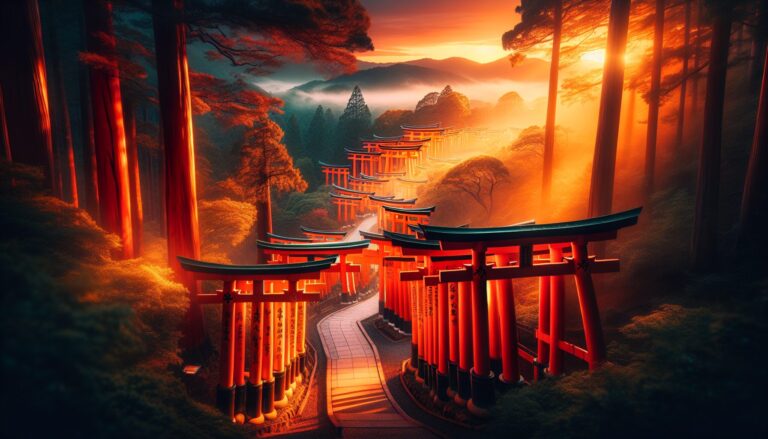
Miyajima Island’s crown jewel is the vermillion Itsukushima Shrine with its famous “floating” torii gate – one of Japan’s three most scenic views. The massive gate appears to float on water during high tide, creating an ethereal, unforgettable sight.
Visit during both high and low tides if possible, as each offers unique photographic opportunities. At low tide, you can walk out to the torii gate and examine its impressive 16-meter height up close. Check tide times before your visit – the shrine provides daily tide schedules.
The shrine itself, built over water on stilts, dates back over 1,400 years and is dedicated to the three daughters of the sea god. Admission costs 300 yen for adults as of 2026.
Afternoon: Momijidani Park and Mt. Misen
Take the Miyajima Ropeway (1,840 yen round trip in 2026) to near the summit of Mt. Misen, Miyajima’s highest peak at 535 meters. The ropeway journey offers spectacular views of the Seto Inland Sea and its scattered islands.
From the ropeway station, a 30-minute hike brings you to the actual summit, where you’ll find several Buddhist temples and observation decks with panoramic views. The “Eternal Flame” at Daishoin Temple has reportedly burned continuously for over 1,200 years.
On your descent, explore Momijidani Park, particularly beautiful during autumn when maple leaves create a stunning red canopy. The park’s walking trails are pleasant year-round and offer peaceful respite from crowds.
Island Wildlife and Local Specialties
Miyajima is famous for its friendly deer population that roams freely around the island. While charming, remember these are wild animals – don’t feed them human food or touch them.
Sample local specialties including:
- Fresh Oysters: Hiroshima Prefecture produces about 60% of Japan’s oysters. Try them grilled, fried, or raw at waterfront restaurants (800-1,500 yen per serving)
- Momiji Manju: Maple leaf-shaped cakes filled with sweet red bean paste, custard, or chocolate. Perfect souvenirs at 200-300 yen each
- Anago (Sea Eel): Local specialty served over rice, milder and sweeter than regular eel (1,200-2,000 yen)
Practical Travel Tips for 2026
Accommodation Recommendations
Stay near Hiroshima Peace Memorial Park for easy access to attractions and excellent tram connections. Many hotels offer views of the city and nearby mountains. Book early during peak seasons (spring cherry blossoms and autumn leaves).
For a unique experience, consider staying overnight on Miyajima Island at a traditional ryokan. While more expensive (15,000-30,000 yen per person including meals), you’ll experience the island’s tranquil evening atmosphere after day-trippers depart.
Money and Payment
As of 2026, cashless payments are increasingly accepted throughout Hiroshima and Miyajima, but carrying cash remains advisable for smaller restaurants, temple donations, and some transportation. Most major attractions accept credit cards and IC cards like Suica.
Best Times to Visit
Spring (March-May) offers mild weather and cherry blossoms, though expect crowds. Autumn (September-November) provides comfortable temperatures and stunning fall foliage, particularly beautiful on Miyajima. Summer can be hot and humid, while winter is generally mild but may limit some mountain activities.
Plan Your Japan Trip Today
Hiroshima and Miyajima offer an perfect blend of historical significance, natural beauty, and culinary excellence that exemplifies the best of Japan travel. This meaningful 2-day journey provides insights into Japan’s past while showcasing its enduring spiritual and cultural traditions.
Ready to experience these incredible destinations for yourself? Start planning your 2026 Japan adventure today. From convenient Shinkansen connections to world-class accommodations near major attractions, everything you need for an unforgettable trip awaits. The memories and insights gained from visiting these profound locations will stay with you long after you return home.
📍 Part of our Japan Destinations Guide — browse all related Japan guides in one place.