
Osaka and Kyoto represent the perfect pairing of Japan’s culinary capital and cultural heart. Located just 30 minutes apart by train, these two Kansai region powerhouses offer travelers an incredible blend of street food adventures, ancient temples, modern entertainment, and traditional experiences. Whether you’re craving Osaka’s legendary takoyaki or seeking serenity at Kyoto’s bamboo groves, this comprehensive guide will help you make the most of both cities in 2026.
With record tourist numbers visiting Japan in 2026 and improved cashless payment systems making travel easier than ever, planning your Osaka-Kyoto adventure has never been more straightforward. From navigating the efficient train connections to discovering hidden local gems, we’ll cover everything you need to know for an unforgettable journey through Japan’s Kansai region.
Getting to Osaka and Kyoto
Kansai International Airport (KIX) serves as the primary gateway to the Osaka-Kyoto region, with direct flights from major cities worldwide. The airport connects seamlessly to both cities via the Kansai Airport Express “HARUKA” train, reaching Kyoto in 75 minutes and Osaka’s Tennoji Station in 30 minutes.
For 2026 travelers, the JR Pass remains a valuable investment at approximately $435-680 USD for 7-21 day passes, covering all JR trains including the essential routes between Osaka, Kyoto, and beyond. IC cards like ICOCA are now accepted virtually everywhere, making local transportation and even shopping incredibly convenient.
Entry Requirements 2026
Most Western passport holders enjoy visa-free entry for up to 90 days, making spontaneous extended stays possible. Ensure your passport has at least 6 months validity and consider purchasing travel insurance, as Japan’s healthcare costs can be substantial for visitors.
Osaka: Japan’s Kitchen Awaits
Osaka’s reputation as “Japan’s Kitchen” is well-deserved, with the city serving up an incredible array of street food, casual dining, and high-end culinary experiences. The phrase “kuidaore” (eat until you drop) perfectly captures Osaka’s food-obsessed culture.
Dotonbori: The Heart of Osaka’s Food Scene
No Osaka visit is complete without exploring Dotonbori, the neon-lit entertainment district that epitomizes the city’s vibrant energy. The area buzzes with activity 24/7, offering everything from world-class restaurants to quirky street food stalls.
Must-try Dotonbori experiences include:
- Takoyaki – Sample Osaka’s signature octopus balls from legendary spots like Juhachiban or Kukuru
- Okonomiyaki – Visit Mizuno or Kiji for authentic Osaka-style savory pancakes
- Kushikatsu – Try Daruma’s famous fried skewers (remember: no double-dipping!)
- Ramen – Slurp bowls at Ichiran or Ippudo for late-night fuel
Kuromon Ichiba Market: Fresh Flavors and Local Life
Known as “Osaka’s Kitchen,” Kuromon Market offers over 150 years of culinary tradition. This covered market stretches for 600 meters, packed with vendors selling everything from ultra-fresh sashimi to Wagyu beef skewers.
Arrive early (around 9 AM) to avoid crowds and ensure the best selection. Don’t miss the famous tuna sashimi stalls, seasonal fruit vendors, and the incredible variety of pickled vegetables. Many vendors now accept IC cards and credit cards, making purchases hassle-free in 2026.
Beyond Food: Osaka’s Cultural Attractions
While food dominates Osaka’s identity, the city offers compelling cultural experiences:
- Osaka Castle – Explore the reconstructed fortress and its surrounding park
- Sumiyoshi Taisha – One of Japan’s oldest shrines with distinctive architecture
- Teamlab Botanical Garden Osaka – Immersive digital art experiences
- Shitennoji Temple – A 1,400-year-old Buddhist temple complex
Kyoto: Where Tradition Lives
Former imperial capital Kyoto preserves Japan’s cultural soul with over 2,000 temples and shrines, traditional neighborhoods, and time-honored crafts. The city masterfully balances preservation with modern life, creating an atmosphere unlike anywhere else in Japan.
Fushimi Inari Taisha: The Thousand Torii Gates
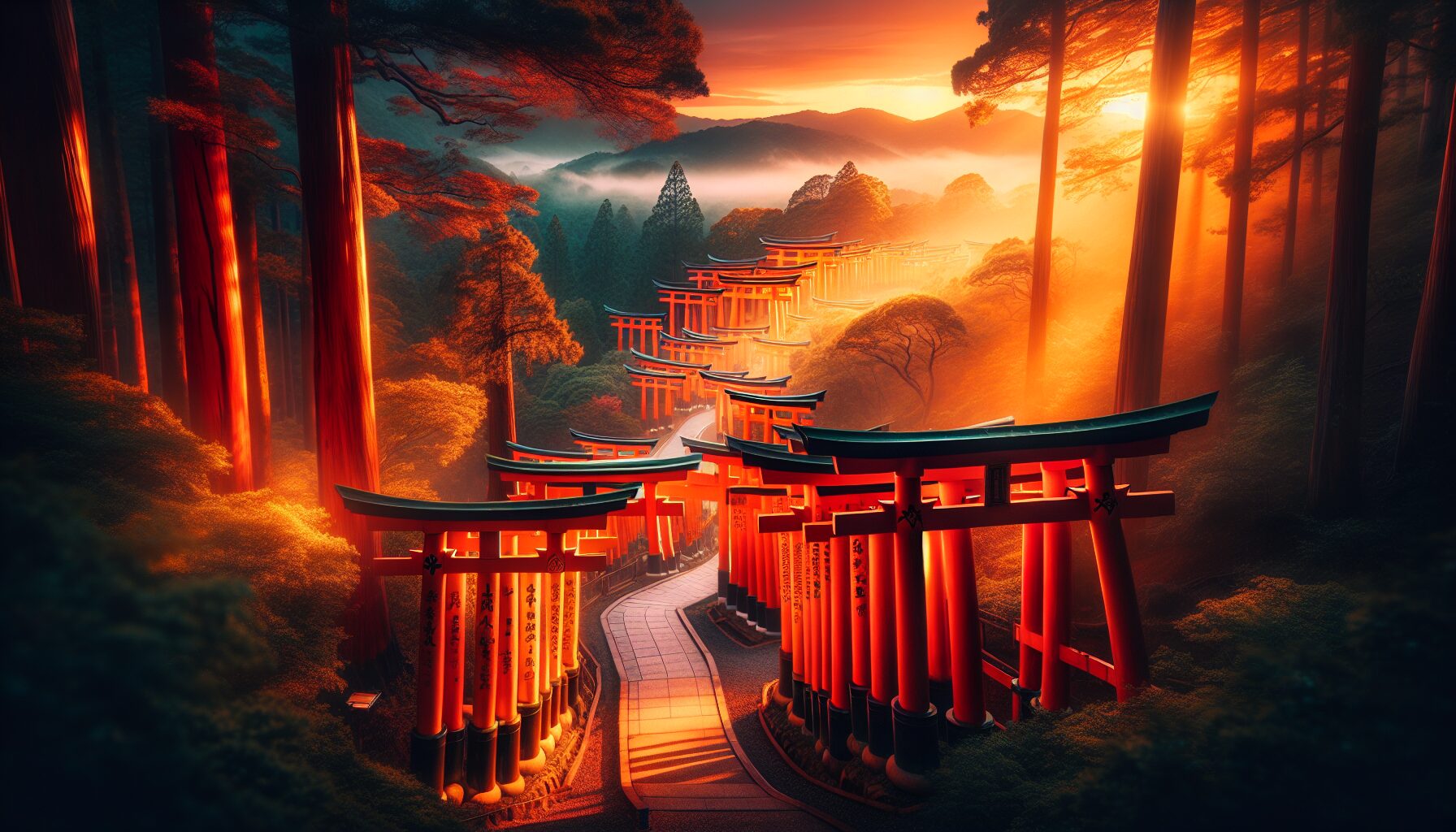
Perhaps Kyoto’s most photographed attraction, Fushimi Inari features thousands of vermillion torii gates creating tunnels up Mount Inari. The full hike to the summit takes 2-3 hours, but stunning photo opportunities begin immediately.
Visit early morning (before 8 AM) or late afternoon to avoid the heaviest crowds. The shrine is free to enter and operates 24/7, making sunrise visits particularly magical. Bring water and wear comfortable shoes for the mountain trails.
Arashiyama: Bamboo Groves and Natural Beauty
Western Kyoto’s Arashiyama district combines natural beauty with cultural attractions. The famous bamboo grove creates an otherworldly walking experience, while nearby temples and gardens offer peaceful retreats.
Key Arashiyama highlights:
- Bamboo Grove – Walk through towering bamboo creating natural cathedral lighting
- Tenryu-ji Temple – UNESCO World Heritage zen temple with spectacular gardens
- Monkey Park Iwatayama – Hike for mountain views and playful Japanese macaques
- Hozu River – Scenic boat rides through mountain gorges (seasonal)
Gion: Geisha Culture and Traditional Architecture
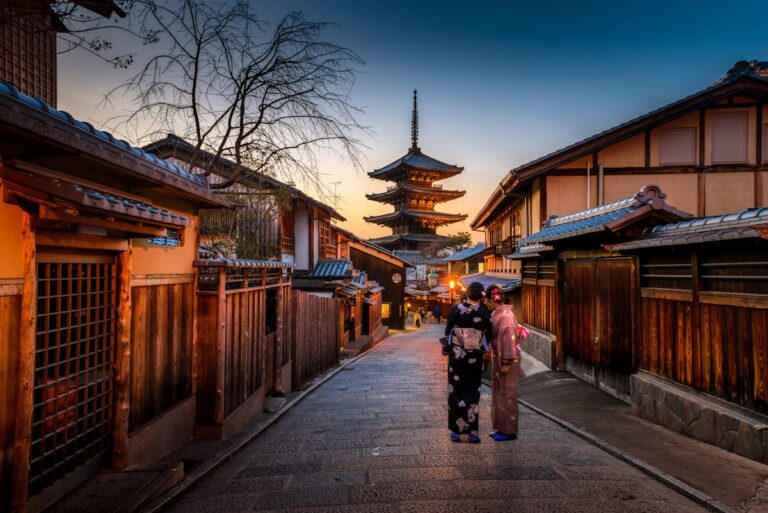
Kyoto’s most famous geisha district preserves Edo-period atmosphere with wooden machiya townhouses, exclusive ochaya tea houses, and cobblestone streets. Evening brings the possibility of spotting geiko (Kyoto’s term for geisha) heading to appointments.
Respectful photography guidelines are strictly enforced in 2026, with significant fines for inappropriate tourist behavior. Observe quietly, maintain distance, and never use flash photography or impede geiko movement.
Seamless Day Trips Between Osaka and Kyoto
The 55-kilometer distance between Osaka and Kyoto makes day-tripping between cities incredibly convenient. Multiple train options connect the cities efficiently, allowing travelers to maximize their Kansai region experience.
Transportation Options
JR Lines (Covered by JR Pass):
- Tokaido Main Line: 30 minutes, frequent departures
- JR Kyoto Line: Direct service to major stations
- Shinkansen: 15 minutes but expensive for short distance
Private Railways:
- Keihan Main Line: Connects central areas, 40-50 minutes
- Hankyu Railway: Multiple route options, 40-60 minutes
- Kintetsu Line: Alternative route with good station access
Strategic Day Trip Planning
For maximum efficiency, consider these day trip strategies:
Osaka Base Strategy: Stay in Osaka for nightlife and food scene access, day-trip to Kyoto for cultural sites during quieter morning hours.
Kyoto Base Strategy: Choose Kyoto accommodation for early temple access, venture to Osaka for afternoon food adventures and evening entertainment.
Split Stay Strategy: Spend 2-3 nights in each city to fully experience both without rushed day trips.
2026 Travel Tips and Practical Information
Japan’s tourism landscape has evolved significantly, with 2026 bringing both opportunities and challenges for international visitors.
Managing Overtourism
Record visitor numbers have prompted new crowd management measures. Popular sites like Fushimi Inari and Arashiyama implement time-slot reservations during peak seasons. Book popular restaurants and experiences well in advance, especially during cherry blossom season (late March-early May) and autumn foliage (November).
Payment and Communication
Cashless payment acceptance has expanded dramatically. IC cards work for trains, buses, convenience stores, and many restaurants. PayPay and other mobile payment apps are increasingly common. However, carry cash for smaller establishments, temple donations, and market vendors.
Free Wi-Fi is ubiquitous in 2026, available in stations, convenience stores, and most tourist areas. Consider purchasing a portable Wi-Fi device or SIM card for constant connectivity.
Accommodation Booking
Book accommodations early, especially for cherry blossom season and autumn. Traditional ryokan in Kyoto and modern hotels in Osaka both offer unique experiences. Consider location carefully – staying near major train stations saves significant commuting time.
Plan Your Japan Trip Today
Osaka and Kyoto offer the perfect introduction to Japan’s incredible diversity, combining world-class cuisine with profound cultural experiences. Whether you’re planning a first visit or returning to explore deeper, these two cities provide endless discoveries and unforgettable memories.
Start planning your 2026 Kansai adventure today. Research seasonal events, book key accommodations early, and prepare for an incredible journey through Japan’s culinary and cultural heartland. The efficient transportation connections make exploring both cities effortless, while each offers distinct personalities that perfectly complement your Japanese travel experience.
📍 Part of our Osaka Travel Guide — browse all related Japan guides in one place.