
Visiting Japan in the rainy season in June is genuinely underrated — and if you’re planning a trip, the honest answer is: go. Tsuyu, Japan’s seasonal rainy period, does not mean wall-to-wall grey skies and cancelled plans. Most days follow a pattern of bright, fresh mornings and short afternoon or evening showers, and the payoff is extraordinary: hydrangeas blooming in vivid purple and blue across ancient temple gardens, tourist sites that are a fraction of their usual crowdedness, and hotel prices that would make peak-season visitors weep with envy. Here’s everything you need to know to plan a smart, enjoyable June trip to Japan.
What Is Tsuyu and What Does It Actually Mean for Your Trip?
Tsuyu (梅雨), literally ‘plum rain,’ is a seasonal weather front that sweeps across Japan from south to north between late May and mid-July. It’s caused by warm, moist air from the Pacific colliding with cooler continental air, producing a weeks-long period of elevated rainfall and humidity. But here’s what most travel articles miss: tsuyu is not a monsoon in the Southeast Asian sense. Japan doesn’t receive continuous heavy rainfall for days on end. Instead, the pattern is highly variable — mornings are frequently sunny and perfectly pleasant, with showers arriving in the afternoon or evening.
In practical terms, this means you can absolutely sightsee in the mornings, duck into a café, temple, or covered shopping arcade when a shower rolls in, and be back out exploring by late afternoon. The rain also clears the air beautifully, leaving temple gardens and forested hillsides looking impossibly lush and green. Photographers in particular love this season for the soft, diffused light and the dramatic contrast of wet stone paths against vivid foliage.
Tsuyu typically arrives in the Kinki region (Kyoto, Osaka, Nara) around the first week of June and reaches the Kanto region (Tokyo, Kamakura, Nikko) around the second week of June. It typically ends in mid-to-late July. The Japan Meteorological Agency (jma.go.jp) publishes updated tsuyu entry and exit forecasts each spring — bookmark it so you can check the exact dates for the year you’re travelling.
Why June Is One of the Most Underrated Times to Visit Japan
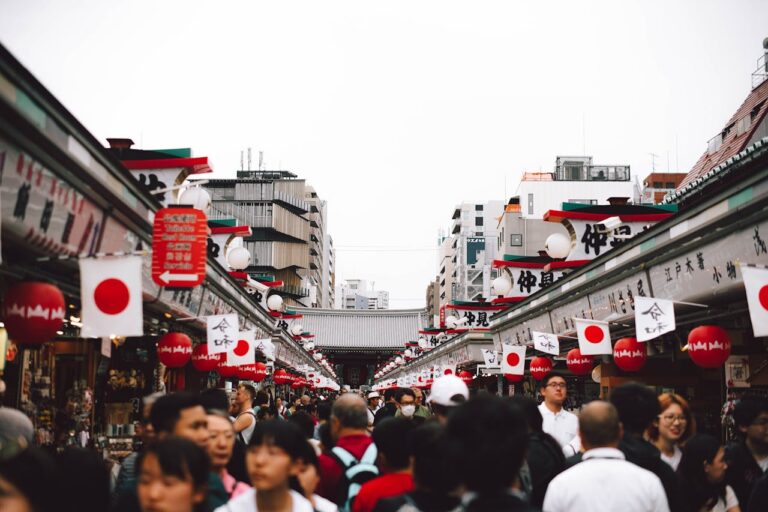
Let’s talk about the real advantages of visiting during tsuyu, because they’re substantial. First and most obvious: the crowds are gone. After the golden week holiday rush in late April and early May, and well before the summer school holiday surge in August, June sits in a sweet spot of low international and domestic tourism. Iconic spots like Fushimi Inari in Kyoto, Senso-ji in Asakusa, and the bamboo grove at Arashiyama — which are genuinely shoulder-to-shoulder with tourists in spring — become navigable, calm, and photogenic again.
Second: prices drop meaningfully. Hotels, bullet train packages, and even some popular experiences are priced at off-peak rates in June. If you’ve been eyeing a stay at a traditional ryokan but balked at cherry blossom pricing, June is your window. Availability also improves dramatically — you won’t need to book that sought-after Kyoto inn six months out.
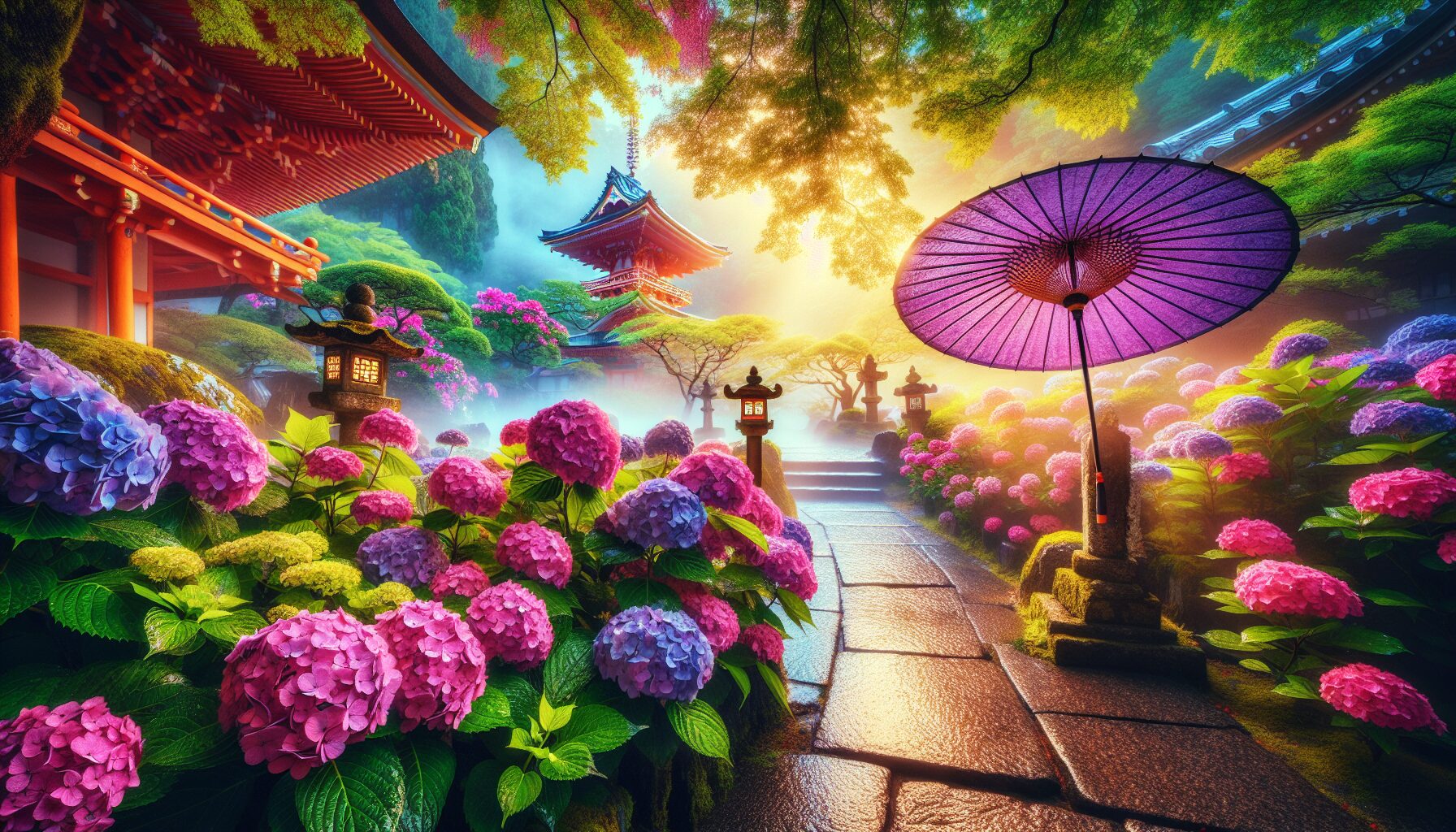
Third, and most visually spectacular: the hydrangeas. June is prime hydrangea (ajisai) season across Japan, and these blooms are to tsuyu what cherry blossoms are to spring. Vivid clusters of blue, purple, white, and pink flowers line temple paths, river banks, and hillside gardens across the country. It’s a genuinely beautiful season that doesn’t get nearly the attention it deserves.
| Provider | Plan | Data | Duration | Price | Notes | |
|---|---|---|---|---|---|---|
| Airalo | Discover Japan Best Value | 1 GB | 7 days | $4.50 | Works on iPhone & Android. Easy top-up. | Buy |
| Airalo | Discover Japan Most Popular | 3 GB | 30 days | $11.00 | Great for long stays. | Buy |
| Holafly | Japan Unlimited | Unlimited | 5 days | $19.90 | Unlimited data, no throttling. | Buy |
| Holafly | Japan Unlimited | Unlimited | 30 days | $57.90 | Best for digital nomads. | Buy |
| Ubigi | Japan Data | 1 GB | 30 days | $7.00 | Supports Windows & laptops. | Buy |
| Ubigi | Japan Data | 5 GB | 30 days | $20.00 | Good mid-range option. | Buy |
The Best Hydrangea Spots to Visit in Japan in June
If hydrangeas are on your itinerary — and they should be — these are the spots worth building your schedule around.
Meigetsuin Temple, Kamakura — This is the undisputed highlight of Japan’s hydrangea season. Meigetsuin is nicknamed ‘The Hydrangea Temple’ for good reason: roughly 2,500 hydrangea plants line its winding paths in almost exclusively blue and purple, a deliberate choice by the temple to represent the meditative quality of water. The famous round ‘window of enlightenment’ framing the rear garden is one of the most photographed images in all of Kamakura. Arrive before 9am during peak bloom (typically mid-to-late June) to beat the queues. Kamakura is an easy 50–60 minute train ride from central Tokyo.
Hakusan Shrine, Bunkyo, Tokyo — For visitors staying in Tokyo who don’t want to make a day trip, Hakusan Shrine in Bunkyo ward holds a dedicated Hydrangea Festival (Ajisai Matsuri) in mid-June. The shrine grounds host around 3,000 hydrangea plants, and the festival atmosphere — with food stalls and evening illuminations — makes this a lovely low-key evening outing. Check the Bunkyo Tourism Association website for the exact festival dates each year.
Mimurido Temple, Uji, Kyoto — South of Kyoto in the riverside town of Uji (also famous for its premium matcha), Mimurido Temple maintains one of the Kansai region’s most beautiful hydrangea gardens. With over 10,000 plants covering the hillside grounds and views over the misty Uji River below, this is a genuinely magical spot during tsuyu. Combine it with a visit to the nearby Byodoin Temple and a bowl of matcha soft-serve for a perfect June day in the Kyoto area.
What to Pack for Japan’s Rainy Season in June
Packing for tsuyu doesn’t require a total overhaul of your usual travel kit — a few targeted additions make all the difference. A compact folding umbrella is essential; if you forget yours, every convenience store in Japan (7-Eleven, FamilyMart, Lawson) sells sturdy ones for around ¥700–¥1,000. Avoid large umbrellas — they’re awkward on narrow streets and in crowded station doorways.
Waterproof walking shoes are your most important footwear choice. Many of Japan’s best temple and shrine gardens have gravel or stone paths that become slippery when wet, and wet feet on a long day of sightseeing will quickly dampen your mood. Lightweight waterproof trail runners or sneakers are more practical than sandals or fashion trainers. Pack a light rain jacket rather than relying on umbrella alone — some temple gardens have long open stretches where windblown rain hits from the side. A small dry bag or waterproof pouch for your phone and camera is also worth including.
One June-specific consideration: humidity. June in Japan is warm (typically 20–28°C / 68–82°F) and humid. Light, breathable, quick-drying fabrics are far more comfortable than cotton, which clings unpleasantly when damp. Pack fewer clothes but choose moisture-wicking options.
Indoor Alternatives for Heavy Rain Days
Even in tsuyu, you’ll occasionally encounter a genuinely heavy rain day where outdoor sightseeing feels unappealing. These days have their own pleasures if you plan for them. Onsen and sento (public bathhouses) are the obvious choice — soaking in a hot spring bath while rain patters on the roof outside is one of Japan’s most quintessentially relaxing experiences. Many urban hotels and ryokan have in-house onsen or offer easy access to nearby facilities.
Speaking of ryokan: if budget allows, booking at least one night in a traditional Japanese inn transforms a rainy day into a highlight. A good ryokan includes a multi-course kaiseki dinner, in-room or communal onsen, and yukata robes — you genuinely don’t need to leave the building, nor would you want to.
For museum lovers, Japan’s rainy days are a gift. The Tokyo National Museum in Ueno holds the world’s largest collection of Japanese art and artefacts — you could spend a full rainy day there without scratching the surface. In Kyoto, the Kyoto National Museum in Higashiyama is equally absorbing, and its Meiji-era brick building is atmospheric on a grey day. Other excellent wet-weather options include teamLab digital art installations (multiple cities), the Studio Ghibli Museum in Mitaka (pre-book well in advance), and Japan’s legendary depachika — the elaborate food halls in the basement floors of department stores, where you can graze on regional specialities from across Japan without stepping outside.
Don’t Overlook Okinawa: Out of Rainy Season by Late June
Here’s a tip that surprises many visitors: Okinawa runs on a different tsuyu schedule from the rest of Japan. The island chain’s rainy season begins around early May and typically ends by mid-to-late June — meaning that while Tokyo and Kyoto are still damp in late June and early July, Okinawa has shifted into hot, sunny summer mode with clear turquoise water and beach weather in full swing.
If a beach component is important to your trip, consider a split itinerary: spend the first half of your June trip in the main islands (Tokyo, Kyoto, Kamakura) enjoying hydrangeas and low-crowd sightseeing during early-to-mid tsuyu, then fly south to Okinawa for the second half to catch the tail end of the seasonal transition into summer. Flights between Tokyo or Osaka and Naha (Okinawa’s main city) are frequent, affordable, and take just two to two-and-a-half hours.
When to Book and How to Get There
Because June is a lower-demand travel period, you have more flexibility than in peak seasons — but ‘more flexibility’ doesn’t mean ‘leave it until last minute.’ Popular ryokan and boutique hotels in Kyoto still fill up for weekends, and if a major Japanese public holiday falls near your travel dates (check the Japanese holiday calendar for the specific year), domestic travel surges briefly. As a general rule, book accommodation 6–8 weeks out for June travel rather than the 4–6 months required for cherry blossom or autumn foliage seasons.
International flights into Tokyo (Narita or Haneda) and Osaka (Kansai International) are your main entry points. From Tokyo, the shinkansen (bullet train) puts Kyoto 2 hours 15 minutes away and Kamakura is under an hour by local train from Shibuya or Tokyo Station. The JR Pass remains good value if you’re combining Tokyo, Kyoto, and Hiroshima in a single trip — compare prices against individual ticket costs for your specific itinerary before purchasing. Staying connected while navigating train schedules and real-time weather updates is essential, so sort your data before you land.
Frequently Asked Questions
Is Japan’s rainy season in June really that rainy?
Tsuyu doesn’t mean constant downpours. Most days feature sunny or overcast mornings with afternoon showers. Heavy all-day rain is less common than you’d expect, and the lush greenery and empty tourist sites make it genuinely worth visiting.
When exactly does Japan’s rainy season start and end in 2026?
In 2026, tsuyu is expected to begin around June 7–10 in the Kanto region (Tokyo/Kamakura) and June 1–5 in Kyushu and Kinki (Kyoto/Osaka), ending in mid-to-late July. The Japan Meteorological Agency releases updated forecasts each spring — check jma.go.jp for the current year’s official tsuyu entry and exit dates.
Where are the best places to see hydrangeas in Japan in June?
Top spots include Meigetsuin Temple in Kamakura (nicknamed ‘The Hydrangea Temple’), Hakusan Shrine in Tokyo’s Bunkyo ward, and Mimurido Temple in Uji near Kyoto. Bloom peaks typically fall between mid-June and early July depending on the location and annual temperatures.
Does Okinawa have rainy season in June?
Okinawa’s tsuyu runs from around early May to mid-June — so by late June and into July, Okinawa has exited rainy season entirely. This makes it an excellent beach destination from late June onwards when the rest of Japan is still in tsuyu.
What should I pack for visiting Japan in June rainy season?
Essentials include a compact folding umbrella (available cheaply at convenience stores in Japan too), waterproof walking shoes or quick-dry sneakers, a light waterproof jacket, and a dry bag for your electronics. Avoid large golf umbrellas — they’re cumbersome on crowded city streets.
Are hotels cheaper in Japan during tsuyu in June?
Yes. June is one of Japan’s lowest-demand travel months, meaning hotel rates in Tokyo, Kyoto, and Osaka are noticeably lower than during cherry blossom season or autumn foliage. You’ll also find it much easier to get reservations at popular ryokan and restaurants without booking months in advance.
What are good indoor activities in Japan on heavy rain days in June?
Heavy rain days are perfect for onsen (hot spring baths), staying in a traditional ryokan, visiting world-class museums like the Tokyo National Museum or Kyoto National Museum, exploring depachika (department store food halls), or attending a tea ceremony indoors. Many ryokan also include multi-course kaiseki dinners that easily fill an evening.
Plan Your Japan Trip Today
Visiting Japan in the rainy season in June is one of the smartest travel decisions you can make — lower prices, quieter temples, vivid hydrangeas, and the warm, intimate atmosphere of a country not overrun with peak-season crowds. With a compact umbrella in your bag, waterproof shoes on your feet, and a flexible mindset, you’ll discover a side of Japan that most visitors completely miss. Whether you’re soaking in an onsen while rain falls on a traditional garden, photographing blue hydrangeas lining the stone steps at Meigetsuin at golden hour, or sipping Okinawan Orion beer on a sun-drenched beach that’s just exited tsuyu — June in Japan rewards the traveller who shows up prepared. Start planning your itinerary today and claim the Japan experience that the crowds never see.