
{
“@context”: “https://schema.org”,
“@type”: “FAQPage”,
“mainEntity”: [
{
“@type”: “Question”,
“name”: “When exactly is Golden Week in Japan?”,
“acceptedAnswer”: {
“@type”: “Answer”,
“text”: “Golden Week runs from April 29 to May 5 each year, anchored by Showa Day (April 29), Constitution Day (May 3), Greenery Day (May 4), and Children’s Day (May 5). Many Japanese workers extend the break by taking the days in between as annual leave, creating a travel surge that lasts from roughly April 27 through May 6.”
}
},
{
“@type”: “Question”,
“name”: “How far in advance should I book hotels for Golden Week?”,
“acceptedAnswer”: {
“@type”: “Answer”,
“text”: “Book at least three to four months in advance for popular cities like Tokyo, Kyoto, and Osaka. Hotels in these cities sell out rapidly and prices can double or even triple compared to off-peak periods. For alternative destinations like Sendai, Matsuyama, or Nagasaki, six to eight weeks ahead is usually sufficient, but earlier is always better.”
}
},
{
“@type”: “Question”,
“name”: “When do Shinkansen tickets go on sale for Golden Week?”,
“acceptedAnswer”: {
“@type”: “Answer”,
“text”: “JR releases reserved Shinkansen seats exactly one month before the travel date, at 10:00 AM Japan time. For Golden Week departures, that means tickets for April 29 go on sale March 29, for example. Log into the JR Ticket booking site or visit a JR ticket office the moment sales open — popular routes like Tokyo–Kyoto sell out within hours.”
}
},
{
“@type”: “Question”,
“name”: “Is Golden Week more expensive than normal travel periods?”,
“acceptedAnswer”: {
“@type”: “Answer”,
“text”: “Yes, significantly so. Flights into Japan, hotel rates, and even some tour prices spike during Golden Week. International airfares from Australia, the USA, and the UK can be 30–60% higher than shoulder season. Domestic transport costs stay the same if you have a JR Pass, but accommodation in major cities can cost two to three times the standard rate.”
}
},
{
“@type”: “Question”,
“name”: “What is actually closed during Golden Week in Japan?”,
“acceptedAnswer”: {
“@type”: “Answer”,
“text”: “Government offices, banks, and many smaller family-run restaurants and shops close during Golden Week, particularly on the actual public holidays (May 3–5). Major tourist attractions, department stores, theme parks, and convenience stores remain open — and are extremely busy. Some local izakayas and independent restaurants may post irregular hours, so always check ahead.”
}
},
{
“@type”: “Question”,
“name”: “Which parts of Japan are least crowded during Golden Week?”,
“acceptedAnswer”: {
“@type”: “Answer”,
“text”: “Tohoku (northern Honshu), Shikoku, and most of Kyushu see far fewer domestic tourists during Golden Week than central Japan. Cities like Sendai, Aomori, Matsuyama, Kochi, Nagasaki, and Kumamoto offer authentic experiences without the crushing crowds of Kyoto or Tokyo. Inland rural areas — the Iya Valley in Shikoku or the Shimanto River region — are especially peaceful.”
}
},
{
“@type”: “Question”,
“name”: “Should I avoid Japan entirely during Golden Week?”,
“acceptedAnswer”: {
“@type”: “Answer”,
“text”: “Not necessarily. Golden Week is a genuinely festive, exciting time to be in Japan — matsuri (festivals), hanami afterglow, and a celebratory atmosphere are real highlights. The key is strategy: avoid Kyoto’s Arashiyama and Fushimi Inari, Tokyo’s Asakusa, and peak-hour Shinkansen by planning around them rather than through them. With the right bookings and destination choices, Golden Week can be a brilliant time to visit.”
}
}
]
}
{
“@context”: “https://schema.org”,
“@type”: “TravelAction”,
“name”: “Japan Golden Week Travel Tips: How to Avoid Crowds”,
“description”: “Golden Week Japan travel tips for avoiding crowds: book 3+ months ahead, choose Tohoku or Shikoku, and reserve Shinkansen the moment tickets open.”,
“toLocation”: {
“@type”: “Country”,
“name”: “Japan”
}
}
What Is the Best Strategy for Visiting Japan During Golden Week Without the Chaos?
Traveling Japan during Golden Week without drowning in crowds is absolutely possible — if you plan strategically. Book accommodation three or more months in advance, grab Shinkansen reserved seats the moment they go on sale (exactly one month before travel), and seriously consider routing your itinerary through Tohoku, Shikoku, or Kyushu instead of the standard Kyoto–Tokyo circuit. Golden Week is vibrant and worth experiencing, but the difference between a magical trip and a miserable one comes down almost entirely to preparation.
Golden Week is one of Japan’s most anticipated — and most logistically demanding — travel periods of the year. Running from April 29 through May 5, it clusters four public holidays into a single stretch: Showa Day on April 29, Constitution Day on May 3, Greenery Day on May 4, and Children’s Day on May 5. Many Japanese workers stitch the remaining weekdays together with annual leave, creating a solid week or more of holiday travel. The result? The busiest domestic travel period in the entire Japanese calendar, with over 20 million people on the move simultaneously.
For foreign visitors, this creates a paradox. Golden Week is a genuinely wonderful time to be in Japan — festivals erupt across the country, the tail end of cherry blossom season (early April) gives way to vivid new greenery, and there’s a celebratory electricity in the air that’s hard to replicate at any other time of year. But popular destinations become almost impossibly congested. If you walk into Golden Week without a plan, you’ll spend half your trip queuing.
Why Is Golden Week So Chaotic — and So Worth It?
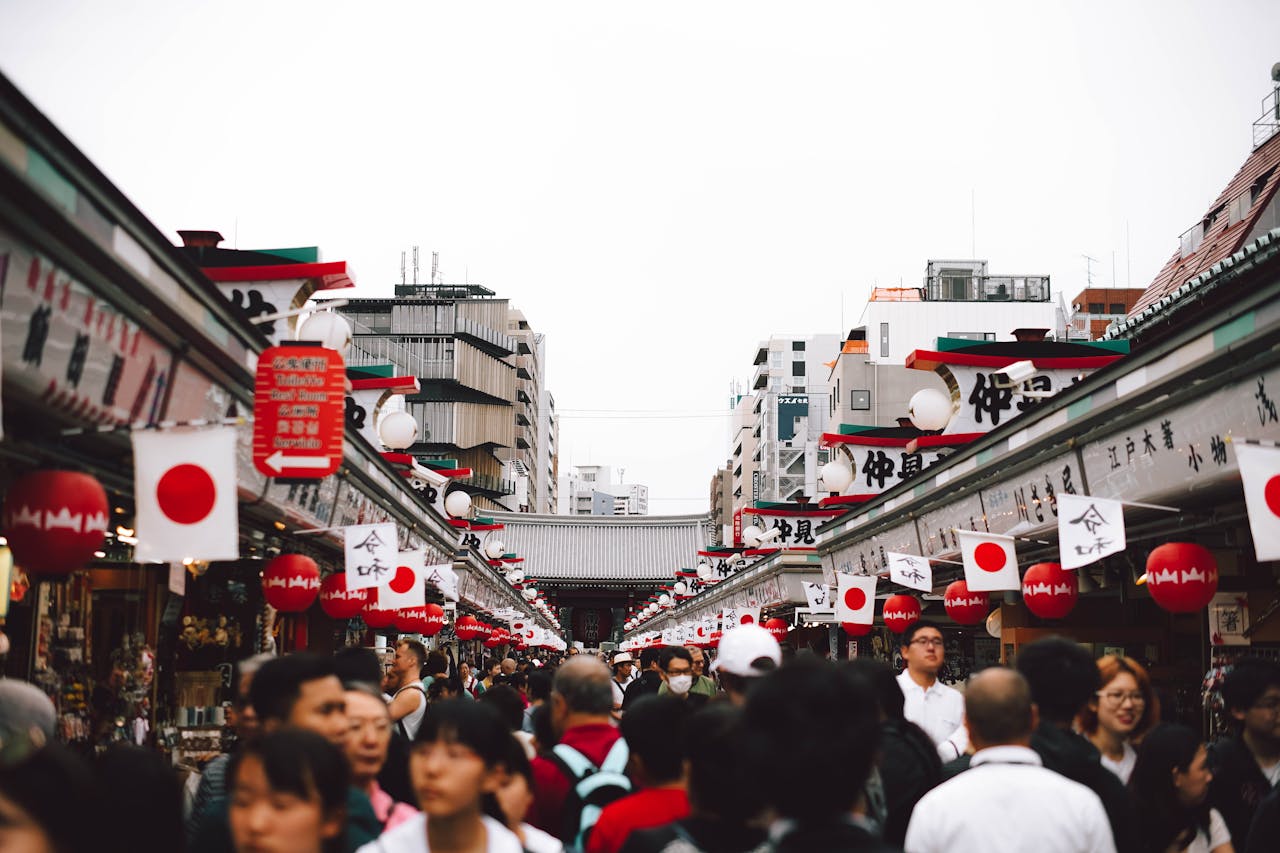
The sheer scale of Japanese domestic tourism during Golden Week is staggering. Bullet trains run at full capacity for days. Ryokan and hotel rooms in Kyoto, Nikko, and Hakone vanish months in advance. Iconic spots like Arashiyama’s bamboo grove, Fushimi Inari Shrine, and Tokyo’s Senso-ji temple in Asakusa become wall-to-wall people by mid-morning. Queue times at popular attractions regularly exceed 60 to 90 minutes.
And yet: Golden Week delivers experiences that off-peak travel simply cannot. Local matsuri (traditional festivals) take place across Japan throughout the week. Open-air markets, food stalls, and public celebrations fill parks and shrine grounds. The energy of an entire nation on holiday — relaxed, joyful, and out exploring — is infectious in the best possible way. The trick is experiencing this atmosphere without being crushed by it.
Which Alternative Destinations Should You Consider Instead?
The single most effective crowd-avoidance strategy for Golden Week is destination substitution. While most Japanese domestic tourists flow south and west toward Kyoto, Osaka, and Tokyo’s day-trip destinations, significant parts of the country remain genuinely uncrowded.
Tohoku (northern Honshu) is the standout alternative. Cities like Sendai, Matsushima, Hirosaki, and Aomori offer world-class temples, spectacular coastlines, and late-blooming cherry blossoms (Hirosaki’s famous sakura festival often falls right during Golden Week) — without the southern Japan crowds. Accommodation is cheaper, locals are often delighted to see foreign visitors, and the slower pace feels like a genuine contrast to the Golden Week frenzy elsewhere.
Shikoku, Japan’s fourth-largest island, is deeply undervisited year-round and especially peaceful during Golden Week. The Iya Valley’s vine bridges, Matsuyama’s Dogo Onsen (one of Japan’s oldest hot spring bathhouses), and the dramatic Shimanto River region offer outdoor adventures and cultural depth that rival anything in Kyoto — with a fraction of the crowds. The 88-temple pilgrimage route is active and atmospheric this time of year.
Kyushu draws fewer crowds than central Honshu during Golden Week, particularly in cities like Nagasaki, Kumamoto, and Kagoshima. Nagasaki’s extraordinary multicultural history, Kumamoto Castle’s ongoing restoration, and the volcanic drama of Sakurajima near Kagoshima all make for compelling itineraries. The Aso caldera is spectacular in late April and early May.
How Do You Actually Book Shinkansen for Golden Week?
Shinkansen reserved seats are the single most important booking you need to nail for a Golden Week trip. Here’s how JR ticketing works: reserved seats open for sale exactly one calendar month before the departure date, at 10:00 AM Japan Standard Time. For a journey on April 29, that means tickets go on sale March 29 at 10:00 AM JST.
Popular routes — particularly Tokyo to Kyoto/Osaka on the Tokaido Shinkansen and Tokyo to Sendai on the Tohoku Shinkansen — sell out within hours of going on sale, sometimes within minutes for the most convenient departure times. If you’re in Japan and have a JR Pass, visit a JR ticket office at opening time on the release date. If you’re planning from overseas, you can use the JR Ticket online booking system or ask your hotel concierge to assist once you arrive. The JR Pass itself is worth purchasing if you’re planning substantial rail travel — it covers both reserved-seat booking fees and the base fare on most Shinkansen routes.
Unreserved carriages exist on most Shinkansen trains and don’t require advance booking, but during Golden Week these fill to standing-room capacity almost immediately. Avoid unreserved carriages for any journey over 30 minutes during the peak days of April 29–May 5.
What Does Golden Week Cost Compared to Regular Travel?
Budget honestly for Golden Week — it is significantly more expensive than shoulder season travel in Japan. International flights from Sydney, Los Angeles, or London into Tokyo or Osaka typically run 30–60% higher during the Golden Week window than in March or early April. Book flights three to six months in advance to lock in better fares before the surge hits.
Hotel rates in major cities spike dramatically. A mid-range hotel in Shinjuku that costs ¥15,000 per night in February might run ¥28,000–¥35,000 during Golden Week. Ryokan in popular onsen towns like Hakone and Kinosaki are essentially unavailable at any reasonable price unless booked months out.
The good news: once you’re on the ground, day-to-day spending on food, convenience stores, transport (covered by JR Pass), and entry fees stays the same as any other time of year. Japan doesn’t implement surge pricing on meals or local attractions the way some destinations do. Your biggest cost exposures are flights and accommodation — get those sorted early.
What Stays Open and What Closes During Golden Week?
Major tourist infrastructure stays open throughout Golden Week — Shinkansen runs on full schedules, airports operate normally, convenience stores (7-Eleven, FamilyMart, Lawson) never close, department stores trade extended hours, and most restaurants in tourist areas stay busy and open. Theme parks like DisneySea, Universal Studios Japan, and Fuji-Q Highland operate at full capacity and reach their longest queue times of the year on May 3–5.
What does close: government offices, banks, post offices (for banking services), and many small, family-run restaurants and local shops — particularly on the three consecutive public holidays of May 3, 4, and 5. Some smaller museums operate reduced hours. Always check official websites or call ahead for specific venues, particularly independent restaurants and local cultural sites.
When to Book and How to Get There
The Golden Week booking timeline works backwards from your travel dates. Flights should be locked in four to six months ahead — ideally by November or December for an April/May trip. Accommodation in Tokyo, Kyoto, and Osaka needs to be confirmed by January or February at the latest. Shinkansen reserved seats open one month before travel (so from late March), and you should treat that release date as a calendar appointment.
Most international visitors fly into Tokyo (Narita or Haneda) or Osaka (Kansai International). From Tokyo, the Tohoku Shinkansen puts Sendai just 90 minutes away and Aomori under three hours — making a Tohoku Golden Week itinerary genuinely convenient. From Osaka, the Sanyo Shinkansen connects to Hiroshima in under 90 minutes, and Kyushu is accessible via the Kyushu Shinkansen from Hakata (Fukuoka).
If you’re flying in specifically for Golden Week, consider arriving a few days early — April 25–27 — to cover Tokyo or Osaka before the peak surge begins, then heading to your alternative destination as the main holiday period hits.
Frequently Asked Questions
- When exactly is Golden Week in Japan?
- Golden Week runs from April 29 to May 5 each year, anchored by Showa Day (April 29), Constitution Day (May 3), Greenery Day (May 4), and Children’s Day (May 5). Many Japanese workers extend the break by taking the days in between as annual leave, creating a travel surge that lasts from roughly April 27 through May 6.
- How far in advance should I book hotels for Golden Week?
- Book at least three to four months in advance for popular cities like Tokyo, Kyoto, and Osaka. Hotels in these cities sell out rapidly and prices can double or even triple compared to off-peak periods. For alternative destinations like Sendai, Matsuyama, or Nagasaki, six to eight weeks ahead is usually sufficient, but earlier is always better.
- When do Shinkansen tickets go on sale for Golden Week?
- JR releases reserved Shinkansen seats exactly one month before the travel date, at 10:00 AM Japan time. For Golden Week departures, that means tickets for April 29 go on sale March 29, for example. Log into the JR Ticket booking site or visit a JR ticket office the moment sales open — popular routes like Tokyo–Kyoto sell out within hours.
- Is Golden Week more expensive than normal travel periods?
- Yes, significantly so. Flights into Japan, hotel rates, and even some tour prices spike during Golden Week. International airfares from Australia, the USA, and the UK can be 30–60% higher than shoulder season. Domestic transport costs stay the same if you have a JR Pass, but accommodation in major cities can cost two to three times the standard rate.
- What is actually closed during Golden Week in Japan?
- Government offices, banks, and many smaller family-run restaurants and shops close during Golden Week, particularly on the actual public holidays (May 3–5). Major tourist attractions, department stores, theme parks, and convenience stores remain open — and are extremely busy. Some local izakayas and independent restaurants may post irregular hours, so always check ahead.
- Which parts of Japan are least crowded during Golden Week?
- Tohoku (northern Honshu), Shikoku, and most of Kyushu see far fewer domestic tourists during Golden Week than central Japan. Cities like Sendai, Aomori, Matsuyama, Kochi, Nagasaki, and Kumamoto offer authentic experiences without the crushing crowds of Kyoto or Tokyo. Inland rural areas — the Iya Valley in Shikoku or the Shimanto River region — are especially peaceful.
- Should I avoid Japan entirely during Golden Week?
- Not necessarily. Golden Week is a genuinely festive, exciting time to be in Japan — matsuri (festivals), hanami afterglow, and a celebratory atmosphere are real highlights. The key is strategy: avoid Kyoto’s Arashiyama and Fushimi Inari, Tokyo’s Asakusa, and peak-hour Shinkansen by planning around them rather than through them. With the right bookings and destination choices, Golden Week can be a brilliant time to visit.
Plan Your Japan Trip Today
Golden Week is one of the most exhilarating — and most demanding — times to travel Japan as a foreigner. With the right strategy, it’s genuinely brilliant: festivals, spring energy, and the full force of Japanese culture on display. Without a plan, it’s queues, sold-out trains, and overpriced rooms. Use the tips in this guide, book early, think beyond the obvious destinations, and you’ll experience a Golden Week that most visitors simply don’t have access to. Start planning now — your April 29 Shinkansen seat won’t wait.