
One of the most common questions first-time visitors ask is: when is the best time to visit Japan?
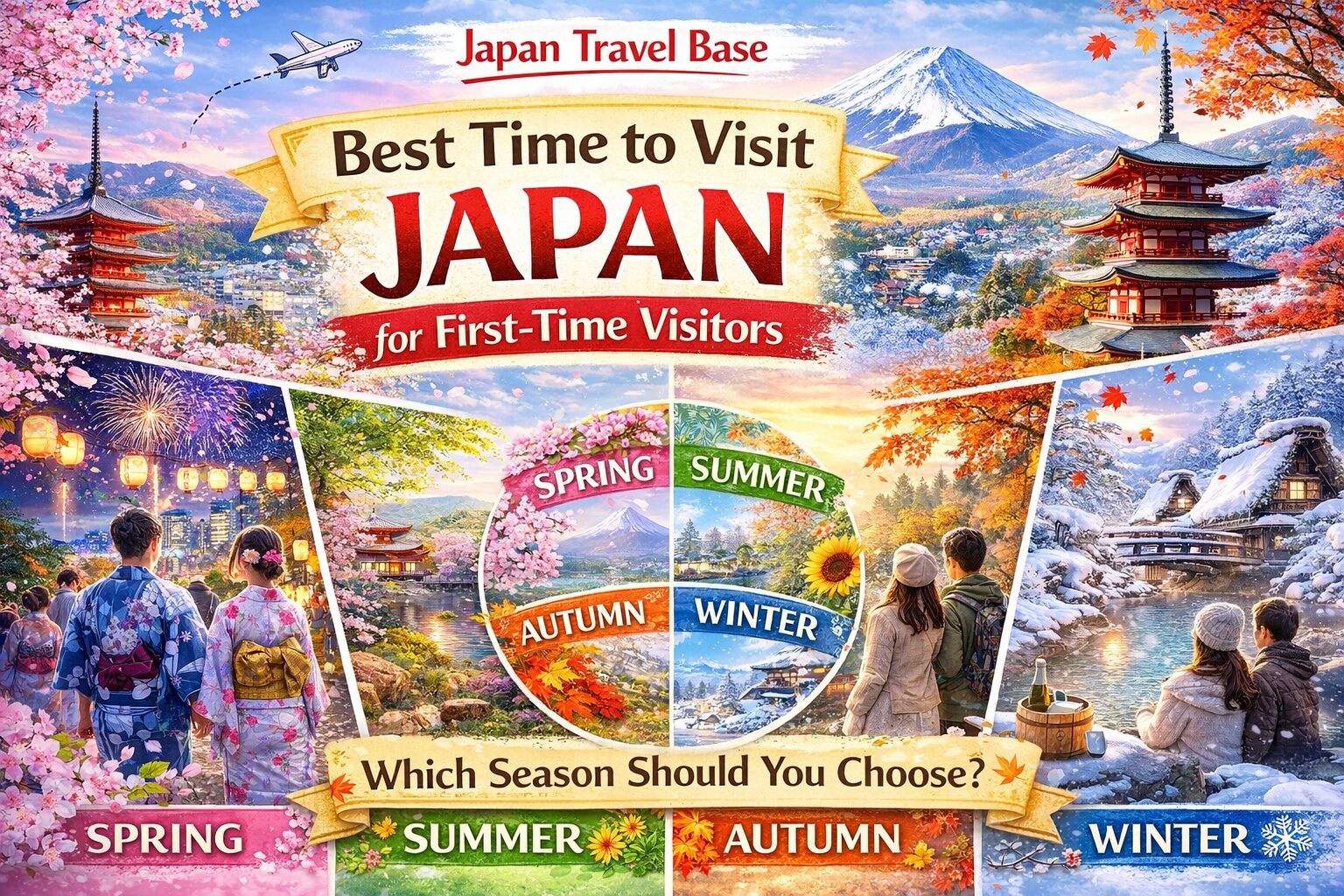
The truth is that there is no single perfect answer for everyone. Japan is worth visiting throughout the year, but the best time depends on what kind of trip you want.
Some travelers want cherry blossoms, others prefer autumn colors, and some care most about comfortable weather, fewer crowds, or lower travel costs.
This guide explains the best time to visit Japan for first-time visitors and helps you choose the season that fits your travel style.
1. Japan is a year-round destination
Japan has four distinct seasons, and each one offers a different travel experience.
That means the “best” time depends on what matters most to you:
- weather
- seasonal scenery
- crowds
- budget
- festivals
- city travel vs nature travel
For first-time visitors, the best season is often the one that matches their priorities rather than the one that looks most famous online.
2. Spring: best for cherry blossoms and classic first-trip atmosphere
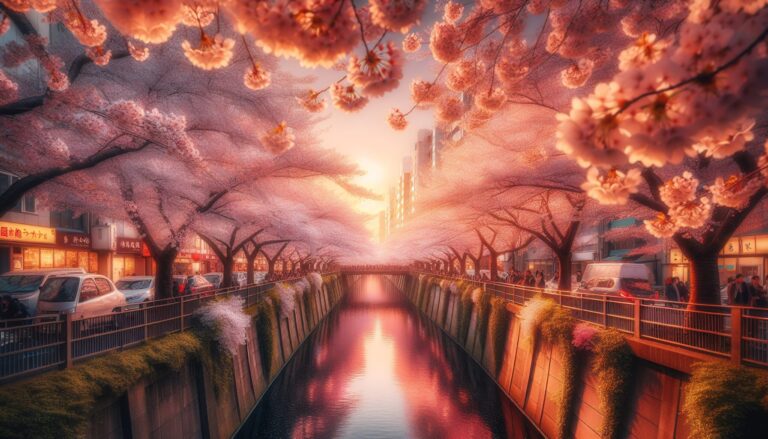
Spring is one of the most popular times to visit Japan, especially for first-time travelers.
This season is known for:
- cherry blossoms
- mild weather
- scenic parks and temple grounds
- a soft and memorable seasonal atmosphere
For many visitors, spring feels like the “dream Japan trip.”
Best for
- cherry blossom travel
- first-time visitors who want iconic seasonal scenery
- city trips mixed with parks, temples, and gardens
- travelers who enjoy mild weather
Possible downsides
- hotels can be expensive
- popular destinations become crowded
- bloom timing changes every year
- major spring periods are highly competitive
Spring is beautiful, but it also requires more planning than some travelers expect.
3. Summer: best for festivals, greenery, and energetic travel
Summer can be exciting, but it is not always the easiest season for first-time visitors.
This season is known for:
- festivals
- fireworks
- lush green scenery
- lively city energy
- seasonal events across the country
Best for
- travelers interested in festivals and events
- people who enjoy a more energetic atmosphere
- visitors going to specific summer destinations or seasonal experiences
Possible downsides
- hot and humid weather
- tiring city walking
- more physical travel stress for some visitors
Summer can be rewarding, but for many first-time visitors, it is less comfortable than spring or autumn.
4. Autumn: best for weather and autumn leaves
Autumn is one of the best seasons to visit Japan, especially for first-time visitors who want a balance of good weather and beautiful scenery.
This season is known for:
- colorful autumn leaves
- comfortable temperatures
- scenic temple and garden visits
- a relaxed and beautiful travel atmosphere
For many travelers, autumn is one of the easiest seasons to enjoy.
Best for
- first-time visitors who want comfortable weather
- travelers interested in seasonal scenery without cherry blossom pressure
- city trips, temple visits, and scenic walking
Possible downsides
- famous autumn spots can still be crowded
- hotel prices can rise in popular periods
- foliage timing changes by region and year
Autumn is often one of the strongest all-around choices for a first Japan trip.
5. Winter: best for quieter travel and seasonal experiences
Winter is often overlooked, but it can be a great season depending on your plans.
This season is known for:
- colder weather
- clearer air in many areas
- winter illuminations
- fewer crowds in some places
- seasonal food and atmosphere
Best for
- travelers who prefer quieter travel
- visitors interested in winter scenery or seasonal lighting
- people who want to avoid spring and autumn peak demand
Possible downsides
- colder temperatures
- shorter daylight hours
- some travelers may find sightseeing less comfortable in winter
Winter may not be the most obvious first choice, but it can be a very good option for certain travel styles.
6. Best season for first-time visitors overall
If you want the simplest overall answer, the best times to visit Japan for a first trip are often:
- spring, if you want cherry blossoms and classic seasonal atmosphere
- autumn, if you want comfortable weather and beautiful scenery
These two seasons are often the strongest options for first-time visitors because they offer:
- good sightseeing conditions
- memorable seasonal beauty
- a strong mix of city travel and cultural visits
If you care less about flowers or autumn leaves and more about lower pressure, winter can also be worth considering.
7. Which season is best for your travel style?
A simple way to decide is this:
Choose spring if you want:
- cherry blossoms
- classic first-trip atmosphere
- parks, temples, and seasonal beauty
- one of Japan’s most iconic travel seasons
Choose autumn if you want:
- cooler, comfortable weather
- autumn leaves
- scenic walking
- one of the easiest all-around seasons to enjoy
Choose summer if you want:
- festivals
- fireworks
- high-energy travel
- seasonal events
Choose winter if you want:
- fewer crowds in some periods
- colder-weather travel
- winter atmosphere
- a less typical first-trip season
8. Best season if you want lower stress
For many first-time visitors, the easiest season to enjoy is autumn.
Why?
- temperatures are often more comfortable
- walking is easier
- sightseeing can feel less physically demanding than summer
- the trip does not depend on cherry blossom timing
Spring is beautiful, but it can create pressure around bloom dates and hotel competition.
If you want a smoother and more flexible first trip, autumn is often the easiest answer.
9. Best season if you want lower prices
In general, the most expensive times are often the most popular sightseeing periods, especially:
- cherry blossom season
- major holiday periods
- peak autumn weeks in famous destinations
If your priority is a more budget-friendly trip, it is often better to avoid the most famous peak periods.
This does not mean cheap travel is impossible in spring or autumn, but it usually requires earlier booking and more flexibility.
For many first-time visitors, a less competitive travel window can make the whole trip easier and more affordable.
10. Best season for Tokyo, Kyoto, and Osaka
Tokyo
Tokyo works well year-round, but spring and autumn are often easiest for sightseeing.
Kyoto
Kyoto is especially beautiful in spring and autumn, but it also gets much busier during those seasons.
Osaka
Osaka is very flexible and enjoyable in most seasons, especially if food, nightlife, and city atmosphere are your priorities.
If your first trip includes all three cities, spring and autumn often give the best overall balance.
11. Common mistakes first-time visitors make
A few mistakes are very common.
Choosing only based on famous photos
A season may look beautiful, but weather, crowds, and cost matter too.
Underestimating hotel demand
Popular seasons can book out quickly in major cities.
Assuming seasonal timing is fixed
Cherry blossoms and autumn leaves change from year to year.
Ignoring travel comfort
Heat, cold, and crowding can affect the trip more than expected.
Trying to find one “perfect” answer
The best season depends on your own priorities.
12. Final thoughts
The best time to visit Japan for first-time visitors depends on what kind of trip you want.
If you want iconic seasonal beauty, spring is one of the most memorable choices. If you want comfortable weather and one of the easiest all-around travel seasons, autumn is often the strongest option.
Summer can be exciting for festivals, and winter can be a smart choice for travelers who want a different atmosphere and potentially less pressure.
There is no single perfect season for everyone. The best time is the one that matches your travel style, budget, and priorities.
🏨 Ready to Book Your Japan Trip?
Hotels fill up fast during cherry blossom season and autumn foliage. Lock in your dates early to get the best prices and availability.
Best price guarantee · Free cancellation on most hotels · No booking fees
Frequently Asked Questions
Spring (late March to early April) and autumn (mid-October to late November) are the best times for most first-time visitors. Spring offers cherry blossoms and mild weather; autumn offers colourful foliage and comfortable temperatures. Both seasons are ideal for sightseeing in Tokyo, Kyoto, and Osaka.
January and February are generally the cheapest months to visit Japan. Flights and hotels are at their lowest prices outside of New Year week. Winter travel is cold but quiet, and some destinations like Hokkaido are especially appealing for snow lovers.
Both are excellent. Choose spring if cherry blossoms are a priority — but book hotels early as demand is very high. Choose autumn if you want reliable comfortable weather without the pressure of timing your trip around blooms. Autumn foliage is stunning and the season tends to be slightly less crowded than cherry blossom peak.
Popular destinations like Kyoto, Tokyo’s Shinjuku Gyoen, and Osaka Castle Park get very crowded during cherry blossom season. Book accommodation 3–6 months in advance and visit famous spots early in the morning to avoid the busiest crowds.
Mid-summer (July–August) is the most challenging time for first-time visitors due to heat, humidity, and typhoon risk. The major Japanese holiday periods — Golden Week (late April to early May) and Obon (mid-August) — are also extremely busy and expensive.
Suggested internal links
- Japan Cherry Blossom Trip Guide
- Japan Autumn Trip Guide
- How Much Does a Trip to Japan Cost?
- Tokyo vs Kyoto vs Osaka for First-Time Visitors
- Tokyo 3-Day Itinerary for First-Time Visitors
- Kyoto 2-Day Itinerary for First-Time Visitors
- Osaka 2-Day Itinerary for First-Time Visitors
📍 Part of our Japan Travel Planning Guide — browse all related Japan guides in one place.