
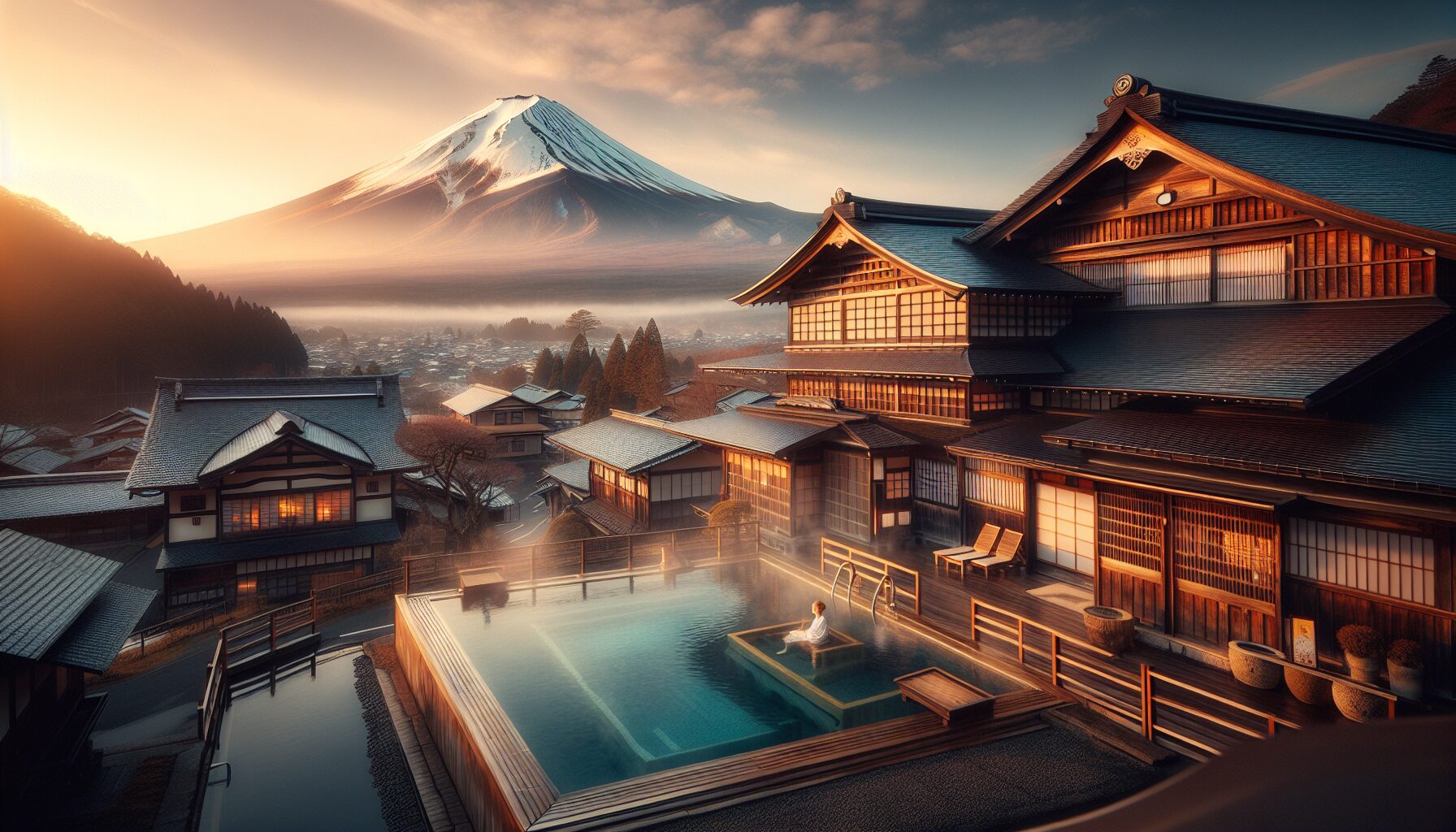

Nestled in the volcanic mountains southwest of Tokyo, Hakone represents the pinnacle of Japanese luxury travel experiences. This enchanting resort town offers the perfect blend of natural hot springs, world-class hospitality, and breathtaking Mount Fuji views that have captivated visitors for centuries. Whether you’re seeking a romantic getaway or simply want to immerse yourself in authentic Japanese culture, a luxury weekend in Hakone promises memories that will last a lifetime.
Getting to Hakone: The Romantic Romancecar Experience
Your luxury Hakone adventure begins with the iconic Romancecar train from Shinjuku Station. As of 2026, the newest GSE (Graceful Super Express) trains offer panoramic windows and premium seating that transforms the 85-minute journey into part of the experience itself. Reserved seats cost around $25 USD and include complimentary refreshments on select services.
The train winds through increasingly mountainous terrain, offering glimpses of rural Japan that feel worlds away from Tokyo’s urban intensity. Book window seats on the right side for the best Mount Fuji views on clear days. Pro tip: Download the Odakyu app for real-time seat availability and digital tickets.
Luxury Ryokan Accommodations by Price Tier
Ultra-Luxury Tier ($800-1,500+ per night)
At the pinnacle of Hakone hospitality, ryokan like Gora Kadan and Hoshinoya Hakone redefine luxury accommodation. These establishments feature private onsen baths, multi-course kaiseki dinners prepared by master chefs, and service that anticipates your every need. Rooms often include dedicated staff, premium sake selections, and seasonal decorations that change throughout your stay.
Premium Tier ($300-800 per night)
Ryokan such as Fukuzumiro and Yoshimatsu offer exceptional experiences with semi-private onsen access, traditional tatami rooms, and outstanding kaiseki cuisine. These properties strike the perfect balance between authenticity and modern comfort, featuring heated floors, high-quality yukata robes, and English-speaking staff.
Boutique Luxury Tier ($150-300 per night)
Properties like Hakone Ginyu and smaller intimate ryokan provide genuine Japanese hospitality without the ultra-premium price tag. Expect shared but high-quality onsen facilities, delicious regional cuisine, and warm personal service that makes solo travelers and couples feel equally welcome.
Onsen Etiquette: Your First-Time Guide
Experiencing onsen (hot spring baths) is central to any Hakone visit, but proper etiquette ensures everyone’s comfort and enjoyment. Here’s what first-timers need to know:
Before Entering the Bath
- Shower thoroughly at the washing stations using the provided soap and shampoo
- Rinse completely — no soap residue should enter the communal bath
- Tie long hair back to keep it out of the water
- Enter the bath slowly and quietly
In the Onsen
- Keep conversations quiet and relaxed
- Don’t swim or splash — onsen are for soaking and relaxation
- Use the small towel for modesty while walking, but don’t let it touch the bath water
- Soak for 10-15 minutes maximum to avoid overheating
Most luxury ryokan offer private family baths (kazoku-buro) that can be reserved for added privacy, perfect for couples or those still adjusting to communal bathing culture.
The Hakone Round Course: A Scenic Journey
The famous Hakone Round Course combines multiple transportation modes for a spectacular sightseeing circuit that showcases the region’s natural beauty. As of 2026, the entire loop can be completed in 4-6 hours, depending on stops and photo opportunities.
Hakone-Yumoto to Gora: Hakone Tozan Railway
This charming mountain railway zigzags up steep slopes through forests and past hot spring resorts. During hydrangea season (June-July), the train passes through tunnels of colorful blooms that create a magical atmosphere.
Gora to Sounzan: Funicular Railway
The short funicular ride offers increasingly dramatic mountain views as you ascend to the ropeway station. The journey takes just 9 minutes but provides excellent photo opportunities of the surrounding peaks.
Sounzan to Owakudani to Togendai: Hakone Ropeway
The ropeway (cable car) system offers the most spectacular views of the entire circuit. On clear days, Mount Fuji dominates the horizon while Lake Ashi stretches below. The stop at Owakudani volcanic valley is essential for experiencing active sulfur vents and trying the famous black eggs (kuro-tamago) boiled in the hot springs.
Lake Ashi Pirate Ship Cruise
Complete the circuit with a scenic boat cruise across Lake Ashi aboard replica pirate ships. The 30-minute journey offers unobstructed Mount Fuji views (weather permitting) and photo opportunities with the iconic Hakone Shrine torii gate standing in the water.
Cultural Highlights and Attractions
Hakone Open Air Museum
This world-renowned sculpture park seamlessly blends art with Hakone’s natural mountain setting. The museum features works by international artists including Henry Moore and Auguste Rodin, while the Picasso Pavilion houses Japan’s largest collection of the master’s works. The foot-soaking hot spring within the museum grounds provides a uniquely Japanese art appreciation experience.
As of 2026, admission costs $16 USD for adults, with special evening illumination events during peak seasons creating magical nighttime visits.
Hakone Shrine
Dating back over 1,200 years, this sacred shrine complex nestles among towering cedar trees at Lake Ashi’s edge. The iconic vermillion torii gate standing in the water has become one of Japan’s most photographed landmarks. Visit early morning or late afternoon for the best lighting and fewer crowds.
Kaiseki Cuisine: A Culinary Journey
Kaiseki dining at your ryokan represents centuries of culinary refinement, with each course carefully crafted to reflect the season and showcase local ingredients. Expect to encounter:
- Seasonal specialties: Wild mountain vegetables, fresh river fish, and local mushrooms
- Regional delicacies: Hakone specialties like yuba (tofu skin) and locally-sourced wasabi
- Artistic presentation: Each dish doubles as visual art, often incorporating seasonal flowers or leaves
- Premium ingredients: High-end properties feature wagyu beef, premium seafood, and rare seasonal items
Many ryokan accommodate dietary restrictions with advance notice, though vegetarian and vegan options may be limited at traditional establishments.
Best Time to Visit and Weather Considerations
Hakone’s appeal varies dramatically by season, each offering distinct advantages for luxury travelers:
- Spring (March-May): Cherry blossoms and mild weather, though Mount Fuji visibility can be limited
- Summer (June-August): Lush greenery and hydrangea blooms, but higher humidity and occasional rain
- Autumn (September-November): Spectacular fall colors and crisp, clear days with excellent Mount Fuji views
- Winter (December-February): Snow-capped mountains, cozy onsen experiences, and the best Mount Fuji visibility
Luxury travelers should note that many premium ryokan require advance reservations, especially during peak seasons like Golden Week (early May) and autumn foliage season (late November).
Plan Your Japan Trip Today
A luxury weekend in Hakone offers an unmatched introduction to traditional Japanese hospitality and natural beauty. From soaking in mineral-rich onsen waters while gazing at Mount Fuji to savoring expertly prepared kaiseki cuisine, every moment becomes part of an extraordinary cultural journey. Start planning your Hakone luxury escape today and discover why this mountain resort has remained Japan’s premier hot spring destination for over a millennium.
📍 Part of our Japan Destinations Guide — browse all related Japan guides in one place.