
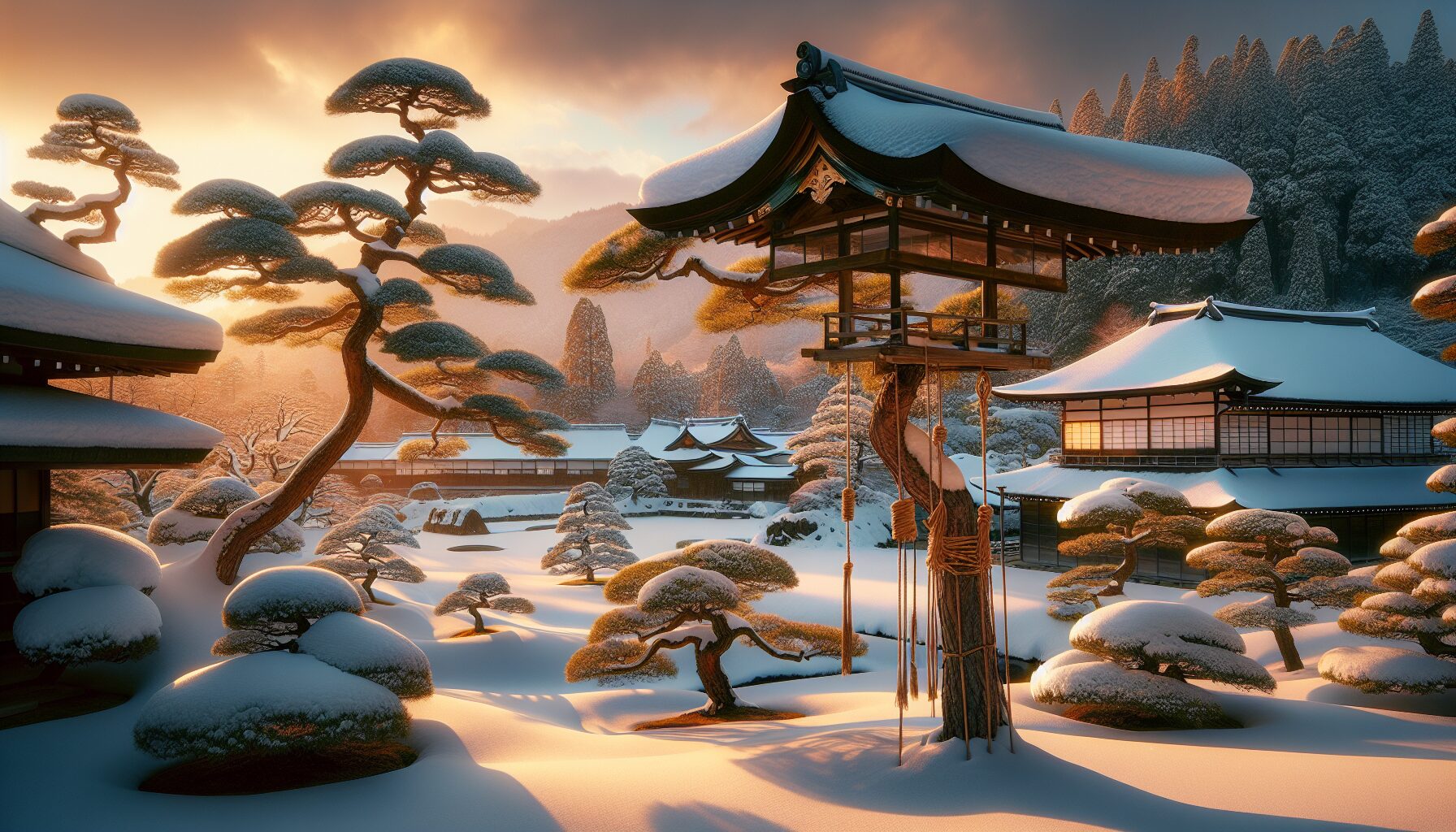

While millions flock to Tokyo and Kyoto, savvy travelers are discovering Kanazawa—Japan’s most beautifully preserved cultural treasure. This elegant city on the Japan Sea coast offers an authentic glimpse into Edo-period Japan, complete with immaculate gardens, traditional districts, and culinary excellence that rivals anywhere in the country. As of 2026, Kanazawa remains refreshingly uncrowded compared to other major destinations, making it the perfect addition to your Japan itinerary.
What makes Kanazawa truly special is its remarkable preservation of historical architecture and culture. Unlike many Japanese cities that were heavily bombed during World War II, Kanazawa was largely spared from destruction, allowing centuries-old districts and traditions to survive intact. Today, visitors can stroll through authentic geisha quarters, explore pristine gardens, and experience living history in one of Japan’s most underrated destinations.
Getting to Kanazawa: Shinkansen Access Made Easy
Kanazawa became dramatically more accessible in 2015 with the extension of the Hokuriku Shinkansen, and as of 2026, it remains one of Japan’s most convenient day trips or multi-day destinations from Tokyo. The journey takes approximately 2 hours and 30 minutes from Tokyo Station, with tickets costing around ¥14,000 ($95 USD) for a reserved seat.
For international visitors, the JR Pass covers the Hokuriku Shinkansen to Kanazawa, making it an excellent value proposition. The route offers stunning mountain views, particularly of the Japanese Alps, making the journey itself part of the experience.
Kenroku-en Garden: One of Japan’s Three Great Gardens
No visit to Kanazawa is complete without experiencing Kenroku-en, consistently ranked among Japan’s top three landscape gardens alongside Kairaku-en in Mito and Koraku-en in Okayama. The name literally means “six attributes garden,” referring to the six qualities that create the perfect garden according to Chinese landscape theory: spaciousness, seclusion, artifice, antiquity, water courses, and panoramic views.
What Makes Kenroku-en Special
Originally developed in the 1670s as the outer garden of Kanazawa Castle, Kenroku-en showcases different seasonal beauty throughout the year:
- Spring (March-May): Over 400 cherry trees create spectacular hanami viewing opportunities
- Summer (June-August): Lush greenery and traditional yukitsuri snow protection preparations
- Autumn (September-November): Brilliant maple foliage reflected in tranquil ponds
- Winter (December-February): Famous yukitsuri rope structures protecting trees from heavy snow
The garden’s most photographed feature is the iconic Kotoji-toro, a two-legged stone lantern that has become Kanazawa’s symbol. Entry costs ¥320 ($2.20 USD) for adults, with combination tickets available for nearby attractions.
Kanazawa Castle: Reconstructed Edo Period Grandeur
Adjacent to Kenroku-en, Kanazawa Castle showcases impressive reconstruction work that brings Edo-period architecture to life. While the original castle was largely destroyed by fire in 1881, meticulous restoration using traditional techniques has recreated several key structures, including the impressive Ishikawa-mon Gate and the Kahoku-mon Gate.
Castle Highlights
The castle grounds offer excellent examples of Japanese defensive architecture and provide context for understanding the power of the Maeda clan, who ruled the region for over 280 years. The reconstructed Gojukken Nagaya storehouse and Hishi Yagura watchtower showcase traditional carpentry techniques using no nails—only wooden joints and precise craftsmanship.
Historic Districts: Living Museums of Japanese Culture
Higashichaya District: The Geisha Quarter
The Higashichaya district transports visitors back to the Edo period with its beautifully preserved tea houses where geiko (Kanazawa’s term for geisha) still entertain guests. This atmospheric district features:
- Traditional ochaya (tea houses) with distinctive wooden lattice fronts
- Shima Tea House—a preserved historic tea house open as a museum
- Kaikaro—an active tea house where you can experience traditional entertainment
- Artisan workshops selling exquisite crafts and gold leaf products
Evening visits offer the best atmosphere, as warm light filters through wooden lattices and the possibility of glimpsing geiko en route to appointments adds authenticity to the experience.
Nagamachi Samurai District: Warrior Heritage Preserved
The Nagamachi district showcases how samurai families lived during the Edo period. Well-preserved residences feature:
- Traditional earthen walls with tile caps for protection
- The Nomura Samurai Family Residence—a beautifully maintained home with an exquisite garden
- Shinise Kinenkan Museum showcasing merchant culture
- Traditional shops selling local crafts and delicacies
The narrow lanes and traditional architecture create an immersive historical experience that feels remarkably authentic compared to more touristy reconstructions elsewhere in Japan.
Omicho Market: Kanazawa’s Kitchen
Operating for over 280 years, Omicho Market serves as Kanazawa’s culinary heart. This bustling market offers exceptional access to the region’s famous seafood, thanks to Kanazawa’s position on the Japan Sea coast.
Market Specialties
As of 2026, the market features nearly 200 stalls and shops offering:
- Nodoguro (blackthroat seaperch): Premium local fish considered among Japan’s finest
- Winter crab: Zuwaigani (snow crab) and kobako-gani (female snow crab)
- Kanazawa vegetables: Kaga yasai including sweet potatoes and lotus root
- Fresh kaisendon: Seafood bowls featuring ultra-fresh sashimi
Many stalls offer prepared foods perfect for breakfast or lunch, with prices ranging from ¥800-2,500 ($5.50-17 USD) for substantial meals. The market opens early (around 5:00 AM for wholesale, 9:00 AM for retail) and provides an authentic local experience.
21st Century Museum of Contemporary Art: Modern Meets Traditional
Kanazawa’s commitment to arts and culture extends beyond historical preservation. The 21st Century Museum of Contemporary Art, designed by SANAA architects, opened in 2004 and has become a cultural landmark.
Museum Highlights
The circular glass building houses rotating exhibitions and permanent installations, including Leandro Erlich’s famous “Swimming Pool”—an optical illusion that creates the sensation of viewing a pool from underwater. The museum successfully bridges Kanazawa’s traditional culture with contemporary artistic expression.
Admission varies by exhibition, with permanent collection access costing ¥450 ($3 USD) for adults. Special exhibitions range from ¥1,000-1,800 ($7-12 USD).
Kanazawa’s Artisan Heritage
Kanazawa’s cultural preservation extends to traditional crafts that continue thriving today. The city is renowned for:
- Gold leaf production: Japan produces 99% of its gold leaf in Kanazawa
- Kutani porcelain: Distinctive ceramic ware with bold colors and patterns
- Kaga yuzen: Elegant silk dyeing technique
- Lacquerware: Both traditional and contemporary designs
Many workshops offer hands-on experiences where visitors can try these traditional techniques, creating personalized souvenirs while supporting local artisans.
Seasonal Considerations and Best Times to Visit
Kanazawa offers distinct seasonal experiences that cater to different preferences:
- Spring (March-May): Cherry blossoms and mild weather, but higher accommodation prices
- Summer (June-August): Lush gardens and festivals, but humid conditions
- Autumn (September-November): Spectacular foliage and comfortable temperatures
- Winter (December-February): Snow-covered landscapes and famous yukitsuri, plus excellent crab season
As of 2026, advance bookings are recommended during cherry blossom season and autumn foliage periods, when domestic tourism peaks.
Plan Your Japan Trip Today
Kanazawa offers an unparalleled combination of preserved Edo-period culture, natural beauty, culinary excellence, and accessibility that makes it essential for understanding Japan beyond the typical tourist circuit. Whether you’re interested in traditional gardens, historical districts, contemporary art, or exceptional cuisine, Kanazawa delivers authentic experiences without the overwhelming crowds found in other major destinations.
The city works perfectly as either a day trip from Tokyo or as a multi-day base for exploring the Hokuriku region. With the convenience of Shinkansen access and the authenticity of centuries-preserved culture, Kanazawa represents the best of both traditional and modern Japan. Start planning your visit to this remarkable city and discover why increasing numbers of travelers consider it Japan’s most rewarding cultural destination.