
Choosing the best area to stay in Osaka for first timers can feel overwhelming when you’re staring at a map full of unfamiliar neighbourhood names. Osaka is Japan’s vibrant kitchen, comedy capital, and neon-lit playground all rolled into one — but where you base yourself dramatically shapes your experience. Three neighbourhoods consistently top the list for first-time visitors: Namba, Shinsaibashi, and Umeda. Each offers a distinct personality, price point, and set of advantages. In this guide, we’ll break down the differences between these three powerhouse districts so you can confidently book your accommodation and spend less time commuting and more time eating takoyaki.
Quick Comparison Table
Before we dive into the details, here’s a side-by-side snapshot of what each neighbourhood offers. Use this as your cheat sheet when weighing up your options.
| Area | Vibe | Best For | Price Range | Transit Access |
|---|---|---|---|---|
| Namba | Loud, colourful, tourist-friendly | First-timers, foodies, sightseers | $$–$$$ | Excellent — Nankai, Midosuji, JR lines |
| Shinsaibashi | Trendy, fashionable, energetic nightlife | Couples, shoppers, nightlife lovers | $$–$$$$ | Great — Midosuji Line, walkable to Namba |
| Umeda | Modern, polished, business-oriented | Business travellers, families, day-trippers | $$$–$$$$ | Excellent — JR Osaka Station, Hankyu, Hanshin lines |
Namba — The Heart of Osaka Tourism
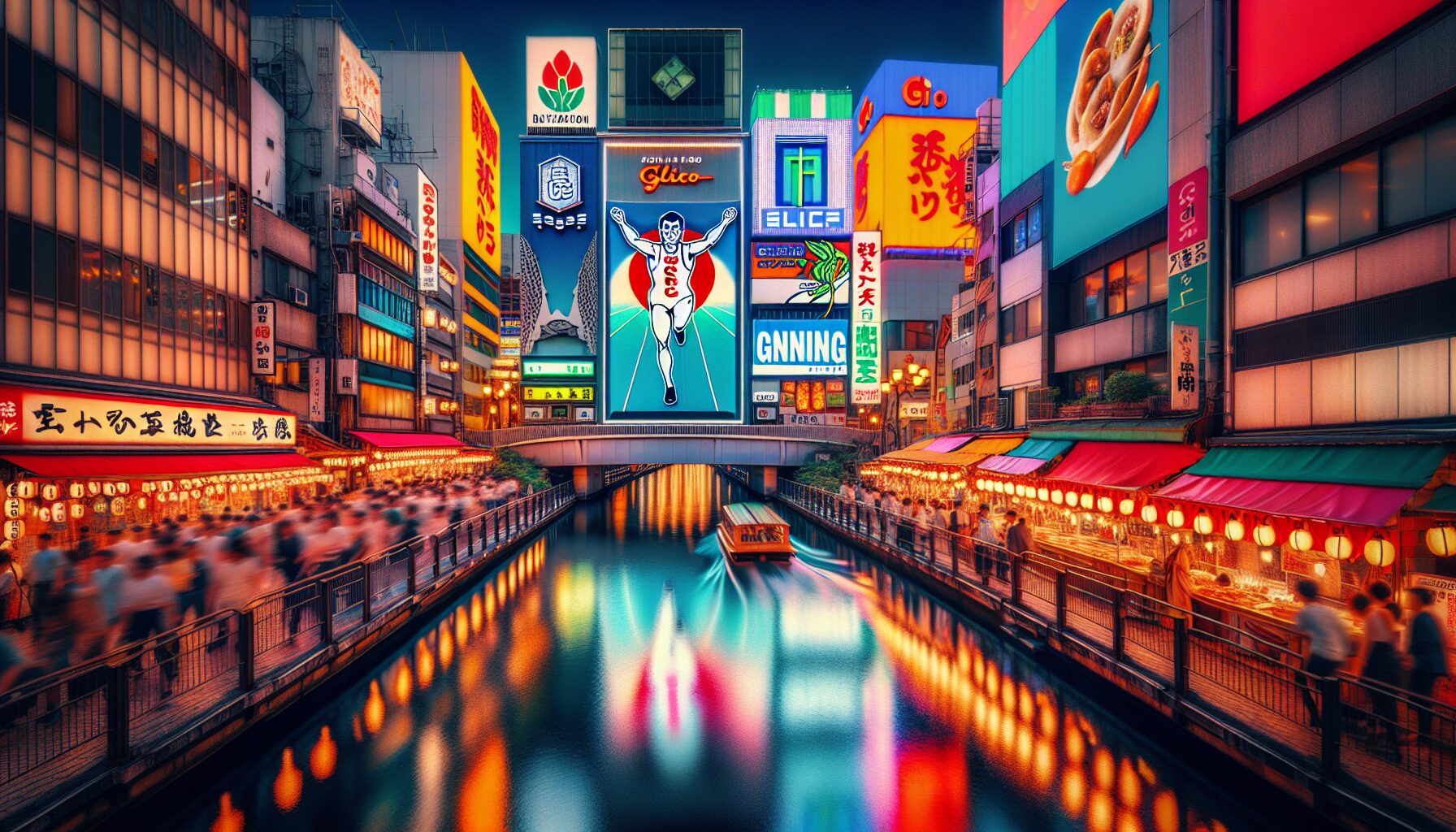
If there’s one neighbourhood that screams “Osaka,” it’s Namba. This is where you’ll find the iconic Glico Running Man sign overlooking Dotonbori Canal, streets packed with street food vendors grilling okonomiyaki and kushikatsu, and a relentless energy that buzzes from morning until well past midnight. For first-time visitors who want to plunge headfirst into the Osaka experience, Namba is the most logical and rewarding home base.
Namba’s greatest strength is its walkability. Within a 15-minute radius on foot, you can reach Dotonbori, Kuromon Market (often called “Osaka’s Kitchen”), Namba Parks, Nipponbashi (Den Den Town for electronics and anime), and the southern end of Shinsaibashi-suji shopping arcade. You don’t need to touch a subway card for most of the major attractions — they’re literally at your doorstep.
Transit connections are equally impressive. Namba Station serves as a hub for the Nankai Line (direct service to Kansai International Airport in about 45 minutes on the Rapi:t express), the Midosuji subway line (connecting you to Umeda in roughly 10 minutes), and the JR Yamatoji Line. Whether you’re heading to Nara, Kyoto, or the airport, you’ll find a convenient route departing from Namba.
Pros:
- Walking distance to Dotonbori, Kuromon Market, and major sightseeing spots
- Direct airport access via Nankai Rapi:t
- Enormous range of hotels from budget capsules to luxury brands
- Street food and restaurant options are virtually unlimited
- Vibrant atmosphere day and night
Cons:
- Can be noisy, especially rooms facing Dotonbori or main streets
- Extremely crowded on weekends and holidays
- Not the most relaxing neighbourhood if you prefer quiet evenings
- Some budget accommodations sacrifice space for location
Best hotel types in Namba: You’ll find everything here — international chains like Swissôtel Nankai Osaka (directly above Nankai Namba Station), well-designed business hotels like Dormy Inn and Candeo Hotels, trendy hostels for solo travellers, and traditional ryokan-style guesthouses tucked into quieter side streets. For first timers, a mid-range hotel within a 5-minute walk of Namba Station hits the sweet spot between convenience and comfort.
Search Osaka hotels in this area on Booking.com →
Shinsaibashi — Shopping and Nightlife Central
Walk ten minutes north of Namba and the vibe shifts. Shinsaibashi is Osaka’s fashion district, anchored by the 600-metre Shinsaibashi-suji covered shopping arcade — one of the oldest and longest in Japan. By day, it’s a retail paradise filled with international luxury brands, Japanese boutiques, drugstores stocked with beauty products, and quirky independent shops. By night, the neighbouring Amerikamura (“America Village”) district transforms into a hub for bars, live music venues, and late-night dining.
Shinsaibashi occupies a sweet middle ground between the tourist intensity of Namba and the corporate polish of Umeda. It feels slightly more sophisticated — you’ll notice more upscale dining options, cocktail bars, and boutique hotels compared to Namba’s street-food-and-neon character. Yet it’s still undeniably fun, especially if you enjoy exploring backstreet izakayas and discovering hidden cafés.
The location is incredibly strategic. Shinsaibashi Station sits on the Midosuji Line, putting you one stop south of Namba and a direct ride north to Umeda. Because Shinsaibashi and Namba essentially bleed into each other, staying here gives you walkable access to Dotonbori and all of Namba’s attractions while providing a slightly quieter place to sleep at the end of the night — particularly if you choose a hotel on the western or eastern edges of the district.
Pros:
- Premier shopping district with hundreds of stores
- Walking distance to both Namba and Dotonbori
- Excellent nightlife scene in Amerikamura and surrounding streets
- Good mix of upscale and mid-range accommodation
- Slightly less tourist-saturated than Dotonbori’s immediate vicinity
Cons:
- No direct airport train — you’ll need to connect via Namba or Umeda
- Hotel prices tend to run slightly higher than comparable Namba options
- The Amerikamura area can get rowdy on weekend nights
- Fewer budget and capsule hotel options compared to Namba
Shinsaibashi is an outstanding pick for couples looking for a blend of shopping, dining, and nightlife, and for travellers who want to be close to the action without sleeping directly above it. The area has seen a wave of stylish new hotel openings in recent years, including properties from W Hotels, Bespoke Hotel, and several well-reviewed design-forward Japanese chains.
Search Osaka hotels in this area on Booking.com →
Umeda — Business District Meets Traveller Convenience
Umeda, centred around JR Osaka Station and the massive Grand Front Osaka complex, is Osaka’s northern powerhouse. Gleaming skyscrapers, vast underground shopping malls, department stores, and some of the city’s best observation decks (the free Umeda Sky Building rooftop is a must) define this district. If Namba is Osaka’s loud, playful soul, Umeda is its polished, efficient brain.
For travellers planning extensive day trips, Umeda offers arguably the best transit connectivity in the entire Kansai region. JR Osaka Station provides direct service to Kyoto (about 30 minutes on the JR Special Rapid), Kobe (25 minutes), and Himeji. The Hankyu and Hanshin private railways depart from adjacent terminals, offering additional routes to Kyoto, Kobe, and Takarazuka. If your Osaka trip includes multiple day trips — which is extremely common for first-timers — Umeda’s rail network will save you meaningful commuting time every single day.
The trade-off is that Umeda lacks the chaotic, street-level charm that makes Osaka’s southern districts so photogenic and memorable. You won’t stumble across tiny takoyaki stands or neon-drenched alleyways quite the same way. The dining scene is excellent but tends more toward department store restaurants, upscale izakayas, and hotel dining rather than street food.
Pros:
- Best transit hub for day trips to Kyoto, Kobe, Nara, and Himeji
- Modern, spacious hotels — rooms tend to be larger than southern Osaka equivalents
- Less crowded and more organised streetscape
- Outstanding department store shopping and underground malls
- Family-friendly environment with wider sidewalks and less nightlife noise
Cons:
- Feels less distinctly “Osaka” — could be any major Japanese city’s business district
- Further from Dotonbori, Namba, and Shinsekai (15–20 minutes by subway)
- Generally higher hotel prices, especially near JR Osaka Station
- The underground mall system can be confusing to navigate at first
- Airport access requires a transfer unless using the Haruka express to Shin-Osaka
Umeda works best for families who value space and calm, business travellers, and anyone who plans to spend more time exploring the wider Kansai region than Osaka itself. Hotels near JR Osaka Station include established brands like Granvia Osaka, Hotel Hankyu International, InterContinental, and a growing number of well-priced business hotels a few blocks from the station.
Search Osaka hotels in this area on Booking.com →
Which Area Is Right for You?
Your ideal neighbourhood depends on your travel style, budget, and priorities. Here’s a quick breakdown by traveller type to help you decide.
Families with kids: Umeda is the most comfortable choice. Hotels offer larger rooms, the streets are less hectic, and you’re well-connected for day trips. That said, families who want to be closer to the fun and don’t mind tighter quarters will love Namba — kids go wild for the street food and energy of Dotonbori.
Solo travellers: Namba is your playground. The density of hostels, capsule hotels, and affordable eateries is unmatched. You’ll never feel bored or lonely walking the streets of Dotonbori and Namba at night, and the transit connections make independent exploration effortless.
Couples: Shinsaibashi delivers the best blend of romance, shopping, dining, and nightlife. Book a boutique hotel, stroll the covered arcade by day, explore cocktail bars in Amerikamura at night, and walk to Dotonbori for late-night ramen. It’s the Goldilocks zone.
Budget travellers: Namba offers the widest range of affordable accommodation, including excellent capsule hotels, hostels, and no-frills business hotels. Prices drop noticeably even a few blocks away from Dotonbori’s immediate surroundings, so look for properties in the Nipponbashi or south Namba area for the best deals.
Day-trip-focused itineraries: If you’re spending most of your days in Kyoto, Nara, or Kobe and just sleeping in Osaka, Umeda’s JR Station access is hard to beat. You’ll shave 10–15 minutes off each journey compared to departing from Namba.
Frequently Asked Questions
Is Namba or Umeda better for first-time visitors to Osaka?
For most first-time visitors, Namba is the better choice. It puts you within walking distance of Osaka’s most iconic attractions — Dotonbori, Kuromon Market, and Shinsekai — and provides direct airport access via the Nankai Line. Umeda is a stronger pick only if your itinerary is heavily focused on day trips to Kyoto, Kobe, or Himeji, or if you prefer a quieter, more modern hotel environment.
Can you walk between Namba and Shinsaibashi?
Yes, easily. The two neighbourhoods are directly connected by the Shinsaibashi-suji covered shopping arcade and the Midosuji boulevard. Walking from Shinsaibashi Station to Namba Station takes approximately 10–15 minutes at a comfortable pace. Many visitors don’t even realise they’ve crossed from one district into the other. This is exactly why staying in either area gives you convenient access to both.
📍 Part of our Osaka Travel Guide — browse all related Japan guides in one place.