
Japan’s Kansai region offers travelers the perfect cultural double-header: Osaka’s legendary food scene and neon-lit energy paired with Kyoto’s timeless temples and traditional charm. These two iconic cities sit just 30 minutes apart by train, making them ideal companions for any Japan itinerary. Whether you’re craving the best takoyaki in Dotonbori or seeking zen among Kyoto’s bamboo groves, this comprehensive guide covers everything you need to know about exploring both destinations in 2026.
With record tourist numbers visiting Japan in 2026, planning ahead is more crucial than ever. This guide will help you navigate the must-see attractions, discover hidden gems, and make the most of your time in these unforgettable cities.
Getting to Osaka and Kyoto
Most international visitors arrive through Kansai International Airport (KIX), perfectly positioned between both cities. The airport offers direct connections to major destinations worldwide, with flight times of around 9 hours from Sydney, 12 hours from Los Angeles, and 11 hours from London.
From KIX, the Kansai Airport Express (HARUKA) reaches Kyoto in 75 minutes (¥3,600/$24 USD) or Osaka in 45 minutes (¥2,900/$19 USD). The Airport Express also accepts IC cards like ICOCA, which you can load with funds for seamless travel throughout the region.
JR Pass Considerations for 2026
The JR Pass received significant price increases in late 2023, with 7-day passes now costing around $430-440 USD. For Osaka-Kyoto focused trips, consider the JR Kansai Area Pass (1-4 days, $28-55 USD) which covers local JR trains, the HARUKA express, and travel between the cities.
Osaka: Japan’s Kitchen Awaits
Osaka earned its nickname “Japan’s Kitchen” through centuries of culinary innovation. This vibrant city pulses with energy, from the neon signs of Dotonbori to the bustling alleys of Shinsekai. Beyond the food, Osaka offers modern attractions, historical sites, and that famous Kansai friendliness.
Dotonbori: The Heart of Osaka
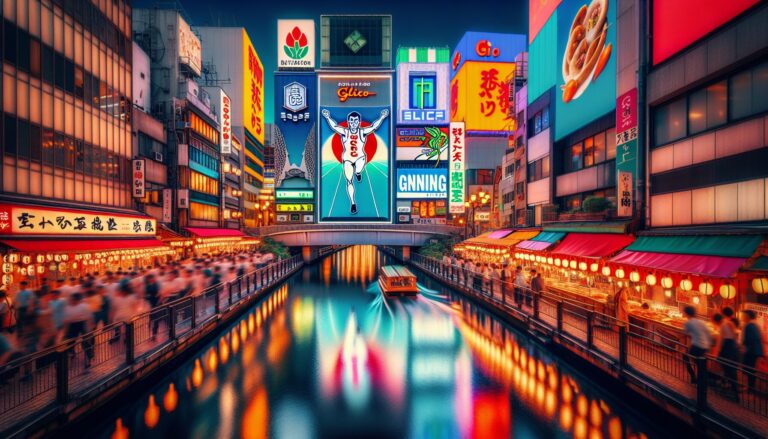
No Osaka visit is complete without experiencing Dotonbori’s sensory overload. This entertainment district along the Dotonbori Canal features giant mechanical signs, including the famous Glico Running Man and moving crab. The area comes alive after dark, making it perfect for evening food crawls.
Must-try food spots in Dotonbori include:
- Takoyaki Daruma Kushikatsu: The original kushikatsu (fried skewers) restaurant, famous for its “no double-dipping” rule
- Takoyaki Museum: Sample different takoyaki styles from multiple vendors under one roof
- Ichiran Ramen: Experience solo dining booths and customize your tonkotsu ramen perfectly
- Pablo Cheese Tart: Osaka’s famous “baked cheese tart” that’s become a nationwide sensation
Kuromon Market: Fresh Flavors and Local Life
Known as “Osaka’s Kitchen,” Kuromon Market spans 600 meters with over 150 shops selling everything from ultra-fresh sashimi to exotic fruits. This 190-year-old market offers an authentic glimpse into local food culture, away from the tourist crowds of Dotonbori.
Market highlights include:
- Fresh tuna sashimi from Kuromon Sanpei (prepared while you wait)
- Wagyu beef skewers grilled on-site
- Seasonal fruits like perfectly ripe white strawberries (winter) or premium melons (summer)
- Traditional sweets and mochi from century-old shops
Pro tip: Visit in the morning (9-11 AM) for the freshest selection and smaller crowds. Many vendors now accept cashless payments including IC cards and PayPay.
Beyond Food: Osaka’s Cultural Attractions
While food dominates most Osaka itineraries, the city offers compelling cultural experiences:
- Osaka Castle: Japan’s most famous concrete reconstruction, featuring modern museum exhibits and city views
- Sumiyoshi Taisha: One of Japan’s oldest Shinto shrines, predating Buddhism’s arrival
- Shinsekai: Retro district perfect for kushikatsu and old-school arcade games
- Universal Studios Japan: Home to the Wizarding World of Harry Potter and Nintendo World
Kyoto: Where Tradition Lives
Former imperial capital Kyoto preserves Japan’s cultural heart through 2,000 temples, traditional districts, and seasonal beauty. Despite overtourism concerns in 2026, strategic timing and route planning ensure meaningful experiences in this UNESCO World Heritage city.
Fushimi Inari: The Thousand Torii Gates
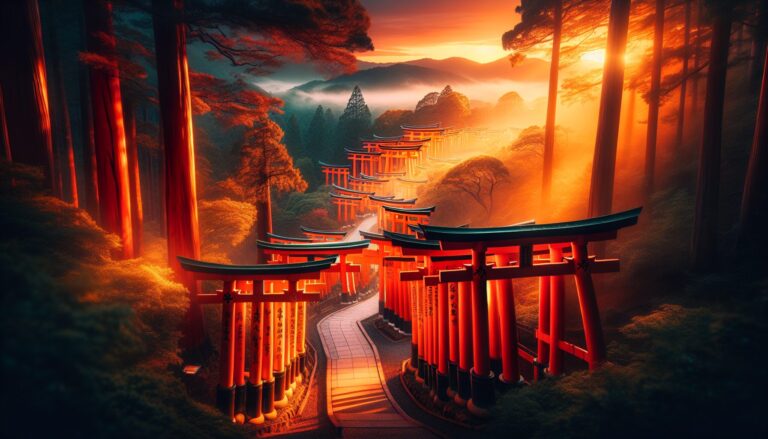
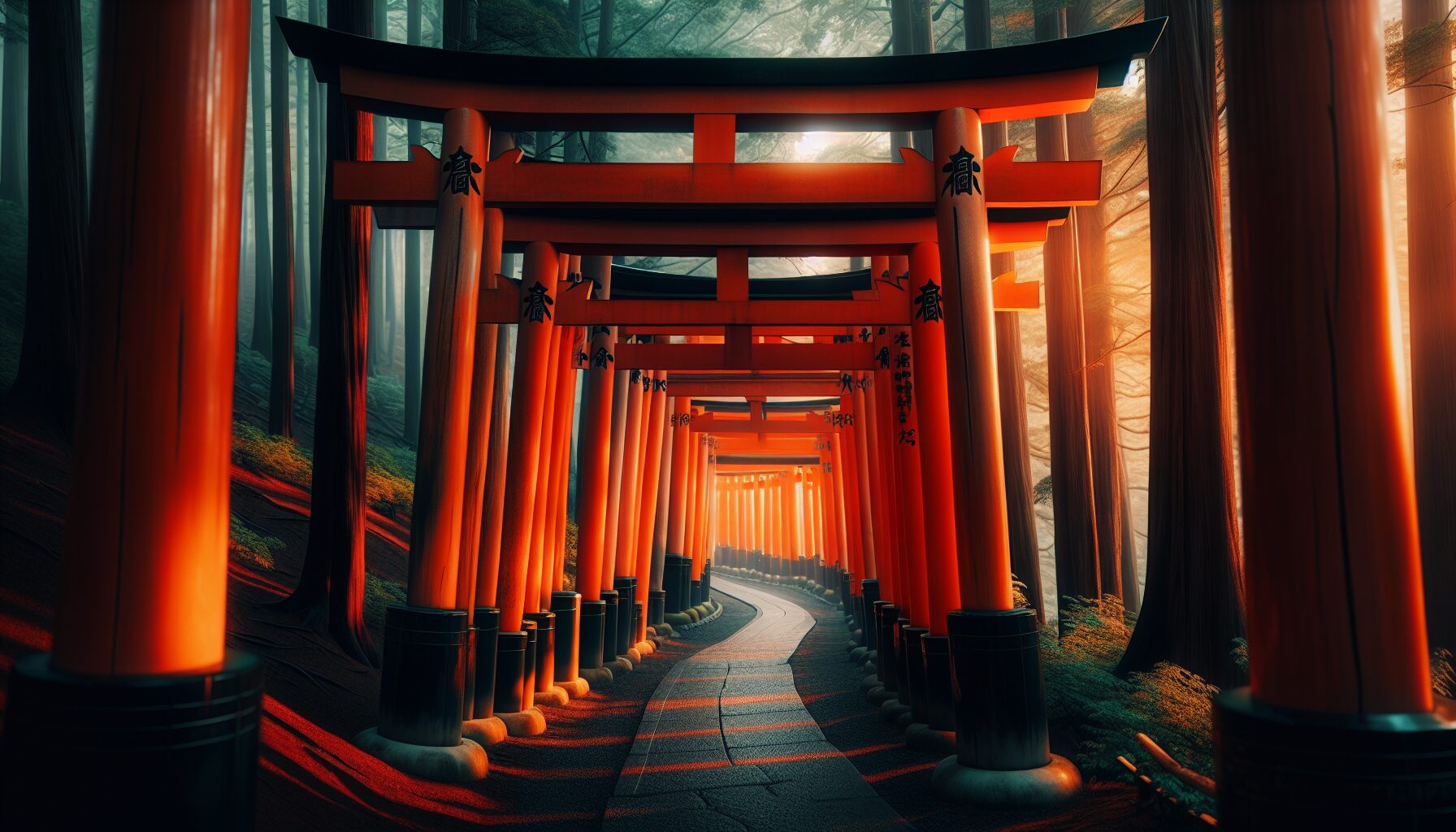
Fushimi Inari Shrine’s vermillion torii gates create mystical tunnels up Mount Inari. This 24-hour shrine dedicated to the rice deity Inari offers one of Japan’s most photographed experiences. The full mountain hike takes 2-3 hours, though shorter walks to viewing points are equally rewarding.
Visiting tips for 2026:
- Arrive before 8 AM or after 5 PM to avoid peak crowds
- The first 45 minutes of hiking offers the densest gate concentration
- Bring water and snacks – mountain vending machines are limited
- Download offline maps as phone coverage can be spotty on the mountain
Arashiyama: Bamboo Groves and Monkeys
Arashiyama district combines natural beauty with cultural treasures. The famous bamboo grove creates cathedral-like corridors of towering green stalks, while nearby temples and the Hozu River offer additional attractions.
Key Arashiyama experiences:
- Bamboo Grove: Early morning visits (before 9 AM) provide the most serene experience
- Tenryu-ji Temple: UNESCO World Heritage site with stunning zen gardens
- Iwatayama Monkey Park: Mountain hike rewarded with city views and Japanese macaque encounters
- Togetsukyo Bridge: Historic bridge offering mountain and river views
Gion: Geisha Culture Preserved
Kyoto’s premier geisha district maintains traditions dating back centuries. Wooden machiya townhouses line stone-paved streets, creating an atmosphere unchanged from the Edo period. While spotting geiko (Kyoto’s term for geisha) requires patience and luck, the district’s beauty rewards any visitor.
Gion exploration tips:
- Respectful photography is permitted, but never obstruct or follow geiko
- Evening hours (6-8 PM) offer the best chances for geiko sightings
- Book traditional kaiseki restaurants or tea houses in advance
- Hanami-koji Street offers the most atmospheric walking route
Temple Hopping and Seasonal Highlights
Kyoto’s temple density can overwhelm first-time visitors. Focus on 2-3 major temples per day, allowing time for contemplation and appreciation.
Must-Visit Temples by Season
Spring (March-May):
- Philosopher’s Path for cherry blossoms
- Maruyama Park for hanami parties
- Yoshino-yama for mountain cherry varieties
Summer (June-August):
- Kiyomizu-dera for city views and evening illuminations
- Ginkaku-ji (Silver Pavilion) for refined gardens
- Mountain temples like Kurama-dera for cooler temperatures
Autumn (September-November):
- Tofuku-ji for the most spectacular maple displays
- Eikan-do for evening illuminated autumn leaves
- Nanzen-ji complex for varied garden styles
Winter (December-February):
- Kinkaku-ji (Golden Pavilion) potentially dusted with snow
- Sanjusangen-do Hall with 1,001 Buddha statues
- Indoor temple experiences and traditional crafts
Day-Tripping Between Osaka and Kyoto
The 55-kilometer distance between city centers makes day trips effortless. Multiple train options connect the cities, with journey times ranging from 30-60 minutes depending on your chosen route and destinations.
Best Train Connections
Fastest Options:
- Keihan Main Line: Osaka (Yodoyabashi) to Kyoto (Gion-Shijo) in 45 minutes
- Hankyu Kyoto Line: Osaka (Umeda) to Kyoto (Kawaramachi) in 45 minutes
- JR Tokaido Line: Osaka Station to Kyoto Station in 30 minutes
Most Convenient for Tourists:
- JR trains work with JR Pass holders
- Keihan Line stops near Fushimi Inari and Gion
- Hankyu Line reaches central Kyoto shopping areas
Sample Day Trip Itineraries
Osaka Base, Kyoto Day Trip:
- 7:00 AM: Depart Osaka via Keihan Line
- 8:00 AM: Fushimi Inari morning exploration
- 11:00 AM: Gion district and temple visits
- 1:00 PM: Traditional lunch in Pontocho Alley
- 3:00 PM: Kiyomizu-dera or Golden Pavilion
- 6:00 PM: Return to Osaka for dinner in Dotonbori
Kyoto Base, Osaka Day Trip:
- 10:00 AM: Depart Kyoto via JR Tokaido Line
- 11:00 AM: Osaka Castle and grounds
- 1:00 PM: Kuromon Market lunch and exploration
- 3:00 PM: Dotonbori and Shinsaibashi shopping
- 6:00 PM: Street food dinner crawl
- 9:00 PM: Return to Kyoto
Practical Tips for 2026
Payment Methods
Japan’s cashless revolution accelerated post-pandemic. Both cities now widely accept:
- IC cards (ICOCA, Suica) for transport and many shops
- PayPay QR codes at restaurants and convenience stores
- Credit cards at major tourist attractions and department stores
- However, keep cash handy for smaller establishments and temples
Crowd Management
With tourism numbers reaching record highs in 2026, strategic planning helps avoid overcrowding:
- Visit popular attractions early morning or late afternoon
- Use weekday travel when possible
- Book restaurants and experiences in advance
- Consider alternative districts like Osaka’s Sumiyoshi or Kyoto’s Kurama
Language and Communication
English signage has improved significantly, especially at major tourist sites. Download translation apps and keep your hotel address written in Japanese for taxi drivers. Many restaurants now offer picture menus or tablet ordering systems.
Plan Your Japan Trip Today
Osaka and Kyoto offer the perfect introduction to Japan’s diverse charms – from cutting-edge urban energy to timeless cultural treasures. Whether you have three days or three weeks, these neighboring cities provide endless discovery opportunities. Start planning your adventure today by booking flights, securing accommodation in advance, and researching seasonal events that align with your travel dates. The memories you’ll create exploring Japan’s kitchen and cultural capital will last a lifetime.
📍 Part of our Osaka Travel Guide — browse all related Japan guides in one place.