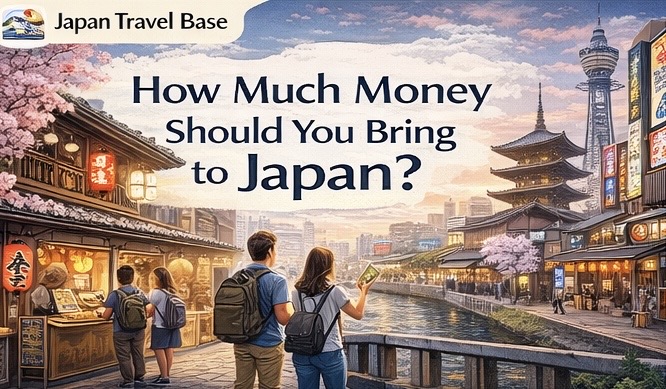

One of the most common questions first-time visitors ask is simple: how much does a trip to Japan cost?
The answer depends a lot on your travel style, where you stay, how you move around, and what you want to do. Japan can be more affordable than many travelers expect, but costs can also rise quickly during busy seasons or if you prefer more comfort and convenience.
This guide breaks down the main travel costs in Japan and gives simple budget examples for first-time visitors.
1. The main costs to plan for
When budgeting for a trip to Japan, it helps to think in categories.
The main costs are usually:
- flights
- accommodation
- local transportation
- long-distance transportation
- food and drinks
- internet access
- attractions and activities
- shopping and personal spending
You do not need to calculate everything perfectly, but having a rough idea for each category makes planning much easier.
2. Budget, mid-range, and comfortable travel styles
A trip to Japan can look very different depending on how you travel.
Budget travel
A budget traveler may:
- stay in hostels, capsule hotels, or simple business hotels
- eat at convenience stores, casual chains, and inexpensive restaurants
- focus on low-cost sightseeing
- use local trains carefully and keep long-distance travel limited
Mid-range travel
A mid-range traveler may:
- stay in standard hotels in convenient areas
- eat a mix of casual meals and a few nicer meals
- use trains comfortably
- include paid attractions and occasional special experiences
Comfortable travel
A more comfortable traveler may:
- stay in better-located or higher-end hotels
- take taxis more often
- book more paid experiences
- dine at more upscale restaurants
- prioritize convenience over price
Most first-time visitors fall somewhere in the middle.
3. Accommodation costs in Japan
Hotels are usually one of the biggest parts of the budget.
Prices vary depending on:
- city
- area
- season
- room type
- how early you book
In general:
- budget stays cost less but may have smaller rooms or less convenient locations
- mid-range hotels often offer the best balance for first-time visitors
- central and popular areas usually cost more
Tokyo is often one of the more expensive places to stay, especially in well-connected areas. Kyoto can also become expensive during peak seasons. Osaka often offers slightly better value depending on the area and timing.
For first-time visitors, it is usually worth paying a little more for a convenient location near a station.
4. Transportation costs
Transportation can be simple or expensive depending on your route.
Local transportation
For city travel, costs are usually manageable if you mainly use:
- trains
- subways
- buses
Many visitors use an IC card for local transport, which makes daily travel easier.
Airport transportation
Airport access can add noticeable cost depending on:
- which airport you use
- whether you choose train, bus, or taxi
- how far your hotel is from the airport connection point
Long-distance transportation
This is often where the budget changes the most.
Trips like:
- Tokyo to Kyoto
- Tokyo to Osaka
- Kyoto to Hiroshima
can significantly increase the total trip cost if you take the Shinkansen multiple times.
If you are visiting several cities, it is worth comparing individual tickets and rail pass options carefully.
5. Food costs in Japan
Food costs in Japan can be very flexible.
You can spend quite little if you rely on:
- convenience stores
- casual noodle shops
- fast and affordable restaurant chains
- supermarkets
At the same time, food spending can rise if you:
- visit cafes often
- book special dining experiences
- drink regularly
- eat in more tourist-focused or upscale areas
One of the nice things about Japan is that it is often possible to eat well without spending too much.
A balanced trip usually includes a mix of low-cost casual meals and a few nicer meals.
6. Internet and travel essentials
Many first-time visitors forget to include the small travel setup costs.
These may include:
- eSIM or SIM card
- pocket Wi-Fi
- travel adapter
- luggage storage
- luggage delivery
- small station or airport purchases
These are not always major expenses, but together they can add up.
Planning these in advance helps avoid unexpected spending during the trip.
7. Attraction and activity costs
Japan offers many free or low-cost things to do, but some attractions and activities can raise the budget.
Examples include:
- observation decks
- museums
- theme parks
- guided tours
- special cultural experiences
- amusement areas
- seasonal events
You do not need to book expensive activities every day. Many of the best parts of Japan travel come from simply exploring neighborhoods, shrines, parks, local streets, and food areas.
8. Seasonal price differences
Travel costs in Japan can change a lot depending on the season.
Prices are often higher during:
- cherry blossom season
- Golden Week
- summer holiday periods
- autumn foliage season
- New Year holiday periods
During these times, flights and hotels can become much more expensive, and availability may be limited.
If your schedule is flexible, traveling outside major peak periods can make a big difference to your budget.
9. How much cash should you bring?
Japan is much more card-friendly than before, but cash still matters in some situations.
You may still need cash for:
- smaller restaurants
- local shops
- temple and shrine areas
- some ticket machines
- certain rural or less tourist-focused places
You do not need to carry huge amounts, but it is smart to have some cash available.
A good approach is to use a combination of:
- internationally accepted cards
- cash for smaller purchases
- convenience store ATMs when needed
10. Sample budget ranges
Your total budget depends on your trip length and travel style, but here is a simple way to think about it.
Lower-budget trip
This works best if you:
- stay in budget accommodation
- keep food spending low
- limit expensive attractions
- avoid too many long-distance train rides
Mid-range trip
This is the most common for first-time visitors and usually includes:
- standard hotels in convenient areas
- a mix of casual and comfortable dining
- regular train use
- a few paid attractions
- a smoother and less restrictive travel pace
More comfortable trip
This usually includes:
- better-located or more spacious hotels
- more paid attractions and dining
- higher transport convenience
- more flexibility and comfort overall
Rather than chasing an exact number too early, it is often more useful to decide what style of trip you want first.
11. How to save money without making the trip stressful
Saving money is important, but convenience also matters, especially on a first trip.
Some of the best ways to manage your budget are:
- book hotels early
- stay near convenient train stations
- use trains instead of taxis most of the time
- avoid peak travel seasons if possible
- mix lower-cost meals with a few special meals
- plan major intercity trips carefully
- keep your itinerary realistic
Trying to cut every possible cost can actually make the trip more tiring.
For first-time visitors, a slightly more convenient hotel and smoother transport setup are often worth the extra money.
12. Final thoughts
A trip to Japan can fit a wide range of budgets.
Some travelers keep costs low by staying simply and traveling slowly. Others spend more for comfort, better locations, and special experiences. Neither approach is wrong.
The most important thing is to understand your main cost areas:
- hotels
- transport
- food
- internet
- activities
Once those are clear, planning your budget becomes much easier.
For many first-time visitors, the best trip is not the cheapest possible trip. It is the trip that balances cost, convenience, and enjoyment in a realistic way.
Planning your Japan trip budget?
Make sure to compare hotel areas, local transport, internet options, and your travel pace before booking. A clear budget makes the whole trip easier to plan.
Suggested internal links
- First Time in Japan: What to Prepare
- Best eSIM for Japan Travel
- Where to Stay in Tokyo for First-Time Visitors
- How to Use Trains in Japan
- Tokyo 3-Day Itinerary
📍 Part of our Japan Travel Planning Guide — browse all related Japan guides in one place.
Try our free Japan Budget Calculator — adjust for travel style and duration to get your breakdown instantly.