
{
“@context”: “https://schema.org”,
“@type”: “FAQPage”,
“mainEntity”: [
{
“@type”: “Question”,
“name”: “Can you visit both Hokkaido and Okinawa in one Japan trip?”,
“acceptedAnswer”: {
“@type”: “Answer”,
“text”: “Yes, but you’ll need at least 10-12 days total. Domestic flights connect both islands to Tokyo (2-3 hours each way). Budget extra for flights: around $160-300 AUD total for both connections.”
}
},
{
“@type”: “Question”,
“name”: “Which is better for families with kids – Hokkaido or Okinawa?”,
“acceptedAnswer”: {
“@type”: “Answer”,
“text”: “Okinawa edges ahead for families due to warm weather year-round, safe beaches, and kid-friendly activities like glass-bottom boat tours. Hokkaido works well for families who enjoy outdoor activities and don’t mind cooler weather.”
}
},
{
“@type”: “Question”,
“name”: “Is English more widely spoken in Hokkaido or Okinawa?”,
“acceptedAnswer”: {
“@type”: “Answer”,
“text”: “Both islands have limited English, but Okinawa’s resort areas and main tourist zones offer better English support due to international tourism. Rural areas of both islands rely heavily on translation apps.”
}
},
{
“@type”: “Question”,
“name”: “Which costs less for accommodation – Hokkaido or Okinawa?”,
“acceptedAnswer”: {
“@type”: “Answer”,
“text”: “Hokkaido is generally 15-20% cheaper for mid-range hotels ($80-120 AUD vs $100-150 AUD per night). However, Okinawa has more budget guesthouse options, while Hokkaido accommodation can spike during peak seasons.”
}
},
{
“@type”: “Question”,
“name”: “Can you use the JR Pass to get to Hokkaido or Okinawa?”,
“acceptedAnswer”: {
“@type”: “Answer”,
“text”: “The JR Pass covers the Hokkaido Shinkansen to Sapporo, making it excellent value. Okinawa requires a separate domestic flight (around $80-150 AUD) since no train connections exist.”
}
},
{
“@type”: “Question”,
“name”: “Which island has better food for vegetarians?”,
“acceptedAnswer”: {
“@type”: “Answer”,
“text”: “Hokkaido offers more vegetarian-friendly options due to its dairy industry and farm-to-table culture. Okinawa’s traditional cuisine is heavily seafood-based, though resort areas cater to dietary restrictions.”
}
},
{
“@type”: “Question”,
“name”: “Should first-time Japan visitors choose Hokkaido or Okinawa?”,
“acceptedAnswer”: {
“@type”: “Answer”,
“text”: “First-timers benefit more from Hokkaido’s accessible culture and easy connections to mainland Japan. Okinawa feels distinctly separate from traditional Japanese culture, making it better for return visits.”
}
}
]
}
{
“@context”: “https://schema.org”,
“@type”: “TravelAction”,
“name”: “Travel to Japan — Hokkaido vs Okinawa — Which to Choose”,
“description”: “Hokkaido wins for snow festivals, seafood and nature lovers; Okinawa for tropical beaches, diving and Ryukyu culture. Here’s exactly which to choose.”,
“toLocation”: {
“@type”: “Country”,
“name”: “Japan”
}
}
Torn between Japan’s snowy northern wilderness and its tropical southern paradise? Hokkaido delivers world-class powder snow, fresh seafood, and lavender fields, while Okinawa offers pristine beaches, coral reefs, and unique Ryukyu culture. The right choice depends entirely on your travel style, budget, and preferred activities.
Both islands require domestic flights from Tokyo, cost roughly the same to reach ($80-150 AUD one-way), but offer completely different experiences. Here’s exactly which island matches your Japan travel goals.
When to Visit: Peak Seasons Make or Break Your Trip
Hokkaido’s Best Travel Windows
Hokkaido shines during two distinct seasons that showcase its natural beauty:
- June to August: Peak lavender season in Furano, comfortable hiking weather (15-25°C), and the famous Rokkatei chocolate factory tours
- February: Sapporo Snow Festival draws millions, world-class powder skiing in Niseko, and ice fishing experiences
- October: Spectacular autumn foliage without mainland Japan’s crowds
Avoid Hokkaido in late November through January (except February’s snow festival) due to harsh weather and limited outdoor activities.
Okinawa’s Year-Round Appeal
Okinawa’s subtropical climate offers more flexible timing:
- April to June: Perfect weather (22-27°C), cherry blossoms in January, and fewer crowds than summer
- October to November: Ideal diving conditions, warm ocean temperatures, and reduced humidity
- December to March: Mild temperatures (18-22°C), whale watching season, and budget accommodation rates
Skip July through September due to intense heat, humidity, and typhoon season.
Getting There: Flight Routes and Transportation Costs
Both islands require domestic connections from Japan’s main airports, but with different logistics.
Reaching Hokkaido from Tokyo
Multiple options connect Tokyo to Sapporo:
- Hokkaido Shinkansen: 4 hours from Tokyo Station to Shin-Hakodate-Hokuto, then local trains to Sapporo (total 5.5 hours, covered by JR Pass)
- Domestic flights: 1.5 hours Tokyo Haneda to New Chitose Airport, then 40 minutes to Sapporo city center
- Cost: Flights range $80-150 AUD one-way, while the JR Pass covers all train travel
The JR Pass makes Hokkaido incredibly accessible for travelers planning multi-city Japan trips.
Accessing Okinawa’s Island Chain
Okinawa requires domestic flights from all major Japanese cities:
- Tokyo to Naha: 2.5 hours direct flights, multiple daily departures
- Osaka to Naha: 2 hours, often cheaper than Tokyo routes
- Cost: $80-150 AUD one-way, with budget carriers like Jetstar and Peach offering competitive rates
Once in Naha, rental cars provide the best island exploration freedom, though monorail connects major tourist areas.
Accommodation Costs: Where Your Money Goes Further
Hokkaido’s Value Advantage
Hokkaido generally offers better accommodation value:
- Mid-range hotels: $80-120 AUD per night in Sapporo city center
- Luxury ryokan: $200-400 AUD per night with kaiseki dinners and hot springs
- Budget hostels: $25-40 AUD per night, though limited outside major cities
Okinawa’s Resort Premium
Okinawa’s resort-heavy accommodation landscape costs more:
- Beach resorts: $150-300 AUD per night for international hotel chains
- City hotels in Naha: $100-150 AUD per night for comparable quality
- Guesthouses: $30-50 AUD per night, more available than in Hokkaido
Factor accommodation into your total Japan trip budget – Hokkaido saves 15-20% on average hotel costs.
Activities and Attractions: Completely Different Adventures
Hokkaido’s Nature and Culture Experiences
Hokkaido excels in outdoor adventures and culinary experiences:
- Summer activities: Furano lavender fields, Shiretoko National Park wildlife tours, farm visits in Tokachi
- Winter sports: World-renowned powder skiing in Niseko, ice festivals in Sapporo, snow trekking in Daisetsuzan
- Food experiences: Sapporo beer garden tours, Otaru canal district seafood, dairy farm visits
- Cultural sites: Ainu cultural centers, historic Hakodate foreign quarter, Kushiro wetlands
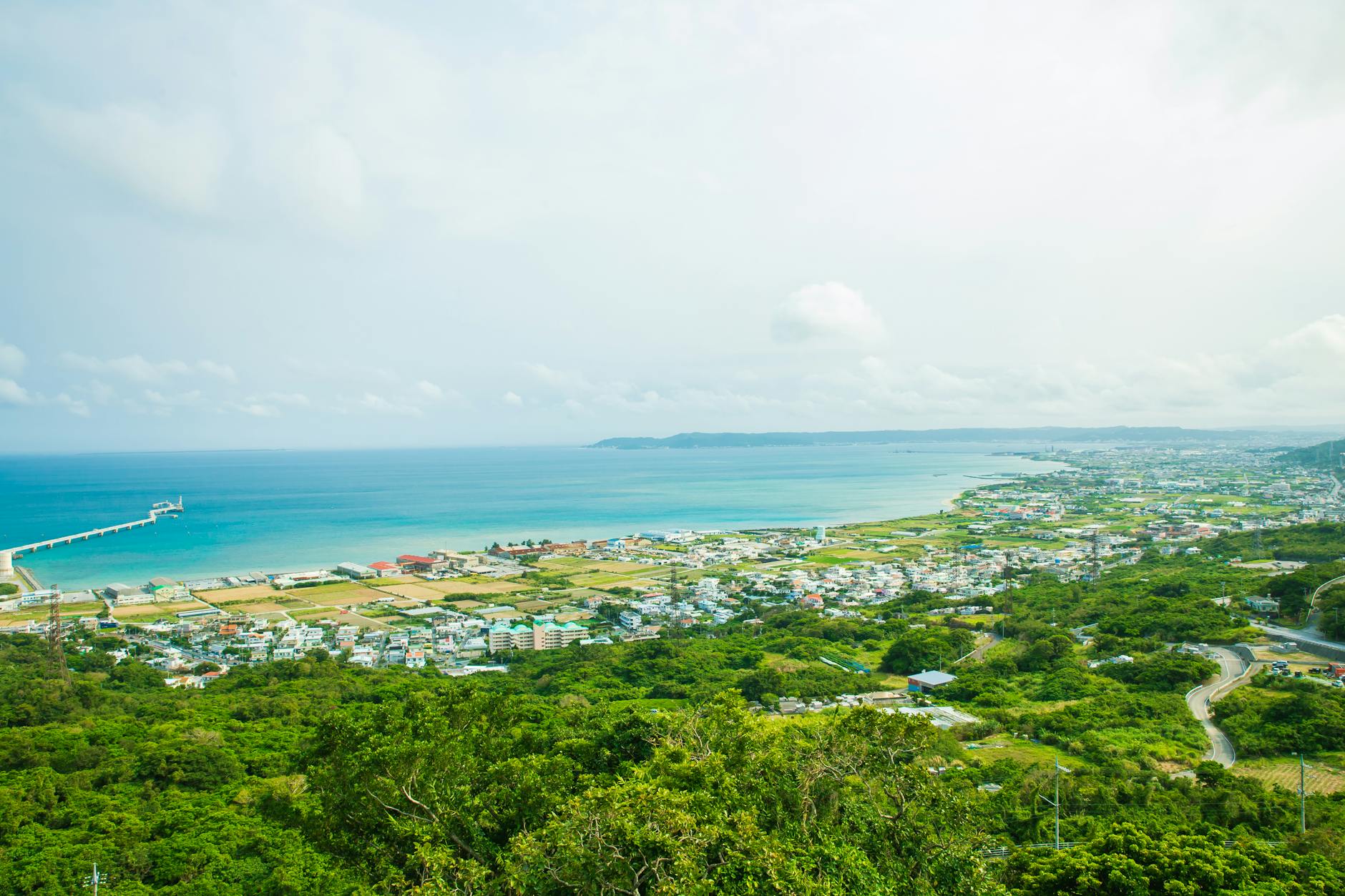
Okinawa’s Beach and Cultural Paradise
Okinawa focuses on marine activities and unique Ryukyu heritage:
- Beach activities: World-class diving and snorkeling, pristine beaches on outer islands, glass-bottom boat tours
- Cultural experiences: Ryukyu Kingdom sites, traditional Eisa dance performances, Shuri Castle complex
- Island hopping: Ferry connections to Ishigaki, Miyako, and remote outer islands
- Unique attractions: Churaumi Aquarium, mangrove kayaking, traditional craft workshops
Food Culture: Dairy vs Seafood Specialties
Hokkaido’s Farm-to-Table Excellence
Hokkaido’s food scene centers on fresh, local ingredients:
- Signature dishes: Kaisendon (seafood bowls), Genghis Khan lamb BBQ, miso ramen, soft cream ice cream
- Seafood specialties: Kani crab, sea urchin (uni), Hokkaido scallops, salmon roe
- Dairy products: World-class cheese, Rokkatei chocolate, Hokkaido milk products
- Sake and beer: Sapporo beer, local sake breweries, whisky distilleries
Okinawa’s Tropical and Traditional Flavors
Okinawan cuisine blends Japanese, Chinese, and Southeast Asian influences:
- Traditional dishes: Goya champuru (bitter melon stir-fry), Okinawa soki soba, taco rice
- Unique ingredients: Sea grapes (umi-budo), purple sweet potatoes, bitter melon, pork belly
- Drinks: Awamori distilled spirits, Orion beer, tropical fruit juices
- Sweets: Brown sugar treats, tropical fruit desserts, traditional Okinawan pastries
Budget Breakdown: Real Costs for Each Destination
Daily Spending in Hokkaido
Budget travelers can expect these daily costs in Hokkaido:
- Accommodation: $25-120 AUD per night
- Meals: $30-60 AUD per day (mix of convenience stores and restaurants)
- Transportation: $15-30 AUD per day (local trains and buses)
- Activities: $20-80 AUD per experience (museum entry to guided tours)
- Total daily budget: $90-290 AUD per person
Daily Spending in Okinawa
Okinawa’s costs run slightly higher due to resort pricing:
- Accommodation: $30-150 AUD per night
- Meals: $35-70 AUD per day (limited budget options outside Naha)
- Transportation: $25-40 AUD per day (rental car recommended)
- Activities: $30-100 AUD per experience (diving, boat tours, attractions)
- Total daily budget: $120-360 AUD per person
Which Island Matches Your Travel Style?
Choose Hokkaido If You Want:
- Authentic Japanese cultural experiences without language barriers
- World-class winter sports or summer outdoor activities
- Fresh seafood and dairy products at reasonable prices
- Easy connections to mainland Japan using the JR Pass
- Cooler weather and distinct seasonal experiences
- Photography opportunities (lavender fields, snow festivals, autumn colors)
Hokkaido works best for travelers who enjoy nature, don’t mind seasonal weather, and want authentic Japanese experiences at moderate prices.
Choose Okinawa If You Want:
- Tropical beaches and world-class diving/snorkeling
- Year-round warm weather (though avoid July-September)
- Unique Ryukyu culture distinct from mainland Japan
- Island-hopping adventures and remote beach experiences
- Relaxed resort atmosphere with international amenities
- Escape from traditional Japanese cultural intensity
Okinawa suits beach lovers, divers, and travelers seeking relaxation over cultural immersion.
Practical Considerations for Your Decision
Language and Navigation
Both destinations present language challenges, but with different solutions:
- Hokkaido: Standard Japanese signage, better train connectivity, easier navigation for first-time Japan visitors
- Okinawa: Resort areas offer English support, but rental car navigation requires Japanese or international GPS
Connectivity and Communication
Modern connectivity options work well in both destinations:
- Major cities in both islands support international roaming and pocket Wi-Fi
- Rural Hokkaido and outer Okinawan islands may have limited coverage
- Download offline maps and translation apps before departing main cities
Final Recommendation: Making Your Choice
Your decision ultimately depends on travel timing and personal preferences:
Choose Hokkaido if you’re visiting Japan between June-August or February, enjoy outdoor activities, want authentic Japanese culture, and prefer moderate pricing. It integrates perfectly with mainland Japan itineraries.
Choose Okinawa if you’re seeking tropical relaxation, visiting during shoulder seasons (April-June, October-November), love diving/beaches, and don’t mind paying resort premiums for convenience.
For most first-time Japan visitors, Hokkaido offers better value and cultural integration with classic Japan experiences. Okinawa shines as a tropical add-on for return visitors or beach-focused travelers.
Both islands reward visitors with unique experiences impossible to find elsewhere in Japan. The “wrong” choice simply doesn’t exist – only different adventures waiting to unfold.
Frequently Asked Questions
Can you visit both Hokkaido and Okinawa in one Japan trip?
Yes, but you’ll need at least 10-12 days total. Domestic flights connect both islands to Tokyo (2-3 hours each way). Budget extra for flights: around $160-300 AUD total for both connections.
Which is better for families with kids – Hokkaido or Okinawa?
Okinawa edges ahead for families due to warm weather year-round, safe beaches, and kid-friendly activities like glass-bottom boat tours. Hokkaido works well for families who enjoy outdoor activities and don’t mind cooler weather.
Is English more widely spoken in Hokkaido or Okinawa?
Both islands have limited English, but Okinawa’s resort areas and main tourist zones offer better English support due to international tourism. Rural areas of both islands rely heavily on translation apps.
Which costs less for accommodation – Hokkaido or Okinawa?
Hokkaido is generally 15-20% cheaper for mid-range hotels ($80-120 AUD vs $100-150 AUD per night). However, Okinawa has more budget guesthouse options, while Hokkaido accommodation can spike during peak seasons.
Can you use the JR Pass to get to Hokkaido or Okinawa?
The JR Pass covers the Hokkaido Shinkansen to Sapporo, making it excellent value. Okinawa requires a separate domestic flight (around $80-150 AUD) since no train connections exist.
Which island has better food for vegetarians?
Hokkaido offers more vegetarian-friendly options due to its dairy industry and farm-to-table culture. Okinawa’s traditional cuisine is heavily seafood-based, though resort areas cater to dietary restrictions.
Should first-time Japan visitors choose Hokkaido or Okinawa?
First-timers benefit more from Hokkaido’s accessible culture and easy connections to mainland Japan. Okinawa feels distinctly separate from traditional Japanese culture, making it better for return visits.
Plan Your Japan Trip Today
Ready to explore Japan’s incredible regional diversity? Both Hokkaido and Okinawa offer unforgettable experiences that showcase Japan beyond the classic Tokyo-Kyoto route. Book your flights, research seasonal activities, and prepare for adventures that will redefine your understanding of Japan’s natural and cultural treasures.