
Confused about which Tokyo neighborhood to book your first hotel in? For most first-time tourists, Shinjuku wins decisively due to unmatched transport connections, reasonable hotel prices (¥12,000-25,000/night), and authentic Tokyo atmosphere. While Shibuya offers trendy appeal and Asakusa provides traditional charm, Shinjuku’s central location and infrastructure make navigating Tokyo significantly easier for newcomers.
Choosing the right Tokyo base can make or break your Japan experience. With over 30 million annual visitors in 2026, finding the sweet spot between convenience, cost, and character requires understanding each district’s genuine strengths and limitations. This detailed comparison covers five top tourist areas with real hotel pricing, transport specifics, and honest assessments to match your travel style.
Why Shinjuku Dominates for First-Time Tokyo Visitors
Shinjuku’s dominance stems from practical advantages that first-timers only appreciate after experiencing Tokyo’s complexity. The world’s busiest train station handles 3.6 million daily passengers across 12 rail lines, connecting you directly to every major Tokyo destination and day-trip location.
Transport Hub Advantages
From Shinjuku Station, you’ll reach:
- Shibuya: 7 minutes on JR Yamanote Line
- Asakusa: 25 minutes via JR Chuo to Tokyo, then Ginza Line
- Mount Fuji (Kawaguchiko): 2 hours direct on JR Chuo Line
- Nikko: 2.5 hours via JR to Utsunomiya, then Tobu Line
- Narita Airport: 60 minutes on Narita Express
- Haneda Airport: 45 minutes on Airport Express
The Nikko day trip becomes remarkably accessible from Shinjuku’s transport network, while other neighborhoods require frustrating transfers.
Hotel Value and Selection
Shinjuku’s hotel market offers the best price-to-quality ratio among major Tokyo districts:
- Budget business hotels: ¥8,000-12,000 (basic but clean)
- Mid-range international chains: ¥12,000-18,000 (excellent facilities)
- Luxury properties: ¥20,000-25,000 (still cheaper than Ginza equivalents)
The concentration of hotels creates competition that keeps prices reasonable while maintaining high standards. Many properties cater specifically to international guests with English-speaking staff and jet-lag-friendly amenities like blackout curtains and 24-hour front desks.
Authentic Tokyo Atmosphere
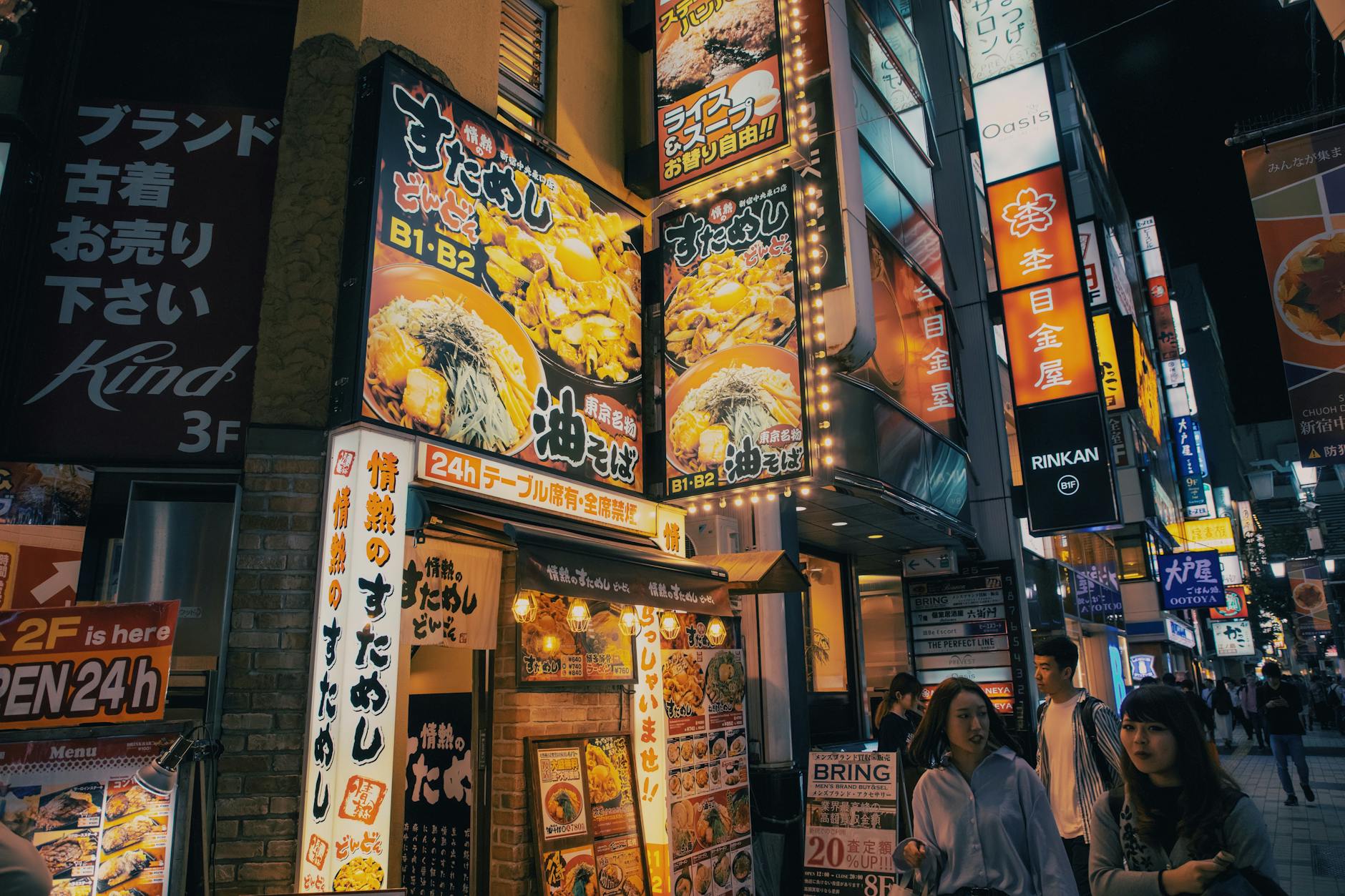
Unlike tourist-focused areas, Shinjuku maintains its identity as a genuine Tokyo business and entertainment district. The contrast between corporate skyscrapers, traditional yakitori alleys, and neon-lit entertainment zones provides an authentic taste of Tokyo’s complexity that sanitized tourist areas can’t match.
Shibuya: The Trendy Alternative with Premium Pricing
Shibuya appeals to visitors seeking Instagram-worthy experiences and youth culture immersion. The iconic scramble crossing and proximity to Harajuku create obvious tourist appeal, but convenience comes at a cost.
What Makes Shibuya Special
The neighborhood’s energy peaks during evenings when office workers and young Tokyoites flood the streets. Key attractions within walking distance include:
- Shibuya Crossing: World’s busiest pedestrian intersection
- Hachiko Statue: Famous loyal dog memorial
- Harajuku: 15-minute walk to youth fashion epicenter
- Meiji Shrine: 20-minute walk to Tokyo’s most accessible major shrine
- Omotesando: High-end shopping street, 10 minutes away
The Premium Price Reality
Shibuya hotels typically cost 10-15% more than equivalent Shinjuku properties:
- Business hotels: ¥10,000-14,000
- Mid-range options: ¥14,000-22,000
- Luxury stays: ¥25,000-35,000
The price premium reflects both desirability and limited hotel inventory compared to Shinjuku’s abundance.
Transport Limitations
While Shibuya connects well within central Tokyo via the Yamanote Line, day trips prove more challenging. Reaching Mount Fuji requires transferring through Shinjuku, adding 30-45 minutes to your journey. This compounds when carrying luggage or traveling with jet lag.
Asakusa: Traditional Tokyo on a Budget
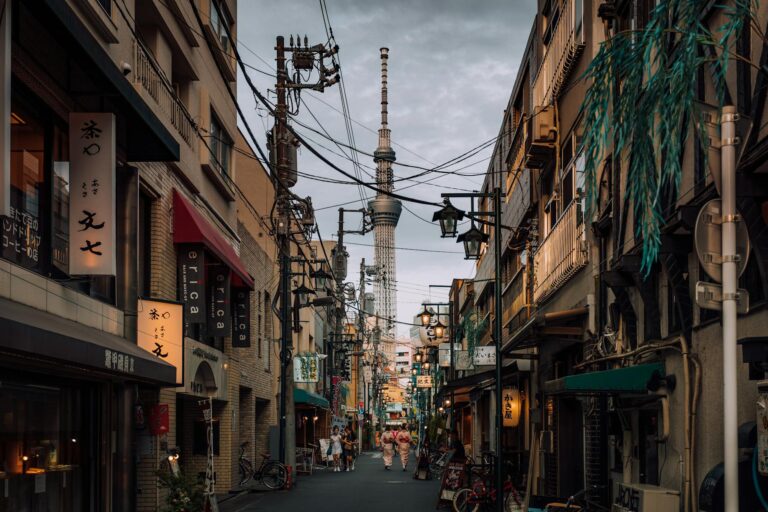
Asakusa offers the most affordable quality accommodation and strongest traditional atmosphere among major Tokyo tourist areas. However, this old-Tokyo charm comes with practical trade-offs that first-timers should understand.
Budget-Friendly Accommodation Hub
Asakusa’s hotel prices significantly undercut other major areas:
- Traditional ryokan-style hotels: ¥6,000-10,000
- Modern business hotels: ¥8,000-15,000
- Boutique properties: ¥12,000-20,000
Many properties feature traditional Japanese design elements while providing modern amenities, creating unique stays unavailable in business districts.
Cultural Immersion Advantages
The neighborhood retains old Tokyo’s atmosphere with:
- Senso-ji Temple: Tokyo’s oldest Buddhist temple complex
- Nakamise Shopping Street: Traditional souvenir and food stalls
- Traditional restaurants: Family-run establishments serving authentic cuisine
- Sumida River views: Scenic waterfront walks and traditional boat rides
- Tokyo Skytree: 15-minute walk to iconic tower
Transport and Convenience Challenges
Asakusa’s location in eastern Tokyo creates connectivity issues for broader exploration:
- Limited express train access compared to JR hub stations
- Fewer 24-hour convenience stores and international restaurants
- Older infrastructure with less English signage
- Longer travel times to western Tokyo attractions and day-trip destinations
While the Asakusa subway line connects to central Tokyo, first-timers often struggle with the system’s complexity compared to JR’s more intuitive network.
Ginza: Luxury Location with Premium Everything
Ginza represents Tokyo’s luxury face, offering impeccable service and prime location at correspondingly high prices. This area suits visitors prioritizing comfort and convenience over cultural immersion or budget concerns.
Prime Location Benefits
Ginza’s central position provides unmatched access to:
- Tokyo Station: 5-minute walk for shinkansen connections
- Imperial Palace: 10-minute walk to historic grounds
- Tsukiji Outer Market: 15-minute walk for famous food scene
- Multiple subway lines: Ginza, Hibiya, and Marunouchi lines intersection
The Luxury Premium
Ginza’s hotel pricing reflects its upscale positioning:
- Luxury international chains: ¥25,000-50,000+
- Boutique hotels: ¥20,000-35,000
- Business hotels: ¥15,000-25,000 (limited availability)
Even budget options carry significant premiums compared to other districts, with fewer choices available.
Limited Authentic Tokyo Experience
Ginza’s polished international atmosphere, while comfortable, provides limited insight into everyday Tokyo life. The area caters heavily to business travelers and luxury shoppers, potentially feeling sterile compared to livelier neighborhoods.
Akihabara: Niche Appeal for Specific Interests
Akihabara serves a specific tourist segment interested in electronics, anime, and gaming culture. Unless these interests drive your Tokyo visit, other neighborhoods offer broader appeal for general sightseeing.
Specialized Attractions
The district’s appeal centers on:
- Electronics retailers: Multi-story shops with latest gadgets
- Anime and manga stores: Extensive collections and rare items
- Gaming arcades: Traditional and modern gaming experiences
- Maid cafes: Unique Japanese pop culture phenomenon
Limited Broader Tourist Appeal
Beyond niche interests, Akihabara offers:
- Decent hotel selection with competitive pricing
- Good transport links via JR Yamanote and Keihin-Tohoku lines
- Limited dining variety compared to other major districts
- Minimal traditional or general cultural attractions
First-time visitors typically find 2-3 hours sufficient for exploring Akihabara’s highlights, making it better suited for day visits from other neighborhood bases.
Making the Right Choice for Your Tokyo Stay
Your ideal Tokyo neighborhood depends on balancing priorities, but most first-timers benefit from Shinjuku’s comprehensive advantages. Consider these decision factors:
Choose Shinjuku If You Want:
- Maximum transport flexibility for day trips and city exploration
- Best value for money across all budget levels
- Authentic Tokyo atmosphere without tourist saturation
- 24-hour convenience with international amenities
- Easy recovery from jet lag with proper hotel facilities
Choose Shibuya If You Prioritize:
- Trendy atmosphere and Instagram-worthy locations
- Walking access to youth culture districts
- Premium positioning despite higher costs
- Central Tokyo focus over broader Japan exploration
Choose Asakusa If You Value:
- Traditional Tokyo atmosphere and cultural immersion
- Budget-conscious accommodation without compromising quality
- Quieter pace compared to business district energy
- Unique architectural and dining experiences
Understanding these trade-offs helps align your choice with travel priorities. For comprehensive Japan exploration, Shinjuku’s transport advantages prove invaluable. For cultural immersion on a budget, Asakusa delivers authentic experiences. For trendy Tokyo energy, Shibuya satisfies despite premium pricing.
Consider reviewing common first-timer mistakes that can impact your neighborhood choice, particularly around transport planning and budget allocation.
Practical Booking Tips for 2026
Tokyo’s record 2026 tourism numbers create booking challenges across all districts. Advanced planning becomes essential, particularly during peak seasons and international events.
Optimal Booking Timeline
- Cherry blossom season (March-April): Book 4-6 months ahead
- Summer festivals (July-August): Book 3-4 months ahead
- Autumn colors (November): Book 2-3 months ahead
- Winter illuminations (December): Book 2-3 months ahead
Jet Lag Recovery Considerations
When booking, prioritize hotels with:
- 24-hour check-in capability for irregular arrival times
- Blackout curtains and quiet rooms for sleep adjustment
- Nearby convenience stores for irregular meal timing
- English-speaking staff for assistance during disoriented periods
Many Shinjuku and Ginza properties excel in these areas due to international business traveler focus.
Avoiding Overtourism Hotspots
2026’s record visitor numbers create crowds at popular locations during peak hours. Strategic neighborhood selection helps:
- Book accommodations on side streets rather than main boulevards
- Choose areas with good early morning and late evening dining options
- Prioritize neighborhoods with multiple attraction clusters to avoid bottlenecks
- Consider weekday check-ins to avoid weekend crowd peaks
Frequently Asked Questions
Is Shinjuku safe for first-time tourists at night?
Yes, Shinjuku is extremely safe even late at night. The entertainment districts like Kabukicho have heavy police presence, and the station area is well-lit with 24-hour convenience stores. Just avoid the red-light alleyways if you’re uncomfortable.
How much should I budget for hotels in Shibuya vs Shinjuku?
Shinjuku hotels range ¥12,000-25,000 per night for quality 3-4 star properties. Shibuya runs 10-15% higher at ¥14,000-28,000 due to the trendy location. Both offer excellent value compared to Ginza’s ¥20,000+ minimum.
Can I reach Mount Fuji easily from Asakusa hotels?
Asakusa requires 2-3 train transfers to reach Fuji via Shinjuku, taking 90+ minutes. Shinjuku offers direct JR Chuo Line access to Kawaguchiko in 2 hours. For day trips beyond Tokyo, Shinjuku’s transport hub advantage is significant.
Is Akihabara only suitable for anime fans?
Primarily yes. While Akihabara has decent hotels and transport links, the neighborhood offers little for general tourists beyond electronics shopping. First-timers get better value experiencing traditional (Asakusa) or modern (Shibuya/Shinjuku) Tokyo instead.
Which Tokyo area has the best English signage for tourists?
Shibuya and Shinjuku tie for English-friendly infrastructure, with clear bilingual station signs and tourist information. Ginza also excels due to international business presence. Asakusa has improving English support but can still challenge non-Japanese speakers.
Should I stay near Tokyo Station instead of these neighborhoods?
Tokyo Station area (Marunouchi) works well for bullet train connections but lacks the character and dining variety of Shinjuku or Shibuya. Unless you’re taking multiple shinkansen trips, neighborhood bases offer better first-time experiences.
How do I avoid overtourism crowds while staying in popular Tokyo areas?
Book hotels on weekdays when possible, explore neighborhoods early morning (7-9 AM) or late evening (after 8 PM), and use side streets rather than main boulevards. Shinjuku’s size actually helps distribute crowds better than compact areas like Harajuku.
Plan Your Japan Trip Today
Choosing your Tokyo base sets the foundation for your entire Japan experience. While each neighborhood offers distinct advantages, Shinjuku’s combination of transport convenience, reasonable pricing, and authentic atmosphere makes it the optimal choice for most first-time visitors.
Start planning your Tokyo stay by researching specific hotels in your chosen district, considering your arrival airport and planned day trips. Remember that Tokyo serves as an excellent base for exploring broader Japan, and your neighborhood choice significantly impacts how easily you can venture beyond the capital.
Ready to book your Tokyo accommodation? Use the insights above to narrow your search and secure the perfect base for exploring Japan’s incredible capital city and beyond.