
Wondering which Tokyo neighborhood offers the best base for your first Japan adventure? For most first-time visitors, Shinjuku wins because it combines excellent transport connections, reasonable hotel prices (¥12,000-25,000 per night), and easy access to both city attractions and day trips to Mount Fuji or Nikko. While other areas have their merits, Shinjuku strikes the perfect balance of convenience and value that new visitors need.
Choosing your Tokyo neighborhood matters more than you might think. Your hotel location determines your daily transport costs, how easily you can navigate the city, and whether you can take spontaneous day trips. In 2026, with Tokyo welcoming record tourist numbers, understanding each area’s true pros and cons helps you avoid common first-timer mistakes that can derail your trip.
Why Hotel Location Strategy Matters in Tokyo
Tokyo’s size can overwhelm first-time visitors. The metropolitan area spans 2,194 square kilometers with 13.96 million people. Unlike compact cities where you can walk everywhere, Tokyo requires strategic planning. Your neighborhood choice affects:
- Daily transport costs: Poor location choices can add ¥1,000-2,000 daily in unnecessary train fares
- Time efficiency: Central areas save 30-60 minutes daily on commuting to attractions
- Day trip accessibility: Some areas offer direct trains to Nikko, Kamakura, or Mount Fuji
- Evening convenience: Late-night dining and entertainment options vary dramatically by district
The JR Yamanote Line forms Tokyo’s circular backbone, connecting major districts. Staying near a Yamanote Line station simplifies navigation and reduces transfer confusion.
Shinjuku: The First-Timer’s Sweet Spot
Shinjuku earns our top recommendation for first-time Tokyo visitors, and here’s exactly why this massive district works so well as your home base.
Transport Hub Advantages
Shinjuku Station handles 3.7 million daily passengers, making it the world’s busiest. This chaos actually benefits tourists:
- JR Lines: Yamanote, Chuo, and Sobu lines connect you anywhere in central Tokyo
- Day trip access: Direct JR Chuo Line to Mount Fuji region, Odakyu Line to Hakone
- Multiple subway lines: Marunouchi, Shinjuku, and Oedo lines provide backup routes
- Express trains: Limited express services to Nikko, Kawagoe, and other day trip destinations
Hotel Value and Options
Shinjuku offers Tokyo’s best hotel value for first-timers:
- Business hotels: ¥12,000-18,000 per night for clean, efficient rooms
- Mid-range options: ¥18,000-25,000 for international chains with English service
- Location variety: East side for shopping and dining, west for skyscrapers and views
- Booking advantages: High hotel density means better availability and competitive pricing
Neighborhood Character
Shinjuku serves every travel style:
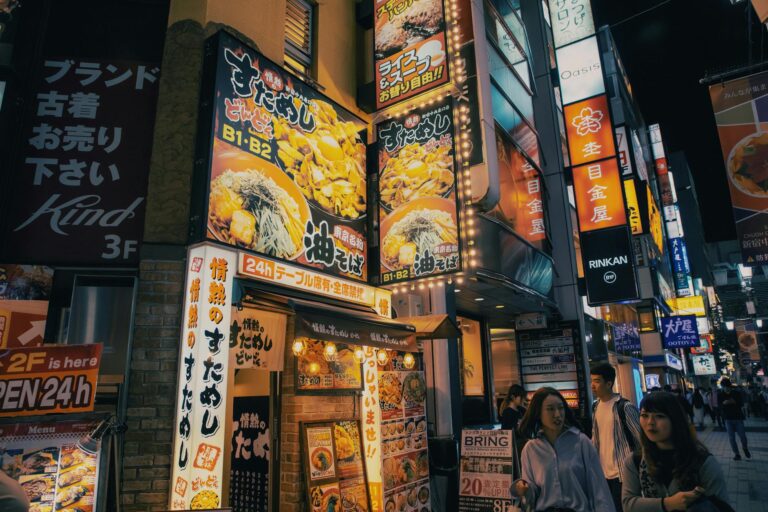
- East side: Kabukicho entertainment district, late-night dining, neon lights
- West side: Business district with observation decks and department stores
- South side: Shopping and restaurant complexes connected to the station
- 24-hour energy: Always something open, perfect for jet lag adjustment
Shinjuku Cons: Can feel overwhelming initially, station navigation takes practice, some areas get very crowded during rush hours.
Shibuya: Youth Culture and Urban Energy
Shibuya appeals to younger travelers and those seeking Tokyo’s modern pop culture heart.
Why Choose Shibuya
- Iconic experiences: Shibuya Crossing, Hachiko statue, Center Gai shopping
- Harajuku proximity: 15-minute walk or one train stop to fashion and kawaii culture
- Nightlife scene: Trendy bars, clubs, and late-night entertainment
- Shopping paradise: Shibuya 109, mega department stores, fashion boutiques
Hotel Costs and Availability
Shibuya hotels run 10-20% higher than Shinjuku:
- Budget business hotels: ¥15,000-20,000 per night
- International chains: ¥20,000-30,000 for prime locations
- Booking tip: Book early as popular hotels fill quickly
Shibuya Cons: More expensive than other areas, extremely crowded on weekends, can feel too youth-oriented for some travelers.
Asakusa: Traditional Tokyo on a Budget
Asakusa offers first-timers a completely different Tokyo experience centered around traditional culture and budget accommodation.
Cultural Immersion Benefits
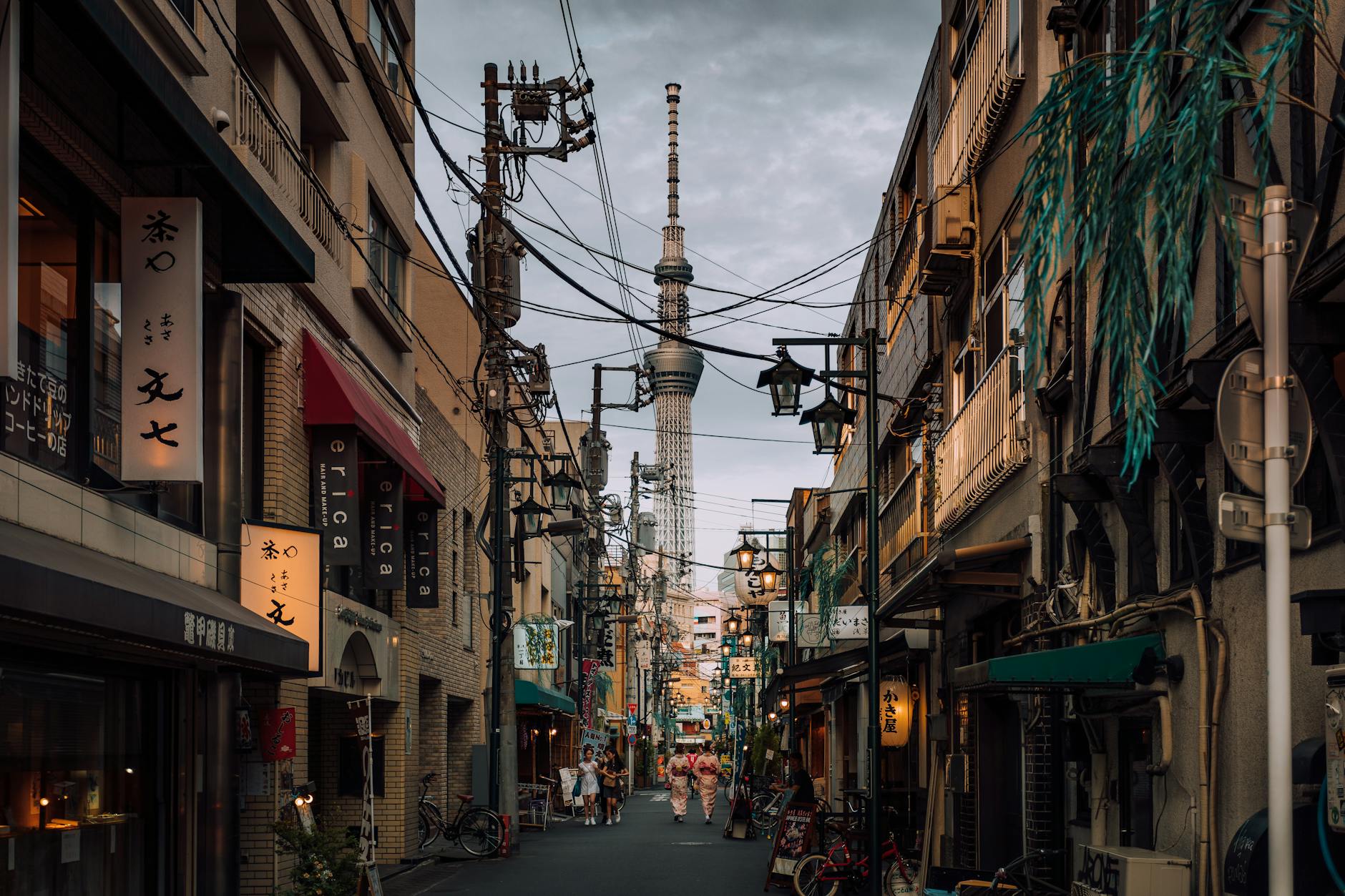
- Historic atmosphere: Traditional architecture, old-school shops, slower pace
- Senso-ji Temple: Tokyo’s oldest temple right at your doorstep
- Traditional dining: Authentic Japanese restaurants, tempura specialists, traditional sweets
- Cultural activities: Kimono rentals, traditional craft workshops, festivals
Budget-Friendly Accommodation
Asakusa delivers Tokyo’s best hotel values:
- Business hotels: ¥8,000-15,000 per night for quality rooms
- Ryokan options: Traditional inns from ¥12,000-20,000 with cultural experiences
- Hostel alternatives: Clean, modern hostels from ¥3,000-5,000 per bed
Transport Considerations
While not central, Asakusa connects efficiently:
- Asakusa Line: Direct access to both Narita and Haneda airports
- Ginza Line: Direct to Ginza, Shibuya, and Shimbashi
- Travel times: 25-30 minutes to major districts, still reasonable for daily sightseeing
Asakusa Cons: Less convenient for multiple daily destinations, fewer English-speaking services, limited late-night dining options.
Ginza: Luxury and Central Convenience
Ginza suits travelers prioritizing luxury, convenience, and easy access to business districts.
Premium Location Advantages
- Central position: 5-minute walk to Tokyo Station, direct access to Imperial Palace
- Shopping prestige: Flagship stores, luxury boutiques, department store basement food courts
- Dining excellence: Michelin-starred restaurants, high-end sushi, premium experiences
- Cultural access: Kabuki-za Theatre, art galleries, traditional crafts
Hotel Investment Required
Ginza demands significant accommodation budget:
- Luxury hotels: ¥30,000-60,000 per night for international brands
- Business hotels: Even basic options start around ¥20,000-25,000
- Value consideration: Price reflects location premium and service standards
Ginza Cons: Extremely expensive for all services, can feel stuffy for casual travelers, limited budget dining options.
Akihabara: Niche Appeal for Specific Interests
Akihabara works for travelers with specific interests in electronics, anime, or gaming culture.
Specialized Attractions
- Electronics paradise: Duty-free electronics, vintage gaming, tech accessories
- Otaku culture: Anime stores, manga shops, themed cafes, figurine collections
- Unique experiences: Maid cafes, retro arcades, electronics markets
Limited General Appeal
While fascinating for enthusiasts, Akihabara has drawbacks for general tourism:
- Narrow focus: Limited attractions outside electronics and anime
- Evening quiet: Most shops close early, limited nightlife options
- Tourist trap potential: Some shops target tourists with inflated prices
Hotel prices range ¥12,000-20,000 per night, reasonable but location limits broader sightseeing efficiency.
Choosing Based on Your Travel Type
Your ideal Tokyo neighborhood depends on your specific travel priorities and demographic.
Solo Female Travelers
Best choice: Shinjuku East – Excellent safety, 24-hour activity, women-only train cars during rush hours, numerous hotel options with security features.
Families with Young Children
Best choice: Asakusa – Slower pace, family-friendly restaurants, cultural activities, budget accommodation leaves more for experiences. Avoid Ginza’s high costs and Shibuya’s crowds.
Senior Travelers
Best choice: Ginza – Shorter walking distances, premium service standards, comfortable hotels, easy access to traditional culture and quality dining.
Digital Nomads
Best choice: Shinjuku West – Business district with reliable Wi-Fi, international hotel chains, co-working spaces, efficient transport for exploring.
Booking Strategy and Timing
Understanding Tokyo’s accommodation patterns helps secure better deals and availability.
Peak Season Considerations
- Cherry blossom season (March-April): Book 4-6 months ahead, expect 30-50% price increases
- Golden Week (late April-early May): Extreme demand, limited availability
- Summer festivals (July-August): High demand but manageable with advance booking
- Winter holidays: December 28-January 3 sees premium pricing
Money-Saving Booking Tips
- Book directly: Many Japanese hotels offer better rates on their official websites
- Weekday arrivals: Sunday-Thursday rates often 20-30% lower than weekends
- Package deals: Some hotels include breakfast or transport passes for value
When planning your Japan travel budget, factor accommodation location into total costs, not just nightly rates.
Frequently Asked Questions
Is Shinjuku safe for solo female travelers?
Yes, Shinjuku is very safe for solo female travelers. The main areas around Shinjuku Station are well-lit, heavily patrolled, and busy 24/7. The station has dedicated women-only train cars during rush hours, and most hotels have 24-hour front desk service.
How far is Asakusa from major Tokyo attractions?
Asakusa is 20-30 minutes from most major attractions by train. It’s 25 minutes to Shibuya, 30 minutes to Shinjuku, and 35 minutes to Harajuku. While not central, the Asakusa Line provides direct access to both Narita and Haneda airports.
Should families with young children stay in Ginza?
Ginza isn’t ideal for families with young children. While luxurious and central, it lacks family-friendly restaurants and activities. The high prices extend to everything from meals to souvenirs. Shinjuku or Asakusa offer better family value and amenities.
Can you walk from Shibuya to Harajuku easily?
Yes, Shibuya to Harajuku is a pleasant 15-20 minute walk through trendy Omotesando. You’ll pass designer shops and cafes, making it an enjoyable stroll. Alternatively, it’s just one stop on the JR Yamanote Line (3 minutes by train).
Is Akihabara only for anime fans?
While Akihabara is famous for anime and electronics, it offers more than otaku culture. You’ll find excellent electronics deals, retro gaming stores, and unique themed cafes. However, for general sightseeing, other neighborhoods offer broader appeal.
Which Tokyo area has the best English signage?
Shibuya and Shinjuku have the most English signage, followed by Ginza. Major stations, shopping centers, and tourist areas in these districts display clear English translations. Asakusa, being more traditional, has less English but still covers the basics.
What’s the cheapest Tokyo neighborhood for hotels?
Asakusa offers the most budget-friendly accommodation, with business hotels starting around ¥8,000 per night. Akihabara is also relatively affordable. Avoid Ginza and central Shibuya if budget is your primary concern.
Plan Your Japan Trip Today
Choosing the right Tokyo neighborhood sets the foundation for an unforgettable Japan experience. Shinjuku offers the perfect balance of convenience, value, and access for most first-time visitors, while other areas serve specific travel styles and interests.
Ready to explore more of Japan beyond Tokyo? Check out our comprehensive Japan itinerary guides for complete trip planning, or dive into our essential Japan travel tips to maximize your adventure. Book your Tokyo accommodation today and start planning the Japan trip you’ve always dreamed of.