
{
“@context”: “https://schema.org”,
“@type”: “FAQPage”,
“mainEntity”: [
{
“@type”: “Question”,
“name”: “What’s the cheapest way to visit Japan from Australia in 2026?”,
“acceptedAnswer”: {
“@type”: “Answer”,
“text”: “A budget 7-day trip costs around $2,800-3,200 AUD including flights ($800-900), hostels ($210-350), convenience store meals and ramen ($350-450), local transport ($100-150), and basic attractions ($200-300).”
}
},
{
“@type”: “Question”,
“name”: “How much should I budget for food per day in Japan?”,
“acceptedAnswer”: {
“@type”: “Answer”,
“text”: “Food costs vary by experience level: $25-35 AUD/day for convenience stores and casual dining, $50-70 AUD/day for mid-range restaurants, or $80-120 AUD/day including premium experiences like omakase or kaiseki dining.”
}
},
{
“@type”: “Question”,
“name”: “Is the JR Pass worth it for a 7-day Japan trip in 2026?”,
“acceptedAnswer”: {
“@type”: “Answer”,
“text”: “The 7-day JR Pass costs around $400-450 AUD and pays for itself if you take 2+ long-distance trips (Tokyo-Kyoto round trip alone costs $300+ AUD). It’s essential for multi-city itineraries but skip it for Tokyo-only trips.”
}
},
{
“@type”: “Question”,
“name”: “What’s the difference between budget and luxury accommodation costs in Japan?”,
“acceptedAnswer”: {
“@type”: “Answer”,
“text”: “Hostels/capsule hotels cost $30-50 AUD/night for social experiences, business hotels are $100-180 AUD/night for comfort and location, while traditional ryokan with meals cost $250-450 AUD/night for cultural immersion.”
}
},
{
“@type”: “Question”,
“name”: “How much extra should I budget for attractions and experiences in Japan?”,
“acceptedAnswer”: {
“@type”: “Answer”,
“text”: “Basic sightseeing costs $200-400 AUD per week (temples are often free, major attractions $20-40), while premium experiences like teamLab ($30), Disneyland ($80), or private tours add $500-1000 AUD to your trip.”
}
},
{
“@type”: “Question”,
“name”: “When are flights from Australia to Japan cheapest in 2026?”,
“acceptedAnswer”: {
“@type”: “Answer”,
“text”: “Avoid peak seasons (cherry blossom season March-May, Golden Week early May, summer holidays July-August, autumn foliage November). Cheapest flights are typically January-February and September, saving $200-400 AUD vs peak periods.”
}
},
{
“@type”: “Question”,
“name”: “Should I exchange money before traveling to Japan in 2026?”,
“acceptedAnswer”: {
“@type”: “Answer”,
“text”: “Japan is increasingly cashless in 2026, but still cash-heavy for small vendors. Bring $200-300 AUD in cash, exchange more at 7-Eleven ATMs upon arrival, and use IC cards or international cards for most payments.”
}
}
]
}
{
“@context”: “https://schema.org”,
“@type”: “TravelAction”,
“name”: “Travel to Japan — Planning Your Japan Trip Budget: What to Expect”,
“description”: “A 7-day Japan trip from Australia costs $3,500-5,500 AUD all-in. Here’s what you get at each budget level, from flights to accommodation and dining experiences.”,
“toLocation”: {
“@type”: “Country”,
“name”: “Japan”
}
}
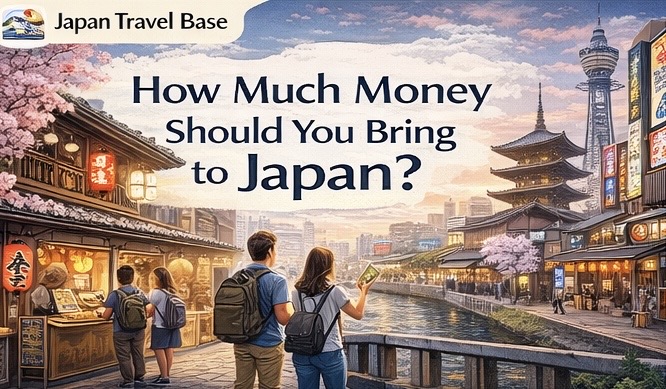
Wondering how much a trip to Japan costs from Australia in 2026? A comfortable 7-day trip typically runs $3,500-5,500 AUD all-in, with the biggest variables being your accommodation style and dining choices. Whether you’re backpacking through hostels or indulging in ryokan luxury, Japan offers incredible value when you understand what experiences you’re paying for.
The key to budgeting for Japan isn’t about finding the cheapest options—it’s about choosing the right experiences for your travel style. From $800 economy flights to $450-per-night ryokan stays, every price point delivers genuine value and authentic Japanese experiences.
Flight Costs: Sydney to Tokyo in 2026
Your biggest single expense will be flights, but there’s significant flexibility based on timing and airline choice.
Economy Flight Options
- Budget carriers (Jetstar, AirAsia X): $800-1,000 AUD return
- Full-service economy (Qantas, JAL, ANA): $1,200-1,600 AUD return
- Premium economy: $2,000-2,800 AUD return
The experience difference is significant. Budget carriers mean basic seats and potential stopovers, while full-service airlines offer better legroom, meals, and direct flights. For most travelers, mid-range economy around $1,200-1,400 AUD provides the best balance of comfort and value.
When to Book for Best Prices
Peak season flights (March-May cherry blossoms, July-August summer, November autumn colors) cost $300-500 AUD more than shoulder seasons. January-February and September offer the best flight deals, often under $1,000 AUD return on budget carriers.
Accommodation: What Each Budget Level Gets You
Japan’s accommodation ranges from social hostels to world-class luxury, with each tier offering distinct experiences rather than just upgraded amenities.
Budget: Hostels and Capsule Hotels ($30-50 AUD/night)
- Capsule hotels: $40-55 AUD in Tokyo/Osaka, $30-40 AUD in smaller cities
- Hostel dorms: $30-45 AUD in prime locations
- What you get: Central locations, social atmosphere, basic amenities
Don’t underestimate this tier—Japanese hostels and capsule hotels are exceptionally clean and often in better locations than mid-range hotels in other countries. Perfect for solo travelers and those prioritizing exploration over room time.
Mid-Range: Business Hotels ($100-180 AUD/night)
- Chain hotels (APA, Route Inn, Daiwa Roynet): $100-130 AUD
- International brands (Hyatt, Marriott): $150-200 AUD
- What you get: Private room, excellent locations, 24/7 service
This is the sweet spot for most travelers. Japanese business hotels offer compact but perfectly designed rooms with everything you need. Staff often speak English, and you’re typically within walking distance of major stations and attractions.
Luxury: Traditional Ryokan ($250-450 AUD/night)
- Standard ryokan with meals: $250-350 AUD per person
- Premium ryokan with private onsen: $350-450 AUD per person
- What you get: Tatami rooms, kaiseki dinner, onsen baths, cultural immersion
Every Japan trip should include at least one ryokan night. This isn’t just accommodation—it’s a complete cultural experience including traditional architecture, multi-course kaiseki meals, and natural hot spring baths. The memories justify the cost.
Daily Food Costs: From Convenience Stores to Omakase
Japan’s food scene spans every budget, and surprisingly, some of the best experiences are also the most affordable.
Budget Dining ($25-35 AUD/day)
- Convenience store breakfast: $5-8 AUD (surprisingly delicious and part of the Japan experience)
- Ramen or soba lunch: $10-15 AUD
- Chain restaurant dinner: $12-18 AUD
Japanese convenience stores revolutionize budget travel—high-quality onigiri, bento boxes, and hot food that rivals restaurant quality at fraction of the price. Many travelers discover 7-Eleven meals become a highlight, not a compromise.
Mid-Range Dining ($50-70 AUD/day)
- Café breakfast: $12-18 AUD
- Set lunch at mid-range restaurant: $20-30 AUD
- Izakaya dinner with drinks: $35-45 AUD
This level unlocks Japan’s incredible variety—from perfect sushi sets to elaborate ramen, traditional kaiseki lunch courses to modern fusion. You’ll eat exceptionally well while experiencing authentic local dining culture.
Premium Dining ($80-120 AUD/day)
- Hotel breakfast buffet: $25-35 AUD
- Omakase sushi lunch: $60-90 AUD
- Specialty dinner (wagyu, kaiseki, high-end sushi): $100-150 AUD
Japan’s premium dining represents some of the world’s best culinary experiences. An omakase meal or kaiseki dinner becomes a trip highlight—worth budgeting for at least once or twice during your stay.
Transportation: IC Cards vs JR Pass
Japan’s transport is efficient but costs vary dramatically based on your itinerary type.
City-Only Travel ($100-150 AUD/week)
- IC card (Suica/Pasmo): $15-25 AUD daily for unlimited city transit
- Airport transfers: $15-30 AUD each way
- Occasional taxis: $20-40 AUD for short trips
If staying in Tokyo or Osaka only, skip the JR Pass. IC cards work seamlessly across all city transport—trains, buses, even some shops. Load money once and tap everywhere.
Multi-City Travel: JR Pass ($400-700 AUD)
- 7-day JR Pass: ~$400 AUD
- 14-day JR Pass: ~$650 AUD
- 21-day JR Pass: ~$700 AUD
The JR Pass pays for itself with just two long-distance trips. Tokyo to Kyoto return costs over $300 AUD individually, so multi-city itineraries make the pass essential. It also covers local JR trains in cities, adding convenience value.
For detailed transport planning, check our comprehensive guide on JR Pass vs IC Card: Which Transport Option Suits Your Japan Trip.
Attractions and Experiences: Free Temples to Premium Parks
Japan’s attractions span from free temple visits to premium experiences, with most major sights reasonably priced.
Free and Low-Cost Attractions
- Most temples and shrines: Free or under $10 AUD
- Public parks and gardens: Free to $15 AUD
- City observation decks: $15-25 AUD
- Local festivals and markets: Free
Mid-Range Attractions ($20-50 AUD)
- Major temples (Kinkaku-ji, Fushimi Inari): $3-8 AUD
- TeamLab Borderless/Planets: $30-35 AUD
- Castles and historic sites: $8-20 AUD
- Specialty museums: $15-30 AUD
Premium Experiences ($50-120 AUD)
- Tokyo Disneyland/DisneySea: ~$80 AUD
- Universal Studios Japan: ~$75 AUD
- Private cultural experiences: $100-200 AUD
- Premium sake tastings: $60-120 AUD
Budget $200-400 AUD per week for standard sightseeing, or $500-800 AUD including premium experiences. Many of Japan’s most memorable moments—like wandering through Kyoto’s bamboo groves or watching sunset from Tokyo’s free observation decks—cost nothing.
Total Budget Breakdown by Travel Style
Here’s what complete 7-day Japan trips look like at different budget levels:
Budget Backpacker ($2,800-3,200 AUD)
- Flights: $800-900 AUD
- Accommodation: $210-350 AUD (hostels/capsules)
- Food: $175-245 AUD (convenience stores, ramen)
- Transport: $100-150 AUD (IC cards only)
- Attractions: $150-250 AUD
- Miscellaneous: $200-300 AUD
Comfortable Mid-Range ($3,500-4,500 AUD)
- Flights: $1,200-1,400 AUD
- Accommodation: $700-1,260 AUD (business hotels)
- Food: $350-490 AUD (mix of casual and mid-range)
- Transport: $400-500 AUD (JR Pass + local transport)
- Attractions: $300-500 AUD
- Miscellaneous: $300-400 AUD
Luxury Experience ($4,800-6,500 AUD)
- Flights: $1,400-2,000 AUD
- Accommodation: $1,400-2,100 AUD (mix of hotels and ryokan)
- Food: $560-840 AUD (including premium dining)
- Transport: $500-600 AUD (JR Pass + taxis)
- Attractions: $500-800 AUD (premium experiences)
- Miscellaneous: $400-600 AUD
Money-Saving Tips Without Compromising Experience
- Travel during shoulder seasons: Save $300-500 AUD on flights and accommodation
- Mix accommodation types: Stay in business hotels most nights, splurge on one ryokan night
- Embrace convenience store culture: High-quality breakfast for under $8 AUD
- Use lunch sets: Many high-end restaurants offer affordable lunch versions
- Book flights 2-3 months ahead: Best balance of price and flexibility
- Download currency apps: Track spending in real-time to avoid surprises
Want a personalised estimate for your specific trip? Try our free Japan Budget Calculator—choose your travel style and duration to get a breakdown in seconds.
Planning Your Itinerary Budget by Length
Different trip lengths require different budget strategies and accommodation approaches.
3-Day Tokyo Focus ($1,800-2,800 AUD)
Short trips benefit from splurging on location over luxury. Stay in central Shinjuku or Shibuya business hotels, skip the JR Pass, and prioritize must-see experiences. Check our Perfect Japan Itineraries: 3, 5 & 7-Day Travel Plans for 2026 for optimized short-trip planning.
7-Day Classic Circuit ($3,500-5,500 AUD)
The sweet spot for first-time visitors covering Tokyo, Kyoto, and Osaka. JR Pass becomes essential, and you can afford to mix accommodation types—business hotels in cities, one ryokan night in Hakone or rural Kyoto.
10+ Day Deep Dive ($4,500-7,500 AUD)
Longer trips allow for regional exploration and seasonal experiences. Budget for domestic flights to distant regions like Kyushu or Hokkaido, and consider our Complete Guide to Hub Cities & Regional Bases for strategic base planning.
Hidden Costs to Budget For
- Internet connectivity: $30-50 AUD for pocket Wi-Fi or eSIM plans
- Luggage storage: $5-10 AUD per day at major stations
- Travel insurance: $80-150 AUD depending on coverage
- Visa fees: None for Australian passport holders (90-day tourist visa on arrival)
- Currency exchange fees: $30-60 AUD depending on your bank
- Souvenir shipping: $50-200 AUD if you buy too much (and you will!)
Seasonal Budget Variations
Japan’s costs fluctuate significantly by season, affecting both availability and prices.
Peak Season Premiums (March-May, July-August, November)
- Accommodation: 50-100% higher, especially ryokan
- Flights: $300-500 AUD premium from Australia
- Popular restaurants: Extended wait times, some require advance booking
Value Seasons (January-February, June, September)
- Accommodation: Standard rates, better availability
- Flights: Lowest prices, especially January-February
- Attractions: Smaller crowds, more spontaneous experiences
For crowd-beating strategies during busy periods, see our Japan Golden Week Travel Tips: How to Avoid Crowds.
Frequently Asked Questions
What’s the cheapest way to visit Japan from Australia in 2026?
A budget 7-day trip costs around $2,800-3,200 AUD including flights ($800-900), hostels ($210-350), convenience store meals and ramen ($350-450), local transport ($100-150), and basic attractions ($200-300).
How much should I budget for food per day in Japan?
Food costs vary by experience level: $25-35 AUD/day for convenience stores and casual dining, $50-70 AUD/day for mid-range restaurants, or $80-120 AUD/day including premium experiences like omakase or kaiseki dining.
Is the JR Pass worth it for a 7-day Japan trip in 2026?
The 7-day JR Pass costs around $400-450 AUD and pays for itself if you take 2+ long-distance trips (Tokyo-Kyoto round trip alone costs $300+ AUD). It’s essential for multi-city itineraries but skip it for Tokyo-only trips.
What’s the difference between budget and luxury accommodation costs in Japan?
Hostels/capsule hotels cost $30-50 AUD/night for social experiences, business hotels are $100-180 AUD/night for comfort and location, while traditional ryokan with meals cost $250-450 AUD/night for cultural immersion.
How much extra should I budget for attractions and experiences in Japan?
Basic sightseeing costs $200-400 AUD per week (temples are often free, major attractions $20-40), while premium experiences like teamLab ($30), Disneyland ($80), or private tours add $500-1000 AUD to your trip.
When are flights from Australia to Japan cheapest in 2026?
Avoid peak seasons (cherry blossom season March-May, Golden Week early May, summer holidays July-August, autumn foliage November). Cheapest flights are typically January-February and September, saving $200-400 AUD vs peak periods.
Should I exchange money before traveling to Japan in 2026?
Japan is increasingly cashless in 2026, but still cash-heavy for small vendors. Bring $200-300 AUD in cash, exchange more at 7-Eleven ATMs upon arrival, and use IC cards or international cards for most payments.
Plan Your Japan Trip Today
Now you know exactly what a Japan trip costs and what experiences each budget level unlocks. The key isn’t finding the cheapest options—it’s choosing the right balance of comfort, culture, and adventure for your travel style.
Ready to start planning? Use our Japan Budget Calculator to create a personalized estimate based on your specific preferences and travel dates. From budget backpacker adventures to luxury cultural immersions, Japan offers incredible value at every price point.
Your Japan adventure awaits—and now you know exactly what it will cost to make it unforgettable.