
{
“@context”: “https://schema.org”,
“@type”: “FAQPage”,
“mainEntity”: [
{
“@type”: “Question”,
“name”: “What’s the best travel base in Japan for first-time visitors?”,
“acceptedAnswer”: {
“@type”: “Answer”,
“text”: “Tokyo is the best travel base for first-time visitors, offering unmatched connectivity via Shinkansen to all major destinations, the most international amenities, and diverse accommodation options from $30 hostels to $800+ luxury hotels.”
}
},
{
“@type”: “Question”,
“name”: “Is Osaka or Tokyo better as a travel base for exploring Japan?”,
“acceptedAnswer”: {
“@type”: “Answer”,
“text”: “Osaka is better for exploring Kansai region (Kyoto, Nara, Kobe) and offers 20-30% cheaper accommodation than Tokyo. Tokyo is better for accessing northern and eastern Japan, plus offers more international flight connections.”
}
},
{
“@type”: “Question”,
“name”: “How much does it cost to base yourself in different Japanese cities in 2026?”,
“acceptedAnswer”: {
“@type”: “Answer”,
“text”: “Daily accommodation costs vary significantly: Tokyo ($40-120), Osaka ($30-90), Kyoto ($35-100), regional cities like Kanazawa ($25-70). Add $50-80 daily for meals and local transport regardless of your base.”
}
},
{
“@type”: “Question”,
“name”: “Can you use regional cities as travel bases in Japan?”,
“acceptedAnswer”: {
“@type”: “Answer”,
“text”: “Yes, cities like Kanazawa, Fukuoka, and Hiroshima work as excellent regional bases. They offer authentic experiences, lower costs (30-50% less than Tokyo), and access to less crowded destinations, though with more limited connectivity.”
}
},
{
“@type”: “Question”,
“name”: “What are the transport advantages of different travel bases in Japan?”,
“acceptedAnswer”: {
“@type”: “Answer”,
“text”: “Tokyo offers the most JR Pass coverage and flight connections. Osaka provides central access to Kansai attractions. Regional bases like Kanazawa offer local train networks and authentic experiences but require more travel time to reach other regions.”
}
},
{
“@type”: “Question”,
“name”: “Should solo travelers choose different travel bases in Japan?”,
“acceptedAnswer”: {
“@type”: “Answer”,
“text”: “Solo travelers benefit from Tokyo’s extensive hostel network, English signage, and 24/7 services. Smaller bases like Kanazawa offer more opportunities for local interaction but require stronger Japanese skills or translation apps.”
}
},
{
“@type”: “Question”,
“name”: “How do you plan a multi-base strategy for exploring Japan?”,
“acceptedAnswer”: {
“@type”: “Answer”,
“text”: “Plan 2-3 bases maximum for trips over 10 days: Start in Tokyo (4-5 days), move to Osaka/Kyoto (4-5 days), then choose a regional base like Hiroshima or Kanazawa (3-4 days). This balances convenience with authentic experiences.”
}
}
]
}
{
“@context”: “https://schema.org”,
“@type”: “TravelAction”,
“name”: “Travel to Japan — SEO Strengthen: japantravelbase.com”,
“description”: “Choosing a travel base in Japan? Tokyo, Osaka, and regional hubs offer different advantages. Our 2026 guide helps you pick the perfect base for your trip style and budget.”,
“toLocation”: {
“@type”: “Country”,
“name”: “Japan”
}
}
Looking for the perfect travel base in Japan to maximize your 2026 adventure while minimizing costs and travel time? The key is matching your base city to your trip goals, budget, and travel style. Tokyo offers unparalleled connectivity and international amenities, Osaka provides central access to Kansai’s cultural treasures at lower costs, while regional hubs like Kanazawa and Fukuoka deliver authentic experiences with significant savings.
Your choice of travel base fundamentally shapes your Japan experience, affecting everything from daily accommodation costs (ranging from $30-120+ depending on location) to access to major attractions and authentic local culture.
Why Your Travel Base Choice Matters More in Japan Than Anywhere Else
Japan’s unique geography and transport system make your base selection critical. Unlike European cities connected by budget airlines, Japan relies on an extensive but expensive rail network where a Tokyo-Hiroshima round trip costs $320+ without a JR Pass. Choose poorly, and you’ll spend excessive time and money on transport rather than experiencing Japan.
The “hub and spoke” strategy works exceptionally well in Japan due to the reliable train system, but different hubs offer distinct advantages:
- Connectivity hubs (Tokyo, Osaka) provide maximum flexibility
- Cultural hubs (Kyoto, Kanazawa) offer immersive experiences
- Regional hubs (Fukuoka, Hiroshima) balance authenticity with cost savings
- Budget hubs (smaller cities) maximize value for extended stays
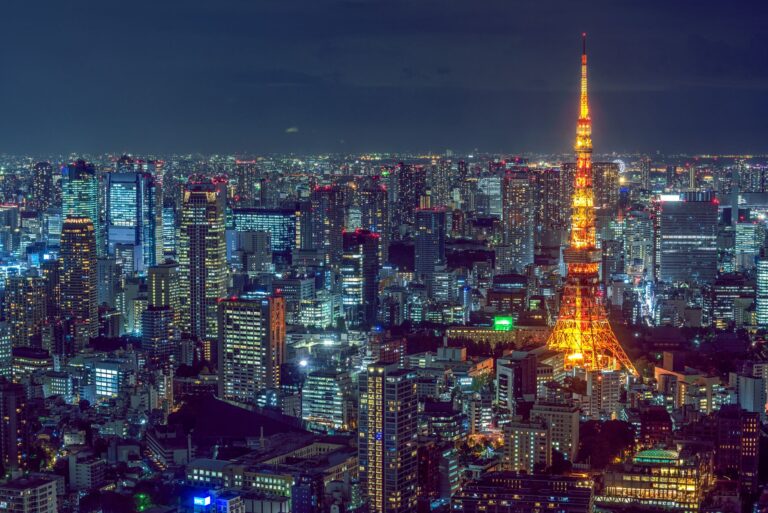
Tokyo as Your Travel Base: Maximum Connectivity at Premium Costs
Tokyo remains the most practical travel base for first-time visitors and those prioritizing convenience. As Japan’s transport epicenter, Tokyo’s various districts offer different advantages and price points for base-building your itinerary.
Tokyo’s Travel Base Advantages
- Unmatched connectivity: Direct Shinkansen access to all major destinations
- International amenities: English signage, international food, 24/7 services
- Accommodation variety: From $30 hostel beds to $800+ luxury hotels
- Flight hub: Narita and Haneda airports with global connections
- JR Pass optimization: Maximum value from unlimited travel passes
Tokyo Base Cost Breakdown (2026)
- Budget accommodation: $30-50/night (hostels, capsule hotels)
- Mid-range hotels: $80-120/night
- Luxury hotels: $200-800+/night
- Daily meals: $25-60 (convenience stores to mid-range restaurants)
- Local transport: $8-15/day with IC card
Best Tokyo Districts for Travel Bases
- Shinjuku: Transport hub with diverse accommodation and nightlife
- Shibuya: Youth culture center with excellent train connections
- Ginza: Upmarket area near Tokyo Station (Shinkansen departure point)
- Asakusa: Traditional atmosphere with budget-friendly options
Osaka Travel Base: Cultural Access with Better Value
Osaka serves as an excellent alternative base, particularly for travelers prioritizing Kansai region exploration. The Osaka and Kyoto corridor offers Japan’s densest concentration of cultural attractions within easy day-trip distance.
Osaka Base Advantages
- Cost savings: 20-30% cheaper accommodation than Tokyo
- Cultural proximity: Kyoto (30 min), Nara (45 min), Kobe (20 min)
- Food capital: Incredible street food and restaurant scene
- Kansai Airport: International gateway with budget airline options
- Less crowded: More manageable than Tokyo’s intensity
Osaka Base Cost Comparison (2026)
- Budget accommodation: $25-40/night (20% less than Tokyo)
- Mid-range hotels: $60-90/night
- Daily meals: $20-50 (excellent street food options)
- Regional transport: $5-20/day for Kansai exploration
Regional Travel Bases: Authentic Experiences and Budget Benefits
Regional hubs offer the sweet spot between authenticity and practicality, particularly for travelers seeking deeper cultural immersion or extended stays. These bases work excellently for specific regional exploration.
Top Regional Travel Base Options
Kanazawa: Northern Japan Cultural Hub
Kanazawa provides access to the Japan Sea coast, traditional gardens, and authentic samurai culture.
- Best for: Cultural immersion, traditional crafts, seasonal beauty
- Day trip access: Shirakawa-go, Takayama, Toyama
- Accommodation costs: $25-70/night
- Authenticity factor: High – fewer international tourists
Fukuoka: Southern Japan Gateway
Fukuoka serves as the perfect base for Kyushu exploration with exceptional food culture and reasonable costs.
- Best for: Food tourism, hot springs, less crowded attractions
- Day trip access: Beppu, Kumamoto, Nagasaki
- Accommodation costs: $30-80/night
- Special advantages: Korean ferry connections, unique regional cuisine
Hiroshima: Western Honshu Base
The Hiroshima region offers profound historical experiences alongside natural beauty.
- Best for: Historical tourism, island hopping, cultural reflection
- Day trip access: Miyajima, Onomichi, Okayama
- Accommodation costs: $35-85/night
- Transport advantages: Shinkansen stop with western Japan access
Multi-Base Strategy: When and How to Move Your Base
For trips longer than 7-10 days, a multi-base strategy maximizes both convenience and authenticity while managing luggage logistics effectively.
Optimal Multi-Base Sequences
10-Day Classic Route
- Tokyo base (4 days): City exploration, day trips to Nikko/Kamakura
- Osaka base (4 days): Osaka, Kyoto, Nara exploration
- Regional base (2 days): Hiroshima or Kanazawa for cultural depth
14-Day Comprehensive Route
- Tokyo base (5 days): Tokyo + Hakone + Mount Fuji
- Kanazawa base (3 days): Traditional Japan + Shirakawa-go
- Osaka base (4 days): Kansai cultural triangle
- Hiroshima base (2 days): Historical sites + Miyajima
Base-Moving Logistics
- Luggage forwarding: Use takkyubin service ($15-25) to send bags ahead
- Timing moves: Travel between bases in morning to maximize settlement time
- JR Pass timing: Activate passes to cover inter-city moves efficiently
- Reservation strategy: Book accommodation for next base before departing
Solo Traveler Base Strategies: Safety, Social, and Savings
Solo travelers benefit from different base considerations, prioritizing safety, social opportunities, and solo-friendly amenities.
Solo-Friendly Base Features
- Hostel networks: Tokyo and Osaka offer extensive solo accommodation
- English support: Larger cities provide more international services
- 24/7 services: Convenience stores, transport, emergency support
- Social opportunities: International community and organized activities
- Safety infrastructure: Well-lit areas, police boxes, helpful locals
Best Solo Travel Base Rankings
- Tokyo: Maximum support infrastructure and solo traveler community
- Osaka: Great solo food culture and affordable accommodation
- Kyoto: Cultural immersion with good solo infrastructure
- Hiroshima: Manageable size with meaningful solo experiences
- Kanazawa: Authentic experiences requiring more Japanese skills
Budget Optimization by Base Choice: Real 2026 Cost Analysis
Your base choice dramatically affects total trip costs. Here’s how different strategies impact budgets across various travel styles.
Daily Budget Breakdown by Base (2026)
Tokyo Base – Premium Convenience
- Budget traveler: $80-100/day (hostel, convenience store meals, local transport)
- Mid-range traveler: $150-200/day (business hotel, restaurant meals, some activities)
- Luxury traveler: $400-800+/day (high-end hotel, fine dining, premium experiences)
Osaka Base – Value Balance
- Budget traveler: $60-80/day (25% savings on accommodation and food)
- Mid-range traveler: $120-160/day (better value for cultural experiences)
- Luxury traveler: $300-600/day (excellent high-end options with savings)
Regional Base (Kanazawa/Fukuoka) – Maximum Value
- Budget traveler: $50-70/day (significant savings on accommodation)
- Mid-range traveler: $100-140/day (premium experiences at reasonable costs)
- Luxury traveler: $250-500/day (authentic luxury with regional flavor)
Transport Cost Considerations
Base choice affects transport expenses significantly:
- JR Pass value: Maximized with Tokyo base, good value with Osaka base
- Regional passes: Better value for single-region exploration
- IC card usage: Essential for all bases, ~$15-25/day for local transport
- Day trip costs: Factor $50-150 for transport to major attractions from each base
Seasonal Base Strategies: Matching Bases to Travel Times
Different seasons favor different travel bases due to weather patterns, crowd levels, and seasonal attractions.
Spring (March-May) Base Recommendations
- Cherry blossom timing: Southern Japan blooms first (Fukuoka), moves north
- Crowd management: Avoid Tokyo during Golden Week
- Best strategy: Start south (Fukuoka/Hiroshima), move north following blooms
Summer (June-August) Base Strategies
- Heat management: Northern bases (Tokyo area) more comfortable
- Festival season: Tokyo and Osaka offer major summer festivals
- Mountain access: Alpine routes accessible from Tokyo base
Autumn (September-November) Optimal Bases
- Foliage timing: Mountain areas peak first, cities follow
- Perfect weather: All bases comfortable, maximum flexibility
- Cultural season: Kyoto and Kanazawa particularly beautiful
Winter (December-February) Base Selection
- Snow country access: Kanazawa and northern bases for winter sports
- Illuminations: Tokyo offers spectacular winter light displays
- Hot springs: Regional bases provide better onsen access
Technology and Connectivity for Base Management
Managing your Japan travel base effectively requires reliable connectivity and the right digital tools. Staying connected in Japan is crucial for navigation, translation, and booking services.
Essential Apps for Base-Based Travel
- Hyperdia/Google Maps: Train timing and route planning from your base
- PayPay: Cashless payments (widely accepted in 2026)
- Google Translate: Camera translation for menus and signs
- Booking apps: Rakuten Travel, Booking.com for accommodation
- IC card apps: Digital Suica/PASMO integration
Base-Specific Digital Strategies
- Tokyo base: Download area-specific transit apps for complex subway systems
- Regional bases: Offline maps crucial for areas with limited English signage
- Cultural bases: QR code museum guides and audio tour apps
Frequently Asked Questions
What’s the best travel base in Japan for first-time visitors?
Tokyo is the best travel base for first-time visitors, offering unmatched connectivity via Shinkansen to all major destinations, the most international amenities, and diverse accommodation options from $30 hostels to $800+ luxury hotels.
Is Osaka or Tokyo better as a travel base for exploring Japan?
Osaka is better for exploring Kansai region (Kyoto, Nara, Kobe) and offers 20-30% cheaper accommodation than Tokyo. Tokyo is better for accessing northern and eastern Japan, plus offers more international flight connections.
How much does it cost to base yourself in different Japanese cities in 2026?
Daily accommodation costs vary significantly: Tokyo ($40-120), Osaka ($30-90), Kyoto ($35-100), regional cities like Kanazawa ($25-70). Add $50-80 daily for meals and local transport regardless of your base.
Can you use regional cities as travel bases in Japan?
Yes, cities like Kanazawa, Fukuoka, and Hiroshima work as excellent regional bases. They offer authentic experiences, lower costs (30-50% less than Tokyo), and access to less crowded destinations, though with more limited connectivity.
What are the transport advantages of different travel bases in Japan?
Tokyo offers the most JR Pass coverage and flight connections. Osaka provides central access to Kansai attractions. Regional bases like Kanazawa offer local train networks and authentic experiences but require more travel time to reach other regions.
Should solo travelers choose different travel bases in Japan?
Solo travelers benefit from Tokyo’s extensive hostel network, English signage, and 24/7 services. Smaller bases like Kanazawa offer more opportunities for local interaction but require stronger Japanese skills or translation apps.
How do you plan a multi-base strategy for exploring Japan?
Plan 2-3 bases maximum for trips over 10 days: Start in Tokyo (4-5 days), move to Osaka/Kyoto (4-5 days), then choose a regional base like Hiroshima or Kanazawa (3-4 days). This balances convenience with authentic experiences.
Plan Your Japan Trip Today
Choosing the right travel base transforms your Japan experience from good to extraordinary. Whether you prioritize Tokyo’s convenience, Osaka’s value, or regional authenticity, matching your base to your travel style and budget ensures maximum enjoyment and minimum stress.
Ready to start planning? Check out our detailed itineraries tailored to different base strategies, or explore our comprehensive Japan travel guide for detailed planning assistance. Your perfect Japan adventure starts with choosing the right base – and we’re here to help you make that decision with confidence.