
Japan’s Kansai region offers the perfect blend of culinary adventure and cultural immersion through the twin powerhouses of Osaka and Kyoto. While Osaka tantalizes your taste buds as Japan’s kitchen, Kyoto enchants with over 2,000 temples and traditional districts. Located just 30 minutes apart by train, these cities form the ideal base for exploring Japan’s ancient capital and modern food paradise in 2026.
This comprehensive guide covers everything from Osaka’s legendary street food scene in Dotonbori to Kyoto’s iconic Fushimi Inari shrine, plus practical tips for seamlessly hopping between both cities during your Japan adventure.
Getting to Osaka and Kyoto in 2026
Most international visitors arrive through Kansai International Airport (KIX), perfectly positioned to serve both cities. The airport connects directly to central Osaka in 45 minutes via the Kansai Airport Express, while Kyoto is accessible in under 90 minutes.
Citizens from Australia, the USA, UK, and most Southeast Asian countries enjoy visa-free entry to Japan for tourism stays up to 90 days as of 2026. The Japan Rail Pass, now priced around $400-700 USD depending on duration, remains excellent value for exploring the Kansai region and beyond.
Osaka: Japan’s Ultimate Food Destination
Known as “Japan’s kitchen,” Osaka delivers an unparalleled culinary experience that goes far beyond sushi. The city’s food culture revolves around hearty, affordable dishes that locals call “kuidaore” – eating until you drop.
Dotonbori: Neon-Lit Food Paradise
Dotonbori represents Osaka at its most vibrant, with massive neon signs, bustling crowds, and incredible street food at every turn. This entertainment district along the Dotonbori River serves up Osaka’s most famous dishes:
- Takoyaki: Octopus balls from legendary stalls like Juhachiban or Kukuru
- Okonomiyaki: Savory pancakes at Mizuno or Kiji
- Kushikatsu: Deep-fried skewers at Daruma, the original kushikatsu restaurant
- Horumon: Grilled organ meat at local yakitori joints
The iconic Glico Running Man sign provides the perfect Instagram backdrop, while the mechanical dragon at Kinryu Ramen creates unforgettable memories. Remember that credit cards and IC payment cards like ICOCA are now widely accepted at most Dotonbori establishments as of 2026.
Kuromon Ichiba Market: Fresh Flavors and Local Life
Kuromon Market, nicknamed “Osaka’s kitchen,” offers a more authentic local food experience away from tourist crowds. This 600-meter covered market has served Osaka residents for over 190 years, featuring:
- Fresh sashimi and sushi at unbeatable prices
- Wagyu beef skewers grilled to perfection
- Seasonal fruits like perfectly ripe strawberries and melons
- Traditional Japanese sweets and mochi
Visit early morning (around 9 AM) for the freshest selection and fewer crowds. Many vendors now accept cashless payments, making shopping more convenient for international visitors.
Beyond the Famous Districts
Venture beyond Dotonbori to discover Osaka’s hidden culinary gems:
- Shinsekai: Retro district famous for kushikatsu and the towering Tsutenkaku Tower
- Sumiyoshi Taisha: One of Japan’s oldest shrines, perfect for combining culture with nearby local eateries
- Osaka Castle: Historic landmark surrounded by food trucks and seasonal festivals
Kyoto: Ancient Capital of Culture and Tradition
Just 30 minutes from Osaka, Kyoto transports visitors into Japan’s imperial past with over 2,000 temples, traditional wooden houses, and geisha districts that have remained unchanged for centuries.
Fushimi Inari: The Iconic Thousand Torii Gates
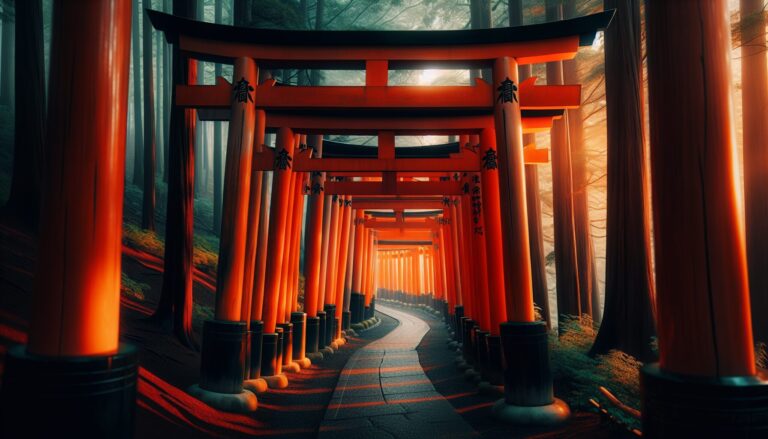
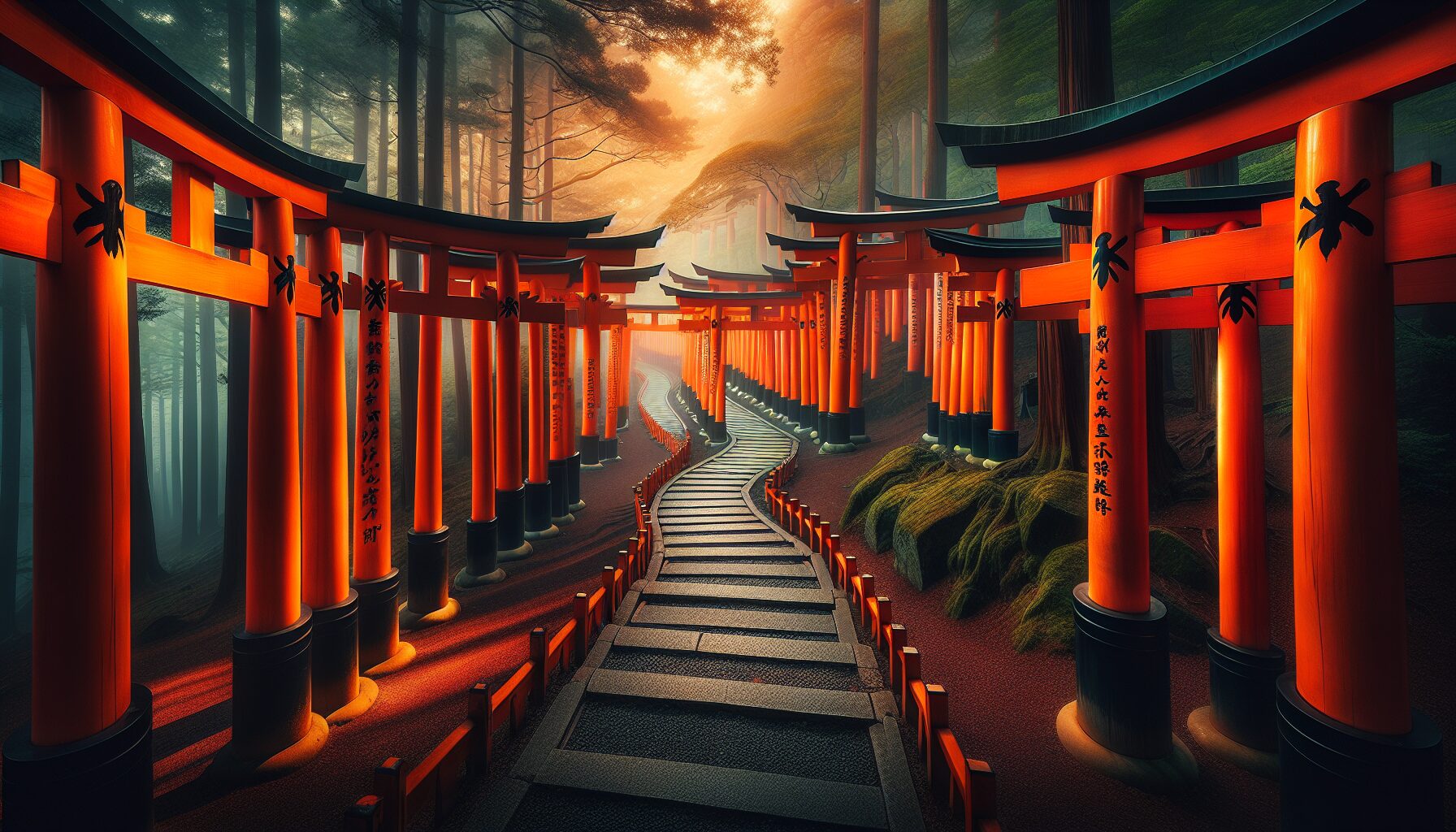
Fushimi Inari Taisha tops every Japan itinerary for good reason. This mountainside shrine features over 10,000 vermillion torii gates creating tunnels up Mount Inari. The full hike takes 2-3 hours, but you can turn back at any point for stunning views over Kyoto.
Pro tips for visiting Fushimi Inari in 2026:
- Arrive before 8 AM or after 4 PM to avoid peak crowds
- Wear comfortable walking shoes for the mountain trail
- Bring water, especially during summer months
- The shrine is free to enter and open 24 hours
Arashiyama: Bamboo Groves and Mountain Views
The Arashiyama district offers Kyoto’s most photogenic natural scenery, centered around the famous Bamboo Grove. This ethereal forest creates a green cathedral effect as sunlight filters through towering bamboo stalks.
Don’t miss these Arashiyama highlights:
- Tenryu-ji Temple: UNESCO World Heritage site with pristine zen gardens
- Togetsukyo Bridge: Scenic bridge perfect for cherry blossom viewing
- Monkey Park Iwatayama: Mountain park with wild monkeys and city views
- Traditional restaurants: Tofu cuisine and kaiseki dining in atmospheric settings
Gion: Geisha District and Traditional Architecture
Gion preserves Kyoto’s most traditional atmosphere with wooden machiya townhouses, exclusive tea houses, and the chance to spot geisha heading to evening appointments. The district splits into Gion-kobu and Gion-higashi, each offering distinct experiences.
Respectful Gion exploration tips:
- Photography of geisha requires permission – observe from a respectful distance
- Hanami-koji and Shirakawa areas offer the best traditional architecture
- Book dinner at a kaiseki restaurant for authentic multi-course dining
- Many shops now accept international credit cards alongside traditional cash payments
Day-Tripping Between Osaka and Kyoto
The 30-minute journey between Osaka and Kyoto makes day-tripping effortless, allowing you to experience both cities’ unique character during a single Japan visit.
Transportation Options
Multiple train lines connect the cities with frequent departures:
- Hankyu Line: Connects Osaka-Umeda to Kyoto-Kawaramachi (45 minutes, ¥400)
- Keihan Line: Links Osaka-Yodoyabashi to Kyoto-Gion-Shijo (50 minutes, ¥410)
- JR Tokaido Line: Osaka Station to Kyoto Station (30 minutes, ¥560)
The JR Tokaido Line offers the fastest connection and is covered by the Japan Rail Pass, making it ideal for pass holders.
Suggested Day Trip Itineraries
Osaka to Kyoto Day Trip:
- Morning: Early train to Kyoto (arrive by 9 AM)
- 9:00-12:00: Fushimi Inari shrine exploration
- 12:00-13:30: Lunch in nearby Fushimi district
- 14:00-17:00: Arashiyama Bamboo Grove and Tenryu-ji Temple
- 17:30-19:00: Gion district walking and dinner
- Evening: Return to Osaka for nightlife in Dotonbori
Kyoto to Osaka Day Trip:
- Morning: Early exploration of Kyoto temples
- 13:00: Train to Osaka
- 14:00-16:00: Osaka Castle and surrounding park
- 16:30-18:00: Kuromon Market food tasting
- 18:30-21:00: Dotonbori dinner and nightlife
- Evening: Return to Kyoto accommodation
Where to Stay: Choosing Your Base
Both cities offer excellent accommodation options, each with distinct advantages:
Stay in Osaka if you prioritize:
- Vibrant nightlife and 24-hour dining
- Better international flight connections via KIX
- Modern hotels and shopping districts
- Easy access to Universal Studios Japan
Choose Kyoto for:
- Traditional ryokan (Japanese inn) experiences
- Early morning temple visits without crowds
- Authentic cultural immersion
- Peaceful evening strolls through historic districts
Essential 2026 Travel Tips
Japan’s tourism landscape continues evolving in 2026, with record visitor numbers creating new considerations:
- Cashless payments: IC cards, PayPay, and international credit cards are now accepted at most establishments
- Overtourism measures: Some popular sites implement timed entry or small fees to manage crowds
- Language support: Translation apps and English signage have improved significantly
- Advance bookings: Reserve popular restaurants and experiences ahead of time, especially during cherry blossom and autumn seasons
Plan Your Japan Trip Today
Osaka and Kyoto offer the perfect introduction to Japan’s dual nature – modern innovation meeting ancient tradition. Whether you’re savoring street food in Dotonbori’s neon-lit alleys or finding zen among Kyoto’s temple gardens, these twin cities deliver unforgettable experiences just 30 minutes apart.
Start planning your Kansai adventure today by booking flights to Kansai International Airport and securing accommodations in either city. With excellent transportation links and endless discoveries waiting, your journey through Japan’s cultural and culinary heartland begins now.