
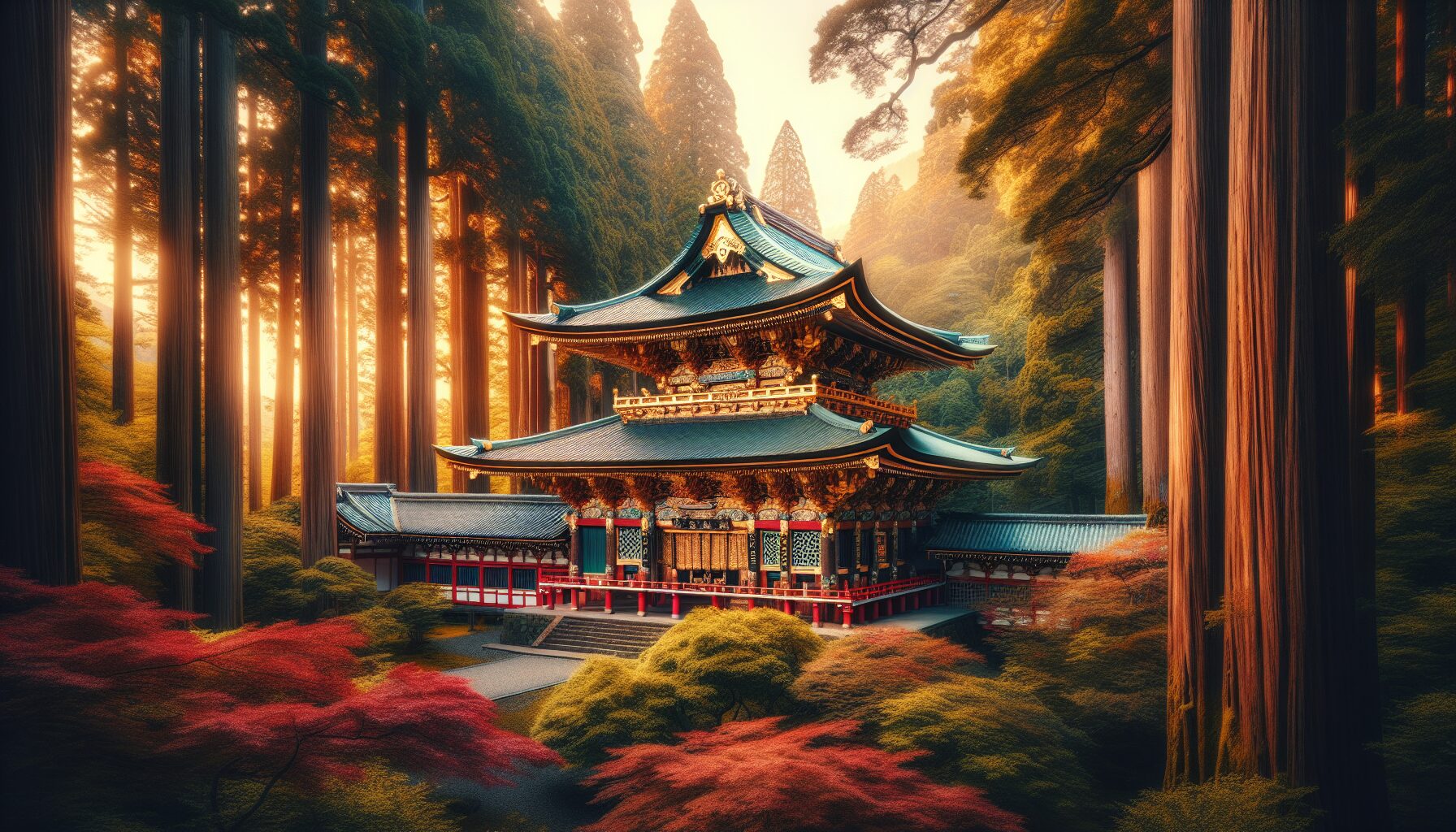

Just 120 minutes from Tokyo, Nikko offers one of Japan’s most rewarding day trips in 2026. This UNESCO World Heritage destination combines spectacular shrine architecture, breathtaking waterfalls, and some of Japan’s most stunning autumn foliage. Whether you’re visiting the ornate Toshogu Shrine complex or marveling at Kegon Falls, Nikko delivers an unforgettable blend of cultural heritage and natural beauty that makes it a must-visit destination for any Japan itinerary.
This comprehensive guide covers everything you need for the perfect Nikko day trip, from transport options and shrine highlights to seasonal attractions and money-saving pass recommendations.
Getting to Nikko from Tokyo: Your Transport Options
Tobu Nikko Line: The Most Convenient Route
The Tobu Nikko Line remains the best way to reach Nikko from Tokyo in 2026. The Limited Express “Spacia X” service, launched in 2023, offers the fastest and most comfortable journey:
- Spacia X Limited Express: Direct from Asakusa to Tobu Nikko Station in 1 hour 50 minutes (¥2,860/$19 USD)
- Regular Limited Express: 2 hours 5 minutes from Asakusa (¥2,080/$14 USD)
- Rapid service: 2 hours 15 minutes with one transfer at Shimo-Imaichi (¥1,360/$9 USD)
All Tobu services depart from Asakusa Station, easily accessible via Tokyo Metro. The Spacia X features spacious seats, large windows perfect for scenery viewing, and onboard café service.
JR Pass Considerations
While JR Pass holders can use the JR Nikko Line from Ueno to Nikko (2 hours 15 minutes), the Tobu route is faster and more frequent. However, if you’re already holding a JR Pass, the JR route costs nothing extra and connects conveniently with other JR services.
Nikko Pass 2026: Comprehensive Value Analysis
The Nikko Pass remains excellent value for day trippers in 2026, combining transport and shrine admissions:
Pass Options and Pricing
- All Nikko Pass: ¥4,780 ($32 USD) – includes round-trip Spacia transport from Asakusa plus unlimited local bus travel
- World Heritage Pass: ¥2,120 ($14 USD) – local transport only within Nikko area
- All Nikko Pass + Kinugawa: ¥5,650 ($38 USD) – adds access to nearby Kinugawa Onsen
What’s Included and Savings Breakdown
The All Nikko Pass covers:
- Round-trip Limited Express tickets (normally ¥4,160/$28)
- Unlimited rides on Tobu buses within Nikko (¥320/$2 per ride)
- Discounts at major shrines and attractions
- 10% discount at participating restaurants and shops
For visitors planning to see multiple sites beyond walking distance, the pass pays for itself with just three bus rides.
UNESCO World Heritage Shrines: The Sacred Heart of Nikko
Toshogu Shrine: Japan’s Most Ornate Mausoleum
Toshogu Shrine, the final resting place of Tokugawa Ieyasu (founder of the Tokugawa Shogunate), showcases the pinnacle of Edo-period craftsmanship. This UNESCO World Heritage site features over 5,000 intricate carvings across its buildings.
Must-see highlights include:
- Yomeimon Gate: Known as the “Twilight Gate” for its overwhelming detail that could captivate viewers until dusk
- Three Wise Monkeys: The famous “see no evil, hear no evil, speak no evil” carving on the Sacred Stable
- Nemuri-neko (Sleeping Cat): A small but celebrated carving symbolizing peace
- Main Hall: Lavishly decorated with gold leaf and intricate paintings
Admission: ¥1,300 ($9 USD) for adults. Open 8:00-17:00 (April-October), 8:00-16:00 (November-March).
Rinno-ji Temple: Buddhist Heritage
Founded in 766 CE, Rinno-ji predates Toshogu by nearly 900 years. The Sanbutsudo Hall houses three massive Buddhist statues representing the three mountain deities of Nikko. The temple’s treasure house displays Buddhist art spanning over 1,200 years.
Admission: ¥900 ($6 USD). Combined tickets with Toshogu available for ¥2,100 ($14 USD).
Futarasan Shrine: Mountain Worship Center
Dedicated to the deities of Nikko’s three sacred mountains (Nantai, Nyoho, and Taro), Futarasan Shrine represents the Shinto elements of Nikko’s religious landscape. The shrine’s grounds offer peaceful walking paths and ancient trees over 800 years old.
Admission: ¥200 ($1.50 USD) for the main grounds; ¥300 ($2 USD) for the garden area.
Natural Wonders: Lake Chuzenji and Kegon Falls
Lake Chuzenji: Mountain Lake Serenity
Located 1,269 meters above sea level, Lake Chuzenji was formed by volcanic activity from Mount Nantai. The lake offers stunning scenery year-round, with pleasure boat cruises operating from April to November (¥1,400/$9 USD for a 55-minute tour).
The lakeside Chuzenji Temple, a branch of Rinno-ji, houses the famous Tachi-ki Kannon statue. From the temple grounds, visitors enjoy panoramic lake views framed by surrounding mountains.
Kegon Falls: Nikko’s 97-Meter Marvel
Kegon Falls ranks among Japan’s three most beautiful waterfalls. The main cascade plunges 97 meters from Lake Chuzenji, accompanied by dozens of smaller falls creating a spectacular display.
Viewing options:
- Free observation deck: Top-level platform with distant but impressive views
- Elevator to base platform: ¥570 ($4 USD) for close-up views of the falls’ power
- Best viewing times: Early morning for fewer crowds; late afternoon for dramatic lighting
The elevator operates year-round except during extreme weather. Winter visits offer the unique spectacle of partially frozen falls.
Seasonal Highlights: When to Visit Nikko
Spring Cherry Blossoms (April-May)
Nikko’s cherry blossom season runs later than Tokyo, typically peaking in mid-to-late April around the shrine areas and extending into early May at higher elevations near Lake Chuzenji. The combination of pink sakura petals against the ornate shrine buildings creates magical photo opportunities.
Best viewing spots:
- Toshogu Shrine approach roads
- Shinkyo Bridge area
- Lake Chuzenji shoreline (early May)
Autumn Foliage: Japan’s Most Spectacular Display
Nikko boasts some of Japan’s most stunning autumn colors, with peak season typically occurring from mid-October to early November in 2026. The elevation changes create a extended viewing season, with colors starting at Lake Chuzenji in early October and progressing to lower areas through November.
Prime foliage locations:
- Irohazaka Winding Road: 48 hairpin turns through brilliant red and gold forests
- Lake Chuzenji: Reflection views double the color impact
- Kegon Falls: Waterfall surrounded by fiery autumn hues
- Shrine complex: Traditional architecture framed by colorful maples
Weekend visits during peak foliage season require early departure from Tokyo, as crowds and traffic significantly increase travel times.
Combining Nikko with Kinugawa Onsen
Extending your Nikko visit to include nearby Kinugawa Onsen creates the perfect cultural and relaxation combination. Located just 30 minutes from Nikko by train, this hot spring resort town offers traditional ryokan experiences and therapeutic waters.
Transport Connections
Tobu operates direct services between Nikko and Kinugawa Onsen (30 minutes, ¥470/$3 USD). The All Nikko Pass + Kinugawa option (¥5,650/$38 USD) covers this journey plus accommodation discounts at participating ryokan.
Recommended Onsen Experiences
- Day-use onsen: Several hotels offer day passes (¥1,500-2,500/$10-17 USD)
- Overnight ryokan stays: Full traditional experience with kaiseki dinner
- Kinugawa river rafting: Seasonal outdoor activity (April-November)
Sample Itinerary: Nikko + Kinugawa
Day 1: Morning departure from Tokyo → Nikko shrines exploration → Afternoon at Lake Chuzenji and Kegon Falls → Evening arrival in Kinugawa
Day 2: Morning onsen relaxation → Optional river activities → Return to Tokyo
This combination allows for a more relaxed pace while experiencing both cultural heritage and traditional Japanese hospitality.
Practical Tips for Your Nikko Day Trip
Timing and Crowd Management
- Departure time: Catch the 7:30 AM Spacia X for maximum sightseeing time
- Shrine visits: Start with Toshogu immediately upon arrival before crowds build
- Lunch recommendations: Yuba (tofu skin) specialty restaurants near the shrine complex
- Return planning: Last Limited Express to Tokyo departs around 6:30 PM
What to Bring
- Comfortable walking shoes (shrine areas involve significant walking and steps)
- Weather-appropriate clothing (temperatures at Lake Chuzenji run 5-10°C cooler than Tokyo)
- Portable phone charger for photography
- Cash (many smaller establishments don’t accept cards as of 2026)
Language Considerations
Major attractions offer English signage and maps as of 2026. The Nikko Visitor Center provides English-speaking staff and detailed area information. Download the “Nikko Heritage” app for self-guided audio tours of the shrine complex.
Plan Your Japan Trip Today
Nikko represents the perfect blend of cultural heritage, natural beauty, and accessibility that makes Japan such a compelling destination. Whether you’re drawn by the intricate artistry of Toshogu Shrine, the thundering power of Kegon Falls, or the peaceful reflection of Lake Chuzenji, this UNESCO World Heritage site delivers experiences that will remain with you long after your return home.
Start planning your Nikko adventure today by booking your accommodations and researching seasonal highlights for your travel dates. With its easy day-trip accessibility from Tokyo and endless photogenic moments, Nikko deserves a prominent place on every Japan itinerary. The memories created among these sacred mountains and ornate temples will become the highlights of your Japanese journey.