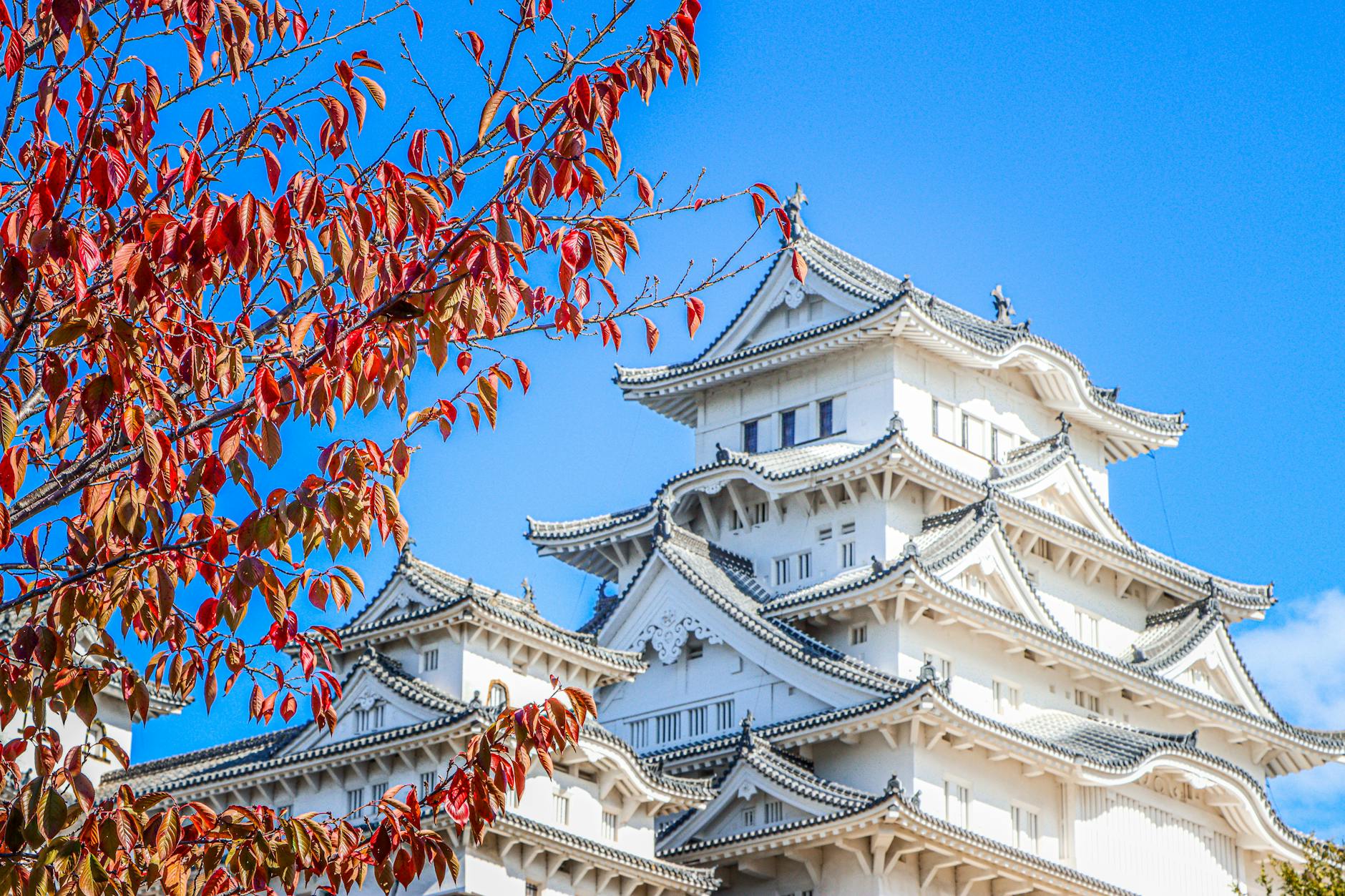

If you’re planning your first trip to Japan and trying to figure out whether to base yourself in Tokyo, Osaka, or Kyoto — you’re asking exactly the right question. Your choice of base city determines how easily you move around the country, how much you spend on accommodation, and what kind of daily experience your trip delivers.
\n\n
The honest answer is that the best city to base yourself in Japan depends heavily on your trip length, your travel style, and which parts of the country you most want to see. This guide gives you a clear, practical comparison of all three cities — with a decision framework at the end so you can land on the right choice for your specific trip.
\n\n
If you’ve already decided on a city and need help choosing a neighbourhood, jump to our dedicated guides: Where to Stay in Tokyo, Best Areas to Stay in Osaka, or Best Areas to Stay in Kyoto.
\n\n
\n\n
Tokyo vs Osaka vs Kyoto: the quick summary
\n\n
Before the full breakdown, here’s the short version:
\n\n
- \n
- Tokyo is the best base for most first-time visitors — unmatched transport connections, widest accommodation range, best day trip access, and a city big enough to fill a week on its own.
- Osaka is the best base if you want cheaper accommodation, better street food, and a more relaxed, lively atmosphere — particularly strong if you’re focusing on the Kansai region (Kyoto, Nara, Kobe).
- Kyoto is the best base if your trip is focused on temples, traditional Japan, and cultural immersion — but it’s less practical for wide regional travel and generally more expensive than Osaka.
\n
\n
\n
\n\n
\n\n
Full city comparison: Tokyo vs Osaka vs Kyoto
\n\n
| Category | Tokyo | Osaka | Kyoto |
|---|---|---|---|
| Transport hub | Exceptional — connects to all of Japan | Very good — strong Kansai access | Good — best for Kansai only |
| Hotel cost | $100–$300 mid-range | $80–$220 mid-range | $100–$280 mid-range |
| Food scene | World-class, enormous variety | Japan’s best street food culture | Excellent, more refined / traditional |
| Day trip access | Hakone, Nikko, Kamakura, Kyoto | Kyoto, Nara, Kobe, Hiroshima | Osaka, Nara (limited to Kansai) |
| Atmosphere | Modern, global, fast-paced | Lively, friendly, energetic | Traditional, scenic, slower-paced |
| Nights needed | 5–7 minimum to scratch the surface | 3–4 is comfortable | 2–3 is usually enough |
| Nightlife | Extensive — every type catered for | Excellent street bars and Dotonbori | Limited — Pontocho is beautiful but small |
| Best for | Most first-timers, multi-city trips | Budget travelers, Kansai focus | Culture seekers, repeat visitors |
\n\n
\n\n
Why Tokyo is the best primary base for most first-time visitors
\n\n
For 90% of first-time visitors, Tokyo makes the most sense as a primary base. Here’s why.
\n\n
Transport: Tokyo connects to everywhere
\n\n
Tokyo is Japan’s main Shinkansen hub. From Tokyo Station, you can reach:
\n\n
- \n
- Kyoto: 2 hours 15 minutes by Shinkansen (Nozomi)
- Osaka: 2 hours 30 minutes by Shinkansen (Nozomi)
- Hiroshima: 4 hours by Shinkansen
- Nikko: 2 hours by JR — excellent temples and nature
- Hakone: 1.5 hours — the classic Mt. Fuji viewing spot
- Kamakura: 1 hour — Giant Buddha and coastal temples
\n
\n
\n
\n
\n
\n
\n\n
Osaka and Kyoto can reach many of the same Kansai destinations efficiently, but their access to northern, eastern, and rural Japan is significantly weaker. If you want to add a day trip to Nikko’s UNESCO shrines, Mt. Fuji, or the Japan Alps, Tokyo is the only sensible base.
\n\n
Size: Tokyo has enough to fill a week on its own
\n\n
Tokyo is so large that it contains genuinely distinct “sub-cities” within it. Shinjuku, Shibuya, Akihabara, Asakusa, Ginza, Harajuku, and Shimokitazawa all feel completely different from each other — different architecture, different energy, different food, different reasons to visit. Even experienced Japan travelers tend to feel there’s more to explore in Tokyo than a single trip allows.
\n\n
Osaka and Kyoto are both excellent cities, but they’re smaller. You can cover the main highlights of Osaka in 2–3 full days, and Kyoto’s essential sights in 2–4 days depending on pace. As a base for an extended stay, Tokyo simply offers more.
\n\n
Accommodation: the widest range at every price point
\n\n
Tokyo has more hotels — and more variety — than any other city in Japan. Budget travelers can find clean, well-located hostels for $40–$60. Mid-range business hotels in Shinjuku or Ueno run $100–$180 and are genuinely excellent. Luxury options range from boutique properties to world-class international brands. This range means you can find something that fits your budget in a good location, which isn’t always as easy in Kyoto.
\n\n
\n\n
Why Osaka makes sense as a primary base
\n\n
Osaka isn’t always the first choice, but for certain types of traveler it’s genuinely the best option.
\n\n
Budget: 20–30% cheaper than Tokyo
\n\n
A business hotel in Namba or Shinsaibashi that would cost $120–$150 per night in Tokyo costs $85–$120 in Osaka. Over a week-long stay, that’s a saving of $200–$400 — meaningful money that you can spend on food and experiences instead.
\n\n
Food culture: Japan’s street food capital
\n\n
Osaka has a stronger street food culture than Tokyo. The Dotonbori area is a UNESCO Intangible Cultural Heritage-adjacent food destination — takoyaki (octopus balls, around $3–$5), kushikatsu (deep-fried skewers, $1–$3 per stick), and okonomiyaki (savoury pancakes, $8–$15) are everywhere and exceptional. Tokyo has equally great food, but it’s more restaurant-focused and often more expensive. If food is your main reason for visiting Japan, Osaka has a strong argument.
\n\n
Kansai access: Kyoto, Nara, and Kobe are all easy
\n\n
From Osaka Station (Umeda area), getting to Kyoto takes 30 minutes on the JR Special Rapid and costs ¥590. Nara is 50 minutes. Kobe is 20 minutes on the Hankyu. This makes Osaka an excellent base if your primary focus is the Kansai region — you can comfortably day-trip to Kyoto, Nara, and Kobe from an Osaka base, spending your nights somewhere cheaper and livelier.
\n\n
Search hotels in Osaka on Booking.com
\n\n
\n\n
Why Kyoto is a great base — for the right traveler
\n\n
Kyoto isn’t the most practical base for wide regional exploration, but it’s a genuinely wonderful place to stay if you match the right profile.
\n\n
Atmosphere: Kyoto’s morning streets are unlike anywhere else in Japan
\n\n
Waking up in Gion at 6 AM and walking to Yasaka Shrine before the crowds arrive is a different experience from anything Tokyo or Osaka offer. The stone-paved lanes of Sannenzaka, the bamboo groves of Arashiyama in early morning light, the incense rising from Kiyomizu-dera — these are experiences you get more fully if you’re actually based in Kyoto rather than day-tripping from Osaka.
\n\n
Traditional accommodation: ryokan and machiya guesthouses
\n\n
Kyoto has Japan’s best selection of traditional accommodation — ryokan with tatami rooms, futon beds, yukata robes, and kaiseki dinner service. If staying in a traditional Japanese inn is on your list, Kyoto (and Arashiyama in particular) is the place to do it. These experiences typically cost $200–$500 per person per night including dinner, but they’re genuinely memorable.
\n\n
Cultural focus: if temples are your main interest, Kyoto delivers
\n\n
Kyoto has over 1,600 Buddhist temples and 400 Shinto shrines. If your trip is fundamentally about cultural and historical Japan — Nijo Castle, Fushimi Inari, Kinkaku-ji, Arashiyama, the Higashiyama walking trail — then basing yourself in Kyoto makes sense. You’ll save travel time each day and be able to visit the famous spots at their best (early morning or late evening) without needing to plan around a long commute.
\n\n
Search hotels in Kyoto on Booking.com
\n\n
\n\n
Which city should you base yourself in? A decision framework
\n\n
Use this to work out the right base for your specific trip:
\n\n
Choose Tokyo as your primary base if:
\n
- \n
- This is your first time in Japan
- Your trip is 10 days or fewer (don’t split your time — stay in one city and do day trips)
- You want access to Hakone, Nikko, Kamakura, or any destination north and east of Osaka
- You’re flying in and out of Tokyo (Narita or Haneda)
- You want the most variety in accommodation, food, and neighbourhoods
- You’re travelling with family or have complex logistics that benefit from a major hub
\n
\n
\n
\n
\n
\n
\n\n
Choose Osaka as your primary base if:
\n
- \n
- Your trip focuses primarily on the Kansai region (Kyoto, Nara, Kobe, Hiroshima)
- Budget is a significant factor and you want more accommodation value
- You love food and want street-food culture as part of your daily experience
- You’re flying in and out of Kansai Airport (Nankai line to Namba is direct and fast)
- You want a lively, energetic city that’s easier to cover than Tokyo
\n
\n
\n
\n
\n
\n\n
Choose Kyoto as your primary base if:
\n
- \n
- Temples, shrines, and traditional Japan are your main focus
- You want the ryokan experience as part of your stay
- You have 5+ nights and plan to spend most of your time in Kyoto itself
- You’re a repeat visitor to Japan who has already covered Tokyo and Osaka
- You prefer a slower, more atmospheric pace and don’t mind limited nightlife
\n
\n
\n
\n
\n
\n\n
\n\n
How to split your time: base strategy by trip length
\n\n
5–7 day trip: one base only
\n\n
If you have fewer than 8 days in Japan, pick one city and stick to it. Changing hotels takes time, luggage management creates stress, and the travel time between cities (2–3 hours each way) eats into your sightseeing days.
\n\n
For a 5–7 day first trip, the recommendation is almost always Tokyo — stay in Shinjuku or Ueno, and use the excellent day-trip access to see Hakone, Kamakura, or Nikko without moving hotel. You can reach Kyoto or Osaka by Shinkansen in a long day if you want, but you’ll spend most of that day on trains.
\n\n
10–12 day trip: two bases
\n\n
This is the classic Japan itinerary and it works very well. A common split:
\n
- \n
- Tokyo: 6–7 nights (Shinjuku or Ueno)
- Osaka or Kyoto: 3–4 nights
\n
\n
\n\n
Many travelers use Osaka as their second base and day-trip to Kyoto from there — this saves money on accommodation and gives you access to both cities. Alternatively, split 2 nights in Kyoto and 2 nights in Osaka.
\n\n
To move between hotels without carrying your luggage, use Japan’s takkyubin courier service — you can ship your main bag from hotel to hotel for about ¥2,000–¥3,500 ($15–$25 USD) and just carry your day pack on the Shinkansen. It’s one of Japan’s best travel conveniences.
\n\n
14+ day trip: multi-base strategy
\n\n
With two weeks or more, you can cover Japan’s main regions comfortably:
\n
- \n
- Tokyo: 6–7 nights (including a Hakone or Nikko day trip)
- Kyoto: 2–3 nights (temples, Gion, Arashiyama)
- Osaka: 3–4 nights (Dotonbori, Namba, day trips to Nara and Kobe)
- Optional regional add-on: Hiroshima and Miyajima (1–2 nights), or Fukuoka if heading west
\n
\n
\n
\n
\n\n
This structure gives you a balanced Japan experience without spending too much time in transit.
\n\n
\n\n
Practical details: costs, booking, and logistics
\n\n
Accommodation costs (USD, per night, mid-range business hotel)
\n
- \n
- Tokyo (Shinjuku, Ueno): $110–$180
- Osaka (Namba, Umeda): $85–$150
- Kyoto (Kyoto Station, Kawaramachi): $100–$200
- Kyoto ryokan (per person, including dinner): $200–$500+
\n
\n
\n
\n
\n\n
In AUD terms, multiply by approximately 1.55. So a $130 USD Tokyo hotel is roughly $200 AUD per night.
\n\n
When to book
\n\n
Japan’s tourism has grown significantly and popular areas book out well in advance during peak seasons. Book at least:
\n
- \n
- Cherry blossom (late March–mid-April) and autumn foliage (mid-November): 3–6 months in advance
- Golden Week (late April–early May) and Obon (mid-August): 3–4 months in advance
- Off-peak travel: 4–8 weeks in advance is generally sufficient
\n
\n
\n
\n\n
Flexibility on dates gives you meaningfully more accommodation options and often lower prices. For full budget planning guidance, see our How Much Does a Trip to Japan Cost? guide.
\n\n
Compare hotels across Tokyo, Osaka, and Kyoto on Booking.com
\n\n
\n\n
Common mistakes when choosing a Japan base
\n\n
A few things that trip up first-time visitors:
\n\n
- \n
- Splitting too short a trip across too many cities. If you have 7 days, don’t try to base in three cities — you’ll spend a third of your trip on trains and in transit.
- Choosing Kyoto as a base for a wide Japan trip. Kyoto’s train connections are limited compared to Tokyo and Osaka. If you want to see a lot of Japan, Kyoto is a destination to visit, not a hub to base from.
- Underestimating how long it takes to travel between Tokyo and Osaka. The Shinkansen takes 2.5 hours minimum — it’s fast, but it’s still a half-day if you count station time, boarding, and arriving at your next hotel.
- Booking in a “nice” but inconvenient neighbourhood. Staying in a picturesque part of Kyoto or a traditional district in Tokyo sounds appealing, but limited transport access adds up to real lost time over a multi-day stay.
\n
\n
\n
\n
\n\n
\n\n
Frequently Asked Questions
\n\n
Should I stay in Tokyo or Osaka for my first Japan trip?
\n
For most first-time visitors, Tokyo is the better primary base. It has better transport connections across all of Japan, more to see within the city itself, and the widest range of accommodation. Osaka is a strong alternative if your trip focuses on the Kansai region or you want to save on accommodation costs — hotels in Osaka typically run 20–30% cheaper than equivalent Tokyo options.
\n
\n\n
Is it better to base in Osaka and day-trip to Kyoto, or stay in Kyoto?
\n
Basing in Osaka and day-tripping to Kyoto is a popular and cost-effective approach. Kyoto is only 30 minutes from Osaka Station by JR Special Rapid (¥590 one way), so it’s very easy. The downside is that you miss Kyoto’s famous early morning atmosphere — Fushimi Inari at dawn and Arashiyama before 9 AM are much quieter and more beautiful than mid-morning. If you have 10+ nights and care about experiencing Kyoto fully, spending at least 2 nights in Kyoto itself is worth it. For shorter trips, day-tripping from Osaka is a sensible compromise.
\n
\n\n
How many nights should I spend in Tokyo, Osaka, and Kyoto?
\n
For a 14-day trip, a balanced approach is: 6–7 nights in Tokyo, 2–3 nights in Kyoto, and 3–4 nights in Osaka. Tokyo needs the most time because the city is large and diverse — even after a week, most visitors feel there’s more to explore. Kyoto’s main sights can be covered in 2–3 focused days. Osaka works well as a food-and-nightlife base for the end of a Kansai stay. If your trip is shorter than 12 days, consider skipping one city to avoid spending too much time in transit.
\n
\n\n
What is the best city to base yourself in Japan for a 2-week trip?
\n
For a 2-week Japan trip, the most effective strategy is a dual-base approach: Tokyo for the first 7–8 nights (with day trips to Hakone, Nikko, or Kamakura), then move to either Osaka or Kyoto for the final 5–6 nights. Use Osaka if you want cheaper accommodation, better street food, and easy access to both Kyoto and Nara. Use Kyoto if you want temples and traditional atmosphere as your daily experience. Ship your main luggage between hotels via takkyubin (¥2,000–¥3,500) to avoid carrying it on the Shinkansen.
\n
\n\n
Is Tokyo or Osaka cheaper for a Japan trip?
\n
Osaka is noticeably cheaper — typically 20–30% less for accommodation, and the food culture (particularly street food like takoyaki, kushikatsu, and okonomiyaki) means you can eat extremely well for much less than in Tokyo. A budget of $100–$130 per day (accommodation + food + transport) is realistic in Osaka; in Tokyo you’re more likely looking at $130–$170 per day for a similar standard. Both cities are significantly cheaper than international equivalents like London, Sydney, or New York.
\n
\n\n
Should I visit Tokyo and Kyoto or Tokyo and Osaka?
\n
If you have time for only one addition to Tokyo, Kyoto and Osaka are so close to each other (30 minutes apart) that most visitors do both. The standard approach is to spend 2 nights in Kyoto and 2–3 nights in Osaka on the same Kansai leg of your trip. If you had to choose just one: Kyoto for culture, temples, and traditional Japan; Osaka for food, nightlife, and a more lively city atmosphere. Most first-time visitors find Kyoto more “unique to Japan” and Osaka more like a great city that happens to be in Japan.
\n
\n\n
Is Kyoto worth visiting as a day trip from Osaka?
\n
Yes, absolutely. Kyoto is only 30 minutes from Osaka Station by JR and the fare is ¥590 each way — it’s one of the easiest and most rewarding day trips in Japan. You can comfortably see Kinkaku-ji (Golden Pavilion), Arashiyama Bamboo Grove, and Gion in a single full day. The main thing you miss by day-tripping is early morning access — the famous sights are at their most beautiful before 9 AM when tour groups haven’t yet arrived. If you can, an overnight stay in Kyoto lets you experience the city at its best.
\n
\n
\n\n
\n\n
Final thoughts: which city should you choose?
\n\n
If you’re a first-time visitor with a 7–10 day trip, base yourself in Tokyo. It gives you the most flexibility, the best transport connections, and enough to fill your entire trip without ever leaving the city if you want. Add day trips to Hakone and Kamakura, and save Kyoto and Osaka for a return visit — or make time for them at the end of a longer trip.
\n\n
If you’re planning a longer trip (12+ days) or specifically want the Kansai cultural experience, build in 2–3 nights in Kyoto and 3–4 nights in Osaka as a second chapter after Tokyo.
\n\n
The worst outcome is splitting a short trip across all three cities and feeling like you never quite settled anywhere. Japan rewards time spent in one place — the more you dig into a neighbourhood, the better the experience gets.
\n\n
For detailed neighbourhood-level guidance on each city, read:
\n
- \n
- Where to Stay in Tokyo for First-Time Visitors
- Best Areas to Stay in Osaka for First-Time Visitors
- Best Areas to Stay in Kyoto for First-Time Visitors
\n
\n
\n
\n\n
\n\n
- \n
- Where to Stay in Tokyo for First-Time Visitors
- Best Areas to Stay in Osaka for First-Time Visitors
- Best Areas to Stay in Kyoto for First-Time Visitors
- How Much Does a Trip to Japan Cost?
- How to Use Trains in Japan
- First Time in Japan: What to Prepare
\n
\n
\n
\n
\n
\n
\n\n\n
📍 Part of our Japan Travel Guide — browse all related Japan guides in one place.
\n
Try our free Japan Budget Calculator — adjust for travel style and duration to get your breakdown instantly.
\n