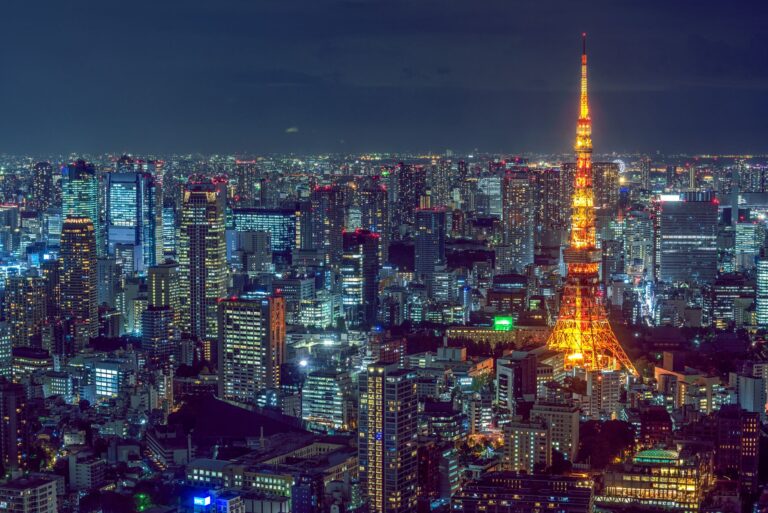
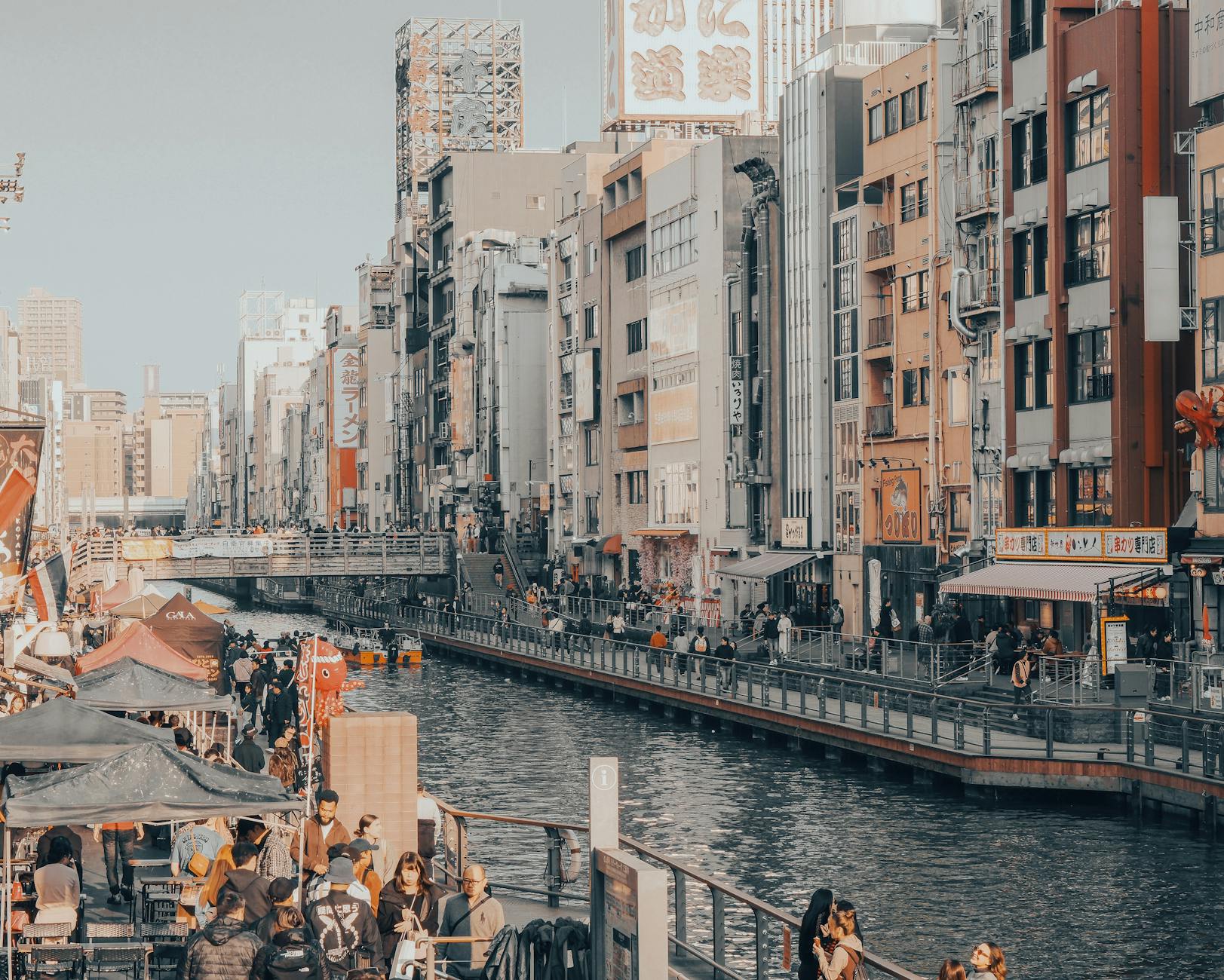

Choosing between Tokyo, Osaka, or Kyoto as your Japan home base depends entirely on your travel priorities and style. Tokyo suits culture-seekers and first-time visitors wanting variety, Osaka works best for food lovers and budget travelers, while Kyoto appeals to those prioritizing traditional experiences and temple visits. The “best” choice shifts dramatically based on your specific needs, travel dates, and group composition.
In 2026, with Japan receiving record tourist numbers, your base city choice becomes even more crucial for managing crowds, transportation costs, and accommodation availability. Here’s exactly how to match each city to your travel style and priorities.
Tokyo vs Osaka vs Kyoto: Quick Decision Framework
Choose Tokyo If You Want
- Maximum variety — modern districts, traditional neighborhoods, and diverse day trip options
- International atmosphere — English signage, international cuisine, global brands
- Best transportation hub — direct flights home, Shinkansen access to all regions
- 24/7 city energy — late-night dining, entertainment, and convenience stores
- Business amenities — coworking spaces, reliable WiFi, international business services
Choose Osaka If You Want
- Authentic food culture — street food, local specialties, cooking classes
- Better value — more affordable accommodation, dining, and shopping
- Relaxed atmosphere — friendlier locals, less rushed pace, easier navigation
- Family attractions — Universal Studios Japan, Osaka Castle, kid-friendly activities
- Central Kansai location — day trips to Kyoto (45 minutes), Nara (50 minutes), Hiroshima (1.5 hours)
Choose Kyoto If You Want
- Traditional immersion — temples, shrines, geisha districts, traditional crafts
- Cultural depth — tea ceremonies, kaiseki dining, traditional accommodations
- Walkable sightseeing — major temples within walking distance of each other
- Seasonal beauty — cherry blossoms, autumn colors, traditional gardens
- Quieter base — especially in traditional neighborhoods away from tourist zones
Best Japan Travel Base by Traveler Type
Solo Female Travelers
Winner: Tokyo
Tokyo offers unmatched safety for solo women, with well-lit streets, women-only train cars during rush hours, and 24-hour convenience stores every few blocks. The city’s counter-seating culture makes solo dining comfortable, particularly in Shibuya and Shinjuku areas.
Key advantages:
- Women-only train cars on JR and subway lines during peak hours
- Abundant solo dining options (ramen bars, sushi counters, convenience stores)
- Late-night transportation until 12:30 AM on most lines
- English-speaking staff at major hotels and tourist areas
- Safe neighborhood options like Harajuku, Shibuya, and Ginza with good lighting
Osaka ranks second for solo female travelers, offering similar safety but fewer late-night transportation options outside central areas.
Families with Young Children (Ages 2-8)
Winner: Osaka
Osaka beats Tokyo and Kyoto for families due to Universal Studios Japan, more kid-friendly dining options, and generally lower costs. The city’s compact size makes navigation easier with strollers and tired children.
Family-friendly advantages:
- Universal Studios Japan — world-class theme park with Nintendo World
- Osaka Castle and park — space for kids to run and play
- Family restaurants with kids’ menus and high chairs more common
- Business hotels often offer family rooms at better rates than Tokyo
- Less crowded public transportation compared to Tokyo during peak hours
Tokyo works well for families too, especially with family-friendly Tokyo neighborhoods like Odaiba and its theme parks, but accommodation costs run 30-40% higher.
Digital Nomads and Remote Workers
Winner: Tokyo
Tokyo leads for remote work infrastructure, with abundant coworking spaces, reliable high-speed internet, and international business atmosphere. Shibuya, Shinjuku, and Roppongi offer the best nomad-friendly environments.
Work-focused benefits:
- 100+ coworking spaces across the city with day passes from ¥1,500-3,000
- 24-hour cafes with reliable WiFi (Starbucks, Doutor, independent cafes)
- International coworking chains like WeWork in prime locations
- Better English-speaking business services
- More diverse international community for networking
- Convenient time zones for both Asia and Western client calls
First-Time Visitors to Japan
Winner: Tokyo
Tokyo provides the most comprehensive Japan introduction, combining ultramodern districts with traditional neighborhoods. First-time visitors benefit from Tokyo’s extensive English signage and international services.
Beginner-friendly features:
- English announcements on all major train lines
- Google Maps works perfectly for navigation
- Wide range of experiences — from Asakusa’s temples to Harajuku’s pop culture
- Day trip options including Hakone and Nikko
- International dining options when you need a break from Japanese food
Budget-Conscious Travelers
Winner: Osaka
Osaka offers the best value across accommodation, dining, and activities. Business hotels average $60-80 USD per night compared to Tokyo’s $80-150 range, while street food and local restaurants cost 20-30% less.
Money-saving advantages:
- Business hotels: ¥8,000-12,000 vs Tokyo’s ¥12,000-20,000
- Street food culture — takoyaki, okonomiyaki, kushikatsu under ¥500 per item
- Free activities: Osaka Castle grounds, Sumiyoshi Taisha shrine, Kuromon Market browsing
- Day trip savings to Kyoto and Nara instead of staying in expensive Kyoto accommodations
Seasonal Considerations for Your Japan Travel Base
Spring (March-May 2026) — Cherry Blossom Season
Best choice: Kyoto, then Tokyo
Cherry blossom season transforms Kyoto into Japan’s most beautiful city. Philosopher’s Path, Maruyama Park, and temple grounds like Kiyomizu-dera offer unmatched hanami experiences. Book accommodation 6+ months ahead for this peak season.
Tokyo’s Ueno Park, Chidorigafuchi, and Shinjuku Gyoen also deliver spectacular cherry blossoms with less competition than Kyoto’s most famous spots.
Summer (June-August 2026) — Hot and Humid
Best choice: Tokyo
Tokyo’s superior air conditioning infrastructure, underground shopping areas, and better summer festival calendar make it the most comfortable summer base. The city’s numerous department store basements provide cool relief between sightseeing.
Avoid Kyoto in summer — temperatures regularly exceed 35°C (95°F) with high humidity, making temple walking uncomfortable.
Autumn (September-November 2026) — Fall Colors
Best choice: Kyoto, then Tokyo
Kyoto’s autumn colors peak in mid-to-late November, creating stunning temple backdrops. Fushimi Inari, Kinkaku-ji, and Tofuku-ji offer world-class fall foliage photography.
Tokyo’s autumn colors arrive slightly later, with Rikugien Gardens and Todoroki Valley providing excellent alternatives with smaller crowds.
Winter (December-February 2026) — Cold but Clear
Best choice: Tokyo or Osaka
Tokyo’s winter offers clear skies perfect for Mount Fuji viewing, plus excellent winter illuminations in Roppongi, Ginza, and Odaiba. Indoor attractions and shopping provide warm alternatives.
Osaka’s milder winter temperatures and indoor food scene (depachika food courts, covered shopping areas) make it equally appealing for cold-weather visits.
Transportation Hub Analysis: Getting Around Japan
Tokyo as Your Transportation Center
Tokyo provides unmatched access to all Japan regions:
- Tohoku Shinkansen — to Sendai, Morioka, Aomori (northern Honshu)
- Hokuriku Shinkansen — to Kanazawa, Toyama (Japan Alps region)
- Tokaido Shinkansen — to Kyoto, Osaka, Hiroshima, Fukuoka
- Direct flights — to Okinawa, Hokkaido, international destinations
Day trip options include Nikko’s UNESCO shrines and mountain hot springs.
Osaka’s Central Kansai Access
Osaka excels for Kansai region exploration:
- Kyoto — 45 minutes by express train
- Nara — 50 minutes to deer park and Todaiji Temple
- Hiroshima — 1 hour 20 minutes by Shinkansen
- Mount Koya — 2 hours to sacred Buddhist site
Kansai International Airport provides convenient international departures.
Kyoto’s Traditional Access Points
While Kyoto lacks Shinkansen service directly, it connects easily to Osaka and Tokyo for onward travel. The city works best for travelers focusing on traditional culture rather than covering multiple regions.
Accommodation Strategy by City in 2026
Tokyo Hotel Districts
Book Tokyo accommodations in these strategic areas:
- Shinjuku — business hotels $90-140 USD, excellent train connections
- Shibuya — trendy area, $100-160 USD, younger crowd
- Ginza — luxury focus, $150-300 USD, upscale shopping
- Asakusa — traditional atmosphere, $70-120 USD, budget-friendly
Osaka Value Options
- Namba/Dotonbori — entertainment district, $60-100 USD
- Osaka Station area — business hotels, $55-85 USD
- Sumiyoshi — quieter residential, $45-70 USD
Kyoto Traditional Experiences
- Gion — traditional ryokans, $200-500 USD, cultural immersion
- Kyoto Station area — modern hotels, $80-150 USD, convenient transport
- Arashiyama — nature setting, $100-250 USD, bamboo grove access
Consider the Osaka-Kyoto combination — stay in affordable Osaka and take day trips to Kyoto’s temples.
Making Your Final Decision: Action Plan
Follow this decision tree to choose your ideal Japan travel base:
- Define your primary goal — modern vs traditional, food vs culture, convenience vs authenticity
- Consider your travel dates — cherry blossom season favors Kyoto, summer favors Tokyo
- Calculate your budget — Osaka offers 20-30% savings over Tokyo
- Review your group needs — families benefit from Osaka, solo travelers prefer Tokyo
- Plan day trips — Tokyo offers most variety, Osaka provides best Kansai access
Many experienced travelers choose a split-base approach: 4-5 nights in Tokyo for variety and international connections, then 3-4 nights in Osaka for authentic culture and Kyoto day trips.
Frequently Asked Questions
Should I stay in Tokyo or Osaka if I only have 5 days in Japan?
For 5 days, choose Tokyo if you want to see modern Japan and traditional sites like Asakusa, or Osaka if you prefer authentic food culture and want easier access to Kyoto and Nara on day trips.
Is Kyoto better than Osaka as a home base for families with young children?
Osaka edges out Kyoto for families due to Universal Studios Japan, more family restaurants, and better hotel amenities. Kyoto works if your kids are interested in temples and traditional culture.
Which Japanese city is best for digital nomads working remotely in 2026?
Tokyo offers the most coworking spaces, reliable internet, and international atmosphere. Shibuya and Shinjuku have excellent WiFi infrastructure and 24-hour convenience.
Should solo female travelers choose Tokyo, Osaka, or Kyoto as their base?
Tokyo is safest with the most late-night transportation options and women-only train cars. Osaka and Kyoto are also very safe, but Tokyo offers more solo-friendly dining (counter seats) and activities.
Which city saves the most money on accommodation in 2026?
Osaka typically offers the best value with business hotels from $60-80 USD per night. Tokyo ranges $80-150, while Kyoto’s traditional ryokans start around $100-200 but offer unique cultural experiences.
Is it better to base in Tokyo and day trip to Kyoto or vice versa?
Base in Tokyo and take the Shinkansen to Kyoto for day trips (2 hours 15 minutes). The reverse works too, but Tokyo has more varied day trip options and better international flight connections.
Which Japanese city works best for travelers who want to avoid crowds in 2026?
Kyoto early morning (6-8 AM) or late evening offers peaceful temple visits. Osaka’s neighborhoods like Sumiyoshi are less crowded than central Tokyo. Tokyo’s early morning hours and weekday visits to major sites work best.
Plan Your Japan Trip Today
Your choice between Tokyo, Osaka, and Kyoto shapes your entire Japan experience. Tokyo delivers variety and convenience, Osaka provides authentic culture and value, while Kyoto offers traditional immersion. Consider your priorities, travel dates, and budget to make the perfect choice for your 2026 Japan adventure.
Ready to book your Japan base city? Research accommodation in your chosen destination and compare flight options to plan your perfect Japanese journey.