
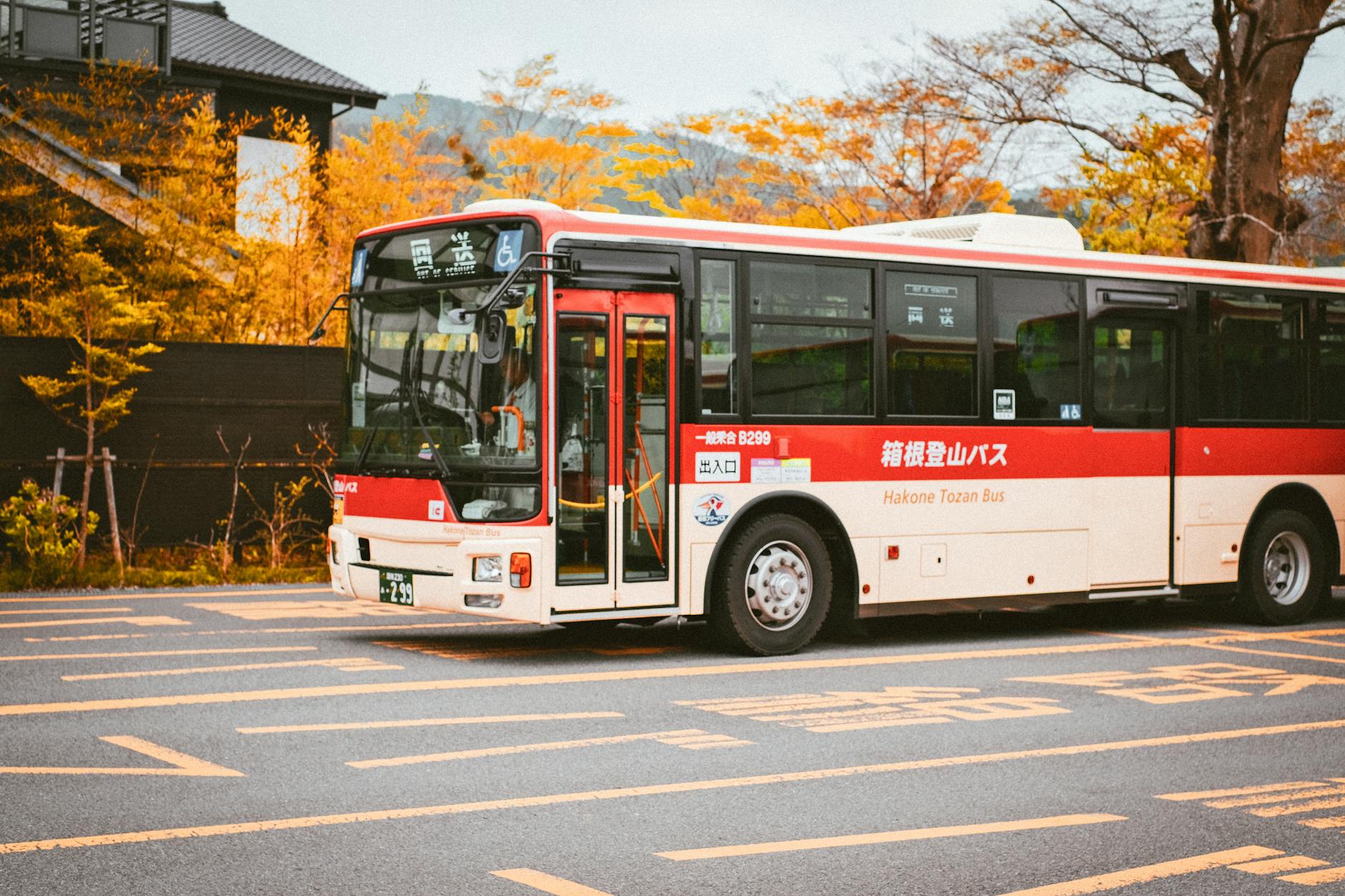

Planning a Hakone day trip from Tokyo but unsure what to see and do? This scenic mountain resort region offers the perfect combination of natural beauty, cultural attractions, and relaxation just 90 minutes from central Tokyo. You can comfortably visit Hakone’s top attractions including Owakudani volcanic valley, Lake Ashi, and the famous Open Air Museum in a single day with proper planning.
The key to a successful Hakone day trip is purchasing the Hakone Free Pass (¥6,000 in 2026) and taking the direct Romancecar train from Shinjuku. This combination provides seamless transport and significant savings compared to buying individual tickets for each attraction and transport segment.
Getting to Hakone: Romancecar vs Regular Trains
The fastest and most comfortable way to reach Hakone from Tokyo is the Odakyu Romancecar, a limited express train departing from Shinjuku Station. The direct service takes exactly 60 minutes to reach Hakone-Yumoto Station, compared to 90-120 minutes on regular trains with transfers.
Romancecar Reservations and Pricing
Book your Romancecar seats 1-3 days ahead, especially for weekend travel. The reserved seat fee is ¥1,200 on top of your Hakone Free Pass. While you can take regular Odakyu trains to Hakone without reservations, the Romancecar’s panoramic windows and comfortable seating make the journey part of the experience.
Pro tip: If you’re staying in the Shinjuku area, you can walk directly to Odakyu Shinjuku Station. From other Tokyo districts, allow 30-45 minutes to reach Shinjuku and find the correct platform.
Is the Hakone Free Pass Worth Buying?
The Hakone Free Pass costs ¥6,000 in 2026 and includes return transport from Shinjuku plus unlimited use of Hakone’s unique transport network: buses, trains, ropeway, cable car, and boat cruise.
What’s Included in the Free Pass
- Return Odakyu train ticket from Shinjuku (but not Romancecar reserved seat fee)
- Unlimited rides on Hakone Tozan Train, Bus, Cable Car, and Ropeway
- Round-trip Lake Ashi boat cruise
- Discounts at major attractions including Hakone Open Air Museum
Without the pass, individual transport costs quickly add up: ¥1,600 for Shinjuku-Hakone round trip, ¥1,980 for the ropeway, ¥1,200 for the boat cruise, and ¥800+ for local buses. The pass pays for itself if you use three or more transport modes.
Complete Hakone Day Trip Itinerary with Timings
This realistic itinerary covers Hakone’s must-see attractions while allowing time for meals and Mt. Fuji photography. Start early to maximize your day and avoid afternoon crowds.
Morning: 8:00 AM – 11:30 AM
- 8:00 AM: Depart Shinjuku on Romancecar
- 9:00 AM: Arrive Hakone-Yumoto, transfer to Hakone Tozan Train
- 9:30 AM: Reach Gora Station, board Hakone Cable Car
- 10:00 AM: Transfer to Hakone Ropeway at Sounzan
- 10:30 AM: Arrive at Owakudani volcanic valley
Midday: 11:30 AM – 2:30 PM
- 11:30 AM: Explore Owakudani, try black eggs (¥500 for 5 eggs)
- 12:30 PM: Continue ropeway to Togendai
- 1:00 PM: Board Lake Ashi boat cruise
- 1:30 PM: Arrive at Hakone-machi or Moto-Hakone pier
- 2:30 PM: Take bus to Hakone Open Air Museum
Afternoon: 2:30 PM – 6:00 PM
- 3:00 PM: Visit Hakone Open Air Museum (¥1,600 entry)
- 5:00 PM: Take Hakone Tozan Train back to Hakone-Yumoto
- 6:00 PM: Board return train/Romancecar to Tokyo
Top Hakone Attractions for First-Timers
Owakudani Volcanic Valley
Owakudani offers dramatic volcanic landscapes with sulfur vents creating steam clouds across the mountainside. The famous black eggs (kuro-tamago) are boiled in the natural hot springs and supposedly add seven years to your life when eaten. Important: Check if Owakudani is open before traveling, as the area occasionally closes due to increased volcanic activity.
Lake Ashi and Mt. Fuji Views
The pristine crater lake provides stunning Mt. Fuji views on clear days, especially during autumn and winter months. The boat cruise takes 30 minutes and offers the best vantage points for photography. The replica pirate ships add a fun element that appeals to families and solo travelers alike.
Hakone Open Air Museum
Japan’s first outdoor sculpture museum combines art with natural mountain scenery. The highlight is Picasso Pavilion housing the world’s largest collection of Picasso works. Allow 90 minutes minimum, as the hillside location requires walking between installations.
Day Trip vs Overnight Stay: Which to Choose?
A well-planned day trip covers Hakone’s main attractions efficiently, but staying overnight unlocks the full ryokan and onsen experience that defines traditional Japanese hospitality.
Benefits of Staying Overnight
- Experience authentic ryokan accommodation with tatami rooms and futon beds
- Enjoy private onsen (hot spring) baths with mountain views
- Savor kaiseki dinner featuring local ingredients and seasonal specialties
- Wake up to potential Mt. Fuji sunrise views
- Explore attractions without time pressure
Hakone ryokans range from ¥15,000-50,000 per person including meals, with many featuring private onsen baths overlooking valleys or Lake Ashi. The experience provides cultural immersion that day trips simply cannot match.
Essential Hakone Travel Tips for 2026
Weather and Seasonal Considerations
Hakone sits at higher elevation than Tokyo, making it 5-10°C cooler year-round. Pack layers even in summer, and check weather forecasts as mountain conditions change rapidly. Autumn offers the best combination of clear Mt. Fuji views and comfortable temperatures.
Crowd Management
Weekends and Japanese holidays see significantly higher visitor numbers. The Hakone Ropeway often has 30-60 minute wait times on busy days. Visit on weekdays if possible, or start very early to stay ahead of tour groups.
Transportation Between Attractions
Hakone’s unique transport network includes trains, cable cars, ropeways, boats, and buses. Each mode connects seamlessly, but transfers add time to your itinerary. Download the Hakone Free Pass app for real-time schedules and route planning.
For broader Tokyo area day trip planning, consider reading our Nikko day trip guide to compare mountain destinations accessible from the capital.
Money-Saving Tips and Budget Planning
Beyond the Hakone Free Pass, several strategies help minimize costs while maximizing experiences:
- Bring snacks and drinks from Tokyo convenience stores (Hakone prices are 20-30% higher)
- Use the Free Pass attraction discounts at museums and restaurants
- Pack a thermos for hot drinks instead of buying from mountain vending machines
- Consider lunch at Hakone-Yumoto Station before heading up the mountain
Total day trip budget including transport, food, and attractions typically ranges ¥8,000-12,000 per person. This aligns well with general Japan travel budgeting for day excursions from Tokyo.
Frequently Asked Questions
Is the Hakone Free Pass worth buying for a day trip?
Yes, the ¥6,000 Hakone Free Pass is worth it if you plan to use the Romancecar, visit Owakudani, take the Lake Ashi boat cruise, and use local transport. You’ll save money compared to buying tickets separately, plus it includes discounts at major attractions.
How early should I book the Romancecar to Hakone?
Book Romancecar seats at least 1-3 days ahead, especially on weekends and holidays. While regular trains run to Hakone, the direct Romancecar from Shinjuku (60 minutes) is the most comfortable and efficient option for day trips.
Can I see Mt. Fuji from Hakone in 2026?
Mt. Fuji is visible from Hakone on clear days, especially from Lake Ashi and the Hakone Ropeway. The best viewing conditions are typically in autumn and winter months. Check weather forecasts before your trip as cloudy days obscure the mountain.
Is Owakudani always open to visitors?
No, Owakudani volcanic valley occasionally closes due to increased volcanic activity and sulfur gas levels. Check the official Hakone tourism website or your hotel before traveling, as closures can happen with short notice for safety reasons.
Should I do a day trip or stay overnight in Hakone?
A day trip covers the main attractions efficiently, but staying overnight at a ryokan with private onsen allows you to experience traditional Japanese hospitality and relaxing hot spring baths without rushing.
What’s the last train back to Tokyo from Hakone?
The last Romancecar from Hakone-Yumoto to Shinjuku typically departs around 7:30-8:00 PM. Regular Odakyu trains run later until around 10:30 PM, but plan to leave Hakone by 6:00 PM to ensure comfortable return journey timing.
How much should I budget for a Hakone day trip?
Budget ¥8,000-12,000 per person including the Hakone Free Pass (¥6,000), meals (¥2,000-4,000), and attraction entries. Add ¥3,000-5,000 if you take the premium Romancecar or purchase souvenirs.
Plan Your Japan Trip Today
Hakone offers the perfect introduction to Japan’s natural beauty and cultural traditions, all within easy reach of Tokyo. Whether you choose a focused day trip or luxurious overnight ryokan experience, this mountain destination provides unforgettable memories and stunning photo opportunities.
Ready to explore more of Japan beyond Tokyo? Check out our comprehensive Japan itinerary guides for multi-city travel planning and additional day trip inspiration throughout the country.


