

Planning a Hakone day trip from Tokyo but unsure if you can fit everything in? A well-planned Hakone day trip from Tokyo is absolutely doable and covers the major highlights including Lake Ashi, Owakudani volcanic valley, and scenic transportation. The key is starting early (8 AM departure) and using the Hakone Free Pass for seamless connections between attractions.
However, there’s a trade-off: while you’ll see Hakone’s main sights in one day, you’ll miss the relaxed ryokan experience and those magical sunset Mt. Fuji views that make overnight stays special. This guide breaks down exactly what you can accomplish in a single day and helps you decide if that’s enough for your first Hakone experience.
Is the Hakone Free Pass Worth ¥6,000 for Day Trippers?
The Hakone Free Pass costs ¥6,000 in 2026 and covers all transportation within the Hakone area for one day, including the scenic railway loop that makes Hakone famous. For day trippers from Tokyo, this pass typically saves ¥2,000-3,000 compared to buying individual tickets.
What the Hakone Free Pass Includes
- Romancecar discount: ¥200 off the ¥1,690 limited express fee from Shinjuku
- All local Hakone transport: Hakone Tozan Railway, cable car, ropeway, and pirate ship
- Local buses: Including routes to major hotels and attractions
- Entry discounts: 10-20% off at museums and some restaurants
Individual Ticket Costs Without the Pass
- Romancecar reserved seat: ¥1,690
- Hakone Tozan Railway (round trip): ¥800
- Cable car + ropeway: ¥1,680
- Lake Ashi pirate ship: ¥1,200
- Local buses: ¥600-800
- Total: ¥5,970-6,170
The pass essentially breaks even on transport alone, making the museum discounts and convenience pure bonus. Buy it at Shinjuku Station or online through Odakyu’s website.
Getting to Hakone: Romancecar vs Regular Trains
The famous Romancecar limited express from Shinjuku to Hakone-Yumoto is the fastest and most comfortable option, taking exactly 60 minutes with panoramic front windows offering Mt. Fuji views on clear days.
Romancecar Booking Essential Details
Reservations are required and often sell out on weekends. Book through the Odakyu website, at Shinjuku Station, or major hotels. Weekend slots fill up 2-3 days in advance, while weekdays usually have same-day availability.
Morning departure options from Shinjuku:
- 7:00 AM (arrives Hakone-Yumoto 8:00 AM)
- 8:00 AM (arrives 9:00 AM) – recommended for day trips
- 9:00 AM (arrives 10:00 AM)
Regular trains take 85-95 minutes with one transfer at Shimbashi, costing about ¥400 less but eating into your sightseeing time. For day trips, the Romancecar’s time savings justify the premium.
Perfect Hakone Day Trip Itinerary with Exact Timings
This itinerary assumes an 8:00 AM Romancecar departure and covers Hakone’s highlights in logical order, following the famous transportation loop that minimizes backtracking.
9:00 AM – Arrive Hakone-Yumoto Station
Collect your Hakone Free Pass if purchased online, or buy it here. Board the Hakone Tozan Railway immediately – no need to explore Yumoto town on a day trip.
9:30 AM – Gora Station & Cable Car
Transfer to the cable car for the 9-minute ride to Sounzan. The steep railway through mountain forests offers great photo opportunities, especially during autumn foliage season (November-December).
10:00 AM-12:00 PM – Owakudani Volcanic Valley
Take the ropeway from Sounzan to Owakudani (16 minutes). This active volcanic valley produces sulfurous hot springs and offers the best Mt. Fuji views in Hakone on clear mornings.
Owakudani highlights:
- Black eggs boiled in sulfur springs (¥500 for 5 eggs)
- Volcanic crater viewing platforms
- Gift shops with local specialties
- Restaurant with Mt. Fuji view terrace
Important: Owakudani occasionally closes due to volcanic activity. Check the official ropeway website before traveling. If closed, spend extra time at Lake Ashi or visit Hakone Shrine instead.
12:30 PM-2:00 PM – Lake Ashi Pirate Ship Cruise
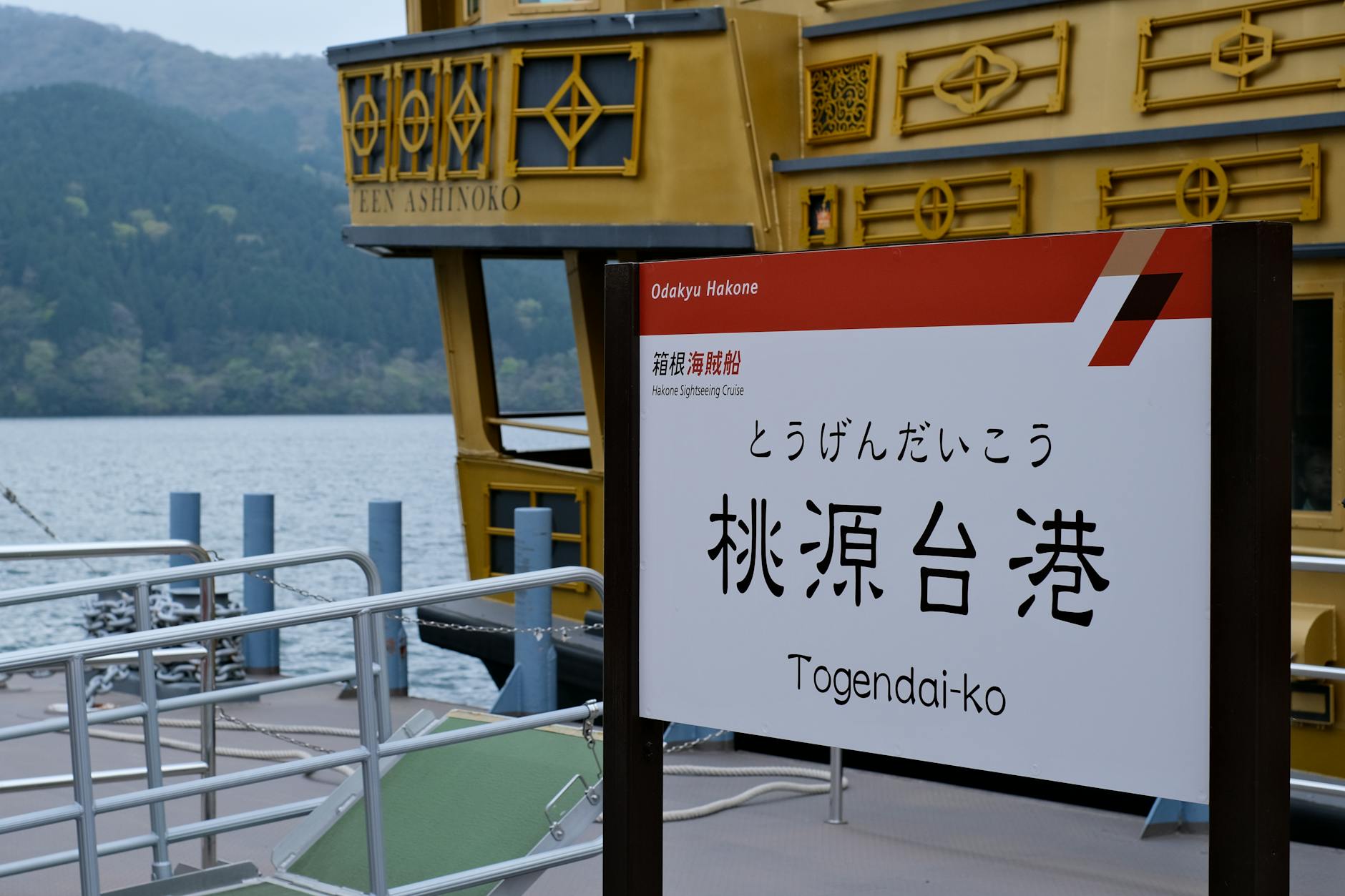
Continue the ropeway to Togendai port for the iconic pirate ship cruise across Lake Ashi. The 25-minute ride to Hakone-machi offers spectacular Mt. Fuji reflections and photo opportunities with the famous red torii gate of Hakone Shrine.
Lunch options at Togendai are limited and expensive (¥2,000+ set meals). Consider bringing snacks or eating later in Hakone-machi town.
2:30 PM-3:30 PM – Hakone Shrine & Cedar Avenue
From Hakone-machi port, walk 10 minutes to Hakone Shrine. The famous red torii gate standing in Lake Ashi is Instagram-famous for good reason. The shrine itself sits in a sacred cedar grove that’s been undisturbed for over 1,000 years.
4:00 PM-5:30 PM – Hakone Open Air Museum
Take the bus from Hakone-machi to Chokoku-no-mori Station (20 minutes) for the Hakone Open Air Museum. Entry costs ¥1,600 (discounted with Free Pass), and this world-class sculpture garden deserves 90 minutes minimum.
The museum combines international sculptures with mountain views and includes a Picasso pavilion. It’s particularly stunning during sunset hours when the lighting transforms the artworks.
6:00 PM – Return Journey to Tokyo
From Chokoku-no-mori, take the Hakone Tozan Railway back to Hakone-Yumoto (40 minutes). The 7:00 PM or 8:00 PM Romancecar gets you back to Shinjuku by 8:00-9:00 PM.
Day Trip vs Overnight: Making the Right Choice
A Hakone day trip covers the main sights but feels rushed, especially if you’re interested in the cultural side of Japan. The decision often comes down to your priorities and budget.
Why Day Trips Work Well
- Cost-effective: Save ¥15,000-30,000 on ryokan accommodation
- Efficient sightseeing: Hit all major attractions in one focused day
- No luggage hassle: Day pack only, no hotel check-in/out
- Tokyo base flexibility: Return to your chosen Tokyo neighborhood for dinner and nightlife
Why Overnight Stays Enhance the Experience
Hakone’s ryokan culture represents traditional Japanese hospitality at its finest. Many feature private outdoor onsen (hot spring baths) with Mt. Fuji views, multi-course kaiseki dinners, and tatami rooms with futon bedding.
Unique overnight experiences:
- Dawn Mt. Fuji viewing: Early morning offers clearest mountain views
- Sunset onsen soaks: Private hot spring baths under evening skies
- Kaiseki dining: Traditional multi-course meals showcasing seasonal ingredients
- Morning forest walks: Peaceful shrine visits before day-trip crowds arrive
Premium ryokan rates range ¥25,000-50,000 per person including dinner and breakfast, making this a significant budget decision for most travelers.
Weather and Seasonal Considerations
Hakone’s mountain location creates unique weather patterns that affect your day trip experience significantly.
Mt. Fuji Visibility by Season
- Winter (Dec-Feb): Best visibility, cold but clear skies
- Spring (Mar-May): Good morning views, afternoon clouds common
- Summer (Jun-Aug): Rainy season and heat haze reduce visibility
- Autumn (Sep-Nov): Excellent clarity plus fall foliage bonus
Check weather forecasts and Mt. Fuji webcams before traveling. Cloudy days still offer beautiful scenery, but the iconic mountain views might be obscured.
Budget Breakdown: Exact Hakone Day Trip Costs
Here’s what a Hakone day trip actually costs per person in 2026, including all the extras most guides skip:
Transportation & Passes
- Hakone Free Pass: ¥6,000
- Romancecar reserved seat upgrade: ¥1,490 (after pass discount)
- Subtotal: ¥7,490
Food & Attractions
- Hakone Open Air Museum: ¥1,440 (discounted entry)
- Lunch: ¥1,500-2,500
- Snacks/drinks: ¥800-1,200
- Owakudani black eggs: ¥500
- Subtotal: ¥4,240-5,640
Total day trip cost: ¥11,730-13,130 per person
Compare this to typical Japan daily budgets – Hakone represents a premium day out but includes unique transportation experiences you can’t find elsewhere.
Common First-Timer Mistakes to Avoid
Learning from others’ experience prevents disappointment and wasted time on your Hakone adventure.
Transportation Timing Errors
- Mistake: Leaving Tokyo after 10 AM for a day trip
- Fix: Start with the 8 AM Romancecar to maximize sightseeing time
- Mistake: Not checking Owakudani closure status
- Fix: Have backup plans and check the official website morning of travel
Weather and Clothing Issues
- Mistake: Underestimating mountain weather changes
- Fix: Bring layers – Hakone is 5-8°C cooler than Tokyo year-round
For comprehensive first-timer guidance, check our complete mistakes guide covering common pitfalls across Japan.
Alternative Hakone Experiences for Return Visits
Once you’ve conquered the classic Hakone loop, future visits can explore deeper experiences that day trips can’t accommodate.
Multi-Day Hakone Ideas
- Hiking focus: Old Tokaido road walks and mountain trails
- Art immersion: Multiple museums plus glass-blowing workshops
- Onsen hopping: Different ryokan day-use baths and public facilities
- Seasonal events: Summer festivals, autumn illuminations, winter snow activities
Consider using Hakone as part of a multi-base Japan strategy, spending 2-3 nights here before moving to your next destination.
Frequently Asked Questions
Is the Hakone Free Pass worth ¥6,000 for a day trip?
Yes, the Hakone Free Pass pays for itself if you use the Romancecar (¥1,690), cable car (¥840), boat cruise (¥1,200), and local buses. Without it, individual tickets cost over ¥8,000.
How early should I leave Tokyo for Hakone day trip?
Leave Tokyo by 8:00 AM on the first Romancecar to maximize your time. The journey takes 60 minutes to Hakone-Yumoto, arriving by 9:00 AM for a full day of sightseeing.
Can I see Mt. Fuji from Hakone in one day?
Mt. Fuji is visible on clear days from Lake Ashi and Owakudani. Morning hours (9-11 AM) offer the best visibility before afternoon clouds roll in.
What if Owakudani is closed during my visit?
Owakudani occasionally closes for volcanic activity. Check the official website before visiting, and have backup plans like Hakone Shrine or the Open Air Museum.
Should I stay overnight in Hakone instead of day tripping?
Overnight stays let you enjoy ryokan with private onsen, see sunset/sunrise views, and explore without rushing. Day trips work but feel hurried with limited evening options.
How crowded is Hakone on weekends vs weekdays?
Weekends and holidays see 2-3x more visitors, especially at Lake Ashi and Owakudani. Weekdays offer shorter queues and better photo opportunities at popular spots.
What’s the last train back to Tokyo from Hakone?
The last Romancecar from Hakone-Yumoto to Shinjuku departs around 8:30 PM. Regular trains run later but take longer with transfers.
Plan Your Japan Trip Today
A Hakone day trip from Tokyo offers an excellent introduction to Japan’s natural beauty and traditional culture, especially for first-time visitors with limited time. The ¥12,000 investment delivers unique transportation experiences, Mt. Fuji views (weather permitting), and a taste of ryokan culture that you simply can’t find in Tokyo.
Ready to book your Hakone adventure? Start with Romancecar reservations through Odakyu’s official website, then plan your Tokyo accommodation in a convenient area for early morning departures. The memories of floating across Lake Ashi with Mt. Fuji in the background will make this one of your most treasured Japan experiences.


