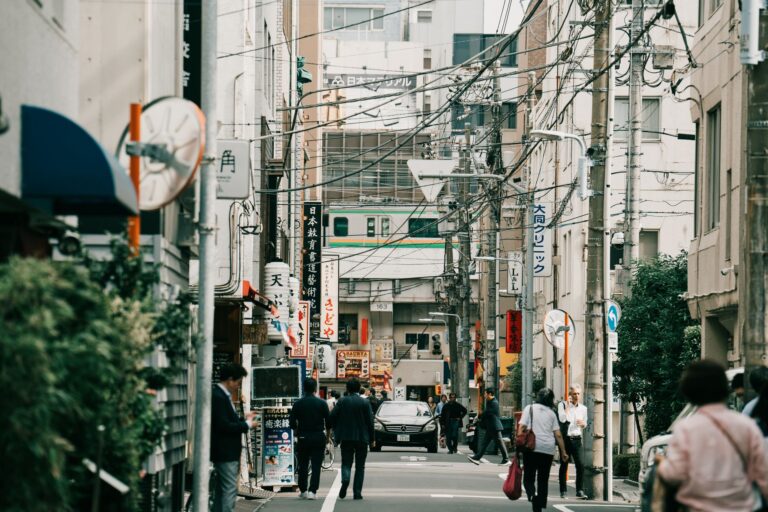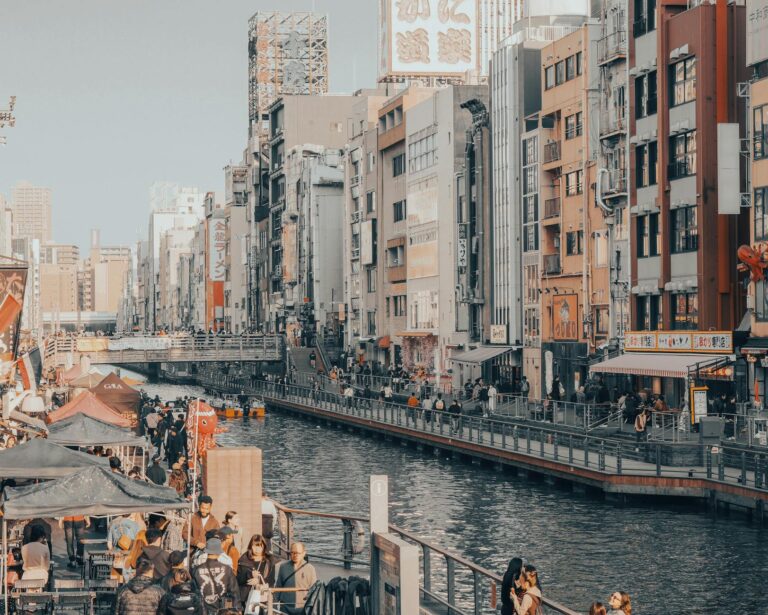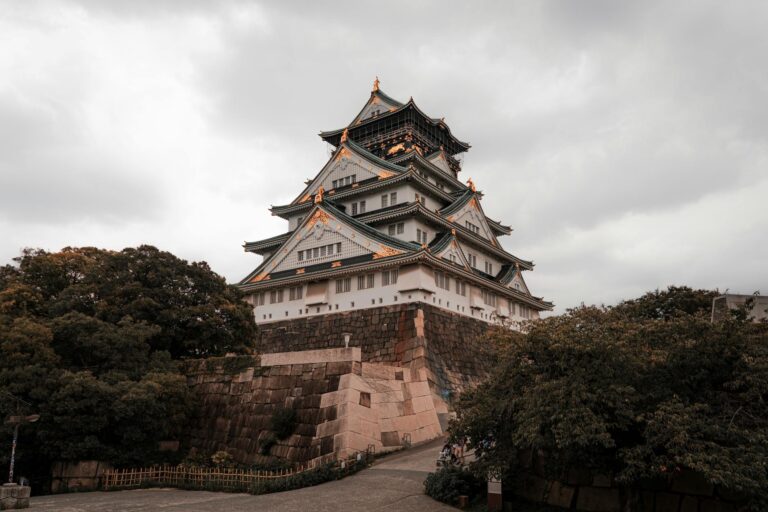
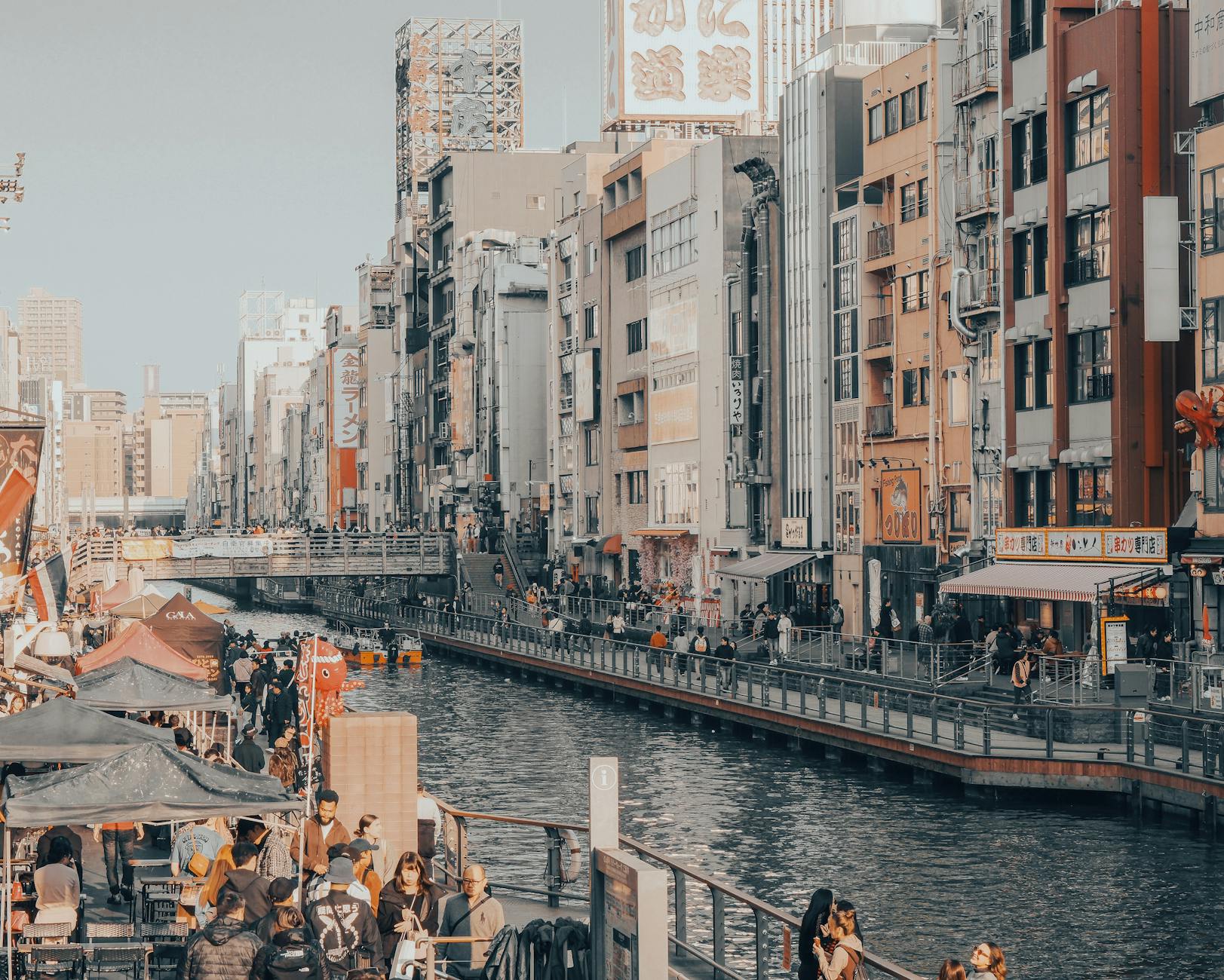

Wondering whether to base yourself in Tokyo, Osaka, or Kyoto for your 2026 Japan trip? Tokyo offers the most variety and international convenience, Osaka provides the best central location and food culture, while Kyoto delivers unmatched traditional charm at premium prices. Your choice depends on trip length, budget, and travel priorities.
In 2026, with record tourist numbers hitting Japan, choosing the right base city is more crucial than ever. Hotel prices have increased 20-30% since 2023, and popular areas book out months in advance. This guide breaks down exactly which city fits different travel styles, budgets, and itineraries.
Which City Offers the Best Location for Multi-City Travel?
Location strategy differs dramatically based on whether you’re doing day trips or multi-base stays.
Osaka: The Central Hub Champion
Osaka sits perfectly in Japan’s central corridor, making it the optimal base for exploring multiple regions:
- Kyoto access: 45 minutes by express train ($8-12)
- Nara day trips: 50 minutes direct ($6-8)
- Mount Koya: 2 hours via Nankai Line ($25)
- Hiroshima: 1.5 hours by shinkansen ($85)
- Tokyo connection: 3 hours by shinkansen ($120)
From Osaka, you can easily explore the entire Kansai region without changing bases. The city’s two main airports (Kansai and Itami) also provide excellent domestic connections.
Tokyo: Best for Northern Japan and Variety
Tokyo excels for travelers wanting diverse experiences and northern destinations:
- Hakone day trips: 2 hours via Odakyu Romance Car ($25)
- Nikko access: 2 hours via Tobu Line ($20)
- Northern Japan: Direct shinkansen to Sendai, Aomori
- Domestic flights: Haneda offers most connections
For trips focusing on Tokyo plus one major excursion, the capital works perfectly. However, reaching Kansai requires 2-3 hours each way.
Kyoto: Limited but Atmospheric
Kyoto functions better as a destination than a travel hub:
- Osaka access: 45 minutes via Keihan or Hankyu ($8-10)
- Nara trips: 1 hour via Kintetsu ($12)
- Limited shinkansen access: Most trains stop in Kyoto briefly
Choose Kyoto as a base only if traditional culture is your primary focus and you don’t mind higher costs.
Best City Choice by Trip Length and Style
Short Trips (3-5 Days): Pick One Base
Tokyo Base (3-5 days):
- Day 1-2: Central Tokyo (Shibuya, Harajuku, Ginza)
- Day 3: Hakone Day Trip from Tokyo: Complete First-Timer Guide 2026
- Day 4: Eastern Tokyo (Asakusa, Skytree, Tsukiji)
- Day 5: Modern Tokyo (Roppongi, Odaiba)
Osaka Base (3-5 days):
- Day 1-2: Osaka food culture and Osaka Castle
- Day 3: Kyoto temples and bamboo grove
- Day 4: Nara deer park and Todaiji Temple
- Day 5: Kobe or extended Kyoto exploration
Medium Trips (6-10 Days): Two-Base Strategy
For week-long trips, splitting between two cities maximizes experiences while minimizing travel time:
Tokyo + Osaka Split (recommended):
- Tokyo base: 4 nights covering city plus Hakone/Nikko
- Transfer day: Shinkansen experience Tokyo→Osaka
- Osaka base: 3 nights covering Osaka, Kyoto, Nara
This combination gives you modern Japan, traditional culture, and efficient regional exploration.
Long Trips (10+ Days): Three-Base Freedom
Extended trips allow for dedicated time in each city:
- Tokyo: 4-5 nights (including day trips)
- Osaka: 2-3 nights (food focus, day trips)
- Kyoto: 3-4 nights (temple hopping, traditional culture)
- Optional: Hiroshima & Miyajima Travel Guide: 2-Day Itinerary 2026
Budget Comparison: Daily Costs by City (2026 Prices)
Accommodation Costs
Budget Range ($50-80/night):
- Tokyo: Capsule hotels in Shibuya ($45-65), hostels in Asakusa ($50-75)
- Osaka: Business hotels near Namba ($40-60), hostels in Dotonbori ($35-55)
- Kyoto: Guesthouses near stations ($55-80), traditional areas ($65-90)
Mid-Range ($80-150/night):
- Tokyo: Hotels in Shinjuku ($90-140), Shibuya business hotels ($100-130)
- Osaka: Central Namba hotels ($70-110), Umeda area ($80-125)
- Kyoto: Traditional ryokan-style ($110-180), modern hotels ($90-140)
Food Budget Breakdown
Budget Meals:
- Tokyo: Convenience store meals ($3-6), ramen ($8-12), yoshinoya ($5-8)
- Osaka: Street food paradise ($2-5), okonomiyaki ($6-10), takoyaki ($3-6)
- Kyoto: Temple vegetarian meals ($12-18), traditional sweets ($4-8)
Mid-Range Dining:
- Tokyo: Izakaya dinner ($25-40), sushi lunch sets ($20-35)
- Osaka: Kaiseki lunch ($30-50), wagyu experiences ($40-80)
- Kyoto: Traditional tea ceremony ($25), multi-course dinners ($60-120)
Osaka clearly wins for food value, offering the most variety at the lowest prices.
Transportation Daily Costs
- Tokyo: $12-18 daily (extensive subway network)
- Osaka: $8-15 daily (efficient loop and subway system)
- Kyoto: $10-16 daily (buses plus limited subway)
Best Areas to Stay by Travel Style
First-Time Visitors
Tokyo: Shinjuku for convenience, Shibuya for energy, Ginza for upscale
Osaka: Namba/Dotonbori for food culture, Umeda for business district
Kyoto: Near Kyoto Station for access, Gion for traditional atmosphere
Food Enthusiasts
Osaka (clear winner): Dotonbori for street food, Shinsekai for local culture, Kuromon Market for fresh seafood
Tokyo: Tsukiji Outer Market, Shibuya food floors, Ameya-Yokocho
Kyoto: Pontocho Alley, Nishiki Market, traditional kaiseki restaurants
Culture and History Buffs
Kyoto (unmatched): 2,000+ temples, traditional districts, geisha culture
Tokyo: Museums in Ueno, traditional Asakusa, imperial sites
Osaka: Osaka Castle, Sumiyoshi Shrine, but limited compared to others
Photography and Instagram
Tokyo: Shibuya crossing, neon districts, modern architecture
Kyoto: Bamboo groves, temple gardens, traditional streets
Osaka: Neon food signs, street scenes, but fewer iconic shots
Seasonal Considerations for Base City Choice
Cherry Blossom Season (Late March-Early May)
- Kyoto: Most famous spots but extremely crowded, book 6+ months ahead
- Tokyo: Excellent cherry blossoms with more space, Ueno and Shinjuku parks
- Osaka: Beautiful but shortest season, Osaka Castle park is stunning
Summer (June-August)
- Tokyo: Best air conditioning in accommodations, most indoor activities
- Osaka: Extremely hot and humid, but great summer festivals
- Kyoto: Hottest of the three cities, temple walking can be exhausting
Autumn (September-November)
- Kyoto: Peak season for fall colors, premium pricing
- Tokyo: Perfect weather, comfortable walking temperatures
- Osaka: Pleasant temperatures, ideal for food exploration
Winter (December-February)
- Tokyo: Cold but manageable, winter illuminations
- Osaka: Mildest winter weather of the three
- Kyoto: Cold and can be snowy, magical but limited outdoor activities
Transportation Hub Analysis for Onward Travel
Domestic Flight Connections
Tokyo (Haneda/Narita): Best for Hokkaido, northern Japan, international connections
Osaka (Kansai/Itami): Good domestic network, excellent for Okinawa, Korea connections
Kyoto: No direct airport access, relies on Osaka airports (1 hour transfer)
Shinkansen Network Access
Tokyo: Starting point for all major lines (Tokaido, Tohoku, Joetsu)
Osaka: Central stop on Tokaido line, easy connections east and west
Kyoto: Limited shinkansen service, many express trains skip the city
Language and International Services
English Support Levels
Tokyo: Highest English proficiency, international hotel chains, global restaurants
Osaka: Growing English support, especially in tourist areas
Kyoto: Traditional areas have limited English, but major temples offer support
International Banking and Services
- Tokyo: Most international ATMs, foreign exchange counters
- Osaka: Good international services in central areas
- Kyoto: Limited to major hotels and tourist districts
Final Recommendation by Traveler Profile
Choose Tokyo If:
- First time in Japan
- Trip under 5 days
- Want maximum variety and convenience
- Planning northern Japan exploration
- Prefer international food options and English support
Choose Osaka If:
- Food is your primary interest
- Want to explore Kansai region efficiently
- Budget-conscious but want central location
- Planning 5-10 day trips covering multiple cities
- Prefer authentic local culture over tourist infrastructure
For comprehensive region planning, check our Osaka & Kyoto Travel Guide: Best Food, Culture & Day Trips.
Choose Kyoto If:
- Traditional culture is your main priority
- Staying 2-3 nights maximum
- Budget allows for premium experiences
- Visiting during off-peak seasons
- Want deep cultural immersion over variety
Frequently Asked Questions
Which city is cheapest to stay in: Tokyo, Osaka, or Kyoto?
Osaka is typically the cheapest base city, with hotels averaging $80-120 per night compared to $100-150 in Tokyo and $120-180 in Kyoto. Street food and local restaurants are also most affordable in Osaka.
Can you day trip between Tokyo, Osaka, and Kyoto easily?
Osaka and Kyoto are perfect for day trips (45 minutes apart). Tokyo requires 2-3 hours each way to reach Osaka/Kyoto by shinkansen, making it better for longer stays or separate bases.
Which city has the best train connections for exploring Japan?
Tokyo offers the most domestic flight options and northern destinations. Osaka provides central access to Kansai region, Hiroshima, and western Japan. Kyoto has limited direct connections but easy access via Osaka.
How many nights should you stay in each city?
For first-timers: 4-5 nights in Tokyo, 2-3 nights in Osaka, 2-3 nights in Kyoto. If choosing one base: Tokyo for 7+ day trips, Osaka for central 5-7 day exploration, Kyoto for cultural immersion with day trips.
Which city is best for first-time visitors to Japan?
Tokyo is ideal for first-timers due to English signage, international food options, and iconic experiences. Osaka works well for food-focused travelers, while Kyoto suits those prioritizing traditional culture.
Is it worth staying in multiple cities or picking one base?
For trips under 7 days, pick one base (Tokyo for variety, Osaka for central location). For 7+ days, staying in 2-3 cities reduces travel time and luggage hassle while maximizing local experiences.
Which city offers the best value for money in 2026?
Osaka provides the best value with affordable accommodation, cheap street food (takoyaki from $3), and central location. Tokyo offers more free attractions but higher daily costs, while Kyoto has premium pricing for traditional experiences.
Plan Your Japan Trip Today
Your base city choice shapes your entire Japan experience. Tokyo delivers variety and convenience, Osaka offers authentic culture and central access, while Kyoto provides traditional immersion at premium prices. Consider your priorities: first-timers often prefer Tokyo’s international feel, food lovers choose Osaka’s culinary scene, and culture enthusiasts select Kyoto’s traditional atmosphere.
Book accommodations early in 2026—popular areas fill up 3-6 months in advance. Start with your must-see experiences, then choose the base city that offers the best access and daily experience for your travel style.