
{
“@context”: “https://schema.org”,
“@type”: “FAQPage”,
“mainEntity”: [
{
“@type”: “Question”,
“name”: “How much does a 2-week trip to Japan cost from Australia in 2026?”,
“acceptedAnswer”: {
“@type”: “Answer”,
“text”: “Budget travellers can expect to spend around AUD $4,500–$5,500 per person for 2 weeks, mid-range travellers around AUD $6,500–$8,000, and those travelling in comfort AUD $9,000–$13,000+. Flights from Sydney or Melbourne typically account for AUD $1,000–$1,800 of that total.”
}
},
{
“@type”: “Question”,
“name”: “Is Japan cheaper than Australia to travel in?”,
“acceptedAnswer”: {
“@type”: “Answer”,
“text”: “Day-to-day spending in Japan is generally cheaper than in Australian cities. A solid restaurant meal costs AUD $12–$20 in Japan versus AUD $25–$40 in Sydney. Public transport is also significantly cheaper. However, flights add a major upfront cost that domestic Australian travel doesn’t have.”
}
},
{
“@type”: “Question”,
“name”: “When is the cheapest time to fly from Australia to Japan?”,
“acceptedAnswer”: {
“@type”: “Answer”,
“text”: “The cheapest flights from Australia to Japan are typically in February, June, and September — outside of cherry blossom season (late March–April), Australian school holidays, and Japanese Golden Week (late April–early May). Booking 3–4 months in advance saves the most.”
}
},
{
“@type”: “Question”,
“name”: “Do I need a visa to visit Japan from Australia in 2026?”,
“acceptedAnswer”: {
“@type”: “Answer”,
“text”: “No. Australian passport holders can enter Japan visa-free for up to 90 days as of 2026. You simply need a valid passport, a return ticket, and proof of accommodation. Japan re-introduced a tourist tax of ¥500 per night at most accommodation in 2026, so factor that into your budget.”
}
},
{
“@type”: “Question”,
“name”: “Is the JR Pass worth buying for a 2-week Japan trip from Australia?”,
“acceptedAnswer”: {
“@type”: “Answer”,
“text”: “For a classic 2-week trip covering Tokyo, Kyoto, Osaka, and Hiroshima, the 14-day JR Pass (around AUD $700–$750) typically pays for itself. If you’re staying in just one or two cities, an IC card is likely cheaper. Check our detailed comparison before buying.”
}
},
{
“@type”: “Question”,
“name”: “How much spending money per day should I budget for Japan in 2026?”,
“acceptedAnswer”: {
“@type”: “Answer”,
“text”: “A budget traveller needs around AUD $100–$130 per day on the ground (excluding flights). A mid-range traveller should budget AUD $170–$230 per day. This covers accommodation, meals, transport within cities, and entrance fees. Add more for shopping and splurge experiences.”
}
},
{
“@type”: “Question”,
“name”: “What hidden costs do Australians forget to budget for in Japan?”,
“acceptedAnswer”: {
“@type”: “Answer”,
“text”: “Common surprises include: the JR Pass purchase, airport transfer costs (Narita Express ~AUD $35 one way), coin locker fees, a pocket Wi-Fi or SIM card (~AUD $60–$100 for 2 weeks), tourist tax per night, and the temptation of convenience store snacks and 100-yen shop purchases that add up fast.”
}
}
]
}
{
“@context”: “https://schema.org”,
“@type”: “TravelAction”,
“name”: “Travel to Japan — SEO Strengthen: how much does a trip to japan cost from australia 2026 budget guide”,
“description”: “A 2-week Japan trip from Australia costs roughly AUD $4,500–$9,000 per person all-in. Here’s the exact city-by-city budget breakdown for 2026.”,
“toLocation”: {
“@type”: “Country”,
“name”: “Japan”
}
}
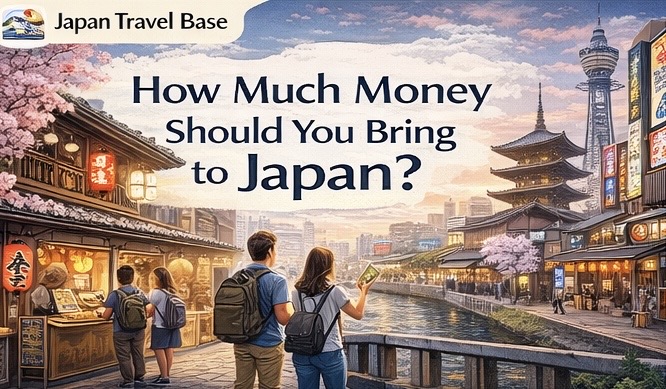
How Much Does a Trip to Japan Cost from Australia in 2026?
Planning a Japan trip and wondering what to budget? A 2-week trip to Japan from Australia costs roughly AUD $4,500–$9,000 per person all-in, depending on your travel style. That range covers return flights, accommodation, food, transport, and activities. Budget travellers sticking to hostels and ramen shops land at the lower end; those preferring private hotels and a ryokan night or two will sit in the middle to upper range.
In 2026, Japan continues to see record tourist numbers — and with that comes some price increases, particularly for accommodation during peak seasons. The good news? Day-to-day spending in Japan remains affordable compared to Australian cities, and the AUD has held reasonably well against the yen. Here’s exactly what to plan for.
What Do Return Flights from Australia to Japan Cost in 2026?
Flights are typically the single largest cost in your Japan budget. Prices vary considerably depending on your departure city, the time of year, and how early you book.
Average Flight Prices by Australian City (Return, Economy)
- Sydney (SYD) → Tokyo (NRT/HND): AUD $1,000–$1,600 off-peak; AUD $1,500–$2,200 during cherry blossom season or school holidays
- Melbourne (MEL) → Tokyo: AUD $1,050–$1,700 off-peak; AUD $1,600–$2,300 peak
- Brisbane (BNE) → Tokyo: AUD $1,100–$1,800
- Perth (PER) → Tokyo: AUD $1,200–$2,000 (longer route, fewer direct options)
- Adelaide (ADL) or Darwin (DRW): Typically routed via Sydney or Melbourne; budget AUD $1,300–$2,100
Cheapest Months to Fly from Australia to Japan
The cheapest months to book flights are February, June, and September. Avoid flying during late March–early April (cherry blossom peak), Australian school holidays (July, September/October, December–January), and Japan’s Golden Week (late April–early May). Booking 3–5 months in advance consistently saves AUD $300–$600 per person.
Pro tip: Flying into Osaka (KIX) instead of Tokyo can sometimes be cheaper, and it makes sense if you’re planning a western Japan itinerary covering Kyoto, Nara, and Hiroshima first.
Japan Accommodation Costs: What to Expect by City and Style (2026)
Accommodation is where your costs vary the most. Japan offers an incredible range — from AUD $25/night capsule hotels to AUD $500+/night luxury ryokan. Here’s a practical breakdown per city, per person per night (based on double-occupancy sharing).
Tokyo
Tokyo tends to be the most expensive city for accommodation in Japan. Budget hostels and capsule hotels in areas like Asakusa or Shinjuku run AUD $30–$55 per person. Mid-range business hotels (think Dormy Inn, APA Hotels) average AUD $80–$140 per room. Boutique and 4-star hotels in Shinjuku or Shibuya run AUD $160–$280 per room.
Kyoto
Kyoto’s popularity has pushed prices up, especially in 2026 with overtourism management measures restricting some accommodation areas. Expect to pay AUD $70–$130 per room for a decent mid-range hotel. A traditional machiya guesthouse or small ryokan starts around AUD $120–$200 per room. Booking early is essential — Kyoto sells out during cherry blossom and autumn foliage seasons months in advance. For inspiration on how to spend your time here, see our Kyoto 2-Day Itinerary covering Temples, Gion and Arashiyama.
Osaka
Osaka is the budget traveller’s friend. Mid-range rooms run AUD $65–$110 per room, and the city has excellent hostel options from AUD $25–$40 per person. Staying in Osaka and day-tripping to Kyoto (30 minutes by Shinkansen or 15 minutes by rapid train) is a popular money-saving strategy.
Hiroshima
Hiroshima is noticeably cheaper than Kyoto or Tokyo. A comfortable mid-range hotel costs AUD $60–$100 per room. It’s an underrated base for exploring western Japan — see the full itinerary in our Hiroshima and Miyajima 2-Day Itinerary.
Smaller Cities (Kanazawa, Nara, Hakone)
Smaller cities offer some of the best value. Kanazawa, for example, has beautiful ryokan from AUD $100–$160 per person including dinner and breakfast — exceptional value when you factor in what’s included. Rural and regional Japan consistently undercuts big-city prices by 20–40%.
How Much Does Food Cost in Japan for Australians?
This is where Japan genuinely surprises Australians — in the best possible way. Eating well in Japan is far cheaper than eating out in Sydney or Melbourne.
Daily Food Budget Breakdown
- Budget: AUD $25–$40/day — convenience store breakfasts, ramen lunches (~AUD $10–$14), izakaya set meals for dinner
- Mid-range: AUD $50–$80/day — sit-down sushi, tonkatsu, tempura restaurants; one café coffee per day
- Splurge meals: Omakase sushi from AUD $120–$300+ per person; kaiseki dinner AUD $150–$500+ per person
Japan’s convenience stores (7-Eleven, Lawson, FamilyMart) are a genuine meal option — onigiri, sandwiches, hot foods, and fresh sushi at AUD $3–$8 per item. Budget travellers can eat very comfortably for AUD $25–$30 per day using a mix of konbini and local lunch specials.
Note for 2026: Cashless payment is now standard across Japan. Most restaurants, convenience stores, and vending machines accept IC cards, PayPay, and international Visa/Mastercard. You still want some yen cash for small shrines, rural markets, and some older izakaya — but carrying large amounts is no longer necessary.
Japan Transport Costs: JR Pass vs IC Card for Australians
Transport is the third-biggest budget item for most travellers. For a classic 2-week trip covering Tokyo → Kyoto → Osaka → Hiroshima, the 14-day JR Pass costs approximately AUD $700–$750 (prices fluctuated in 2023 and have stabilised for 2026). This covers all Shinkansen bullet trains between cities, most local JR trains, and the Narita Express airport transfer.
If you’re staying in one or two cities and doing mostly local travel, an IC card (Suica or ICOCA) loaded with AUD $50–$80 will cover you for city trains and buses. See our full comparison in the JR Pass vs IC Card guide for 2026 to figure out which suits your itinerary.
Key Transport Costs to Know
- Narita Express (Tokyo airport → Shinjuku): ~AUD $35 one way
- Tokyo → Kyoto Shinkansen (Nozomi, not covered by JR Pass): ~AUD $160 one way; covered if you have JR Pass on the Hikari or Sakura
- Kyoto → Hiroshima Shinkansen: ~AUD $110 one way without JR Pass
- Local subway/bus rides within a city: AUD $2–$4 per trip
- Osaka → Kyoto rapid train: AUD $4–$6 one way (IC card)
Hidden Costs Australians Always Forget to Budget For
These are the budget items that catch first-timers off guard every time:
- Pocket Wi-Fi or SIM card: Essential for navigation. Costs AUD $60–$100 for 2 weeks. Order online before you leave — it’s cheaper and arrives at your airport.
- Tourist accommodation tax: Japan introduced per-night tourist taxes in 2026 across major cities. Expect AUD $1–$8 per person per night depending on the city and hotel tier.
- Coin lockers: Used constantly when day-tripping. Budget AUD $5–$10 per use at major stations.
- Entrance fees: Many temples, castles, and gardens charge AUD $5–$15 each. Over 14 days with multiple sites daily, this adds up to AUD $100–$200.
- Shopping and souvenirs: Japan’s 100-yen shops, department store food halls, and electronics districts are genuinely dangerous for your budget. Set a daily shopping limit.
- Day trip transport within Japan: A Hakone day trip from Tokyo, for example, costs AUD $40–$70 in transport if not covered by your JR Pass.
- Travel insurance: Non-negotiable. Australia’s Medicare does not cover you overseas. Comprehensive Japan travel insurance runs AUD $80–$200 for 2 weeks depending on your provider.
Full 2-Week Japan Budget from Australia: AUD Summary by Travel Style (2026)
Budget Traveller — 14 Days
- Return flights (Sydney): AUD $1,100
- Accommodation (hostels/capsules): AUD $700 (AUD $50/night)
- Food: AUD $490 (AUD $35/day)
- Transport (JR Pass 14-day): AUD $720
- Activities and entrance fees: AUD $150
- Extras (SIM, insurance, taxis, shopping): AUD $300
- Total: ~AUD $3,460–$4,500
Mid-Range Traveller — 14 Days
- Return flights (Sydney): AUD $1,400
- Accommodation (private hotel rooms): AUD $1,960 (AUD $140/night)
- Food: AUD $840 (AUD $60/day)
- Transport (JR Pass 14-day + IC card top-ups): AUD $800
- Activities, entrance fees, day trips: AUD $350
- Extras (SIM, insurance, souvenirs, shopping): AUD $600
- Total: ~AUD $5,950–$7,500
Comfort/Semi-Luxury Traveller — 14 Days
- Return flights (Sydney, sometimes business upgrade): AUD $2,000–$4,000
- Accommodation (4-star hotels + 2 ryokan nights): AUD $3,500–$5,000
- Food (including 2–3 special dinners): AUD $1,400
- Transport (JR Pass + private transfers): AUD $1,000
- Activities and experiences: AUD $600
- Shopping and extras: AUD $1,000+
- Total: ~AUD $9,500–$15,000+
When to Go: Seasonal Cost Variations for Australian Travellers
Timing your Japan trip from Australia has a major impact on cost — both for flights and on-the-ground accommodation.
Most Expensive Times (Avoid If Budget-Conscious)
- Late March–early April: Cherry blossom season. Flight prices surge AUD $400–$800 above off-peak. Hotels book out months in advance and charge premium rates.
- Golden Week (late April–early May): Japan’s biggest domestic holiday. Crowds are extreme and accommodation prices spike.
- Australian school holidays: July and December–January see high demand from Australian families. Book early.
- November: Autumn foliage season rivals cherry blossom for popularity. Kyoto in particular is extremely busy.
Best Value Times to Visit Japan from Australia
- February: Off-peak, cheaper flights, and you might catch early plum blossoms. Winter festivals in Hokkaido are spectacular.
- June: Rainy season means slightly lower demand and great prices — pack a compact umbrella and enjoy the crowds-free temples.
- September: Post-summer, pre-autumn foliage. Excellent weather and competitive pricing.
Not sure which cities to prioritise? Our guide to Tokyo vs Osaka vs Kyoto: Best Japan Travel Base by Trip Length helps you choose where to spend your nights based on how long you have.
Frequently Asked Questions
How much does a 2-week trip to Japan cost from Australia in 2026?
Budget travellers can expect to spend around AUD $4,500–$5,500 per person for 2 weeks, mid-range travellers around AUD $6,500–$8,000, and those travelling in comfort AUD $9,000–$13,000+. Flights from Sydney or Melbourne typically account for AUD $1,000–$1,800 of that total.
Is Japan cheaper than Australia to travel in?
Day-to-day spending in Japan is generally cheaper than in Australian cities. A solid restaurant meal costs AUD $12–$20 in Japan versus AUD $25–$40 in Sydney. Public transport is also significantly cheaper. However, flights add a major upfront cost that domestic Australian travel doesn’t have.
When is the cheapest time to fly from Australia to Japan?
The cheapest flights from Australia to Japan are typically in February, June, and September — outside of cherry blossom season (late March–April), Australian school holidays, and Japanese Golden Week (late April–early May). Booking 3–4 months in advance saves the most.
Do I need a visa to visit Japan from Australia in 2026?
No. Australian passport holders can enter Japan visa-free for up to 90 days as of 2026. You simply need a valid passport, a return ticket, and proof of accommodation. Japan re-introduced a tourist tax of ¥500 per night at most accommodation in 2026, so factor that into your budget.
Is the JR Pass worth buying for a 2-week Japan trip from Australia?
For a classic 2-week trip covering Tokyo, Kyoto, Osaka, and Hiroshima, the 14-day JR Pass (around AUD $700–$750) typically pays for itself. If you’re staying in just one or two cities, an IC card is likely cheaper. Check our detailed comparison before buying.
How much spending money per day should I budget for Japan in 2026?
A budget traveller needs around AUD $100–$130 per day on the ground (excluding flights). A mid-range traveller should budget AUD $170–$230 per day. This covers accommodation, meals, transport within cities, and entrance fees. Add more for shopping and splurge experiences.
What hidden costs do Australians forget to budget for in Japan?
Common surprises include: the JR Pass purchase, airport transfer costs (Narita Express ~AUD $35 one way), coin locker fees, a pocket Wi-Fi or SIM card (~AUD $60–$100 for 2 weeks), tourist tax per night, and the temptation of convenience store snacks and 100-yen shop purchases that add up fast.
Plan Your Japan Trip Today
Japan in 2026 remains one of the most rewarding destinations Australian travellers can choose — a 2-week trip is genuinely achievable on a range of budgets, from the ultra-frugal to the comfortably luxurious. The key is booking flights early, choosing your season wisely, and planning your city mix to balance cost and experience.
Start by locking in your flights and deciding on your base cities — our guide to Japan First-Timer Mistakes to Avoid in 2026 will help you dodge the most common (and costly) planning errors. Then build your itinerary city by city, use this budget breakdown as your benchmark, and prepare for one of the best trips of your life.