
Can You Really See Kyoto’s Best Highlights in Just 2 Days?
Planning a first-time visit to Kyoto and wondering what to prioritise? Two days in Kyoto is absolutely enough — but only if you follow a structured plan rather than a loose list of options. This itinerary gives you the exact route, timings, transit instructions and entry fees for Fushimi Inari, Kiyomizu-dera, the Gion geiko district, the Arashiyama Bamboo Grove, Tenryu-ji, Kinkaku-ji and Nishiki Market. Follow it as written and you’ll finish both days feeling like you’ve genuinely lived Kyoto, not just ticked boxes.
If you’re still deciding whether Kyoto should be your base or just a day trip, our comparison of Tokyo vs Osaka vs Kyoto by trip length will help you decide before you book accommodation.
Before You Arrive: Transit Essentials for Kyoto
Kyoto’s public transport is straightforward once you understand two things: the city bus network covers most temples, and a day pass makes it almost free to hop between sites.
Buy the Kyoto City Bus One-Day Pass
- Cost: ¥700 per day (about $4.50 USD / $7 AUD in 2026)
- Buy it at Kyoto Station Bus Information Centre (ground floor, central exit)
- Valid on all city buses — unlimited rides within the day
- Your IC card (Suica, ICOCA, or Pasmo) works on all buses and trains if you prefer pay-as-you-go
- Credit cards are now accepted on many Kyoto buses in 2026, but having an IC card loaded with ¥2,000–3,000 is still the safest backup
Getting to Kyoto from Tokyo or Osaka
- From Tokyo: Shinkansen Nozomi (2hr 15min, ~¥14,000 / $90 USD one way). The JR Pass covers this if your overall trip justifies the cost — see our JR Pass vs IC Card breakdown before buying.
- From Osaka: JR Special Rapid train from Osaka Station (75 min, ¥580) or Shinkansen (14 min, ¥1,490)
Day 1: Fushimi Inari, Kiyomizu-dera and an Evening in Gion
7:00am — Fushimi Inari Taisha (Free)
Start here. This is non-negotiable. The thousands of vermillion torii gates climbing Mount Inari are Kyoto’s most photographed sight — and the only way to experience them without wall-to-wall tourists is to arrive at or before 7:00am. By 9:00am, tour groups flood in. By 10:00am, the lower gate tunnels are nearly impassable for a relaxed walk.
The shrine is open 24 hours and entry is completely free. Spend 60–75 minutes walking up through the Senbon Torii (thousand torii) tunnels to the Yotsutsuji intersection, which offers a view over southern Kyoto. You don’t need to hike to the summit — the most dramatic photography happens in the first 30 minutes of the walk.
Transit to next stop: Take the JR Nara Line from Inari Station (walk 3 minutes from the shrine entrance) to Tofukuji Station, then change to the Keihan Line to Kiyomizu-Gojo Station. Total: about 20 minutes, ¥270.
9:00am — Kiyomizu-dera (¥500)
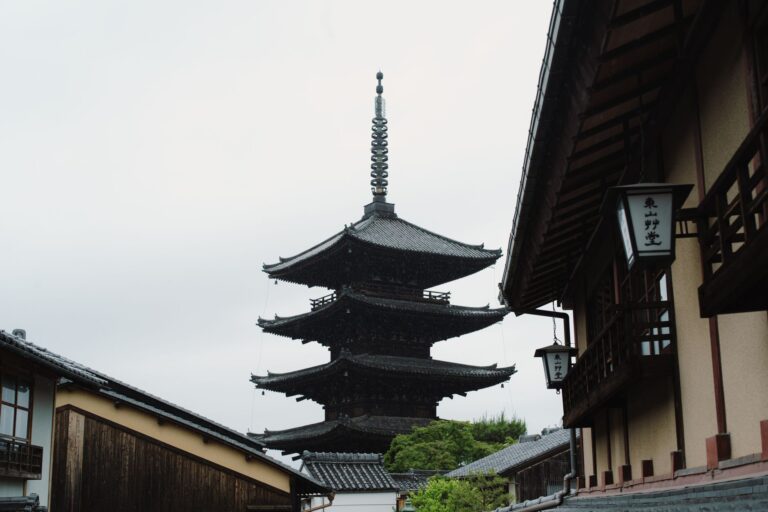
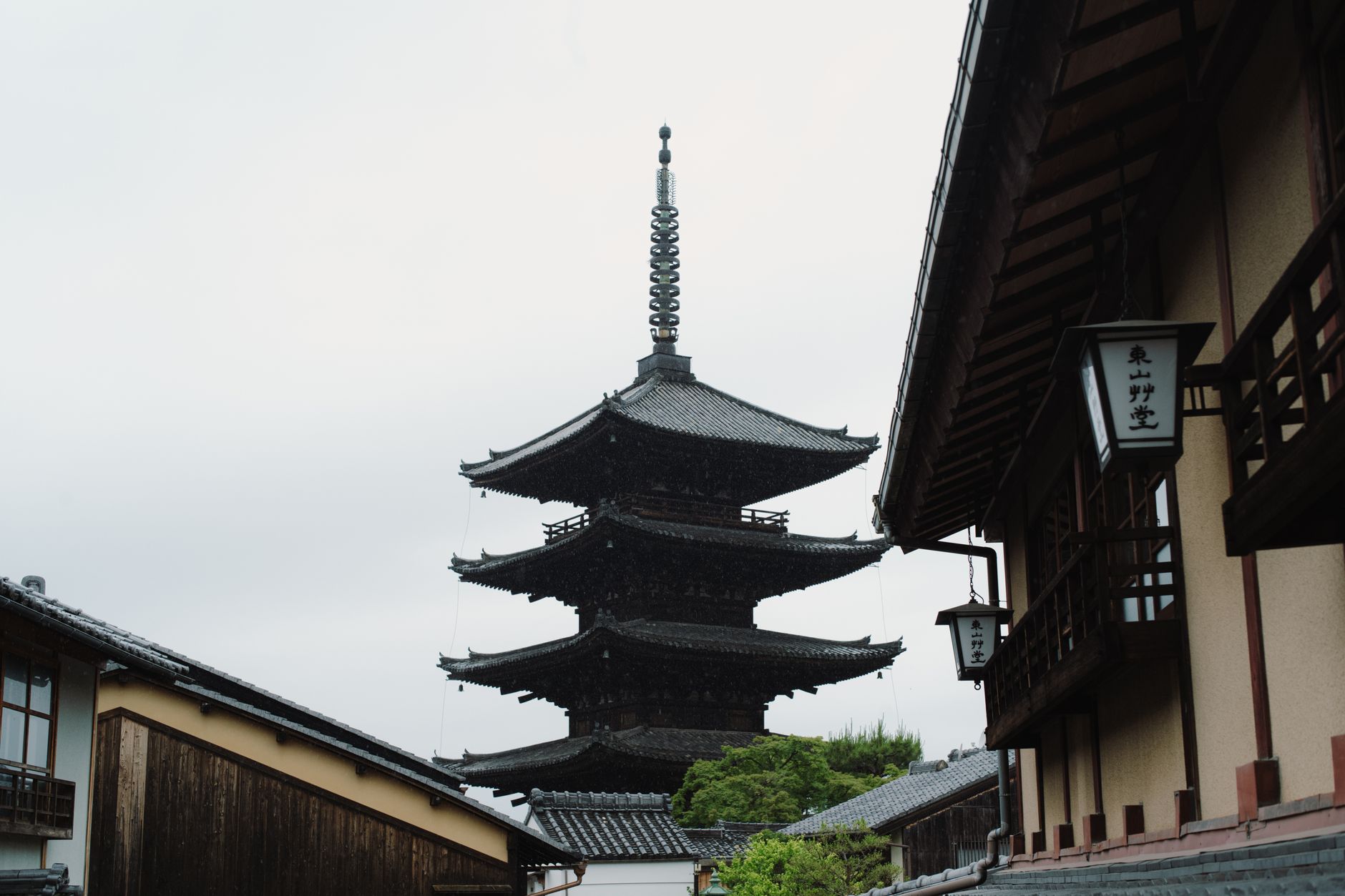
Walk uphill from Kiyomizu-Gojo Station through the atmospheric Ninenzaka and Sannenzaka stone-paved lanes (about 15 minutes on foot). These preserved Meiji-era streets are lined with shops selling matcha soft serve, yatsuhashi sweets and ceramics — worth a slow stroll even before you reach the temple gate.
Kiyomizu-dera’s famous wooden stage, cantilevered over the hillside without a single nail, gives a sweeping view of Kyoto’s rooftops. Allow 60–75 minutes inside. Entry is ¥500 (approximately $3.20 USD). The Otowa waterfall at the base has three streams said to grant longevity, academic success and luck in love — pick one and drink (choosing all three is considered greedy, according to local tradition).
Note for 2026 visitors: Kyoto introduced trial crowd-management measures at Kiyomizu-dera during peak season. Arrive before 9:30am to avoid potential timed-entry queues during cherry blossom season (late March to early April).
11:00am — Ninenzaka, Lunch and the Higashiyama Walk
Head back down through Ninenzaka and Sannenzaka for a late-morning break. Budget lunch options here include soba noodles (¥900–1,200) and tofu-based Kyoto cuisine at small sit-down restaurants. Avoid the tourist-facing shops that overprice mediocre food — look for places with handwritten menus and local customers.
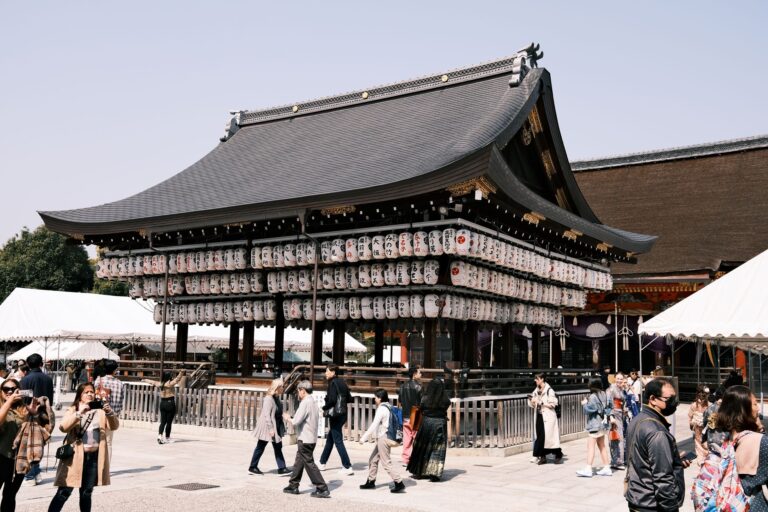
From here, walk north along the Higashiyama district — one of the best-preserved historic streetscapes in Japan — passing Kodai-ji temple and Yasaka Shrine as you move toward Gion. This walk takes about 25–30 minutes at a relaxed pace.
1:30pm — Afternoon Option: Kimono Rental
If you want to wear a kimono while walking through Gion — which you should, at least once — book through Klook for a half-day rental starting around ¥3,500–5,000 ($22–32 USD). Several rental shops are clustered near Kiyomizu-dera and along Hanamikoji Street in Gion. Staff will dress you, style your hair and take a few photos. Rental includes return before closing (usually 6:00pm).
5:00pm — Gion Geiko District Evening Walk
Gion is Kyoto’s most famous geiko (the Kyoto term for geisha) district, and it’s best experienced in the early evening. Head to Hanamikoji Street — the main north-south lane south of Shijo Avenue — and walk slowly. Between 5:30pm and 7:00pm, geiko and maiko (apprentice geiko) may be seen walking between appointments. Do not block their path, call out to them or grab them for photos. In 2026, the Gion district has expanded no-photography zones on several side streets, with ¥10,000 fines enforced. Respect the rules — this is a working neighbourhood, not a theme park.
For dinner, the streets around Pontocho Alley (parallel to the Kamogawa River, one block west of Gion) offer everything from casual ramen (¥900) to multi-course kaiseki (¥8,000+). Book ahead for kaiseki; walk-ins work fine for ramen and izakaya.
Day 2: Arashiyama, Kinkaku-ji and Nishiki Market
7:30am — Arashiyama Bamboo Grove (Free)
Set your alarm. The Arashiyama Bamboo Grove is extraordinary — a towering corridor of giant bamboo that creaks and sways in the wind — but it is also one of Kyoto’s most over-visited spots. The path is only about 500 metres long and becomes a shuffling crowd by 9:30am. Arrive before 8:00am and you may have it nearly to yourself.
Getting there: From central Kyoto, take the JR Sagano Line from Kyoto Station to Saga-Arashiyama Station (17 minutes, ¥240). The bamboo grove is a 7-minute walk from the station. Alternatively, bus #28 from Kyoto Station takes about 50 minutes — the train is faster.
8:30am — Tenryu-ji Zen Garden (¥500)
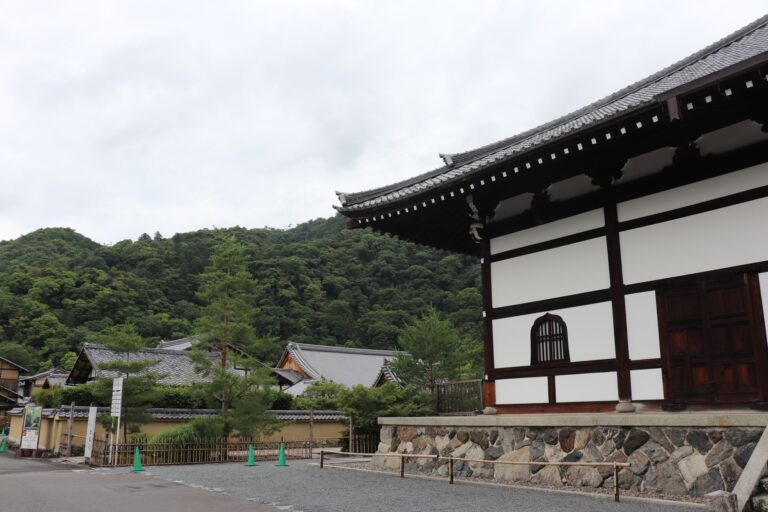
Directly adjacent to the bamboo grove entrance, Tenryu-ji is a UNESCO World Heritage Site and one of Kyoto’s finest Zen temple complexes. The garden (¥500 entry) wraps around a central pond with raked gravel, sculpted pines and borrowed scenery from the surrounding Arashiyama hills. Allow 45–60 minutes. Entry to the main hall costs an additional ¥300 if you want to go inside — the garden alone is worth it.
10:00am — Arashiyama’s Quiet Back Streets
Before leaving Arashiyama, walk north from Tenryu-ji along the quieter lanes toward Jojakko-ji or the Okochi Sanso villa garden. These spots see far fewer visitors than the bamboo grove. The Togetsukyo Bridge over the Oi River is also worth a few minutes — the mountain backdrop is especially beautiful in morning light.
11:30am — Kinkaku-ji Golden Pavilion (¥500)
Take a taxi from Arashiyama to Kinkaku-ji (about 20–25 minutes, ¥1,800–2,200) rather than the bus, which takes longer with transfers. Kinkaku-ji — the three-storey pavilion covered entirely in gold leaf, reflected in its mirror pond — is Kyoto’s most iconic image. It is, admittedly, always crowded. But it’s also genuinely stunning, and no first-time visitor should skip it. Entry is ¥500. The visit is essentially a single loop path around the pond — allow 30–45 minutes.
Tip: Visit on a clear day if possible (check the forecast the night before). The reflection of the gold pavilion in the still pond is the shot — it only works in calm, sunny conditions.
1:00pm — Nishiki Market Lunch
Head back toward central Kyoto (bus from Kinkaku-ji stop, about 30 minutes, or taxi ¥1,500). Nishiki Market — a narrow, 400-metre covered arcade known as “Kyoto’s Kitchen” — runs parallel to Shijo Avenue and is perfect for a walking lunch. Stalls sell skewered tofu, fresh tamagoyaki (rolled omelette), pickled vegetables, crab croquettes and matcha-everything. Budget ¥1,000–1,500 for a full grazing lunch. Arrive by 1:30pm before the afternoon tourist surge.
Afternoon: Optional Add-Ons or Onward Travel
If you have a late afternoon free, consider a tea ceremony experience through Klook (from ¥2,500, about $16 USD) near the Higashiyama district. These 45-minute sessions include matcha preparation and traditional sweets — a calm, memorable way to close your Kyoto visit.
If you’re continuing your Japan trip beyond Kyoto, the city pairs naturally with a 2-day Hiroshima and Miyajima itinerary — easily reachable by shinkansen in under an hour.
Where to Stay in Kyoto for 2 Days
Option 1: Near Kyoto Station (Best for Transit)
Staying within 10 minutes of Kyoto Station means fast access to the shinkansen, JR lines to Nara and Osaka, and the central bus terminal. This is the practical choice if you’re moving between cities. Mid-range hotels here run ¥12,000–20,000 ($75–130 USD) per night. Look for business hotels like Dormy Inn or APA Hotel for clean, affordable rooms with excellent transit access.
Option 2: Gion or Higashiyama (Best for Atmosphere)
Staying in Gion puts you inside the historic district — you can walk to Kiyomizu-dera in 20 minutes and wake up on cobblestone lanes. A machiya (traditional townhouse) rental through Booking.com offers a uniquely Japanese experience, with tatami rooms and interior gardens. Prices range from ¥18,000–40,000 ($115–260 USD) per night depending on season and size. A small Gion ryokan with breakfast included is another excellent choice — budget ¥22,000–35,000 per night.
If you’re weighing Kyoto against other bases for your broader Japan trip, our article on Tokyo vs Osaka vs Kyoto by traveler type breaks down exactly which city suits which kind of trip.
Kyoto 2-Day Budget Summary
- Entry fees (both days): ¥2,500 total (~$16 USD) — Kiyomizu-dera ¥500, Tenryu-ji ¥500, Kinkaku-ji ¥500, Fushimi Inari free, Bamboo Grove free
- Bus passes (2 days): ¥1,400 (~$9 USD)
- Food (2 days): ¥3,000–6,000 ($20–40 USD) depending on choices
- Optional kimono rental: ¥3,500–5,000 ($22–32 USD)
- Optional tea ceremony: ¥2,500+ ($16+ USD)
- Accommodation: ¥12,000–40,000 per night depending on area and style
- Total (excluding flights and accommodation): approximately $50–100 USD per person per day
First-Timer Tips: Avoiding Kyoto’s 2026 Overtourism Traps
- Kyoto received a record number of foreign visitors in 2025–2026. Arrive at every major site before 9:00am to avoid the worst crowds.
- The Gion district has expanded photography ban zones — follow posted signs or risk a fine.
- Book accommodation at least 6–8 weeks ahead for cherry blossom season (late March to early April) and autumn leaves (mid-November). Prices spike 40–80% during these windows.
- Avoid common planning errors — read our Japan first-timer mistakes guide before you finalise your trip.
- Tap-to-pay with your credit card or IC card wherever possible — Kyoto’s buses, convenience stores and most restaurants now accept contactless payment in 2026.
Frequently Asked Questions
Is 2 days in Kyoto enough for a first-time visitor?
Yes — two full days is enough to cover Kyoto’s highlights if you plan your route efficiently. Focus on Fushimi Inari and Gion on Day 1, then Arashiyama, Kinkaku-ji and Nishiki Market on Day 2. Arrive early at each site to beat the crowds.
What is the best way to get around Kyoto in 2 days?
The Kyoto City Bus One-Day Pass (¥700, about $4.50 USD) is your best friend. Buy it at Kyoto Station’s bus information centre. For Day 2, combine the bus with a short taxi ride to Arashiyama, which sits on the western edge of the city. IC cards like Suica and ICOCA work on all buses and trains.
How much does a 2-day Kyoto trip cost per person?
Budget around $80–120 USD per day excluding accommodation. Entry fees total roughly ¥1,500 ($10) across the two days. Add ¥1,500–2,000 for food, ¥1,400 for bus passes across both days, plus ¥500–1,000 for optional experiences like kimono rental or a tea ceremony.
Is Fushimi Inari free to enter?
Yes, Fushimi Inari Taisha is completely free to enter at any time of day or night. The full hike to the summit takes about 2–3 hours, but you only need 45–60 minutes to walk through the most iconic torii gate tunnels near the base.
When should I arrive at the Arashiyama Bamboo Grove?
Arrive before 8:00am to experience the bamboo grove with minimal crowds. By 9:30am the path becomes congested, especially on weekends and during peak tourist seasons. The grove itself is free to walk through and is accessible around the clock.
Where is the best area to stay in Kyoto for first-timers?
Stay near Kyoto Station if transport efficiency is your priority — it connects you to Osaka, Nara and the shinkansen network. Stay in Gion or Higashiyama for atmosphere — you’ll wake up in the heart of the historic district with walking access to Kiyomizu-dera. Both work well for a 2-day visit.
Do I need to book Kyoto temples in advance in 2026?
Kiyomizu-dera and Kinkaku-ji do not require advance booking — pay at the gate. However, in 2026, Kyoto is trialling timed-entry measures at certain sites during peak periods. Check each temple’s official website before your visit, especially during cherry blossom season (late March to early April) and autumn leaf season (mid-November).
Plan Your Japan Trip Today
This two-day Kyoto itinerary gives you a definitive, time-stamped plan — not a vague wishlist. Follow the early-morning strategy at Fushimi Inari and Arashiyama, use the city bus day pass to keep transit costs low, and choose your accommodation zone based on whether you prioritise atmosphere or transport links.
Ready to book? Use Booking.com to compare Gion ryokan and Higashiyama machiya options, and lock in your kimono rental and tea ceremony through Klook before popular slots fill. Kyoto’s tourism infrastructure is well-developed, but the best experiences — an empty bamboo grove at dawn, an evening geiko sighting on Hanamikoji Street — still belong to those who plan ahead and arrive early.