
{
“@context”: “https://schema.org”,
“@type”: “FAQPage”,
“mainEntity”: [
{
“@type”: “Question”,
“name”: “What is the best month to see Mount Fuji clearly?”,
“acceptedAnswer”: {
“@type”: “Answer”,
“text”: “November through February offers the clearest Mount Fuji views. Cold, dry air reduces haze, and Fuji is capped in snow, making it photogenic. Early mornings on weekdays are best — cloud cover typically builds by midday.”
}
},
{
“@type”: “Question”,
“name”: “Can you see Mount Fuji from Tokyo city?”,
“acceptedAnswer”: {
“@type”: “Answer”,
“text”: “Yes, on clear winter mornings you can see Mount Fuji from several Tokyo observation decks, including the free observation floor at Tokyo Metropolitan Government Building in Shinjuku and the paid Sky Deck at Roppongi Hills Mori Tower. Visibility is best from December to February before 9am.”
}
},
{
“@type”: “Question”,
“name”: “How do I get from Tokyo to Lake Kawaguchiko to see Mount Fuji?”,
“acceptedAnswer”: {
“@type”: “Answer”,
“text”: “The easiest route is the Fuji Excursion limited express train from Shinjuku Station, which runs directly to Kawaguchiko Station in about 1 hour 50 minutes. Alternatively, highway buses from Shinjuku Bus Terminal take around 1 hour 45 minutes and cost roughly ¥1,750–¥2,000 one way. The JR Pass does not cover this route — you pay separately.”
}
},
{
“@type”: “Question”,
“name”: “Is the Chureito Pagoda worth visiting for Mount Fuji photos?”,
“acceptedAnswer”: {
“@type”: “Answer”,
“text”: “Absolutely. The Chureito Pagoda shot — with the five-storey pagoda in the foreground and snow-capped Fuji behind — is one of the most reproduced Japan travel photos in the world. You reach it by climbing 398 steps from Fujisan Station on the Fujikyu Railway. Arrive before 9am for the best light and to beat crowds, which have surged significantly in 2025 and 2026.”
}
},
{
“@type”: “Question”,
“name”: “Does the JR Pass cover the train to Kawaguchiko or Hakone?”,
“acceptedAnswer”: {
“@type”: “Answer”,
“text”: “The JR Pass does not cover the Fujikyu Railway to Kawaguchiko. For Hakone, the Romancecar from Shinjuku is not JR-covered, but you can use the JR Pass to reach Odawara on the Tokaido Shinkansen, then switch to the Hakone Tozan line (not JR-covered). The Hakone Free Pass is a better value option for the Hakone area. Check our detailed JR Pass vs IC Card comparison for exact cost calculations.”
}
},
{
“@type”: “Question”,
“name”: “What is the best ryokan to see Mount Fuji from my room?”,
“acceptedAnswer”: {
“@type”: “Answer”,
“text”: “Several ryokan on the northern shore of Lake Kawaguchiko offer Fuji-view rooms. These sell out weeks in advance, especially on weekends from November to February. Expect to pay ¥30,000–¥80,000 per person per night for a room with Fuji view and kaiseki dinner included. Book as early as possible through Booking.com and filter specifically for ‘Mount Fuji view’ rooms.”
}
},
{
“@type”: “Question”,
“name”: “Is Hakone or Kawaguchiko better for seeing Mount Fuji?”,
“acceptedAnswer”: {
“@type”: “Answer”,
“text”: “Both are excellent but offer different experiences. Kawaguchiko (Lake Kawaguchiko) gives a closer, more dramatic view with iconic photography spots like Chureito Pagoda. Hakone offers a more luxurious, resort-town feel with hot spring ryokan and views across Lake Ashi — though Fuji is partially obscured on many days. If your sole priority is seeing Fuji clearly, Kawaguchiko wins on reliability.”
}
}
]
}
{
“@context”: “https://schema.org”,
“@type”: “TravelAction”,
“name”: “Travel to Japan — Mount Fuji Views: Best Spots and How to Get There”,
“description”: “Lake Kawaguchiko and Chureito Pagoda deliver the most iconic Mount Fuji views, just 2 hours from Tokyo. Here’s exactly what to plan for each top spot.”,
“toLocation”: {
“@type”: “Country”,
“name”: “Japan”
}
}
Where Is the Best Place to See Mount Fuji? The Short Answer
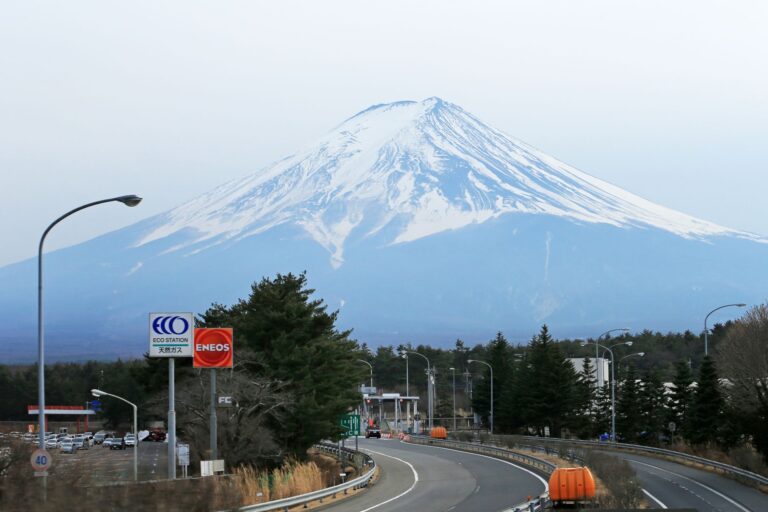
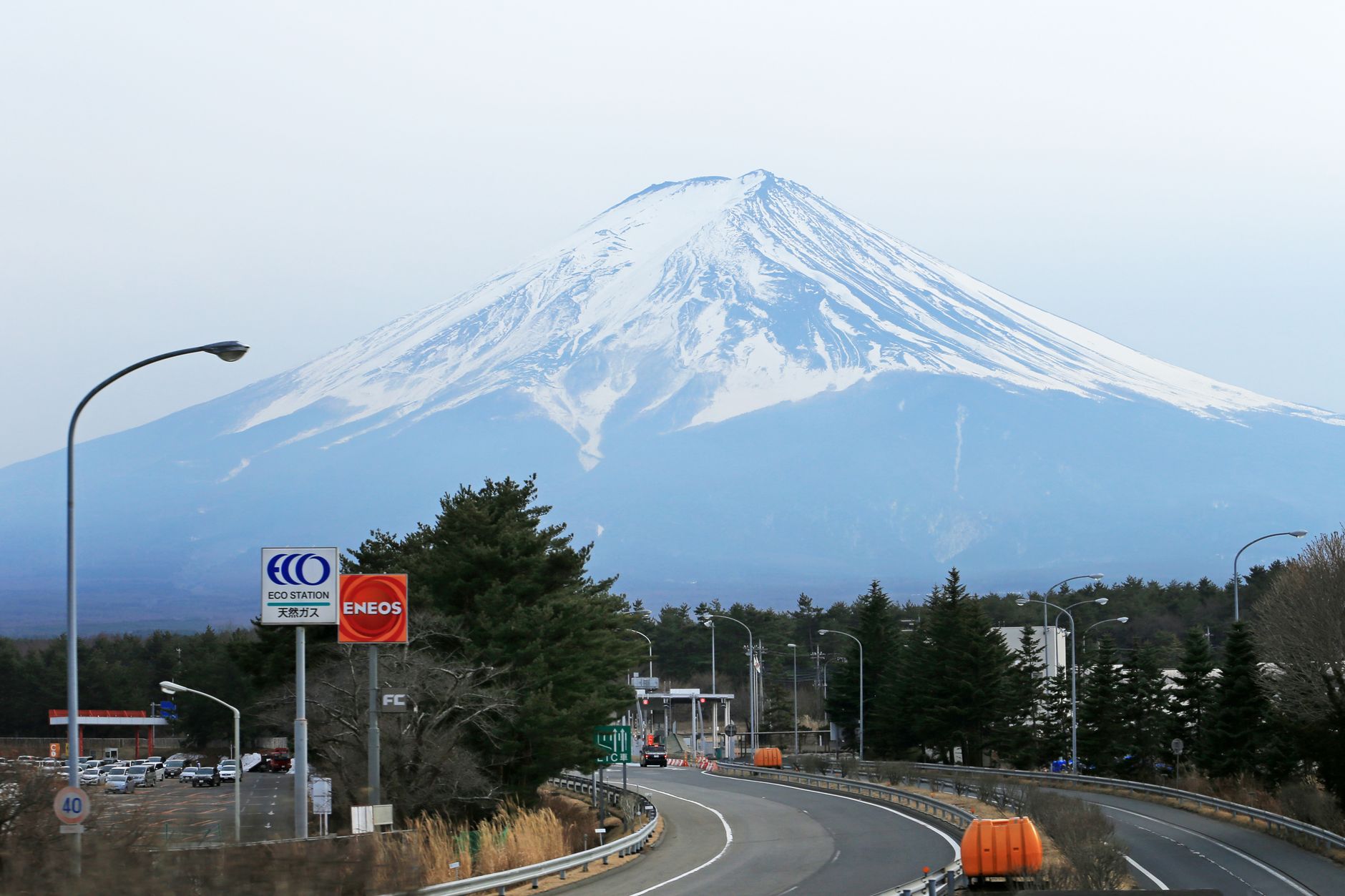
Wondering where the best place to see Mount Fuji from Tokyo is? Lake Kawaguchiko — specifically the Chureito Pagoda viewpoint — consistently delivers the most iconic, unobstructed Mount Fuji views, just under two hours from Shinjuku. For a more luxurious experience, Hakone’s Lake Ashi offers stunning Fuji backdrops combined with world-class ryokan and onsen. And on a clear winter morning, you can even spot Fuji for free from rooftop observation decks right in central Tokyo.
The key thing every visitor needs to know before planning: Mount Fuji is visible on only about 80 days per year on average, and the best window is November through February. Always check a live Fuji webcam the morning of your day trip before you commit to the journey. Below, we break down every major viewpoint, how to reach it, and what kind of experience awaits you.
Why Is Mount Fuji So Hard to See — and When Should You Go?
Mount Fuji sits at 3,776 metres and generates its own weather. Cloud cover, humidity, and haze frequently obscure the summit for much of the year. In summer, Japan’s humid air makes the mountain practically invisible for weeks at a time, even on days that feel clear in Tokyo.
Best Months to See Mount Fuji
- November to February: Peak visibility. Cold, dry air, low humidity, and Fuji capped in photogenic snow. This is the window most serious photographers target.
- March to April: Visibility drops as spring humidity rises — but if you’re lucky, you can catch cherry blossoms with Fuji in the background at Kawaguchiko. This combination drives some of the highest hotel prices of the year.
- May to October: Summer haze, rainy season, and typhoon season make views unreliable. Fuji’s climbing season (July–August) is busy but views from lower down are often obscured.
How to Check Before You Go
Don’t gamble a full day trip on a maybe. Use these free resources the morning of your visit:
- Yamanashi Fuji Webcam (available via Yamanashi Prefecture website) — live Kawaguchiko view
- Fujisan.or.jp — real-time webcam from multiple angles around the mountain
- Check weather forecasts specifically for Fujikawaguchiko, not just Tokyo — conditions can differ dramatically
Spot 1: Lake Kawaguchiko & Chureito Pagoda (Best Overall)
If you only have time for one Mount Fuji viewpoint, make it Lake Kawaguchiko. The town of Fujikawaguchiko sits on the northern shore of the lake, with Fuji filling the southern skyline. On a clear morning, the reflection of the mountain in the lake is genuinely breathtaking — and the town is set up perfectly for both day-trippers and overnight stays.
Chureito Pagoda: The Classic Shot
The five-storey Chureito Pagoda, perched on the hillside above Fujiyoshida, is one of the most photographed spots in all of Japan. The composition — red pagoda steps, traditional architecture, and the snow-capped cone of Fuji rising behind — appears on countless travel feeds and magazine covers. In 2026, it remains as impressive as ever, though crowds have surged significantly as Japan continues to see record international visitor numbers.
To reach Chureito Pagoda, take the Fujikyu Railway from Kawaguchiko Station to Fujisan Station (one stop, about 5 minutes). From there, walk to the Arakurayama Sengen Park entrance and climb 398 steps to the pagoda. Allow 15–20 minutes for the ascent. Arrive by 8am to get the iconic shot before tour groups arrive.
How to Get to Lake Kawaguchiko from Tokyo
You have two reliable options:
- Fuji Excursion Limited Express Train: Departs Shinjuku Station, arrives Kawaguchiko Station in approximately 1 hour 50 minutes. Runs several times daily. Cost: around ¥3,200 one way. Book seats in advance on the JR East website — note this train is not covered by the JR Pass and requires a separate ticket. See our JR Pass vs IC Card comparison to understand which transport passes save you the most money on this type of itinerary.
- Highway Bus from Shinjuku Expressway Bus Terminal (Busta Shinjuku): Approximately 1 hour 45 minutes, cost ¥1,750–¥2,000 one way. Slightly cheaper, departs very frequently, but can be delayed by highway traffic. Book via Willer Express or Highway Bus Bookings Japan.
What to Do at Kawaguchiko Beyond the Views
- Lakeside cycling: Rent a bicycle near Kawaguchiko Station (around ¥1,000–¥1,500/hour) and cycle the northern shore for uninterrupted Fuji panoramas. The northern lake path gives the cleanest, closest views.
- Onshi Hakone Park equivalent: The Kawaguchiko Music Forest and Itsukushima Shrine on the lake’s north shore are both lovely with Fuji as a backdrop.
- Fuji-view ryokan overnight stay: This is where the experience becomes truly special. Waking up before dawn in a lakeside ryokan, seeing Fuji turn pink in the first light — it’s genuinely unforgettable. Book a room specifically facing the lake and Fuji. Prices run ¥30,000–¥80,000+ per person with dinner (kaiseki) included, and these rooms sell out weeks ahead in peak winter months.
[jtb_tour destination=”Kawaguchiko” type=”day-trip” origin=”Tokyo”]
Spot 2: Hakone — Fuji Views with Luxury Ryokan
Hakone is Japan’s most famous hot spring resort area, and on clear days, Mount Fuji is visible across Lake Ashi in one of Japan’s most classic landscape compositions. The view is particularly striking from the Hakone Ropeway and from the lakeside at Moto-Hakone.
The honest caveat: Fuji is visible from Hakone on fewer days than from Kawaguchiko, as the lake sits to the south of the mountain and cloud cover frequently blocks the summit by mid-morning. That said, Hakone’s draw isn’t purely about Fuji — it’s about the complete package: open-air onsen baths, world-class ryokan, the Hakone Open Air Museum, and a relaxed resort atmosphere just 85 minutes from Tokyo by Romancecar.
How to Get to Hakone from Tokyo
- Romancecar (Odakyu Line): Shinjuku to Hakone-Yumoto in 85 minutes, around ¥2,300–¥2,470. Comfortable, scenic, and reservations recommended.
- Hakone Free Pass: Covers unlimited travel on Odakyu Romancecar (minus the limited express surcharge), Hakone Tozan Railway, ropeway, pirate boats, and buses within Hakone for 2 or 3 days. Excellent value for a full day or weekend trip.
For a full breakdown of the Hakone experience — including which spots to prioritise and where to eat — our Hakone Day Trip from Tokyo guide covers everything. If you’re considering an overnight luxurious stay, our Hakone Luxury Weekend guide covers the best ryokan options with Fuji-view rooms in detail.
Spot 3: Fuji-Q Highland Area — Close Encounters
Fuji-Q Highland amusement park sits at the foot of Mount Fuji near Fujiyoshida and offers some of the closest ground-level views of the mountain available without actually climbing it. Even if thrill rides aren’t your thing, the pedestrian area of the park and the surrounding Fujiyoshida city streets offer remarkable close-up views — Fuji literally fills the horizon here.
The Fujisan World Heritage Centre in nearby Fujinomiya also has a striking architectural installation with a Fuji reflection pool — worth 30 minutes for photography enthusiasts.
Getting there: Take the Fujikyu Railway from Kawaguchiko Station to Fuji-Q Highland Station (5 minutes). If you’re coming directly from Tokyo, take the highway bus from Shinjuku directly to Fuji-Q Highland (around 1 hour 45 minutes, ¥1,800 one way).
Spot 4: Tokyo Observation Decks — Free Fuji Views in Winter
You don’t always need to leave the city. On crisp, clear winter mornings between December and February — especially after a cold front passes — Mount Fuji is visible from central Tokyo. It appears as a small but unmistakably perfect white cone on the western horizon.
Best Tokyo Observation Points for Fuji
- Tokyo Metropolitan Government Building (Shinjuku): Free admission to both north and south observation floors (open from 9:30am, south tower open some evenings). Clear western views toward Fuji. This is the best free option in the city.
- Mori Tower Sky Deck, Roppongi Hills: ¥2,000 entry, but the open-air rooftop deck at 238m gives unobstructed 360° views including Fuji on clear days.
- Skytree Tower (Asakusa): The view is to the west from the 350m or 450m gallery. Fuji visible on clear mornings — pair with an early breakfast in Asakusa.
Viewing Fuji from Tokyo is a bonus experience, not a guaranteed one. If seeing the mountain clearly is a priority, commit a day trip to Kawaguchiko rather than hoping for a clear Tokyo skyline. That said, if you’re already planning to visit a Tokyo rooftop for city views, winter mornings often reward you with an unexpected Fuji sighting — and it’s completely free.
If you’re still deciding where in Tokyo to base yourself for the best access to day trips like this, our guide to the best Tokyo area for first-time tourists breaks down the five main districts by access and travel style.
Photography Tips: Getting the Best Fuji Shot
- Go early: Fuji views are almost always clearest in the first two hours after sunrise. Cloud cover builds as the day warms up.
- Check webcams the morning of: A 5-minute webcam check can save you a 4-hour round trip if conditions are poor.
- Shoot from the north: The northern shore of Lake Kawaguchiko gives the cleanest, most symmetrical Fuji compositions.
- Winter is king: Snow on the summit reflects light beautifully. November to February gives you both the clearest air and the most dramatic snow-capped peak.
- Use a telephoto lens: Fuji can look smaller than expected with a wide-angle lens. A 70–200mm equivalent compresses the scene and makes Fuji appear as dominant as it does to the naked eye.
- Arrive on a weekday: In 2026, weekend crowds at Chureito Pagoda and Kawaguchiko have reached overtourism levels. Midweek visits are noticeably quieter and more photogenic.
Practical Tips: Money, Passes & What to Bring
- Cash vs cashless: Kawaguchiko has expanded cashless payment acceptance significantly — IC cards (Suica/Pasmo), PayPay, and credit cards now work at most restaurants, convenience stores, and accommodation. Still carry ¥5,000–¥10,000 in cash for smaller vendors and bus tickets.
- JR Pass coverage: The JR Pass does not cover the Fujikyu Railway or most direct buses to Kawaguchiko. For a Fuji day trip, budget your transport separately.
- Dress warmly: Even on a clear winter day, the lake area and Chureito Pagoda steps are significantly colder than Tokyo. Layers, gloves, and a warm hat are essential November–February.
- Book accommodation early: Fuji-view ryokan rooms on weekends from November to February sell out 4–8 weeks in advance. Don’t leave this until the last minute.
Frequently Asked Questions
What is the best month to see Mount Fuji clearly?
November through February offers the clearest Mount Fuji views. Cold, dry air reduces haze, and Fuji is capped in snow, making it photogenic. Early mornings on weekdays are best — cloud cover typically builds by midday.
Can you see Mount Fuji from Tokyo city?
Yes, on clear winter mornings you can see Mount Fuji from several Tokyo observation decks, including the free observation floor at Tokyo Metropolitan Government Building in Shinjuku and the paid Sky Deck at Roppongi Hills Mori Tower. Visibility is best from December to February before 9am.
How do I get from Tokyo to Lake Kawaguchiko to see Mount Fuji?
The easiest route is the Fuji Excursion limited express train from Shinjuku Station, which runs directly to Kawaguchiko Station in about 1 hour 50 minutes. Alternatively, highway buses from Shinjuku Bus Terminal take around 1 hour 45 minutes and cost roughly ¥1,750–¥2,000 one way. The JR Pass does not cover this route — you pay separately.
Is the Chureito Pagoda worth visiting for Mount Fuji photos?
Absolutely. The Chureito Pagoda shot — with the five-storey pagoda in the foreground and snow-capped Fuji behind — is one of the most reproduced Japan travel photos in the world. You reach it by climbing 398 steps from Fujisan Station on the Fujikyu Railway. Arrive before 9am for the best light and to beat crowds, which have surged significantly in 2025 and 2026.
Does the JR Pass cover the train to Kawaguchiko or Hakone?
The JR Pass does not cover the Fujikyu Railway to Kawaguchiko. For Hakone, the Romancecar from Shinjuku is not JR-covered, but you can use the JR Pass to reach Odawara on the Tokaido Shinkansen, then switch to the Hakone Tozan line (also not JR-covered). The Hakone Free Pass is better value for the Hakone area. See our JR Pass vs IC Card guide for exact cost calculations by itinerary type.
What is the best ryokan to see Mount Fuji from my room?
Several ryokan on the northern shore of Lake Kawaguchiko offer Fuji-view rooms. These sell out weeks in advance, especially on weekends from November to February. Expect to pay ¥30,000–¥80,000 per person per night for a room with Fuji view and kaiseki dinner included. Book as early as possible and filter specifically for ‘Mount Fuji view’ rooms.
Is Hakone or Kawaguchiko better for seeing Mount Fuji?
Both are excellent but offer different experiences. Kawaguchiko gives a closer, more dramatic view with iconic photography spots like Chureito Pagoda. Hakone offers a more luxurious, resort-town feel with hot spring ryokan and views across Lake Ashi — though Fuji is partially obscured on many days. If your sole priority is seeing Fuji clearly, Kawaguchiko wins on reliability.
Plan Your Japan Trip Today
Mount Fuji is one of those sights that genuinely lives up to its reputation — but only if you plan for the right conditions. Choose your viewpoint based on what you want from the experience: the classic Chureito Pagoda photograph at Kawaguchiko, a luxurious ryokan escape in Hakone, or a spontaneous winter morning sighting from a Tokyo rooftop.
Start by locking in your flights and planning your Tokyo base — the earlier you book accommodation near Fuji in winter, the better your room options. Use a live webcam on the morning of your day trip, leave Shinjuku by 8am, and you give yourself the best possible chance of seeing Japan’s most iconic mountain in all its glory.
Ready to plan the rest of your Japan trip? If you’re still deciding between Tokyo, Kyoto, and Osaka as your main base, our guide on Tokyo vs Osaka vs Kyoto by trip length will help you build the smartest itinerary around your available days. And if you want to avoid the most common planning pitfalls, check out our guide to Japan first-timer mistakes to avoid in 2026 — it could save you significant time and money.