
Is Kanazawa Worth Visiting? The Short Answer
Is Kanazawa worth adding to your Tokyo–Kyoto itinerary? Yes — unequivocally. Kanazawa is one of Japan’s most rewarding cities for visitors who want history, craft, food, and culture without the overwhelming crowds of Kyoto or Tokyo. In 2026, with record tourist numbers pushing Japan’s most famous destinations toward saturation, Kanazawa stands out as the smart detour that most travellers still overlook.
Here’s the one-line case: you get a samurai-era garden, a living geisha district, an extraordinary seafood market, and a world-class contemporary art museum — all within easy walking distance, all in a city that still feels authentically Japanese. And you’re only 2.5 hours from Tokyo by Shinkansen.
Below you’ll find a clear verdict, a practical 1–2 night plan that slots into a standard Tokyo–Kyoto trip, and everything you need to decide whether Kanazawa belongs on your itinerary.
How Do You Get to Kanazawa from Tokyo or Kyoto?
Getting to Kanazawa is far easier than most travellers realise, which is part of why this city deserves more attention.
Tokyo to Kanazawa: Hokuriku Shinkansen
The Hokuriku Shinkansen runs directly from Tokyo Station to Kanazawa Station in approximately 2.5 hours on the fastest Kagayaki service. This is a covered JR Pass route — if you’re already travelling on a 7-day or 14-day JR Pass between Tokyo and Kyoto, adding Kanazawa as a stop costs you nothing extra beyond the pass itself. A reserved seat without a pass costs around ¥14,000–¥15,000 (~$90–$100 USD) one way.
If you’re weighing whether the JR Pass justifies the cost for your specific route, the JR Pass vs IC Card breakdown for 2026 will help you run the exact numbers before you buy.
Kanazawa to Kyoto or Osaka
From Kanazawa, you can continue southwest by JR limited express (the Thunderbird) to Osaka (about 2.5 hours, also JR Pass covered) or change at Osaka for Kyoto. This creates a natural and logical Tokyo → Kanazawa → Kyoto/Osaka routing that works beautifully for a 10–14 day Japan itinerary.
What Are the Best Things to Do in Kanazawa?
Kanazawa was one of Japan’s wealthiest feudal domains under the Maeda clan, and that prosperity left behind a remarkable legacy of gardens, arts, and craftsmanship. Here’s what to prioritise.
Kenroku-en Garden: Japan’s Most Visited Off-Peak Garden
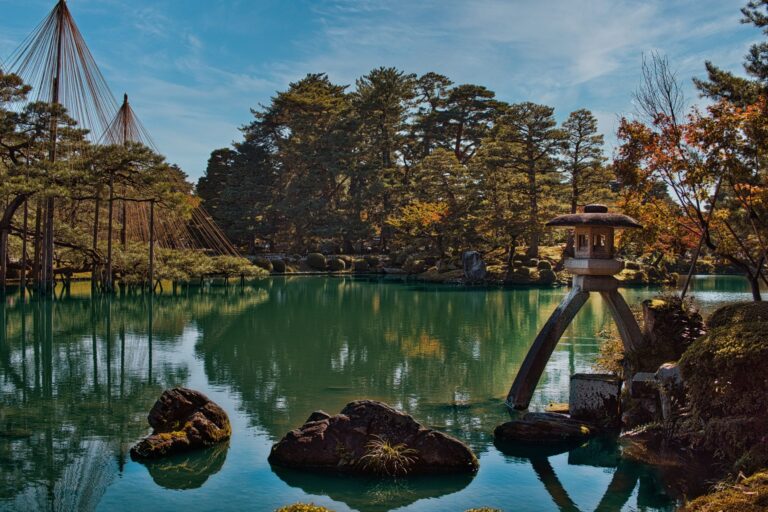
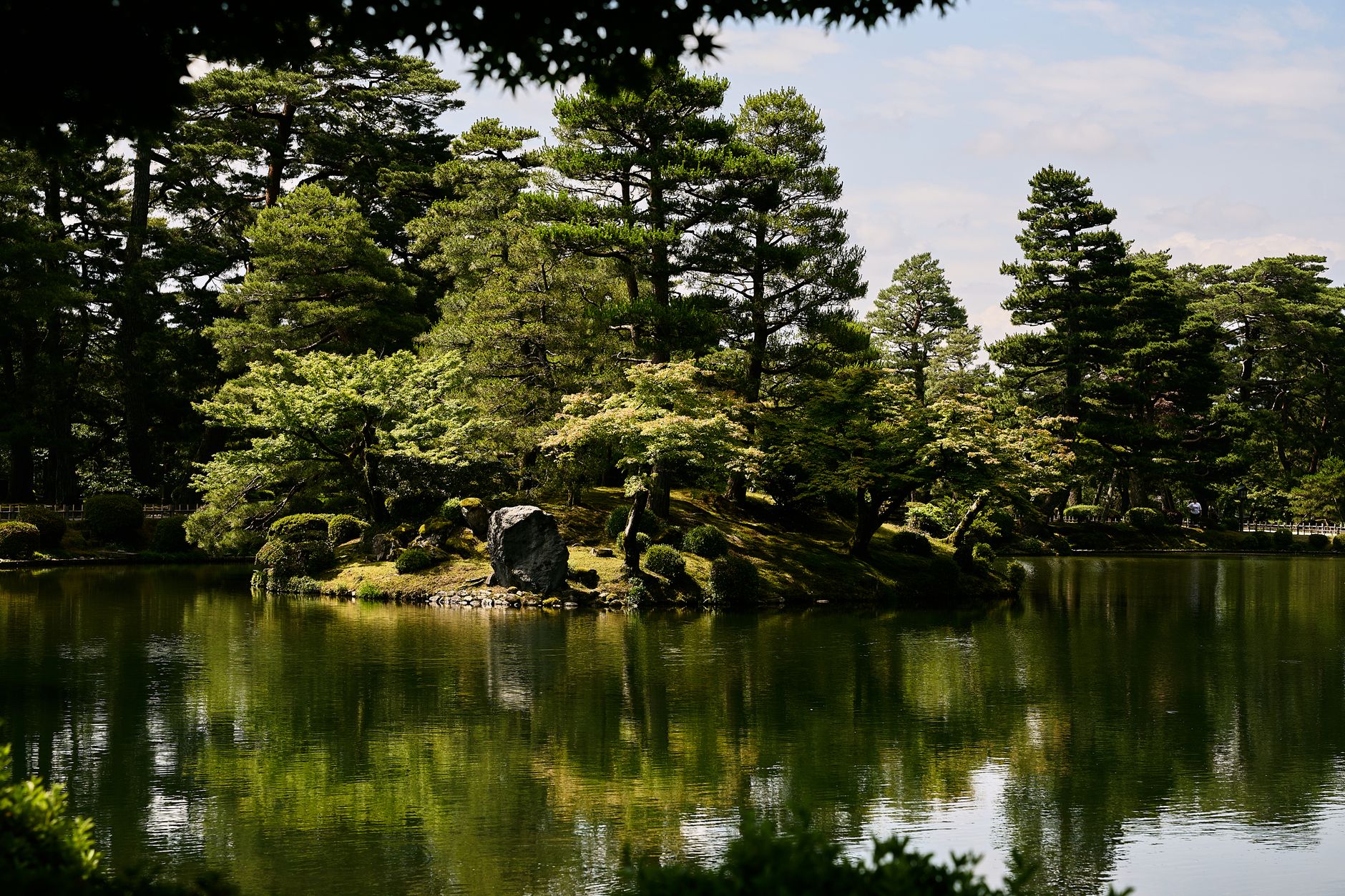
Kenroku-en is ranked among Japan’s three great gardens alongside Korakuen in Okayama and Kairakuen in Mito. Entry costs just ¥320 (~$2 USD / $3 AUD) in 2026 — exceptional value for a garden that takes a full 1–2 hours to explore properly. The name translates to “garden of six sublimities” (spaciousness, seclusion, artfulness, antiquity, water, and panoramas), and it delivers on all six.
Seasonal highlights:
- Cherry blossom (late March–early April): Extraordinarily beautiful but busier and slightly pricier for accommodation. Book 3–4 months ahead.
- Autumn (mid-October–November): Maple and ginkgo colours against the stone lanterns — arguably the most photogenic season.
- Winter: Snow-covered pines held up by yukitsuri rope supports — a uniquely Japanese winter scene. Hotels are cheapest (20–30% less than peak seasons).
- Golden Week (late April–early May): Avoid if possible — prices spike and queues build even at Kanazawa’s gardens.
Higashi Chaya: Kanazawa’s Living Geisha District
Unlike Kyoto’s Gion, where geisha culture can feel like a tourist performance, Higashi Chaya (East Teahouse District) still operates as a functioning geisha entertainment district. The preserved Edo-period wooden ochaya (teahouses) line a quiet street that genuinely hasn’t changed in 200 years. Several teahouses are open to visitors; look for Shima, which offers an interior tour for ¥750.
This is the neighbourhood to walk at dusk — the lantern-lit streets and occasional sound of shamisen music make for an atmosphere that Kyoto’s over-photographed Gion simply can’t match for authenticity in 2026.
Omicho Market: The Best Seafood Market You’ve Never Heard Of
Omicho Market has been Kanazawa’s “kitchen” since the Edo period. Unlike Tsukiji in Tokyo (now largely a tourist market) or Nishiki in Kyoto, Omicho is still a working market where locals buy their fish. Kanazawa sits on the Sea of Japan coast, which means exceptional winter crab (kani), fresh oysters, and the local delicacy notozukuri squid.
The best approach: arrive between 9am and 11am when it’s busy and fresh, pick up a bowl of kaisendon (seafood rice bowl) from one of the market restaurants for around ¥1,500–¥2,500 (~$10–$16 USD), and eat surrounded by locals doing exactly the same thing.
21st Century Museum of Contemporary Art
This is one of the most genuinely exciting contemporary art museums in Asia. The circular building by SANAA architects is itself a work of art, and the permanent collection includes Leandro Erlich’s famous Swimming Pool installation — a pool you can walk inside while people appear to swim above you. Permanent collection entry is free; ticketed exhibitions cost ¥1,000–¥1,500.
Don’t skip this even if contemporary art isn’t usually your thing. It’s genuinely surprising and takes 1.5–2 hours.
Gold Leaf Craft: Kanazawa’s Most Distinctive Souvenir
Kanazawa produces over 99% of Japan’s gold leaf (kinpaku), and the craft is woven into everything from temples to ice cream cones. The Hakuza Gold Leaf Museum in Higashi Chaya lets you try applying gold leaf to a lacquerware piece (workshops from ¥1,500). Gold leaf soft serve ice cream (~¥800) is the city’s most Instagrammed snack — absolutely worth it.
For unique, quality souvenirs that won’t break in your luggage, Kanazawa gold-leaf lacquerware and kutani ceramics are far more distinctive than the generic temple trinkets sold in Kyoto.
Where to Stay in Kanazawa: Ryokan vs Hotel
Staying in a traditional ryokan is one of Kanazawa’s genuine highlights — the city has several excellent mid-range ryokans that are significantly more affordable than equivalent accommodation in Kyoto. Expect to pay ¥15,000–¥30,000 per person (~$100–$200 USD) per night including breakfast and dinner at a mid-range ryokan.
Budget travellers will find good guesthouses and business hotels near Kanazawa Station from ¥6,000–¥10,000 per night. The station area is convenient, but staying near Kenroku-en or Higashi Chaya puts you closer to the historic heart of the city.
Should You Add Shirakawa-go or the Tateyama Alpine Route?
If you have a second full day in the Kanazawa area, two exceptional extensions are within reach.
Shirakawa-go: UNESCO World Heritage Farmhouses
Shirakawa-go is a mountain village of gassho-zukuri farmhouses — massive A-frame thatched buildings designed to handle the region’s heavy snowfall. It’s a UNESCO World Heritage Site, and in winter (January–February), it’s one of the most visually dramatic scenes in Japan. Buses run from Kanazawa Station in about 75 minutes (round trip ~¥4,000). Booking a guided day tour from Kanazawa is the easiest option and typically includes transport and a local guide.
See full Shirakawa-go tour options and timings here.
Tateyama Kurobe Alpine Route: Japan’s Most Dramatic Mountain Journey
The Tateyama Kurobe Alpine Route crosses the Northern Japan Alps between Toyama and Nagano using a combination of cable cars, ropeways, and alpine buses. The Snow Wall Walk in spring (mid-April to late June) — where you walk between walls of snow up to 20 metres high — is one of Japan’s most spectacular seasonal experiences. It’s a full-day commitment and best booked in advance via Klook or directly through the route operator.
Note: The Alpine Route runs April to November only and is closed in winter.
The 1–2 Night Kanazawa Plan That Slots Into Tokyo–Kyoto
Here’s how Kanazawa fits into a standard 10–14 day Japan itinerary without disrupting your flow.
Option A: One Night (Minimum Viable Kanazawa)
- Morning: Arrive Tokyo Shinkansen ~10am. Omicho Market for kaisendon lunch.
- Afternoon: Kenroku-en (2 hrs) → 21st Century Museum (1.5 hrs).
- Evening: Walk Higashi Chaya at dusk. Dinner in the neighbourhood.
- Next morning: Gold leaf experience at Hakuza → Shinkansen toward Kyoto/Osaka by 11am.
Option B: Two Nights (Recommended)
- Day 1: As above (Omicho, Kenroku-en, 21st Century Museum, Higashi Chaya).
- Day 2: Full-day Shirakawa-go tour (depart 8am, return by 5pm) OR Tateyama Alpine Route (seasonal, April–November).
- Day 3 morning: Depart for Kyoto/Osaka.
This routing works perfectly within a two-week Japan itinerary from Australia, and it meaningfully diversifies your experience beyond the standard Tokyo–Kyoto-Osaka triangle.
Once you reach Kyoto, your time there deserves careful planning too — a focused 2-day Kyoto itinerary will help you cover Gion, Arashiyama, and the essential temples without the overwhelm.
Kanazawa Travel Budget: What to Expect
Kanazawa is noticeably more affordable than Kyoto or Tokyo for equivalent quality. Here’s a realistic daily budget guide in USD (multiply by ~1.5 for AUD):
- Budget traveller: $70–$100/day (guesthouse, market meals, free/cheap attractions)
- Mid-range: $150–$250/day (ryokan with meals, entry fees, a tour)
- Splurge: $300–$500/day (premium ryokan, kaiseki dinner, private experiences)
The biggest cost variable is accommodation type. A ryokan with kaiseki dinner included actually saves money on food, even at higher nightly rates — factor this in when comparing options.
Frequently Asked Questions
How long does it take to get from Tokyo to Kanazawa by Shinkansen?
The Hokuriku Shinkansen (Kagayaki or Hakutaka services) connects Tokyo Station to Kanazawa Station in approximately 2.5 hours. The JR Pass covers this route, making it an efficient and cost-effective detour on a Tokyo–Kyoto trip.
Is the JR Pass worth it if I add Kanazawa to my itinerary?
Yes — adding Kanazawa to a Tokyo–Kyoto trip almost always tips the JR Pass calculation in your favour. The Tokyo–Kanazawa–Kyoto route alone covers most of the pass cost. Check the exact breakdown for your itinerary before you buy.
How much does Kenroku-en garden cost to enter in 2026?
Kenroku-en costs ¥320 (approximately $2 USD / $3 AUD) for adults in 2026. It’s one of Japan’s three great gardens and easily one of the best-value attractions in the country.
When is the best time to visit Kanazawa?
Late March to early April (cherry blossom season) and mid-October to November (autumn colours) are the most scenic times. Winter is off-peak — hotels are cheaper and the snow-dusted Kenroku-en is breathtaking. Avoid Golden Week (late April–early May) for lower prices and smaller crowds.
Can I do Kanazawa as a day trip from Tokyo or Kyoto?
Technically yes, but it’s not recommended. Kanazawa’s highlights — Kenroku-en, Higashi Chaya, Omicho Market and the 21st Century Museum — need at least a full day. One night (ideally two) lets you explore properly and experience the city’s evening atmosphere in the geisha districts.
Is Shirakawa-go worth adding to a Kanazawa visit?
Absolutely. Shirakawa-go’s gassho-zukuri thatched farmhouses are a UNESCO World Heritage Site and only about 75 minutes from Kanazawa by bus. It pairs perfectly with a second night in Kanazawa and is best visited on a guided day tour to avoid transport headaches.
Is Kanazawa good for solo travellers?
Kanazawa is excellent for solo travellers. The city is compact and walkable, English signage is good, and the local food scene at Omicho Market is perfect for solo dining. Ryokans can be pricier for single occupancy, so budget travellers may prefer a guesthouse or capsule hotel near the station.
Plan Your Japan Trip Today
Kanazawa is the answer to the growing problem with Japan travel in 2026: too many people, in too few places, all at the same time. While Kyoto’s Gion fills with camera crews and Arashiyama bamboo queues stretch for an hour, Kanazawa’s Higashi Chaya stays genuinely quiet, Kenroku-en stays genuinely beautiful, and the seafood at Omicho stays genuinely extraordinary.
Two nights. That’s all it takes to transform a standard Tokyo–Kyoto trip into something that feels like you actually discovered Japan rather than just followed the tourist trail.
Book your Kanazawa ryokan early — availability in cherry blossom and autumn seasons disappears fast. Use the hotel search above to find the best rates, and check Klook for guided Shirakawa-go and Tateyama Alpine Route tours that include transport from Kanazawa.
If you’re still building your broader Japan itinerary, our guide to choosing the right Japan base city by trip length will help you structure your time efficiently around a Kanazawa detour.