
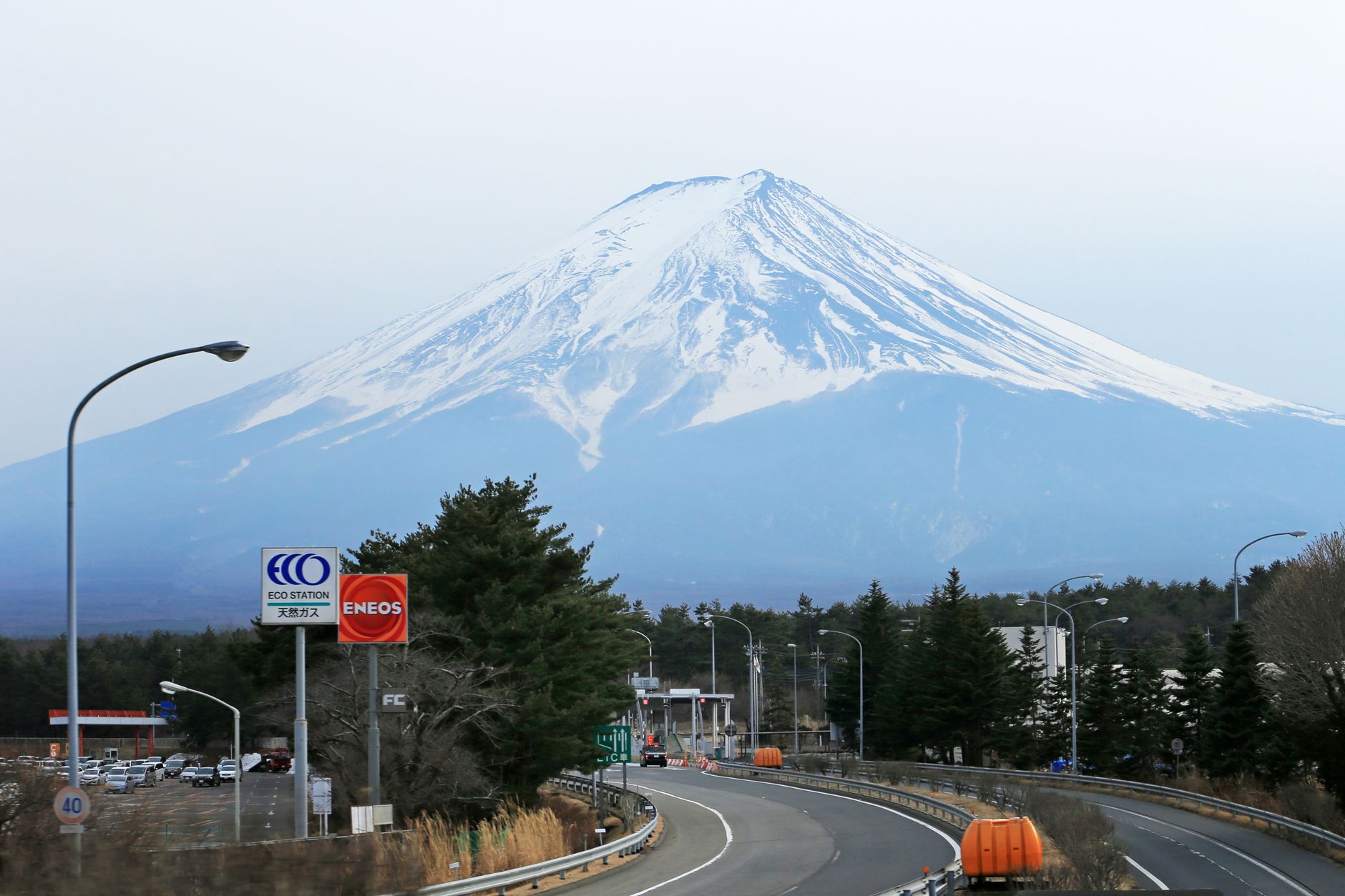

Where Is the Best Place to See Mount Fuji from Tokyo?
Wondering where is the best place to see Mount Fuji, and how to get there from Tokyo? Lake Kawaguchiko — specifically the Chureito Pagoda viewpoint — is the clear answer for most travellers. It’s just under two hours from Shinjuku by direct bus, costs very little to reach, and delivers the iconic pagoda-framed view of Fuji that defines Japan’s visual identity. That said, Hakone, the Fuji-Q Highland area, and even Tokyo’s own observation decks each offer something different depending on your time, budget, and what kind of experience you want.
This guide breaks down every major Fuji viewpoint with exact transport directions, the best seasons to visit, and honest advice on what each spot actually delivers — so you can decide which is right for your trip.
Why Mount Fuji Is Harder to See Than You Expect
Mount Fuji (3,776 metres) is Japan’s tallest peak and one of the world’s most recognisable mountains — but it’s notoriously shy. Cloud cover, humidity, and haze obscure the summit on the majority of days, particularly in summer. In 2026, Japan is seeing record tourist numbers, which means the most famous viewpoints get crowded fast on clear days.
Before committing to a full-day trip, always check a Fuji webcam the night before and again that morning. Reliable options include the Yamanakako webcam and the Kawaguchiko Weather Station live feed — both are free and updated every few minutes. A clear morning is not guaranteed to stay clear by noon, so plan to arrive at your viewpoint by 8–9am at the latest.
- Best months for views: November through February (cold, dry, low humidity)
- Worst months for views: June through August (cloud cover most mornings)
- Cherry blossom bonus: Late March to mid-April at Kawaguchiko
- Autumn foliage bonus: Mid to late November around the lake shores
Kawaguchiko: The Best Overall Spot for Mount Fuji Views
Lake Kawaguchiko (Fujikawaguchiko) is the most rewarding base for seeing Mount Fuji, combining multiple iconic viewpoints, lakeside cycling, ryokan stays, and excellent photo opportunities at any budget level. It’s the top answer to “best place to see Mount Fuji from Tokyo” for good reason.
Chureito Pagoda — The Classic Shot
The five-storey Chureito Pagoda, part of Fujiyoshida Sengen Shrine, frames Mount Fuji in a composition that appears on postcards, travel magazines, and social feeds worldwide. To reach the pagoda, walk up approximately 400 stone steps from the shrine’s main gate — allow 15–20 minutes for the climb. The view from the top terrace places the red pagoda in the mid-ground with Fuji rising behind it. During cherry blossom season (late March to mid-April), the trees lining the steps add pink layers to the scene. Autumn colour peaks in mid-November. Admission is free.
How to get there: Take the Fujikyu Railway to Shimoyoshida Station (one stop before Kawaguchiko). The shrine entrance is a 10-minute walk from the station. From Kawaguchiko Station, it’s also reachable by local bus or taxi.
Lakeside Cycling and the North Shore Viewpoint
The north shore of Lake Kawaguchiko offers unobstructed water-level views of Fuji reflected in the lake on calm mornings — a different and equally beautiful perspective. Rent a bicycle from one of several shops near Kawaguchiko Station (typically ¥1,000–¥1,500 per day, around $7–$10 USD). The flat lakeside path is easy for all fitness levels and takes about 30–45 minutes to loop the lake. The Kawaguchiko Music Forest and Oishi Park area on the north shore are particularly popular photography spots.
Ryokan Stays with Fuji-View Rooms
Spending a night in Kawaguchiko transforms the trip from a rushed day visit into a genuine experience. Several ryokan (traditional Japanese inns) offer Fuji-facing rooms where you can see the mountain from your bed or private onsen bath. These rooms book out weeks or months in advance on popular dates — cherry blossom and autumn foliage seasons especially. Prices for Fuji-view ryokan rooms typically range from ¥25,000 to ¥60,000 per person per night including dinner and breakfast (approximately $170–$400 USD / $260–$620 AUD).
How to Get from Tokyo to Kawaguchiko
There are two practical options from Tokyo:
- Fujikyu Highway Bus (recommended): Direct from Shinjuku Bus Terminal (Busta Shinjuku, next to Shinjuku Station south exit). Journey time: approximately 1 hour 45 minutes. Cost: around ¥2,000 one way ($13 USD / $20 AUD). Buses run roughly every 30 minutes during peak times. Book online at the Fujikyu bus website — sells out on weekends and holidays.
- Train via Otsuki: JR Chuo Line (Limited Express Kaiji or Azusa) from Shinjuku to Otsuki (~60 min, covered by JR Pass), then Fujikyu Railway from Otsuki to Kawaguchiko (~50 min, ¥1,170 additional, not covered by JR Pass). Total: about 2 hours.
If you’re weighing up whether the JR Pass is worth buying for your overall Japan itinerary, this JR Pass vs IC Card breakdown by trip type will help you decide.
Hakone: Fuji Views with Hot Springs and a Slower Pace
Hakone, about 90 minutes from Shinjuku by Romancecar express train, offers a completely different Fuji experience. The main view is across Lake Ashi — on a clear day, Fuji rises behind the lake in a scene that’s slightly softer and more panoramic than the Chureito shot. Crucially, Fuji is only visible from Lake Ashi on truly clear days, and the angle isn’t as dramatic as Kawaguchiko. However, Hakone has far more to do regardless of weather: the open-air sculpture museum, Hakone Ropeway, traditional ryokan with outdoor baths, and excellent food.
The classic Lake Ashi Fuji viewpoint is from the Moto-Hakone pier or the Hakone Shrine torii gate that stands in the water. The red torii with Fuji behind it is Hakone’s answer to the Chureito pagoda composition. For a full day-by-day plan, see our Hakone day trip from Tokyo guide (2026).
Budget tip: The Hakone Free Pass (¥6,500 from Shinjuku, approximately $43 USD) covers the Romancecar train, unlimited use of most Hakone transport including the ropeway and lake ferry, and discounts at major attractions. It pays for itself easily in a one-day visit.
Fuji-Q Highland Area: Fuji Five Lakes and Adrenaline
The Fuji Five Lakes region (Fuji-Q Highland) sits at the base of Mount Fuji and gives the closest flat-ground views of the mountain’s full height. Fuji-Q Highland amusement park itself has some of Japan’s most intense roller coasters, with Mount Fuji looming over every ride — an absurd and wonderful combination. Beyond the theme park, the Fumotoppara campsite and Oshino Hakkai (eight natural spring ponds) offer peaceful, wide-open Fuji views that are increasingly popular with photographers and families. The Fujisan World Heritage Centre in Fujinomiya has free observation floors with excellent angles on the western flank.
This whole area is most accessible via the same Fujikyu bus or railway from Shinjuku — get off at Fuji-Q Highland Station rather than Kawaguchiko.
Seeing Mount Fuji from Tokyo: Free Observation Decks
You don’t always need to leave the city. On clear winter mornings (November through February), Mount Fuji is visible from several Tokyo observation decks — appearing as a white triangle on the distant horizon. It’s not the jaw-dropping close-up of Kawaguchiko, but seeing it from the city skyline has its own magic.
- Tokyo Metropolitan Government Building, Shinjuku (free): Both north and south observation towers are free to enter and open most days until 10:30pm. Best Fuji visibility is before 10am on cold, clear winter days. West-facing windows give the clearest view.
- Shibuya Sky (¥2,000, ~$13 USD): The open-air rooftop of Shibuya Scramble Square is one of Tokyo’s best all-round observation decks. On clear days, Fuji is visible to the west-southwest.
- Bunkyo Civic Centre (free): Less visited than the TMG building but equally effective for western views. Free admission is a bonus.
Checking the weather forecast the evening before is essential. A clear cold front arriving from the northwest usually means an excellent Fuji morning. Apps like Weather Japan and Windy show the specific atmospheric conditions over the Kanto plain.
Budget vs Mid-Range vs Luxury: Fuji View Options by Spend
One angle most travel guides skip: you can see Mount Fuji magnificently at almost any budget level.
- Budget (under $50 USD / $75 AUD per day): Day trip by Fujikyu bus from Shinjuku (~$13 USD each way), free Chureito Pagoda climb, lakeside cycling (~$10 USD), convenience store lunch. Sleep back in Tokyo. Total day-trip spend: around $40–$50 USD.
- Mid-range ($100–$200 USD / $150–$300 AUD per night): Western-style hotel in Kawaguchiko with a Fuji-facing room. Dinner at a local restaurant. Kawaguchiko is full of great mid-range options — comfortable, clean, and well-located.
- Luxury ($400+ USD / $600+ AUD per person per night): A traditional ryokan with a private open-air onsen bath overlooking Fuji, multi-course kaiseki dinner, and breakfast served in your room. This is one of Japan’s definitive luxury travel experiences — and worth every yen if it’s in your budget.
For a full breakdown of what Japan costs at different budget levels, the complete Japan trip cost guide from Australia (2026) covers accommodation, transport, and food by tier in detail.
[jtb_klook_tour destination=”Kawaguchiko” type=”day_tour” origin=”Tokyo”]
Practical Tips Before You Go
- Check webcams the night before and at 6am on the day. Don’t commit to a 2-hour journey without confirming visibility.
- Go on weekdays if possible. With Japan’s record-breaking 2026 tourist numbers, Chureito Pagoda on a weekend can mean queues for the viewing platform.
- Arrive early. Fuji cloud cover typically builds from mid-morning. The mountain is almost always clearest between 6am and 10am.
- Dress for cold in winter. Kawaguchiko sits at 850 metres altitude. Even in March, mornings can be below freezing.
- IC cards are accepted widely. Suica or Pasmo works on Fujikyu Railway and most local buses. Kawaguchiko is increasingly cashless-friendly in 2026, though carry some yen for small vendors.
- Book accommodation and buses in advance for peak seasons. Cherry blossom (late March–mid April) and autumn foliage (mid-November) dates sell out weeks ahead.
Frequently Asked Questions
What is the best place to see Mount Fuji from Tokyo?
Lake Kawaguchiko — especially the Chureito Pagoda viewpoint — is widely considered the best place to see Mount Fuji. It’s about 2 hours from Shinjuku by direct bus and offers the classic pagoda-framed Fuji shot that most people picture when they think of Japan.
Can you see Mount Fuji from Tokyo city itself?
Yes, on clear days — especially November through February — Mount Fuji is visible from Tokyo’s high observation decks. The Tokyo Metropolitan Government Building (free) and Shibuya Sky offer solid views on winter mornings, though the mountain appears small on the horizon.
What time of year is Mount Fuji most visible?
Mount Fuji is clearest from November to February, when cold, dry air and low humidity keep the skies transparent. Summer (July–August) is the official climbing season but also the cloudiest for viewing. Cherry blossom season (late March to mid-April) combines Fuji views with pink blooms at Kawaguchiko.
How do I get from Tokyo to Kawaguchiko to see Mount Fuji?
The easiest route is the Fujikyu Highway Bus from Shinjuku Bus Terminal, which takes about 1 hour 45 minutes and costs around ¥2,000 (roughly $13 USD / $20 AUD) one way. Alternatively, take the JR Chuo Line to Otsuki, then the Fujikyu Railway to Kawaguchiko — total journey around 2 hours.
Is the Chureito Pagoda worth visiting for a Mount Fuji photo?
Absolutely — it’s one of the most photographed scenes in Japan. However, it requires climbing about 400 steps from Fujiyoshida Sengen Shrine. Go early morning on a clear day for the best light and fewer crowds. Cherry blossom and autumn foliage seasons are spectacular but very busy.
What is the best season to visit Kawaguchiko for Mount Fuji views?
Late November to early February gives the clearest skies and snowcapped Fuji views. Late March to mid-April adds cherry blossoms. Mid-November sees vivid autumn foliage around the lake shores. Avoid July and August if photography is your goal — cloud cover frequently hides the summit.
Do I need a JR Pass to visit Mount Fuji from Tokyo?
Not necessarily. The Fujikyu Highway Bus from Shinjuku is not covered by the JR Pass and is often the cheapest, most direct option. If you’re using a JR Pass, you can take the JR Chuo Line to Otsuki, but you’ll still need to pay separately for the Fujikyu Railway leg to Kawaguchiko.
Plan Your Japan Trip Today
Mount Fuji is one of those sights that genuinely lives up to the hype — when the sky cooperates. The key is planning around the weather, choosing the right viewpoint for your style of travel, and booking accommodation early for peak seasons. Whether you’re after the iconic Chureito pagoda shot, a serene lakeside morning on a bicycle, or a ryokan soak with the mountain reflecting in your private onsen, Kawaguchiko delivers all of it within two hours of central Tokyo.
Start with a clear-day forecast, book your bus ticket from Shinjuku in advance, and build the rest around a single unforgettable morning view. Use the hotel search above to lock in your Fuji-view room before they sell out — especially if you’re travelling in cherry blossom or autumn foliage season.
