
The Best 2-Day Kyoto Itinerary for First-Time Visitors
Wondering how to spend two days in Kyoto without wasting time or missing the highlights? This itinerary gives you a definitive, hour-by-hour plan — not a list of options. Day 1 tackles the east side of the city: Fushimi Inari at dawn, Kiyomizu-dera mid-morning, and Gion in the evening. Day 2 heads west and north: Arashiyama bamboo grove before 8am, Tenryu-ji, Kinkaku-ji Golden Pavilion, and Nishiki Market for lunch. Follow this plan and you’ll see Kyoto’s greatest hits without backtracking or burning out.
In 2026, Kyoto is managing record visitor numbers with new crowd-control measures at key sites — including timed-entry testing at Kiyomizu-dera and barriers around parts of Gion. Starting early each day isn’t just a nice tip; it’s essential.
Before You Arrive: Transit Cards and Day Passes
Getting around Kyoto is straightforward once you know which ticket to use. For this two-day itinerary, here’s exactly what to buy:
- IC Card (Suica or ICOCA): Load ¥2,000–¥3,000 and use it for JR trains on Day 1 (Fushimi Inari is on the JR Nara Line from Kyoto Station). Tap on, tap off — no fumbling with change.
- Kyoto City Bus Day Pass (¥700): Buy this on Day 2 at Kyoto Station’s bus ticket office or from the driver. It covers unlimited city bus rides including lines to Arashiyama and Kinkaku-ji. At ¥230 per ride, you break even after just three bus trips.
- JR Pass holders: The JR Pass covers the Inari Station leg on Day 1. It does not cover Kyoto city buses, so the day pass is still worth buying separately for Day 2.
Not sure whether to buy a JR Pass or rely on IC cards for your broader Japan trip? This breakdown on JR Pass vs IC card by trip type will help you decide before you arrive.
Cashless payments are widely accepted in 2026. Buses take IC cards, most temples now accept credit cards, and PayPay is common at market stalls. Still carry ¥3,000–¥5,000 in cash for small vendors.
Day 1: Fushimi Inari, Kiyomizu-dera and Gion
6:30am – Fushimi Inari Taisha (Free)
Set your alarm. Arrive at Fushimi Inari before 7:30am and you’ll walk through thousands of vermillion torii gates in near-silence, with mist still clinging to the cedar forest. By 9am, tour buses are unloading. By 10am, the main trails are crowded.
Take the JR Nara Line from Kyoto Station to Inari Station — it’s a 5-minute ride and costs ¥150 (or free with JR Pass). The trailhead is a two-minute walk from the station exit.
- What to do: Walk the Senbon Torii (the famous gate tunnel) up to Yotsutsuji intersection, about 30–40 minutes uphill. The view over Kyoto from here is excellent. You don’t need to summit the full mountain — return from Yotsutsuji if time is tight.
- Time needed: Allow 90 minutes total including travel.
- Cost: Free entry. JR train ¥150 each way.
9:00am – Travel to Kiyomizu-dera
From Inari Station, take the JR Nara Line one stop back toward Kyoto to Tofukuji Station. From there, walk 15 minutes uphill through a quiet residential street to reach Kiyomizu-dera, or take bus 207 (IC card tap) to the Kiyomizumichi stop and walk 10 minutes up the hill. Either way, you’ll arrive by 9:30am.
9:30am – Kiyomizu-dera Temple (¥500)
Kiyomizu-dera is built into a hillside with a wooden stage jutting out over the valley — one of Japan’s most photographed views. In 2026, the temple continues major restoration work on its main hall, but the iconic stage and views remain fully open and spectacular.
- Entry fee: ¥500 per adult (credit cards accepted at the main gate as of 2026).
- Don’t miss: The Otowa Waterfall below the main hall, where three streams offer wishes for longevity, study and love. Also walk the Ninenzaka and Sannenzaka stone-paved lanes on your way down — lined with pottery shops, matcha cafés and snack stalls.
- Time needed: 1.5–2 hours including the walk down through Ninenzaka.
This is a good moment to book a kimono rental experience if you want to walk Gion in traditional dress later. First-time visitors to Japan often underestimate how early kimono rental shops fill up — book your afternoon slot on Klook before your trip.
12:00pm – Lunch in Higashiyama
Eat lunch on Sanjo-dori or grab a bento from one of the tea-house stalls along Ninenzaka. Budget ¥900–¥1,500 for a sit-down set meal. Matcha soft-serve (¥400–¥600) from a Ninenzaka stall is a must.
2:00pm – Rest at Your Hotel and Optional Kimono Walk
Head back to your hotel to drop bags and rest. If you booked a kimono rental experience through Klook, your 2pm slot in Gion will include dressing assistance and about two hours to wander the Hanamikoji street district in full traditional gear. This is one of those experiences that photographs beautifully and genuinely changes how the neighbourhood feels.
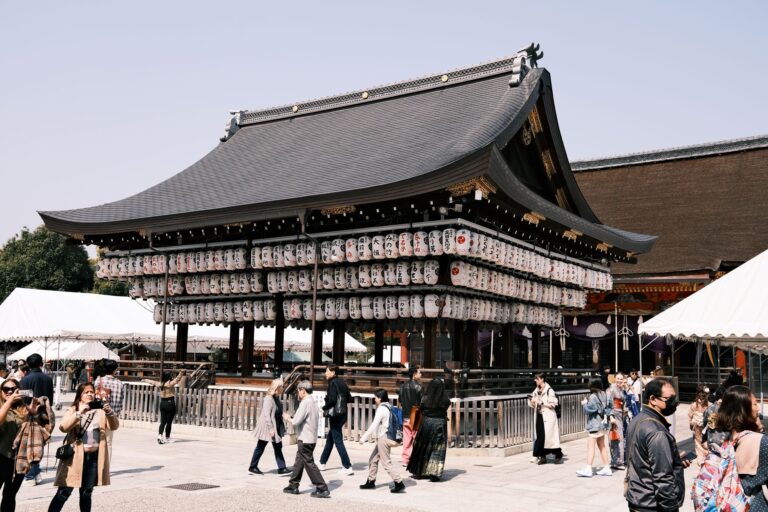
5:30pm – Gion Evening Walk
Gion is best experienced in the hour before and after sunset. Walk south along Hanamikoji-dori, the atmospheric main street lined with wooden ochaya (tea houses) where geiko (Kyoto’s term for geisha) and maiko entertain private guests. You may spot a maiko hurrying to an appointment — if you do, please do not chase or photograph them without permission. New 2026 Gion bylaws include fines for intrusive tourist behaviour in the back lanes.
- Walk Shirakawa Canal street (Shimbashi-dori) for the most beautiful lantern-lit reflections on the water.
- Dinner in Gion: Try a kushikatsu bar on Gion side streets (¥2,000–¥3,500 per person) or book a kaiseki restaurant for a splurge (¥8,000–¥15,000 per person). Booking ahead is essential for kaiseki.
Day 2: Arashiyama, Kinkaku-ji and Nishiki Market
7:00am – Arashiyama Bamboo Grove (Free)
This is the most crowd-sensitive sight in Kyoto. The bamboo grove path is only about 400 metres long and is genuinely magical before 8am — tall green stalks, birdsong, soft morning light. After 9am it’s a slow shuffle of selfie sticks. Arrive before 8am and you’ll have it nearly to yourself.
From Kyoto Station, take the San-in Line (JR) to Saga-Arashiyama Station — 15 minutes, ¥240 (or free with JR Pass). The grove is a 10-minute walk from the station.
- Cost: Free. The adjacent Tenryu-ji garden is ¥500.
- Time needed: Walk the grove in 20 minutes. Add 45 minutes for Tenryu-ji garden.
8:00am – Tenryu-ji Garden (¥500)
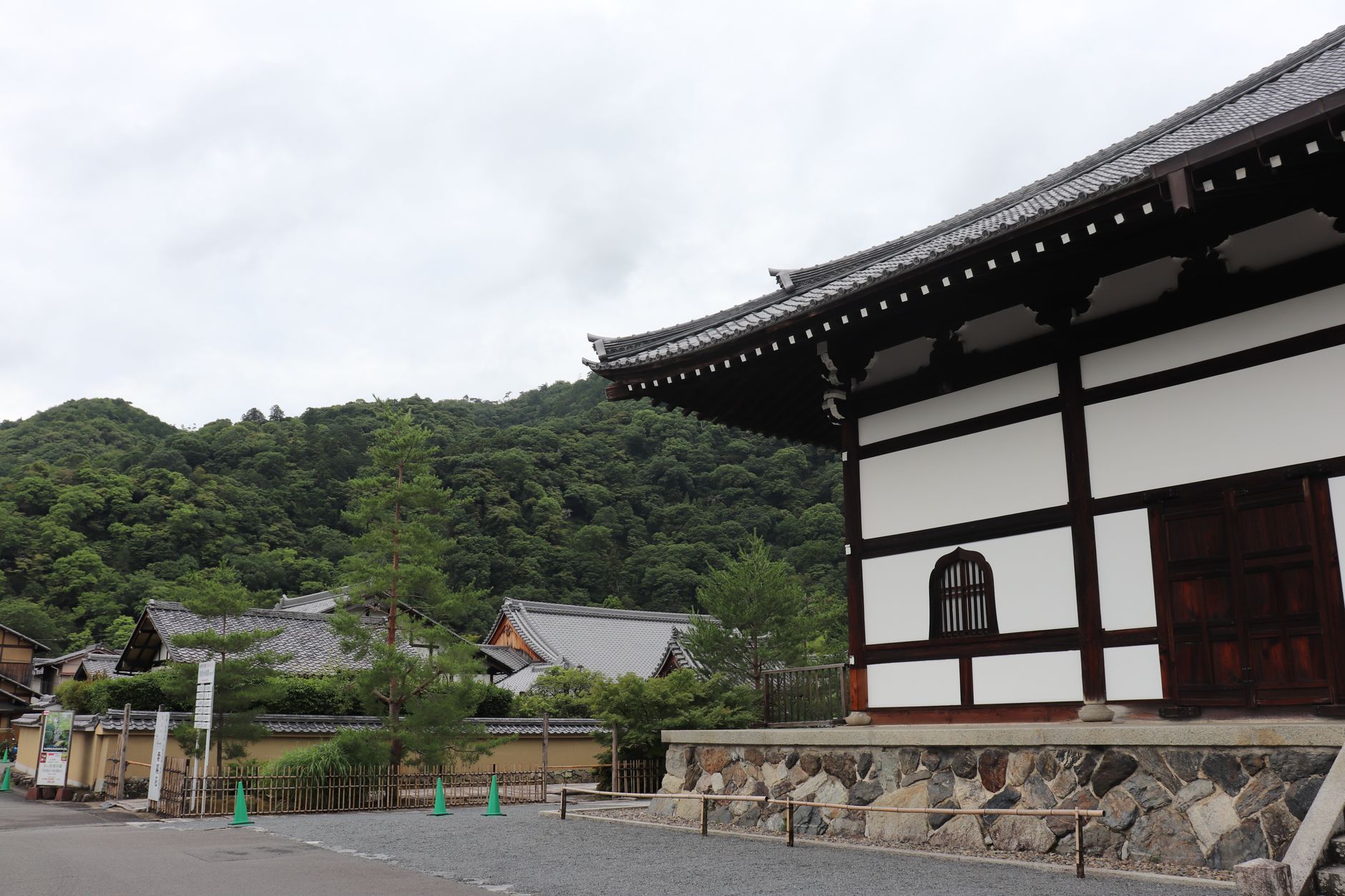
Right next to the bamboo grove entrance, Tenryu-ji is a UNESCO World Heritage Zen garden with a stunning pond reflecting the Arashiyama mountains. The garden opens at 8:30am. Buy your ¥500 ticket (credit cards accepted) and spend 30–45 minutes here while the rest of Kyoto is still waking up.
10:00am – Bus to Kinkaku-ji
From Arashiyama, take bus 11 or walk to Ryoanji-michi stop and connect to bus 59 toward Kinkaku-ji. Alternatively, take a taxi (¥1,200–¥1,500, about 10 minutes) — split between two people this is faster and nearly the same cost. Your Kyoto City Bus Day Pass covers the bus option.
10:30am – Kinkaku-ji Golden Pavilion (¥500)
Kinkaku-ji — the Temple of the Golden Pavilion — lives up to its photos. The top two floors are covered in gold leaf and reflect perfectly in the surrounding pond. Entry is ¥500. The visit itself follows a single looping path around the pond; budget 45 minutes. It will be busy by 11am, but the scale of the grounds means it doesn’t feel as claustrophobic as the bamboo grove at peak hour.
12:30pm – Nishiki Market Lunch
Take bus 101 or 205 from Kinkaku-ji back toward central Kyoto (about 30 minutes with your day pass). Nishiki Market — nicknamed Kyoto’s Kitchen — is a narrow 400-metre covered arcade packed with food stalls selling grilled skewers, fresh tofu, tamagoyaki (rolled omelette on a stick), pickled vegetables and Kyoto-style street snacks.
- Budget ¥1,500–¥2,500 for a grazing lunch across several stalls.
- The market runs east–west between Teramachi and Takakura streets. Enter from the Takakura end to avoid the biggest crowds near Teramachi.
- IC card and PayPay accepted at most stalls; a few are still cash only — keep ¥1,000 in coins handy.
If you’re building a longer Japan trip and wondering how much the whole trip will cost, this detailed Japan trip cost guide from Australia for 2026 has real budget breakdowns by travel style.
2:30pm – Afternoon Options Before Leaving Kyoto
Depending on your onward plans, use the final afternoon for one of these:
- Pontocho Alley: A narrow riverside laneway south of Nishiki, lined with restaurants and bars. Beautiful in daylight and excellent for an early dinner before catching a Shinkansen.
- Kyoto tea ceremony (Klook): Several studios near Nishiki offer 45-minute matcha tea ceremony experiences (¥2,000–¥3,500). Book via Klook for English-language sessions — they often sell out a week in advance.
- Kyoto Station area: If you’re heading to Osaka or Tokyo that evening, head back to the station, check out Kyoto Tower for city views (¥900), and catch your train well rested.
Where to Stay in Kyoto for This Itinerary
Near Kyoto Station: Best for Transport Convenience
Staying within 10 minutes’ walk of Kyoto Station makes early mornings easy — you’re steps from the JR Nara Line to Fushimi Inari and the bus terminal for Arashiyama and Kinkaku-ji. Hotels here range from budget business hotels (¥6,000–¥9,000/night) to mid-range chains (¥12,000–¥20,000). A Kyoto machiya (traditional townhouse) converted into a guesthouse, bookable via Booking.com, gives you local atmosphere without sacrificing transit access.
Gion / Higashiyama: Best for Atmosphere
Staying in Gion puts you inside the neighbourhood you’ll be exploring on Day 1 evening. Ryokan in this area range from ¥15,000 to ¥40,000+ per night including breakfast and dinner — a genuine splurge, but transformative. Wake up to temple bells, walk to Kiyomizu-dera in 15 minutes, and experience Kyoto at its most cinematic. Book early: Gion ryokan fill up 3–6 months in advance in 2026, especially during cherry blossom season (late March–early April) and autumn foliage (mid-November).
2-Day Kyoto Budget Summary
- Entrance fees: ¥1,500 (Kiyomizu-dera ¥500 + Tenryu-ji ¥500 + Kinkaku-ji ¥500)
- Transit Day 1: ¥500–¥800 (JR trains + bus)
- Transit Day 2: ¥700 (City Bus Day Pass) + ¥240 JR to Arashiyama
- Food (2 days): ¥5,000–¥10,000 depending on choices
- Kimono rental (optional): ¥3,000–¥5,000 via Klook
- Tea ceremony (optional): ¥2,000–¥3,500 via Klook
- Total per person (excluding accommodation): approximately ¥10,000–¥18,000 (~$65–$115 USD)
Frequently Asked Questions
Is 2 days enough to see Kyoto for the first time?
Yes — two full days is enough to cover Kyoto’s most iconic sights if you plan by geography. Day 1 covers the eastern side (Fushimi Inari, Kiyomizu-dera, Gion) and Day 2 covers the west and north (Arashiyama, Kinkaku-ji, Nishiki Market). You won’t see everything, but you’ll see the best of it.
What time should I arrive at Fushimi Inari?
Arrive before 7:30am. The shrine is free and open 24 hours, but by 9am tour groups arrive in force. An early start gives you dramatic, crowd-free photos and a cooler walk up the mountain trail.
Is the Kyoto City Bus Day Pass worth it?
Yes, for Day 2 especially. The Kyoto City Bus Day Pass costs ¥700 (around $4.50 USD) and covers unlimited rides on city buses including routes to Kinkaku-ji. Buy it at Kyoto Station bus ticket office or from the driver on your first bus of the day.
How do I get from Fushimi Inari to Kiyomizu-dera?
Take the JR Nara Line from Inari Station one stop back to Tofukuji Station, then walk 15 minutes uphill, or take bus 207 from Tofukuji to Kiyomizumichi stop and walk 10 minutes. Total travel time is around 20–30 minutes.
Where should first-timers stay in Kyoto?
Stay near Kyoto Station for transit convenience — it’s the hub for JR trains and buses to all major sights. Stay in Gion or Higashiyama for atmosphere — you’ll be steps from lantern-lit streets and close to Kiyomizu-dera. Both work well for this two-day plan.
What are the entrance fees for Kyoto temples in 2026?
Kiyomizu-dera, Tenryu-ji garden and Kinkaku-ji each charge ¥500 per adult (roughly $3.20 USD) as of 2026. Fushimi Inari and the Arashiyama Bamboo Grove are free. Budget around ¥1,500 total in temple fees for the full two days.
Can I pay by credit card or IC card at Kyoto temples and buses?
Yes. Kyoto city buses accept IC cards (Suica, ICOCA) for easy tap-on payment. Most major temples including Kiyomizu-dera and Kinkaku-ji now accept credit cards at the ticket gate. Nishiki Market stalls increasingly accept PayPay and cards, but keep ¥2,000–¥3,000 cash for smaller vendors.
Plan Your Japan Trip Today
Two days in Kyoto will leave you wanting more — which is exactly as it should be. Follow this plan, start early each morning, and you’ll experience the city at its most peaceful and most spectacular. From the silence of Fushimi Inari at dawn to the lantern glow of Gion at dusk, Kyoto rewards those who show up before the crowds.
Ready to extend your Japan adventure beyond Kyoto? If you’re planning a longer trip and want to know what everything will cost, this 2-week Japan budget guide for 2026 breaks down costs by travel style so you can plan with confidence. Book your Kyoto ryokan or machiya stay via Booking.com well in advance — the best properties in Gion sell out months ahead.