
Can You Really See Kyoto in Two Days as a First-Timer?
Two days in Kyoto is absolutely enough to experience the city’s most iconic sights — if you have a clear, timed plan. This itinerary covers Fushimi Inari, Kiyomizu-dera, the Gion geiko district, Arashiyama bamboo grove, Tenryu-ji, Kinkaku-ji (the Golden Pavilion) and Nishiki Market. Every timing, bus route and entry fee is included so you can stop planning and start exploring.
In 2026, Kyoto is managing record tourist numbers with new crowd-control measures at some sites — which makes early starts more important than ever. Follow this plan and you’ll be ahead of the crowds every single morning.
Before You Go: Transit, Money and Where to Stay
Getting Around Kyoto: The Bus Day Pass
The single best transport decision you’ll make in Kyoto is buying a Kyoto City Bus Day Pass (¥700 per day, roughly USD $4.50 or AUD $7). It covers unlimited rides on city buses, which connect virtually every major sight in this itinerary. Buy it at Kyoto Station’s Bus Information Center (ground floor, south side) or directly from the driver. Tap your IC card or pay cash — both work fine in 2026, and most buses now accept Suica, ICOCA and credit cards too.
- Day pass valid for one calendar day (not 24 hours — buy it fresh each morning)
- Single bus fare without the pass is ¥230 per ride — the pass pays off after just three journeys
- Download the Google Maps app with Kyoto transit data for real-time bus tracking
Where to Stay in Kyoto: Two Good Options
Your personality determines your base. Kyoto Station area is the practical choice: shinkansen access, all bus routes depart from here, and plenty of mid-range hotels. Gion or Higashiyama is the atmospheric choice: you’ll wake up in a traditional machiya townhouse or ryokan within walking distance of Day 1 sights. If budget allows, Gion wins for the overall Kyoto experience.
For a traditional stay, look for a Gion machiya (townhouse) or ryokan on Booking.com — many are family-run, allow kimono lounging in the evenings, and are genuinely unforgettable for first-timers. Expect to pay USD $80–180 per night for a mid-range ryokan with breakfast in 2026.
Planning your overall Japan budget? Check out our detailed breakdown in How Much Does a Trip to Japan Cost from Australia (2026) for a realistic per-day spend.
Day 1: Fushimi Inari, Kiyomizu-dera and Gion
6:45am — Fushimi Inari Taisha (Free)
Start before the city wakes up. Catch the JR Nara Line from Kyoto Station to Inari Station (2 stops, ¥150, about 5 minutes) — note that city bus passes do NOT cover JR trains, so pay separately or use your IC card. Arrive at the shrine by 7:00am.
Fushimi Inari’s thousands of vermillion torii gates are free to walk through, 24 hours a day. The famous lower gates photograph beautifully in early morning light with almost no one around. Walk at least 20–30 minutes up the mountain path to the Yotsutsuji intersection for a city view — most tourists don’t make it this far. Budget 90 minutes total, then head back down by 8:30am before the tour groups arrive.
9:30am — Kiyomizu-dera Temple (¥500 / ~USD $3.20)
From Inari Station, take the JR back to Kyoto Station, then catch Bus No. 100 or 206 toward Gojo-zaka (about 20 minutes). Walk uphill for 10 minutes through Gojo-zaka’s pottery shops to reach the entrance.
Kiyomizu-dera’s famous wooden stage juts out over the forested hillside with stunning views of Kyoto — this is one of Japan’s most photographed temples for good reason. Allow 60–75 minutes to explore the main hall, the Otowa waterfall (where visitors drink from three streams for health, love and longevity), and the surrounding Higashiyama lanes on your walk back down.
11:15am — Higashiyama District Walk
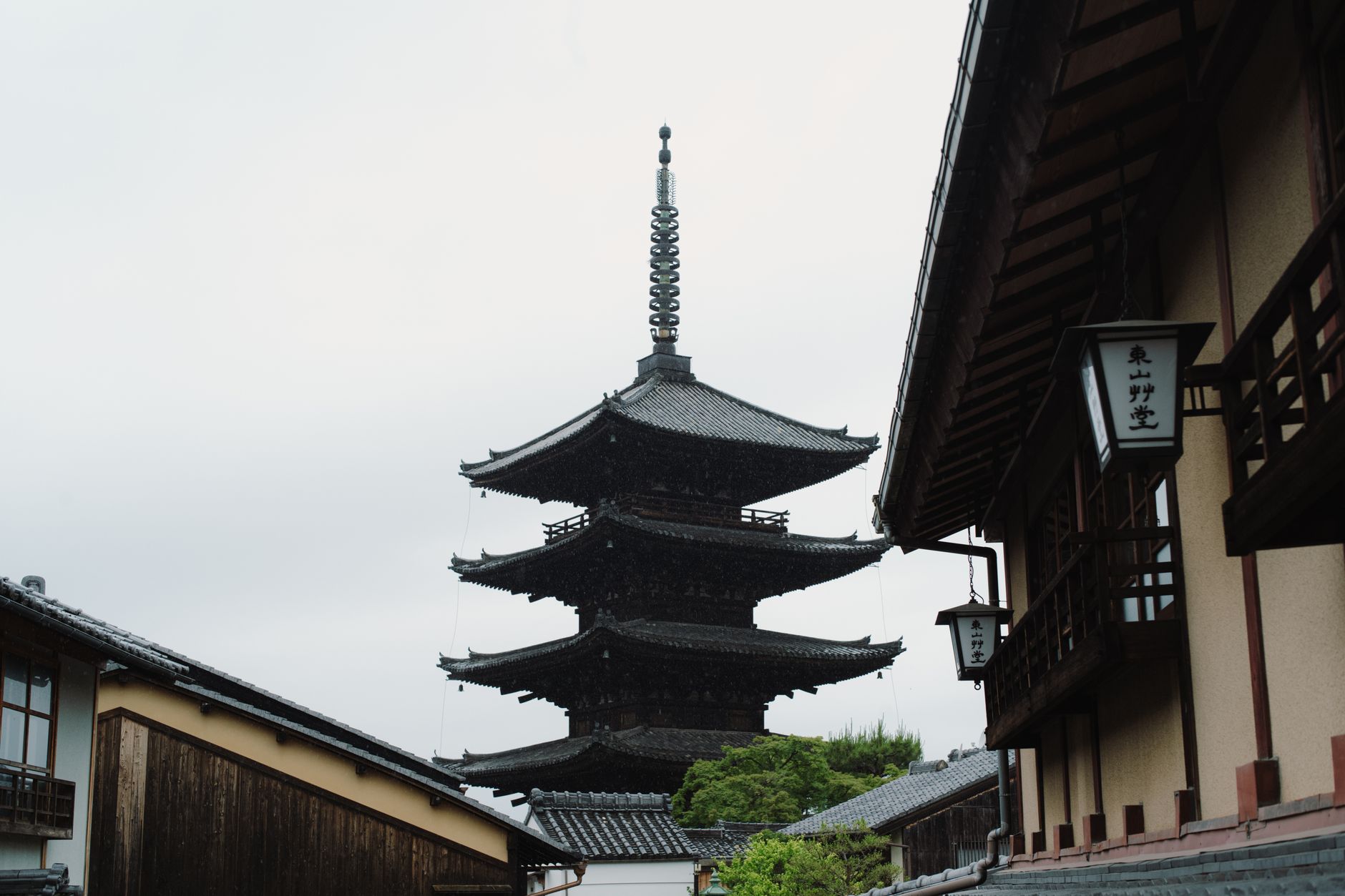
Walk north from Kiyomizu-dera along Ninenzaka and Sannenzaka — two beautifully preserved stone-paved lanes lined with matcha cafes, craft shops and traditional architecture. This is the perfect spot to try a quick matcha soft serve (¥400–500) and browse for souvenirs. Allow 45 minutes of wandering.
This is also a great time for a kimono rental experience. Book a Klook kimono rental in Higashiyama in advance (around USD $25–40, including dressing assistance and a sash tie) — wearing a kimono through these lanes is genuinely magical and very popular with first-timers in 2026.
1:00pm — Lunch Near Gion
Head toward Gion (10-minute walk north) for lunch. Nishiki Warai and dozens of small set-meal restaurants near Hanamikoji Street offer affordable teishoku (set meals) for ¥900–1,400. Avoid the tourist-facing places on Shijo Street and duck into any side street for better quality at half the price.
3:00pm — Gion Exploration and Yasaka Shrine
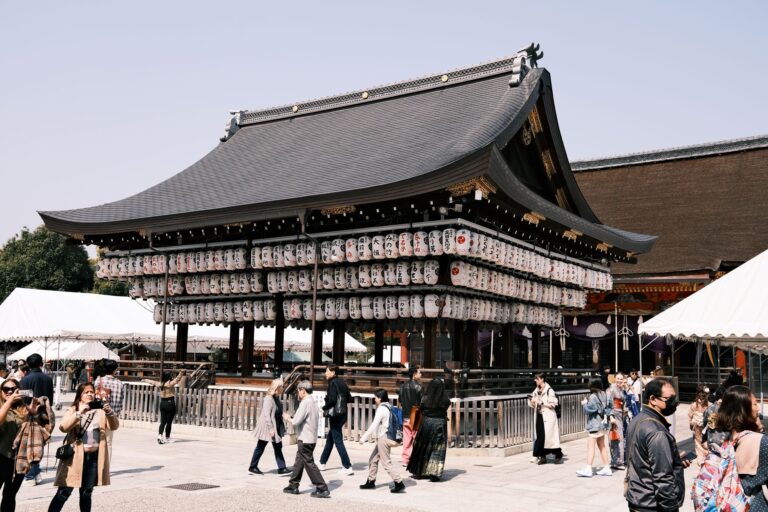
Spend the afternoon walking Hanamikoji Street, Gion’s most famous lane. Traditional ochaya (teahouses) line both sides. Geiko (Kyoto’s term for geisha) and maiko occasionally appear here in the late afternoon heading to appointments — if you see one, please do not block their path or grab them for photos, as Kyoto has introduced formal rules against this behaviour in recent years.
Walk east to Yasaka Shrine (free entry) at the end of Shijo Street — especially beautiful at dusk when the stone lanterns are lit. Browse the surrounding Maruyama Park before dinner.
7:00pm — Evening in Gion
Gion is most atmospheric after dark. Enjoy dinner at one of the small restaurants around Pontocho Alley (parallel to the Kamo River) — expect to spend ¥1,500–3,500 for a sit-down meal. If you want to book a Kyoto tea ceremony experience, Klook offers evening sessions near Gion that include matcha preparation and wagashi sweets for around USD $30–45 per person.
Day 2: Arashiyama, Kinkaku-ji and Nishiki Market
7:30am — Arashiyama Bamboo Grove (Free)
This is the most crowd-sensitive sight in Kyoto — arrive by 8:00am or earlier. Take Bus No. 11 from Kyoto Station to Arashiyama (about 40 minutes) or the JR San-in Line to Saga-Arashiyama Station (25 minutes, ¥240 IC card). The bamboo grove is a short walk from both stops.
The grove itself takes only 10–15 minutes to walk through — it’s compact, but extraordinary. The light filtering through the towering green stalks in the early morning is unlike anything else in Japan. By 9:30am, it becomes extremely crowded, so don’t linger: walk through, take your photos, then exit.
8:30am — Tenryu-ji Zen Garden (¥500)
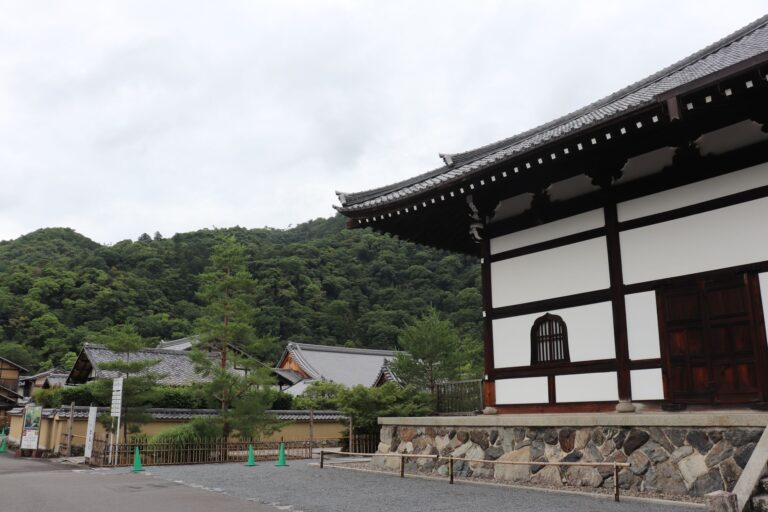
Directly adjacent to the bamboo grove entrance is Tenryu-ji, a UNESCO World Heritage Zen temple with one of Japan’s finest pond gardens. Entry is ¥500 for the garden only (the main hall costs extra — skip it on a two-day itinerary). Spend 45 minutes walking the garden path around the carp-filled pond with Arashiyama mountain as a backdrop — this is classic Kyoto.
10:00am — Arashiyama Riverside
Walk down to the Togetsukyo Bridge and take in the mountain views over the Oi River. In spring (late March to early April), cherry blossoms frame this view spectacularly. In autumn (mid-November), the hillsides turn deep red and orange. Grab a coffee at one of the riverside cafes before heading out.
11:00am — Travel to Kinkaku-ji (¥500)
Take Bus No. 11 or No. 59 from Arashiyama toward central Kyoto, changing if needed to reach Kinkaku-ji (the Golden Pavilion). The journey takes approximately 35–45 minutes depending on traffic. Entry is ¥500.
Kinkaku-ji is genuinely stunning — the three-storey gold-leaf covered pavilion reflecting in the mirror pond is one of those sights that exceeds expectations even in photos. You’ll be in and out in 30–45 minutes as the circuit is one-directional and straightforward. Go directly after Arashiyama (before the midday rush) for the shortest queues.
1:00pm — Nishiki Market Lunch
Catch a bus from Kinkaku-ji back toward central Kyoto and walk to Nishiki Market — Kyoto’s famous five-block covered market nicknamed “Kyoto’s Kitchen.” Over 100 stalls sell pickled vegetables, fresh tofu, skewered chicken, tamagoyaki (rolled omelette), fresh mochi and seasonal sweets. This is Kyoto food culture at its most accessible and delicious.
Graze your way through lunch here spending ¥1,000–1,800 on a mix of small bites and snacks. The market runs along a narrow lane parallel to Shijo Street — easy to find and best enjoyed slowly. Allow 60–75 minutes.
3:00pm — Afternoon: Nijo Castle or Philosopher’s Path (Optional)
If energy allows, Nijo Castle (¥800, 20 minutes from Nishiki by bus) offers a fascinating look at shogunate-era architecture and the famous “nightingale floors” that squeak to alert guards of intruders. Alternatively, take a quiet stroll along the Philosopher’s Path (canal walk, free) near Nanzen-ji — especially lovely in cherry blossom season.
If Kyoto is part of a longer Japan trip, you might also be planning a Hakone day trip from Tokyo — an easy add-on before or after your Kyoto stay.
First-Timer Tips to Make This Itinerary Work
- Early starts are non-negotiable — Kyoto in 2026 receives millions of visitors annually. Beat crowds at every sight by arriving at or before opening time.
- Buy your bus day pass at Kyoto Station each morning before boarding.
- Wear comfortable walking shoes — Higashiyama lanes are cobbled and Fushimi Inari has uneven stone steps.
- IC card (Suica or ICOCA) handles JR trains, convenience stores and most vending machines — top it up at any station machine. Read more in our article on JR Pass vs IC Card: which you need by trip type.
- Book kimono rental and tea ceremony in advance via Klook — popular time slots (especially weekends) sell out weeks ahead in 2026.
- Cashless payments are now widely accepted in Kyoto — most temples, restaurants and shops take IC cards and credit cards in 2026.
- Avoid peak hours on Hanamikoji Street — it’s most photogenic early evening (6–7pm), but avoid weekends in peak season if you want space to walk.
What to Skip on a 2-Day Kyoto Itinerary
With only two days, you must be ruthless. Skip Ryoan-ji (famous rock garden, but less impactful than Tenryu-ji for first-timers), Fushimi sake district (better on day 3+), and any out-of-city day trips like Nara — save those for a longer visit. This two-day plan is optimised for first-timer impact, not exhaustive coverage.
Thinking about your total Japan trip costs? Our 2 Weeks in Japan Cost from Australia: 2026 Budget Guide breaks down exactly what to budget for a full trip including Kyoto.
Frequently Asked Questions
Is 2 days enough for Kyoto as a first-timer?
Yes — two focused days are enough to cover Kyoto’s highlights including Fushimi Inari, Gion, Arashiyama, Kinkaku-ji and Nishiki Market. The key is an early start each day and using the Kyoto city bus day pass to avoid wasting time on logistics.
How do I get around Kyoto in 2 days without a car?
The Kyoto City Bus Day Pass (¥700/day, around USD $4.50) covers most major sights including Fushimi Inari, Kinkaku-ji and Arashiyama. Buy it at Kyoto Station’s bus terminal or on the bus itself. Supplement with short walks — Gion and Higashiyama are best explored on foot.
What time should I arrive at Fushimi Inari to avoid crowds?
Arrive at Fushimi Inari by 7:00am at the latest. The shrine is free and open 24 hours, but the lower torii gates get packed by 9am in 2026. Walking just 20–30 minutes up the mountain beyond the main gate dramatically reduces crowds.
How much does a 2-day Kyoto sightseeing budget cost in USD?
Budget roughly USD $30–50 per person for two days of entry fees and transit. Main costs: Kiyomizu-dera (¥500 / ~USD $3.20), Tenryu-ji (¥500), Kinkaku-ji (¥500), and two Kyoto bus day passes (¥700 each). Fushimi Inari and the Arashiyama bamboo grove are both free.
Where is the best area to stay in Kyoto for a first-timer?
Kyoto Station area is best for transport convenience — easy access to shinkansen and all bus routes. Gion and Higashiyama offer the most atmospheric stay, with traditional machiya townhouses and ryokan within walking distance of Day 1 sights. Choose atmosphere over convenience if your budget allows.
Do I need to book Kyoto temples in advance in 2026?
Kiyomizu-dera and Kinkaku-ji do not require advance booking, but expect queues in peak season (late March to early May, November). Tenryu-ji in Arashiyama recommends arriving before 9am in autumn. Some smaller Kyoto experiences like tea ceremonies and kimono rental should be booked ahead via platforms like Klook.
Can I do Arashiyama and Kinkaku-ji on the same day?
Yes — this itinerary does exactly that. Start at Arashiyama bamboo grove by 8am, visit Tenryu-ji, then take the No. 11 or No. 59 bus toward Kinkaku-ji by midday. Finish at Nishiki Market for lunch or an early dinner before heading back to your hotel.
Plan Your Japan Trip Today
This two-day Kyoto itinerary gives you a real, timed plan — not a vague list of “must-sees.” Start your days early, use the bus day pass, and book your kimono rental and tea ceremony in advance via Klook to lock in the best time slots. For accommodation, search Booking.com for Gion machiya guesthouses and Higashiyama ryokan — these traditional stays are a highlight of Kyoto in themselves.
Ready to build the rest of your Japan trip around this Kyoto base? Browse our full Japan travel planning guides at Japan Travel Base and start mapping out the perfect itinerary for your first visit.