

{
“@context”: “https://schema.org”,
“@type”: “FAQPage”,
“mainEntity”: [
{
“@type”: “Question”,
“name”: “How much does a 2-week trip to Japan cost from Australia in 2026?”,
“acceptedAnswer”: {
“@type”: “Answer”,
“text”: “A 2-week trip to Japan from Australia costs roughly AUD $4,500–$6,000 for budget travellers, AUD $6,500–$9,000 for mid-range, and AUD $10,000+ for comfort/luxury. Flights are the biggest variable, ranging from AUD $900 to $2,000 return depending on departure city and season.”
}
},
{
“@type”: “Question”,
“name”: “Is Japan expensive for Australian travellers in 2026?”,
“acceptedAnswer”: {
“@type”: “Answer”,
“text”: “Japan is moderately priced for Australians. While the AUD–JPY exchange rate has weakened slightly compared to pre-2023, Japan remains cheaper than Australia for food and public transport. Budget travellers can eat well for AUD $30–$50 per day on meals alone.”
}
},
{
“@type”: “Question”,
“name”: “Is the JR Pass worth it for a 2-week trip from Australia?”,
“acceptedAnswer”: {
“@type”: “Answer”,
“text”: “For a classic Tokyo–Kyoto–Osaka itinerary with a side trip to Hiroshima or Hakone, the 14-day JR Pass (around AUD $650) typically pays for itself. If you’re staying mainly in Tokyo or Osaka, an IC card alone may be enough. Compare your planned routes before buying.”
}
},
{
“@type”: “Question”,
“name”: “What is the cheapest time to visit Japan from Australia?”,
“acceptedAnswer”: {
“@type”: “Answer”,
“text”: “January–February (excluding New Year) and late June (rainy season) offer the cheapest flights and accommodation. Cherry blossom season (late March–April) and autumn foliage (November) are peak periods with higher prices across the board.”
}
},
{
“@type”: “Question”,
“name”: “How much spending money do I need per day in Japan?”,
“acceptedAnswer”: {
“@type”: “Answer”,
“text”: “Budget travellers need around AUD $100–$130 per day (excluding flights and JR Pass). Mid-range travellers typically spend AUD $180–$250 per day. This covers accommodation, meals, local transport, and entry fees.”
}
},
{
“@type”: “Question”,
“name”: “Do I need cash in Japan in 2026?”,
“acceptedAnswer”: {
“@type”: “Answer”,
“text”: “Japan has expanded cashless payment significantly by 2026. IC cards (Suica/Pasmo), PayPay, and credit cards are now accepted at most convenience stores, restaurants, and tourist sites. However, some rural areas, smaller temples, and traditional ryokan still prefer cash, so carry AUD $100–$200 equivalent in yen as backup.”
}
},
{
“@type”: “Question”,
“name”: “What is the cheapest city to base yourself in Japan?”,
“acceptedAnswer”: {
“@type”: “Answer”,
“text”: “Osaka is generally cheaper than Tokyo for accommodation and food. A hostel dorm in Osaka averages AUD $35–$50/night vs. AUD $40–$60 in Tokyo. Osaka is also a great base for day trips to Kyoto, Nara, and Hiroshima, making it cost-efficient for 2-week itineraries.”
}
}
]
}
{
“@context”: “https://schema.org”,
“@type”: “TravelAction”,
“name”: “Travel to Japan — SEO Strengthen: how much does a trip to japan cost from australia 2026 budget guide”,
“description”: “A 2-week Japan trip from Australia costs AUD $4,500–$9,000 depending on your travel style. Here’s the exact city-by-city breakdown to plan your budget.”,
“toLocation”: {
“@type”: “Country”,
“name”: “Japan”
}
}
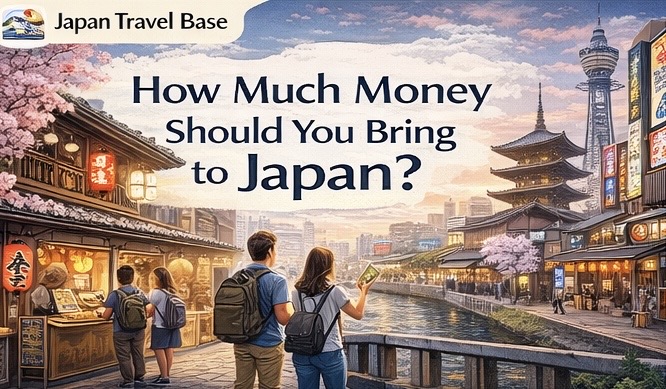
How Much Does a Trip to Japan Cost from Australia in 2026?
Wondering exactly how much a Japan trip costs from Australia in 2026? A typical 2-week trip runs between AUD $4,500 and $9,000 per person, covering return flights, accommodation, a JR Pass, food, and activities. Budget travellers landing closer to $4,500–$6,000, and mid-range travellers spending $6,500–$9,000. The good news: Japan remains one of the best-value destinations in Asia for Australians who plan ahead.
In this guide, we break down every major cost category — flights, transport passes, accommodation by city, daily food spend, and activities — so you can build a realistic budget before you book.
What Does a Return Flight from Australia to Japan Cost in 2026?
Flights are your single biggest expense, and prices vary widely depending on your departure city, airline, and travel season.
Typical Flight Prices by Departure City (2026)
- Sydney (SYD) to Tokyo (NRT/HND): AUD $900–$1,500 return (economy)
- Melbourne (MEL) to Tokyo: AUD $950–$1,600 return
- Brisbane (BNE) to Tokyo: AUD $1,000–$1,700 return
- Perth (PER) to Tokyo: AUD $1,100–$1,800 return (longer routing via KL or Singapore)
Budget airlines like Jetstar and Scoot can push prices below AUD $900 during flash sales, but factor in baggage fees. Full-service carriers (Qantas, Japan Airlines, ANA) typically land between AUD $1,200–$2,000 but include luggage and meals.
Pro tip: Flying into Tokyo and out of Osaka (or vice versa) — an open-jaw ticket — saves you backtracking and is often the same price or cheaper than a return to one city.
Cheapest Times to Fly from Australia to Japan
- January–February (post New Year lull): Best value flights and fewer crowds
- June (rainy season): Prices drop significantly despite the weather
- September (post-summer, pre-autumn peak): A sweet spot for value
- Avoid: Late March–early May (cherry blossom + Golden Week), November, and late December
In 2026, Japan is experiencing record tourist numbers — overtourism measures are now in place at some sites (Fuji Five Lakes, certain Kyoto alleys) — so booking flights and accommodation at least 3–4 months ahead is strongly recommended, especially for spring.
Japan Transport Costs: JR Pass vs IC Card for Australians
Transport is the second-biggest cost, and getting this wrong can blow your budget fast.
JR Pass Prices in 2026
- 7-day JR Pass: approximately AUD $430–$460
- 14-day JR Pass: approximately AUD $650–$700
- 21-day JR Pass: approximately AUD $830–$880
For a classic 2-week itinerary covering Tokyo → Hakone → Kyoto → Osaka → Hiroshima, the 14-day JR Pass pays for itself. A single Tokyo–Kyoto Shinkansen return costs around AUD $280, so add Hiroshima and a few regional trains and you’re already ahead. For more detail on when the pass is worth buying, see our guide on JR Pass or IC Card: Which You Need by Trip Type.
IC Cards (Suica/Pasmo) for City Travel
An IC card is essential regardless of whether you get a JR Pass. Load it with AUD $30–$50 equivalent in yen and tap in and out of subway, bus, and train systems across Tokyo, Osaka, and Kyoto. In 2026, IC cards also work for payments at most convenience stores, vending machines, and an increasing number of cafes and restaurants — a major quality-of-life improvement for travellers.
Budget approximately AUD $5–$15 per day for local city transport on top of your JR Pass usage.
Accommodation Costs in Japan: City-by-City Breakdown
Accommodation prices vary significantly between cities and neighbourhood choices. Here’s what Australians can realistically expect to pay per night in 2026.
Tokyo Accommodation Costs
- Budget hostel dorm: AUD $35–$60/night
- Budget private room / capsule hotel: AUD $70–$110/night
- Mid-range hotel (3-star): AUD $130–$200/night
- Comfort / 4-star hotel: AUD $200–$350/night
Shinjuku and Asakusa offer the best value for mid-range stays with excellent transport links. For a full neighbourhood comparison to help you choose, read our Best Area to Stay in Tokyo for First-Timers (2026) guide.
Kyoto Accommodation Costs
- Budget hostel: AUD $40–$65/night
- Mid-range guesthouse/hotel: AUD $130–$220/night
- Traditional ryokan (with meals): AUD $250–$600+/night
Kyoto is noticeably pricier than Osaka, especially near Gion. Many travellers on tighter budgets stay in Osaka and day-trip to Kyoto (only 15 minutes by Shinkansen or 30 minutes by regular train).
Osaka Accommodation Costs
- Budget hostel dorm: AUD $30–$50/night
- Budget private room: AUD $65–$100/night
- Mid-range hotel: AUD $110–$180/night
Osaka is the budget traveller’s best friend in Japan. The Namba and Shinsaibashi areas are lively, walkable, and well-connected. Staying in Osaka and day-tripping to Kyoto, Nara, and even Hiroshima makes excellent financial sense for a 2-week trip.
How Much Does Food Cost in Japan Per Day?
Food in Japan is genuinely affordable — and delicious. Here’s a realistic daily food budget breakdown.
Budget Food Spend (AUD $30–$50/day)
- Convenience store breakfast (7-Eleven, FamilyMart): AUD $4–$7
- Ramen or gyudon (beef bowl) lunch: AUD $8–$14
- Teishoku set dinner at a local restaurant: AUD $12–$18
- Snacks, drinks, vending machines: AUD $5–$10
Mid-Range Food Spend (AUD $60–$100/day)
- Sit-down sushi or izakaya dinners, department store food halls, craft coffee: AUD $60–$100/day total
Osaka is particularly famous for cheap, extraordinary street food. Takoyaki, okonomiyaki, and kushikatsu from Dotonbori stalls can fill you up for AUD $10–$15. For a full guide to eating your way through Dotonbori without overspending, see Osaka Street Food: What to Eat in Dotonbori (2026).
Activities & Entrance Fees: What to Budget
Many of Japan’s best experiences are free or very cheap: temple grounds, city parks, neighbourhood wandering, and shrines rarely charge entry. Where costs do add up:
- Fushimi Inari (Kyoto): Free
- Hiroshima Peace Museum: AUD $2.50
- TeamLab digital art (Tokyo/Osaka): AUD $35–$50
- Universal Studios Japan (Osaka): AUD $75–$120 (Express Pass extra)
- Hakone day trip (transport + ropeway + open air museum): AUD $60–$90 (covered in part by JR Pass)
- Nara deer park: Free (deer crackers ~AUD $2)
Budget around AUD $20–$40 per day for activities on average, with a few bigger splurge days factored in. If you’re planning a Hakone day trip from Tokyo, the Hakone Free Pass (around AUD $50) covers most transport within the area and is excellent value.
Full 2-Week Japan Trip Budget Summary for Australians (2026)
Here’s what a complete 2-week trip to Japan costs from Australia at each travel style:
- Budget traveller: Flights AUD $1,000 + JR Pass AUD $650 + accommodation AUD $700 (hostel/capsule) + food AUD $700 + activities AUD $250 = ~AUD $3,300 in-country + flights = ~AUD $4,300–$5,000 total
- Mid-range traveller: Flights AUD $1,400 + JR Pass AUD $650 + accommodation AUD $1,800 (private rooms/3-star hotels) + food AUD $1,200 + activities AUD $500 = ~AUD $5,550 in-country + flights = ~AUD $7,000–$8,000 total
- Comfort traveller: Flights AUD $1,800 + JR Pass AUD $680 + accommodation AUD $3,500 (4-star + one ryokan night) + food AUD $1,800 + activities AUD $800 = ~AUD $8,580+ total
For a deeper city-by-city cost breakdown across a full 2-week itinerary, our dedicated 2 Weeks in Japan Cost from Australia: 2026 Budget Breakdown walks through it day by day.
Money & Payments in Japan: What Australians Need to Know in 2026
Japan’s payment landscape has changed dramatically. By 2026, you can use:
- IC cards (Suica/Pasmo): Loaded via app or machine, accepted on nearly all transport and many retail outlets
- Visa/Mastercard contactless: Now accepted at most convenience stores, chain restaurants, and major tourist sites
- PayPay: Japan’s dominant QR payment app — many smaller restaurants and shops use it exclusively for cashless
- Cash: Still useful at small family restaurants, rural temples, vending machines (though most now accept IC cards), and traditional markets
Get a Wise or Revolut card before you leave Australia — they offer near-interbank JPY exchange rates with no foreign transaction fees, saving you 2–4% on every purchase compared to using your regular bank card.
Withdraw yen from 7-Eleven ATMs in Japan, which reliably accept foreign cards and charge minimal fees.
Frequently Asked Questions
How much does a 2-week trip to Japan cost from Australia in 2026?
A 2-week trip to Japan from Australia costs roughly AUD $4,500–$6,000 for budget travellers, AUD $6,500–$9,000 for mid-range, and AUD $10,000+ for comfort/luxury. Flights are the biggest variable, ranging from AUD $900 to $2,000 return depending on departure city and season.
Is Japan expensive for Australian travellers in 2026?
Japan is moderately priced for Australians. While the AUD–JPY exchange rate has weakened slightly compared to pre-2023, Japan remains cheaper than Australia for food and public transport. Budget travellers can eat well for AUD $30–$50 per day on meals alone.
Is the JR Pass worth it for a 2-week trip from Australia?
For a classic Tokyo–Kyoto–Osaka itinerary with a side trip to Hiroshima or Hakone, the 14-day JR Pass (around AUD $650) typically pays for itself. If you’re staying mainly in Tokyo or Osaka, an IC card alone may be enough. Compare your planned routes before buying.
What is the cheapest time to visit Japan from Australia?
January–February (excluding New Year) and late June (rainy season) offer the cheapest flights and accommodation. Cherry blossom season (late March–April) and autumn foliage (November) are peak periods with higher prices across the board.
How much spending money do I need per day in Japan?
Budget travellers need around AUD $100–$130 per day (excluding flights and JR Pass). Mid-range travellers typically spend AUD $180–$250 per day. This covers accommodation, meals, local transport, and entry fees.
Do I need cash in Japan in 2026?
Japan has expanded cashless payment significantly by 2026. IC cards (Suica/Pasmo), PayPay, and credit cards are now accepted at most convenience stores, restaurants, and tourist sites. However, some rural areas, smaller temples, and traditional ryokan still prefer cash, so carry AUD $100–$200 equivalent in yen as backup.
What is the cheapest city to base yourself in Japan?
Osaka is generally cheaper than Tokyo for accommodation and food. A hostel dorm in Osaka averages AUD $35–$50/night vs. AUD $40–$60 in Tokyo. Osaka is also a great base for day trips to Kyoto, Nara, and Hiroshima, making it cost-efficient for 2-week itineraries.
Plan Your Japan Trip Today
Japan in 2026 is as exciting and rewarding as ever — and with the right budget plan, it’s entirely achievable for Australian travellers at almost any spending level. Whether you’re targeting AUD $5,000 for a lean 2-week adventure or AUD $9,000 for a comfortable mix of hotels and ryokan nights, the key is locking in flights early, choosing the right transport pass for your itinerary, and leaning on Japan’s incredible affordable food scene.
Start by searching for flights using the tool above, compare your JR Pass options against your planned route, and use the city cost breakdowns in this guide to set your per-day budget. Japan rewards prepared travellers — and Australians who plan 3–4 months ahead consistently get the best value.
Ready to go deeper? Our full 2 Weeks in Japan Cost from Australia: AUD Breakdown 2026 gives you a day-by-day spend tracker you can copy straight into your planning spreadsheet.