

{
“@context”: “https://schema.org”,
“@type”: “FAQPage”,
“mainEntity”: [
{
“@type”: “Question”,
“name”: “Is Shinjuku or Shibuya better for first-time Tokyo tourists?”,
“acceptedAnswer”: {
“@type”: “Answer”,
“text”: “Shinjuku edges out Shibuya for most first-timers because of superior transport links — including direct JR lines to Hakone, Nikko, and Fuji — and a wider range of hotel prices starting around ¥12,000 per night. Shibuya is great if you’re younger, love fashion, and plan to spend more time in Harajuku or Daikanyama.”
}
},
{
“@type”: “Question”,
“name”: “What is the cheapest area to stay in Tokyo as a tourist?”,
“acceptedAnswer”: {
“@type”: “Answer”,
“text”: “Asakusa offers the most affordable hotel rates in central Tokyo, with many guesthouses and mid-range hotels ranging from ¥8,000 to ¥15,000 per night. It also has excellent metro access, so you can reach Shinjuku or Shibuya in under 30 minutes.”
}
},
{
“@type”: “Question”,
“name”: “Is Ginza a good place to stay for tourists in Tokyo?”,
“acceptedAnswer”: {
“@type”: “Answer”,
“text”: “Ginza is convenient — it’s a 5-minute walk from Tokyo Station — but most hotels cost ¥20,000 or more per night, making it poor value for first-timers. It suits business travelers or luxury seekers who don’t mind paying a premium for elegance and calm streets.”
}
},
{
“@type”: “Question”,
“name”: “Should I stay in Akihabara as a first-time visitor to Tokyo?”,
“acceptedAnswer”: {
“@type”: “Answer”,
“text”: “Only stay in Akihabara if anime, manga, or electronics are your primary reason for visiting Japan. For general sightseeing, it lacks the restaurant variety, nightlife, and transport convenience of Shinjuku or Shibuya, and most first-timers find it very niche.”
}
},
{
“@type”: “Question”,
“name”: “How far is Asakusa from major Tokyo tourist attractions?”,
“acceptedAnswer”: {
“@type”: “Answer”,
“text”: “Asakusa is close to Senso-ji Temple (walking distance), Ueno Park (10 minutes by metro), and Akihabara (15 minutes). However, reaching Shinjuku or Shibuya takes around 30–40 minutes each way, which adds up if you’re doing multiple trips in a day.”
}
},
{
“@type”: “Question”,
“name”: “Are Tokyo hotels cashless in 2026?”,
“acceptedAnswer”: {
“@type”: “Answer”,
“text”: “Most Tokyo hotels now accept credit cards and IC cards at check-in and for incidentals. Smaller guesthouses, especially in Asakusa, may still prefer cash, so it’s smart to carry some yen. PayPay and other QR payment apps are also widely accepted at hotel restaurants and shops.”
}
},
{
“@type”: “Question”,
“name”: “What Tokyo neighborhood is best for families with kids?”,
“acceptedAnswer”: {
“@type”: “Answer”,
“text”: “Shinjuku or Asakusa work well for families. Shinjuku gives easy access to day trips, while Asakusa’s traditional streetscape, rickshaws, and proximity to Ueno Zoo make it especially memorable for children. Both areas have family-friendly restaurants and convenience stores on every corner.”
}
}
]
}
{
“@context”: “https://schema.org”,
“@type”: “TravelAction”,
“name”: “Travel to Japan — Tokyo Neighborhood Guide for Tourists”,
“description”: “For most first-time Tokyo visitors, Shinjuku offers the best mix of transport, hotels (¥12,000–25,000/night), and access to Fuji and Nikko. Find out below.”,
“toLocation”: {
“@type”: “Country”,
“name”: “Japan”
}
}
What Is the Best Area to Stay in Tokyo for a First-Time Tourist?
Wondering which Tokyo neighborhood to book your hotel in? For most first-time tourists, Shinjuku is the best area to stay in Tokyo — it combines unbeatable transport links, hotels at every price point (¥12,000–25,000 per night), and direct access to major day trips like Hakone, Nikko, and Mount Fuji. That said, the right neighborhood genuinely depends on your travel style, budget, and priorities. This guide breaks down five of Tokyo’s most popular tourist areas with honest pros and cons so you can decide with confidence.
Tokyo recorded another record year for inbound tourism in 2026, which means popular neighborhoods are busier than ever — and booking your accommodation early is more important than it used to be. Overtourism measures are in place at a few key attractions, but they don’t significantly affect where you sleep. What matters most is picking a base that saves you time and money on transport every single day.
Why Your Tokyo Neighborhood Choice Actually Matters
Tokyo is enormous — over 13 million people in the city proper, with a metro area double that size. Moving between neighborhoods takes real time and costs real money. Stay in the wrong area and you could spend 90 minutes commuting each day instead of sightseeing. The Tokyo metro system is excellent, but choosing a well-connected base cuts your daily travel time in half and gives you more energy for the things that matter.
Before we compare neighborhoods, one quick note on transport: understanding whether you need a JR Pass or an IC card (like Suica or Pasmo) for your Tokyo base can save you significant money. Check out this breakdown on JR Pass or IC Card: Which You Need by Trip Type before you book anything.
Shinjuku: Best All-Round Base for First-Timers
Our top pick for most first-time Tokyo visitors. Shinjuku is Tokyo’s busiest transport hub, handling over 3.5 million passengers daily at its main JR station alone. That connectivity is the single biggest reason to stay here.
Transport from Shinjuku
- JR Chuo Line — fast access across central Tokyo and to Fuji Five Lakes
- JR Shonan-Shinjuku Line — direct to Kamakura and Yokohama
- Odakyu Line — direct to Hakone (Romancecar express, ~85 minutes)
- JR Yamanote Line — loops to Shibuya, Harajuku, Ueno, and Akihabara
- Narita / Haneda access — multiple options, 60–90 minutes
If you’re planning a Hakone day trip from Tokyo or want to see the best views of Mount Fuji, Shinjuku is your ideal departure point — no transfers, no confusion.
Hotels and Prices in Shinjuku
Shinjuku has the widest range of accommodation in Tokyo, from budget business hotels at ¥12,000 per night (~$80 USD / $125 AUD) to mid-range options at ¥18,000–25,000 and luxury properties above that. In 2026, budget options have tightened due to high demand, so book at least 6–8 weeks ahead for peak seasons like cherry blossom (late March–April) and autumn foliage (November).
Shinjuku: Honest Pros and Cons
- ✅ Best transport connectivity in Tokyo
- ✅ Huge range of restaurants, from ramen to Michelin-starred kaiseki
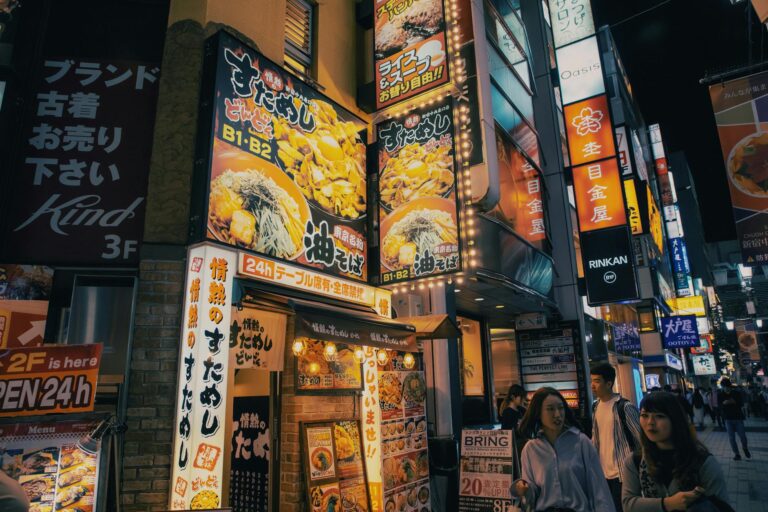
- ✅ Kabukicho nightlife area — one of the world’s great evening entertainment districts
- ✅ Shinjuku Gyoen garden for cherry blossom season
- ❌ Extremely busy and loud — not relaxing
- ❌ Shinjuku Station is confusing for newcomers (200+ exits)
- ❌ Some streets around Kabukicho feel overwhelming late at night
Shibuya: Best for Younger Travelers and Fashion Lovers
Shibuya is arguably Tokyo’s most photogenic neighborhood — home to the world-famous scramble crossing, Harajuku’s Takeshita Street, and the upscale boutiques of Omotesando. It’s a fantastic base, but it skews slightly pricier and younger than Shinjuku.
What Makes Shibuya Special
The Shibuya–Harajuku–Omotesando corridor is one of the most walkable and visually exciting stretches in all of Japan. You can leave your hotel, cross the famous scramble, walk 20 minutes north through Yoyogi Park, and arrive at Harajuku’s street fashion scene — all without touching the metro. That kind of walkability is rare in Tokyo and genuinely adds to your experience.
Shibuya: Honest Pros and Cons
- ✅ Walking distance to Harajuku, Yoyogi Park, and Omotesando
- ✅ Iconic Shibuya Crossing — worth seeing from a café above street level
- ✅ Strong nightlife and rooftop bar scene
- ✅ Good metro connections (though not quite as comprehensive as Shinjuku)
- ❌ Hotels tend to start at ¥15,000 and often exceed ¥28,000 for decent quality
- ❌ Shibuya Station is undergoing major redevelopment in 2026 — expect some construction noise
- ❌ Less convenient for day trips to Hakone, Fuji, or Nikko compared to Shinjuku
Asakusa: Best for Budget Travelers and Traditional Atmosphere
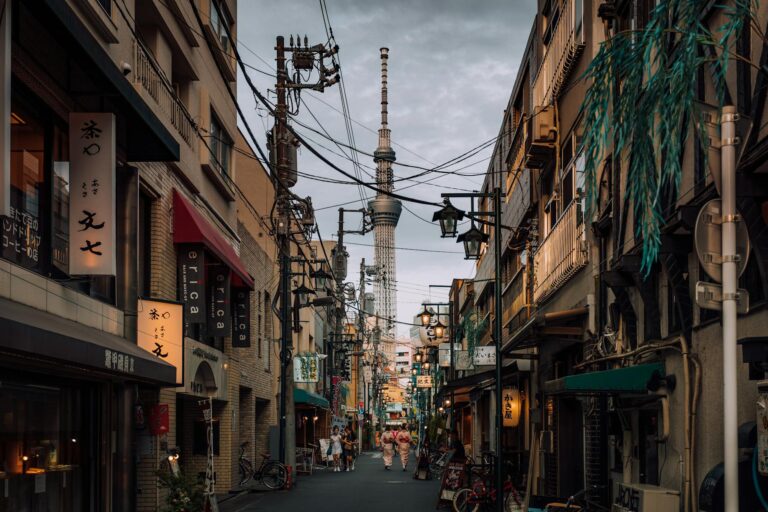
If you want to feel like you’ve stepped back into old Tokyo — with rickshaws, wooden craft shops, and paper lanterns — Asakusa is the neighborhood for you. It’s also the most affordable central area for accommodation.
Hotels and Prices in Asakusa
You’ll find quality guesthouses and business hotels in Asakusa from ¥8,000 per night (~$53 USD / $83 AUD), and comfortable mid-range options around ¥12,000–15,000. For budget-conscious travelers — especially those from Australia planning a longer trip — Asakusa can shave hundreds of dollars off total accommodation costs. For a full cost breakdown, see this detailed Japan trip cost guide from Australia for 2026.
Asakusa: Honest Pros and Cons
- ✅ Lowest hotel prices of any central Tokyo neighborhood
- ✅ Senso-ji Temple is one of Japan’s most iconic sights — right on your doorstep
- ✅ Traditional craft shopping on Nakamise-dori
- ✅ Close to Ueno Park and its cluster of world-class museums
- ❌ Further from Shinjuku and Shibuya (30–40 minutes each way)
- ❌ Fewer international restaurant options compared to other areas
- ❌ Senso-ji is very crowded in 2026 — overtourism measures now restrict large tour groups, but it’s still packed by 9am
- ❌ The area becomes quiet and slightly dull after 8pm
Ginza: Best for Luxury Travelers Who Want Tokyo Station Access
Ginza is Tokyo’s equivalent of Paris’s 8th arrondissement — wide boulevards, flagship designer stores, and the kind of quiet that only comes with expensive real estate. It’s a 5-minute walk from Tokyo Station, making it perfect for travelers taking the Shinkansen to Kyoto or Osaka.
Ginza: Honest Pros and Cons
- ✅ Walking distance to Tokyo Station (Shinkansen hub)
- ✅ Excellent high-end dining and department store food halls
- ✅ Quieter and more elegant than Shinjuku or Shibuya
- ❌ Most hotels start at ¥20,000–30,000 per night and go well beyond that
- ❌ Very little budget or mid-range accommodation exists
- ❌ The neighborhood is primarily a daytime shopping district — limited evening atmosphere for tourists
- ❌ Not ideal for first-timers who want to explore diverse Tokyo neighborhoods without long metro rides
Akihabara: Best Only for Anime and Electronics Enthusiasts
Akihabara earns its place on this list as a niche recommendation — and only for a specific type of traveler. If manga, anime, retro video games, or electronics are a core reason you’re visiting Japan, staying here puts you right in the middle of the world’s greatest concentration of that culture. For everyone else, it’s a fun half-day visit from Shinjuku, not a base.
Akihabara: Honest Pros and Cons
- ✅ Unrivalled for anime, manga, and electronics shopping
- ✅ Hotels are reasonably priced (¥10,000–18,000), and the JR Yamanote Line connects you to the rest of Tokyo
- ✅ Close to Asakusa (15 minutes) and Ueno (5 minutes)
- ❌ Very niche atmosphere — underwhelming if that culture isn’t your thing
- ❌ Limited restaurant variety outside of maid cafes and ramen
- ❌ Not a great base for day trips to Hakone or Fuji
Our Honest Verdict: Where Should First-Timers Stay in Tokyo?
For most first-time visitors to Tokyo, Shinjuku is the clear winner. Here’s why in plain terms: Shinjuku’s transport connections mean you spend less time commuting and more time sightseeing. Hotels cover every budget. The food scene is unmatched. And when you want a quieter evening, Shinjuku Gyoen or the Memory Lane (Omoide Yokocho) alleyway gives you exactly that contrast.
Choose Shibuya if you’re in your 20s–30s, love fashion and nightlife, and plan to spend most of your time in the west side of Tokyo. Choose Asakusa if budget is your top priority and you love traditional Japanese aesthetics. Choose Ginza if money is no concern and you’re using Tokyo as a Shinkansen launchpad. Choose Akihabara only if you’d happily spend three full days in anime shops.
And if you’re still deciding how Tokyo fits into a broader Japan itinerary — whether you should base in Tokyo, Kyoto, or Osaka — this comparison of Tokyo vs Osaka vs Kyoto: Which City Should You Base In? is worth reading before you finalise your flights.
One more tip: first-time Japan visitors often make avoidable mistakes around transport, cash, and neighbourhood choice. Before you travel, check our 10 Japan First-Timer Mistakes to Avoid (2026) — it could save you real money and stress.
Frequently Asked Questions
Is Shinjuku or Shibuya better for first-time Tokyo tourists?
Shinjuku edges out Shibuya for most first-timers because of superior transport links — including direct JR lines to Hakone, Nikko, and Fuji — and a wider range of hotel prices starting around ¥12,000 per night. Shibuya is great if you’re younger, love fashion, and plan to spend more time in Harajuku or Daikanyama.
What is the cheapest area to stay in Tokyo as a tourist?
Asakusa offers the most affordable hotel rates in central Tokyo, with many guesthouses and mid-range hotels ranging from ¥8,000 to ¥15,000 per night. It also has excellent metro access, so you can reach Shinjuku or Shibuya in under 30–40 minutes.
Is Ginza a good place to stay for tourists in Tokyo?
Ginza is convenient — it’s a 5-minute walk from Tokyo Station — but most hotels cost ¥20,000 or more per night, making it poor value for first-timers. It suits business travelers or luxury seekers who don’t mind paying a premium for elegance and calm streets.
Should I stay in Akihabara as a first-time visitor to Tokyo?
Only stay in Akihabara if anime, manga, or electronics are your primary reason for visiting Japan. For general sightseeing, it lacks the restaurant variety, nightlife, and transport convenience of Shinjuku or Shibuya, and most first-timers find it very niche.
How far is Asakusa from major Tokyo tourist attractions?
Asakusa is close to Senso-ji Temple (walking distance), Ueno Park (10 minutes by metro), and Akihabara (15 minutes). However, reaching Shinjuku or Shibuya takes around 30–40 minutes each way, which adds up if you’re doing multiple trips in a day.
Are Tokyo hotels cashless in 2026?
Most Tokyo hotels now accept credit cards and IC cards at check-in and for incidentals. Smaller guesthouses, especially in Asakusa, may still prefer cash, so it’s smart to carry some yen. PayPay and other QR payment apps are also widely accepted at hotel restaurants and shops.
What Tokyo neighborhood is best for families with kids?
Shinjuku or Asakusa work well for families. Shinjuku gives easy access to day trips, while Asakusa’s traditional streetscape, rickshaws, and proximity to Ueno Zoo make it especially memorable for children. Both areas have family-friendly restaurants and convenience stores on every corner.
Plan Your Japan Trip Today
Ready to book your Tokyo base? Start with Shinjuku if you’re a first-timer — you won’t regret the transport flexibility. Use the hotel search above to compare live rates, and lock in your dates early, especially for spring (cherry blossom season) and November. Tokyo in 2026 is busier than ever, and the best-value rooms fill up fast.
Once your Tokyo accommodation is sorted, think about how it connects to the rest of your Japan itinerary. Whether you’re adding Kyoto, Osaka, Hakone, or venturing further afield, a strong Tokyo base sets the tone for everything that follows.