

{
“@context”: “https://schema.org”,
“@type”: “FAQPage”,
“mainEntity”: [
{
“@type”: “Question”,
“name”: “Is Shinjuku or Shibuya better for first-time visitors to Tokyo?”,
“acceptedAnswer”: {
“@type”: “Answer”,
“text”: “Shinjuku is better for most first-timers. It has more transport connections (JR lines to Mt. Fuji, Nikko, and Hakone), a wider range of hotel prices from ¥12,000/night, and is easier to navigate for newcomers. Shibuya is great if you’re younger, love nightlife and fashion, and don’t mind paying slightly more.”
}
},
{
“@type”: “Question”,
“name”: “What is the cheapest area to stay in Tokyo as a tourist?”,
“acceptedAnswer”: {
“@type”: “Answer”,
“text”: “Asakusa consistently offers the lowest hotel prices in central Tokyo, with decent options from ¥8,000–15,000 per night. It’s a great budget choice if you don’t mind being a little further from the main shopping and entertainment districts.”
}
},
{
“@type”: “Question”,
“name”: “Is Asakusa a good base for first-time Tokyo tourists?”,
“acceptedAnswer”: {
“@type”: “Answer”,
“text”: “Asakusa is a lovely base if you want a traditional, quieter atmosphere and lower hotel prices. The downside is that it’s on the eastern edge of Tokyo, so reaching Shinjuku, Shibuya, or Harajuku takes 30–45 minutes by train.”
}
},
{
“@type”: “Question”,
“name”: “How far is Ginza from Tokyo Station?”,
“acceptedAnswer”: {
“@type”: “Answer”,
“text”: “Ginza is roughly a 5-minute walk from the Ginza exit of Tokyo Station, making it extremely convenient for Shinkansen travel to Kyoto or Osaka. However, hotel prices in Ginza typically start at ¥20,000 per night and rise steeply.”
}
},
{
“@type”: “Question”,
“name”: “Should I stay in Akihabara for my first trip to Tokyo?”,
“acceptedAnswer”: {
“@type”: “Answer”,
“text”: “Only if anime, manga, or electronics are the main reason you’re visiting Tokyo. Akihabara is a niche district that doesn’t offer great transport connections or dining variety compared to Shinjuku or Shibuya. Most general first-timers will be better served elsewhere.”
}
},
{
“@type”: “Question”,
“name”: “Is Tokyo still easy to visit in 2026, and do I need a visa?”,
“acceptedAnswer”: {
“@type”: “Answer”,
“text”: “Yes — as of 2026, visitors from Australia, the USA, the UK, and most of Southeast Asia can enter Japan visa-free for up to 90 days (30 days for some Southeast Asian nationalities). Japan’s entry process is straightforward, though the Visit Japan Web registration for customs and immigration is strongly recommended.”
}
},
{
“@type”: “Question”,
“name”: “Can I pay by credit card or IC card in Tokyo hotels and shops?”,
“acceptedAnswer”: {
“@type”: “Answer”,
“text”: “Yes. Cashless payments have expanded significantly in Tokyo by 2026. Most hotels, convenience stores, and restaurants in tourist areas now accept IC cards (Suica/Pasmo), credit cards, and apps like PayPay. It’s still wise to carry some cash for smaller local shops and some vending machines.”
}
}
]
}
{
“@context”: “https://schema.org”,
“@type”: “TravelAction”,
“name”: “Travel to Japan — Tokyo Neighborhood Guide for Tourists”,
“description”: “Shinjuku wins for most first-time Tokyo visitors — central transport, ¥12,000–25,000/night hotels, and easy access to Fuji. Here’s exactly what to plan by neighborhood.”,
“toLocation”: {
“@type”: “Country”,
“name”: “Japan”
}
}
Which Tokyo Neighborhood Should First-Time Tourists Stay In?
Wondering which area of Tokyo is best for your first visit? For most first-time tourists, Shinjuku is the top choice — it sits at the centre of Tokyo’s rail network, offers hotels across every budget (¥12,000–25,000 per night), and puts you within easy reach of day trips to Mt. Fuji, Nikko, and Hakone. That said, the “best” neighbourhood genuinely depends on your travel style, and Tokyo’s five most tourist-friendly districts are more different from each other than many guides admit. Here’s an honest breakdown of each one.
With record tourist numbers arriving in Tokyo in 2026, choosing the right base matters more than ever — popular areas are booking out faster, and prices have crept up across the board. Read this before you book.
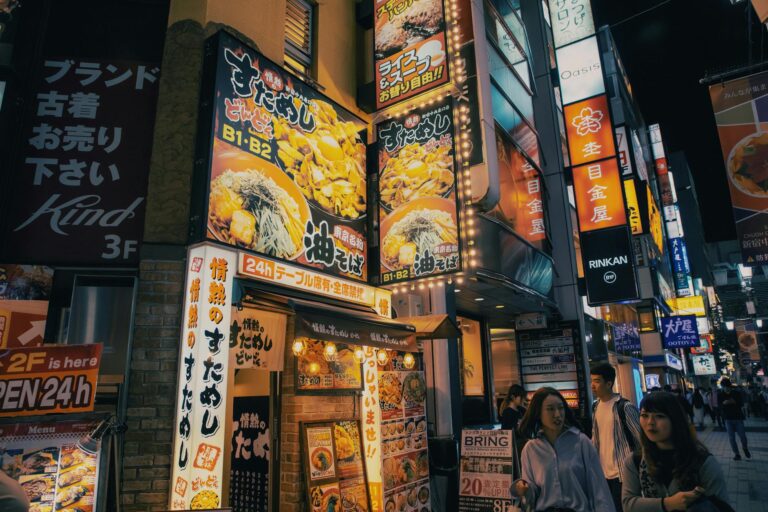
Shinjuku: Best Overall Base for First-Time Tokyo Visitors
Shinjuku is the undisputed transport king of Tokyo. The massive Shinjuku Station — the world’s busiest — connects you to the JR Chuo Line, Yamanote Line, Odakyu Line (direct to Hakone), and Chuo Expressway buses to Mt. Fuji. If you’re planning day trips outside the city, no other neighbourhood makes logistics this simple.
What Shinjuku Does Best
- Transport: JR lines radiate from here to Fuji, Nikko (via JR from nearby Ueno, easily reached), and Hakone — huge for first-timers wanting to explore beyond the city
- Nightlife: Kabukicho entertainment district, Golden Gai’s tiny atmospheric bars, and Omoide Yokocho (Memory Lane) for yakitori skewers and nostalgia
- Hotels: Genuinely wide range — budget business hotels from ¥12,000/night up to Hyatt and Hilton-level at ¥25,000+
- Shopping and food: Takashimaya Times Square, Isetan department store, and dozens of ramen alleys within walking distance
Shinjuku’s Honest Downsides
- The station is genuinely confusing — even experienced travellers get lost. Allow extra time your first day.
- It’s loud and busy, especially on weekends. If you want quiet evenings, look at east Shinjuku side hotels rather than Kabukicho-adjacent properties.
- Overtourism is real in 2026 — popular spots like Golden Gai are extremely crowded on Friday and Saturday nights.
Our verdict: For most first-timers, Shinjuku wins because the transport connections alone save you time and money every single day. You’ll spend less time commuting and more time actually seeing Tokyo — and Japan beyond it. If you’re mapping out your broader Japan costs, check our Japan Trip Cost from Australia: 2026 Budget Guide to see how accommodation choices stack up against your total trip spend.
Shibuya: Best for Younger Travellers and Fashion Lovers
Shibuya is where Tokyo’s pop-culture energy is most visible. The famous Shibuya Crossing — still one of the most exhilarating intersections on earth in 2026 — is literally outside the station exit, and Harajuku is a pleasant 15-minute walk north along Takeshita Street and Omotesando.
What Shibuya Does Best
- Immediate access to iconic Tokyo moments: the crossing, Shibuya Sky observation deck, Hachiko statue
- Walking distance to Harajuku and Omotesando — great for fashion, street food, and Meiji Shrine
- Younger, trendier atmosphere — excellent for solo travellers and couples in their 20s and 30s
- Strong transport links on the Yamanote and Ginza Lines
Shibuya’s Honest Downsides
- Hotels tend to run 10–20% more expensive than equivalent Shinjuku options — expect ¥15,000–30,000/night for mid-range
- Less direct access to day-trip trains (no Odakyu Line for Hakone from here)
- Crowding around the crossing has intensified in 2026 — the city has introduced barriers and timed photography zones during peak hours
Asakusa: Best for Budget Travellers and Traditional Atmosphere
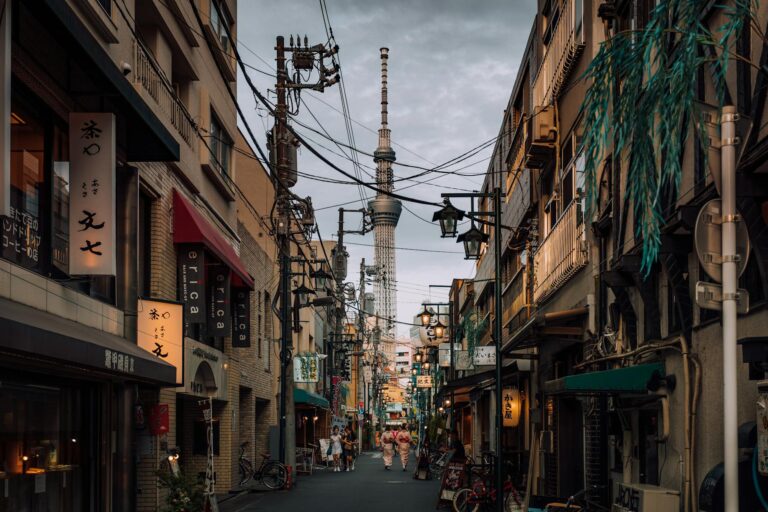
Asakusa is Tokyo’s most historically layered neighbourhood, centred on the magnificent Senso-ji Temple — Tokyo’s oldest — and the Nakamise shopping street leading up to it. If you want to feel like you’ve stepped into an older Japan, this is your district.
What Asakusa Does Best
- Price: Genuinely the most affordable central Tokyo neighbourhood — hotels range from ¥8,000–15,000/night, making it ideal if you’re watching your yen
- Traditional ryokan-style guesthouses available alongside modern budget hotels
- Senso-ji, Nakamise Street, rickshaw rides, and old-school izakayas all within walking distance
- Easy access to Ueno (Tokyo National Museum, Ueno Zoo) via a short train or 20-minute walk
Asakusa’s Honest Downsides
- It sits on Tokyo’s eastern edge — getting to Shinjuku or Shibuya takes 35–45 minutes each way, adding up over a week-long trip
- Quieter nightlife, older demographic neighbourhood feel — not ideal if you’re after contemporary Tokyo energy
- Senso-ji itself sees enormous tourist crowds in 2026, especially at sunrise and on weekends
If you’re travelling from Australia and weighing up your total budget, our 2 Weeks in Japan Cost from Australia: 2026 Budget Breakdown shows exactly how much Asakusa-level pricing can save you over a typical two-week itinerary.
Ginza: Best for Luxury Travellers Close to Tokyo Station
Ginza is Tokyo’s answer to Fifth Avenue or Bond Street — upscale, polished, and convenient if you’re arriving or departing by Shinkansen. Tokyo Station is literally a 5-minute walk from Ginza’s main streets, and the area’s wide boulevards feel calmer than Shinjuku or Shibuya despite being central.
What Ginza Does Best
- Unbeatable proximity to Tokyo Station for Shinkansen connections to Kyoto and Osaka
- World-class dining — Ginza has one of the highest concentrations of Michelin-starred restaurants in the world
- Flagship stores for every major luxury brand, plus the iconic Itoya stationery store
- Quieter, more refined atmosphere than Shinjuku or Shibuya
Ginza’s Honest Downsides
- Price: Budget and mid-range hotels simply don’t exist here — expect ¥20,000/night as a starting point, with luxury properties at ¥50,000+
- Limited youth-oriented nightlife or casual dining options
- Feels corporate and quiet after 9pm — great if you prefer early nights, less so for night owls
Akihabara: Best Only for Anime and Electronics Enthusiasts
Let’s be direct: Akihabara is a wonderful neighbourhood for a specific type of traveller, and a puzzling choice for everyone else. If anime, manga, retro video games, or electronics shopping are core reasons you’re visiting Tokyo, basing yourself here makes total sense. For general first-timers, it doesn’t.
What Akihabara Does Best
- The world’s greatest concentration of electronics shops, anime merchandise stores, and maid cafes
- Great transport access on the JR Yamanote and Sobu Lines
- Hotel prices similar to Asakusa — reasonable for central Tokyo at ¥10,000–18,000/night
Akihabara’s Honest Downsides
- Very niche atmosphere — if you’re not interested in its core offerings, the neighbourhood has little else going on
- Limited dining variety and green space compared to other districts
- Most tourists visit Akihabara as a half-day trip from elsewhere, which is genuinely the better approach for most people
Tokyo Neighborhood Comparison: Quick Reference
- Shinjuku: Best all-rounder — transport, price range, day trips. ¥12,000–25,000/night.
- Shibuya: Best for pop culture and fashion lovers. ¥15,000–30,000/night.
- Asakusa: Best for budget and traditional atmosphere. ¥8,000–15,000/night.
- Ginza: Best for luxury and Shinkansen convenience. ¥20,000+/night.
- Akihabara: Best for anime/electronics fans only. ¥10,000–18,000/night.
Practical Tips for Booking Your Tokyo Neighbourhood in 2026
Tokyo is experiencing record international visitor numbers in 2026, and hotel availability — particularly in Shinjuku and Shibuya — is tighter than pre-pandemic years. Here’s what to keep in mind:
- Book at least 3–4 months ahead for travel during cherry blossom season (late March to mid-April) and Golden Week (late April to early May) — these periods sell out extremely fast.
- Use IC cards everywhere. Load your Suica or Pasmo card at the airport and use it across all Tokyo subway and JR lines, plus convenience stores and most cafes. Cashless payment is near-universal in tourist areas as of 2026.
- Check whether a JR Pass is worth it before you buy. If you’re only based in Tokyo, it likely isn’t — read our breakdown on JR Pass or IC Card? Which You Need by Trip Type to make the right call for your itinerary.
- Avoid booking non-refundable rates too far in advance — flight schedules and entry requirements can still shift, and flexibility is worth paying a small premium for.
- First-timer mistakes are easy to make when choosing a base — check out 10 Japan First-Timer Mistakes to Avoid (2026) before you finalise your plans.
Frequently Asked Questions
Is Shinjuku or Shibuya better for first-time visitors to Tokyo?
Shinjuku is better for most first-timers. It has more transport connections — including JR lines to Mt. Fuji and Hakone — a wider range of hotel prices starting from ¥12,000/night, and is generally easier to navigate as a base. Shibuya is great if you’re younger, love fashion and pop culture, and don’t mind paying a little more per night.
What is the cheapest area to stay in Tokyo as a tourist?
Asakusa consistently offers the lowest hotel prices in central Tokyo, with decent options from ¥8,000–15,000 per night. It’s an excellent budget choice if you don’t mind a 35–45 minute commute to the main Shinjuku and Shibuya areas.
Is Asakusa a good base for first-time Tokyo tourists?
Asakusa is a lovely base if you want a traditional, quieter atmosphere and lower hotel prices. The downside is its location on Tokyo’s eastern edge — reaching Shinjuku or Shibuya takes 30–45 minutes by train each way, which adds up over a week-long trip.
How far is Ginza from Tokyo Station?
Ginza is roughly a 5-minute walk from the Ginza exit of Tokyo Station, making it extremely convenient for Shinkansen travellers heading to Kyoto or Osaka. However, hotels in Ginza typically start at ¥20,000 per night and rise steeply — it’s a luxury-only neighbourhood.
Should I stay in Akihabara for my first trip to Tokyo?
Only if anime, manga, or electronics are the main reason you’re visiting Tokyo. Akihabara doesn’t offer the transport variety, dining options, or general tourist convenience of Shinjuku or Shibuya. Most visitors are better off staying elsewhere and treating Akihabara as a half-day excursion.
Is Tokyo still easy to visit in 2026, and do I need a visa?
Yes — as of 2026, visitors from Australia, the USA, the UK, and most Western countries can enter Japan visa-free for up to 90 days. Japan’s entry process is straightforward. Registering via Visit Japan Web before arrival is strongly recommended to speed up customs and immigration.
Can I pay by credit card or IC card in Tokyo hotels and shops?
Yes. By 2026, cashless payments are near-universal in Tokyo’s tourist districts. Most hotels, convenience stores, restaurants, and transport accept Suica/Pasmo IC cards, Visa/Mastercard credit cards, and apps like PayPay. Carry some cash for small local shops and market stalls, but you won’t need large amounts.
Plan Your Japan Trip Today
Tokyo’s neighbourhoods each offer something genuinely different — and the right choice can make or break your first Japan experience. For most first-time visitors, Shinjuku gives you the best combination of transport access, hotel value, and things to do, without locking you into a niche or blowing your accommodation budget. Book early in 2026 — especially if you’re travelling during cherry blossom season or Golden Week — and use an IC card from day one to keep getting around simple and cheap.
Ready to look at the bigger Japan picture? Our Japan Trip Cost from Australia 2026: Exact Budget Guide breaks down everything from flights to food, so you know exactly what to set aside before you go.