
The Best 2-Day Kyoto Itinerary for First-Time Visitors
Wondering how to spend two days in Kyoto as a first-time visitor? Two full days is genuinely enough time to experience Kyoto’s most iconic sights — if you follow a tight, well-timed plan. This itinerary takes you through Fushimi Inari and Gion on Day 1, then Arashiyama, Kinkaku-ji and Nishiki Market on Day 2, with exact timings, bus routes and entry prices so you can walk out of Kyoto Station and know precisely what to do next.
Kyoto in 2026 is busier than ever — Japan recorded record international visitor numbers again this year, and Kyoto remains the country’s single most-visited city outside Tokyo. Early starts are not optional; they are the difference between peaceful temple gardens and elbow-to-elbow crowds. Every timing in this plan is built around beating those crowds.
How to Get Around Kyoto in 2 Days
Before you step outside your accommodation, buy a Kyoto City Bus One-Day Pass for ¥700 (around $4.50 USD or $7 AUD). It gives unlimited rides on city buses all day and pays for itself after two or three trips. Pick it up at the Bus Information Centre directly outside the central exit of Kyoto Station.
- IC cards (Suica, ICOCA, or Pasmo) work on all city buses and the subway — tap on, tap off. Cashless payment is now the norm in Kyoto; most buses, shops and temple entry booths accept IC cards.
- The Kyoto City Subway is faster than buses for north-south trips (e.g. Kyoto Station to Kinkaku-ji area).
- Walking between Fushimi Inari, Kiyomizu-dera and Gion is feasible (around 40 minutes each leg) but factor this into your energy budget.
- For Arashiyama, take the JR Sagano Line from Kyoto Station to Saga-Arashiyama Station (17 minutes, ¥240). This is the fastest and most reliable option.
If you are travelling on a JR Pass and want to understand whether it covers your Kyoto transport needs, check out our breakdown of JR Pass or IC Card — which you actually need by trip type before you buy.
Day 1: Fushimi Inari, Kiyomizu-dera and Gion
7:00am — Fushimi Inari Taisha (Free)
Start your first day at Fushimi Inari Taisha, Kyoto’s most photographed sight and the one that rewards early risers the most. The shrine is free to enter and open 24 hours. Take the JR Nara Line from Kyoto Station to Inari Station — it is a two-minute walk from the platform to the first torii gate. Journey time: 5 minutes, ¥150.
At 7:00am, the lower torii tunnels are walkable with few people around. Walk the first 20–30 minutes up the mountain path to the Yotsutsuji intersection for a view over Kyoto, then descend. You do not need to complete the full 4-hour circuit — the most photogenic sections are in the first 45 minutes. By 8:30am, tour groups start arriving.
- Wear comfortable walking shoes — the path is uneven stone steps.
- Bring water; the vending machines on the lower path charge tourist prices.
- Photography tip: face uphill (south to north) for the best light in morning hours.
9:30am — Kiyomizu-dera Temple (¥500)
From Inari Station, take the JR Nara Line back to Kyoto Station (5 min), then board Bus 206 toward Higashiyama. Alight at Kiyomizumichi stop and walk uphill through the Ninenzaka and Sannenzaka lanes — these preserved Meiji-era stone streets are a highlight in themselves. Allow 15 minutes for the walk up.
Kiyomizu-dera is one of Japan’s most dramatic temples, built on a wooden stage jutting out over a forested hillside. Entry is ¥500 (around $3.20 USD). Spend 45–60 minutes exploring the main hall, the Jishu Shrine (dedicated to love and matchmaking) and the three Otowa waterfall streams below. In 2026, timed entry may apply during cherry blossom and autumn foliage seasons — check the official site if visiting in late March/April or November.
This is an excellent spot for kimono photos. If you want to rent a kimono for the day, book through Klook kimono rental in the Higashiyama area — shops open from 9:00am and rental typically runs ¥3,000–¥6,000 for a half-day including dressing and hair styling.
12:00pm — Lunch in Higashiyama
Walk back down through Ninenzaka and grab lunch at one of the small restaurants along Sannenzaka. Look for tofu kaiseki set lunches (¥1,200–¥1,800) or matcha soft serve (¥500) from a street stall. This area is the best spot in Kyoto for a traditional lunch without going out of your way.
2:00pm — Gion District and Yasaka Shrine
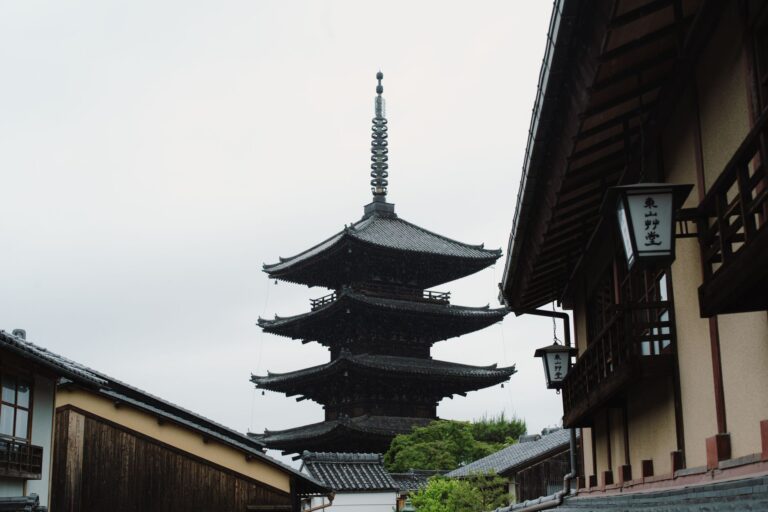
Walk 15 minutes north from Kiyomizu-dera along Kodaiji Temple Road into the Gion district. Spend the afternoon wandering Hanamikoji Street and the narrower Shinbashi-dori canal lanes — the most atmospheric geisha district in Japan. There is no entry fee; just walk and absorb the architecture.
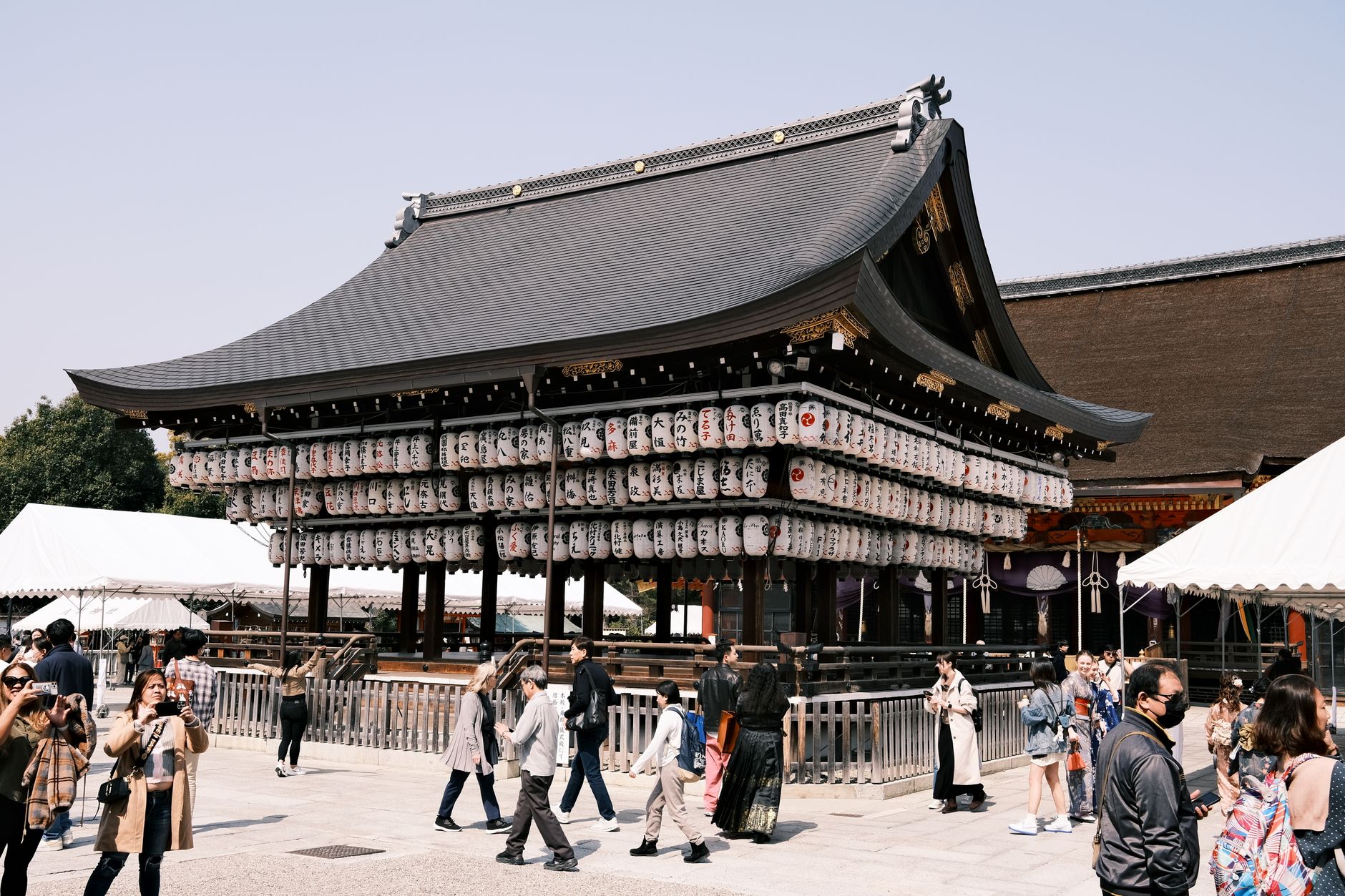
Yasaka Shrine, at the western end of Gion, is free and beautiful in the late afternoon light. The shrine stays lit in the evenings.
6:00pm — Evening Geiko District Walk
Gion comes alive at dusk. Between 6:00pm and 8:00pm, you have the best chance of spotting geiko (Kyoto’s geisha) and maiko (apprentice geisha) walking between appointments on Hanamikoji Street. Stand quietly to the side — photographs are fine from a distance but approaching or touching geiko is considered very rude and has led to formal no-photography zones in some streets as of 2026.
Dinner: the streets around Gion have excellent options from ¥1,200 ramen to ¥3,500 izakaya dinners. Book ahead if you want a sit-down restaurant on weekends.
Day 2: Arashiyama, Kinkaku-ji and Nishiki Market
7:30am — Arashiyama Bamboo Grove (Free)
Day 2 starts even earlier. The Arashiyama bamboo grove is free to walk through but is genuinely overrun by 9:00am. Take the JR Sagano Line from Kyoto Station to Saga-Arashiyama Station (17 min, ¥240) and walk directly to the bamboo grove — it is 5 minutes on foot from the station.
At 7:30am, you will likely have the path nearly to yourself. The grove is short — the main path takes about 10 minutes to walk — but extraordinary. The light filtering through the bamboo in the early morning is unlike anywhere else in Japan.
8:30am — Tenryu-ji Garden (¥500)
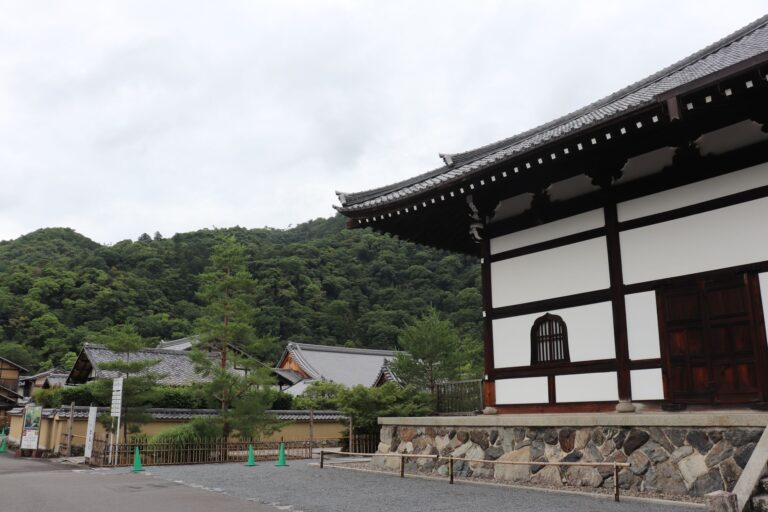
Tenryu-ji, a UNESCO World Heritage Zen temple and garden adjacent to the bamboo grove, opens at 8:30am. The garden entry is ¥500 and the garden pond reflecting the Arashiyama mountains behind it is one of the finest views in all of Kyoto. Allow 45 minutes.
- The hall interior (additional ¥300) is optional but worth it if you want to see the painted ceiling dragon.
- Combine with a walk along the Oi River bank (free) for a quieter alternative to the main tourist path.
Consider booking a traditional tea ceremony experience through Klook in the Arashiyama area — many are held in garden settings and run 45–60 minutes from around ¥2,500–¥4,000. Morning sessions before 10:00am are the most peaceful.
10:30am — Travel to Kinkaku-ji
From Saga-Arashiyama Station, take the JR Sagano Line back to Kyoto Station (17 min), then board Bus 205 from Kyoto Station toward Kinkakuji-michi. The bus ride is about 35 minutes. Alternatively, take the subway Karasuma Line north to Kitaoji Station and catch Bus 204 west (slightly faster in heavy traffic).
11:30am — Kinkaku-ji, the Golden Pavilion (¥500)
Kinkaku-ji is Kyoto’s most iconic image — a gold-leaf-covered Zen pavilion reflected in a mirror pond. Entry is ¥500. The visit is a one-way circuit of about 30–40 minutes. There is genuinely no bad view of the pavilion; every angle along the path is worth stopping for.
The site is always busy, but arriving at 11:30am on a weekday is manageable. Weekend mornings are significantly more crowded. In 2026, Kinkaku-ji has introduced a designated photography zone to manage visitor flow around the main viewing area.
1:00pm — Nishiki Market Lunch
Take Bus 205 south from Kinkakuji-michi back toward the city centre, alighting near Shijo-Karasuma. Walk east along Shijo-dori two minutes to reach the entrance of Nishiki Market — Kyoto’s famous covered food market, nicknamed “Kyoto’s Kitchen.”
Nishiki is 400 metres of narrow covered arcade packed with small stalls selling pickled vegetables, fresh tofu, grilled skewers, tamagoyaki (sweet rolled omelette) and matcha everything. Lunch here is a walk-and-eat affair. Budget ¥1,000–¥2,000 for a satisfying spread of street snacks. This is also the best place to pick up food souvenirs — Kyoto pickles (tsukemono) travel well and make excellent gifts.
If your Japan trip budget is still coming together, our guide to how much a trip to Japan costs from Australia in 2026 breaks down daily spend across accommodation, food and transport in cities including Kyoto.
Afternoon: Free Time or Optional Add-Ons
If you have energy left on Day 2 afternoon, consider:
- Nijo Castle (¥800, 15 min walk from Nishiki) — the shogun’s Kyoto palace with famous “nightingale floors” that squeak to alert of intruders.
- Philosopher’s Path — a canal-side walking path connecting Ginkaku-ji (Silver Pavilion, ¥500) to Nanzen-ji temple. Best in cherry blossom season.
- A return walk through Gion at dusk for a repeat of the evening atmosphere from Day 1.
Where to Stay in Kyoto: Two Honest Options
Option 1: Near Kyoto Station (Most Practical)
Staying within 10 minutes’ walk of Kyoto Station puts you directly on the JR network and within reach of every city bus route. This is the best choice if you are day-tripping to Osaka or Nara, or if you have heavy luggage. Hotels here range from budget business hotels at $60–$90 USD per night to mid-range options at $120–$180 USD. Search for machiya-style guesthouses on Booking.com for something with more character than a chain hotel.
Option 2: Gion or Higashiyama (Most Atmospheric)
Staying in the Gion or Higashiyama area puts you steps from Day 1’s sights and gives you the rare experience of walking Kyoto’s historic lanes at night after the day-trippers leave. Traditional ryokan (Japanese inn) and machiya townhouse rentals are concentrated here. Expect ¥15,000–¥35,000 per room per night (roughly $95–$225 USD), often including breakfast. Book well in advance — these properties sell out months ahead in peak season.
Booking.com has a strong selection of both Kyoto Station-area hotels and Gion ryokan, with genuine guest reviews that help distinguish the well-maintained properties from those that trade on the aesthetic alone.
Kyoto Entry Rules and Practical Notes for 2026
- Visa: Citizens of Australia, the USA, the UK and most EU countries enter Japan visa-free for up to 90 days. Southeast Asian passport holders should check the Japan Immigration Services Agency website — rules vary significantly by country.
- Cash vs cashless: Kyoto’s temples still charge entry in cash at most gates. Carry ¥3,000–¥5,000 in small notes for a day. Convenience stores (7-Eleven, Lawson, FamilyMart) have international-compatible ATMs.
- Overtourism measures: In 2026, Kyoto has introduced voluntary crowd management at several sites and is piloting a tourist tax of ¥200–¥500 per night added to accommodation bills. Budget for this.
- Getting to Kyoto: From Tokyo, the Shinkansen Nozomi takes 2 hours 15 minutes (¥13,870 standard). From Osaka, it is 15 minutes on the Shinkansen or 30 minutes on the Hankyu or Kintetsu limited express (¥560–¥680).
Frequently Asked Questions
Is 2 days in Kyoto enough for first-time visitors?
Yes, two full days is enough to cover the essential highlights — Fushimi Inari, Gion, the Arashiyama bamboo grove, Kinkaku-ji and Nishiki Market — if you follow a focused itinerary and arrive early at each site to beat the crowds.
What is the best transport option for 2 days in Kyoto?
The Kyoto City Bus One-Day Pass (¥700, around $4.50 USD) is ideal for both days of this itinerary. Buy it from the bus information centre just outside Kyoto Station’s central exit. IC cards (Suica or ICOCA) work on all buses too if you prefer tap-and-go.
How early should I arrive at Fushimi Inari?
Aim to arrive at Fushimi Inari by 7:00am or earlier. The iconic torii gate tunnels are photographable and crowd-free before 8:00am. By 9:30am, tour groups arrive and the lower gates become very busy. Fushimi Inari is free to enter and open 24 hours.
Do I need to book Kyoto temples in advance?
Most major Kyoto temples — including Kiyomizu-dera (¥500), Tenryu-ji (¥500) and Kinkaku-ji (¥500) — do not require advance booking and accept walk-ins. However, in 2026 Kiyomizu-dera has introduced timed entry during peak cherry blossom and autumn foliage seasons. Check their official website if visiting in late March, April or November.
Where is the best area to stay in Kyoto for first-timers?
Kyoto Station area is the most practical base — it puts you on the JR and subway network and close to frequent city buses. If atmosphere matters more than convenience, the Gion and Higashiyama neighbourhoods offer traditional machiya townhouse accommodation and walkable access to Day 1 sights.
Can I do a kimono rental in Kyoto for one day?
Absolutely. Kimono rental in Kyoto typically costs ¥3,000–¥6,000 (around $20–$40 USD) for a half-day, including dressing assistance and hair styling. The Higashiyama and Gion areas have the highest concentration of rental shops, and booking through Klook in advance locks in your preferred time slot and often saves 10–15%.
What is the best time of year for a 2-day Kyoto trip?
Mid-October to mid-November (autumn foliage) and late March to early April (cherry blossoms) are the most spectacular times to visit Kyoto, but also the most crowded. For a quieter 2-day trip with comfortable weather, mid-May, early June or September are excellent choices. In 2026, Kyoto has introduced crowd management measures at several popular sites during peak seasons.
Plan Your Japan Trip Today
This 2-day Kyoto itinerary gives first-time visitors a genuinely memorable introduction to one of the world’s great cities — without the paralysis of too many options. Early mornings, a bus day pass and three ¥500 entry tickets are all you need to walk away having seen the best of Kyoto.
Ready to build the rest of your Japan trip around Kyoto? If you are weighing up how much the full trip will cost, our 2-week Japan cost guide for Australian travellers gives a realistic daily budget across accommodation, food, transport and experiences. And if Kyoto has you curious about what else is nearby, Osaka is just 15 minutes away by Shinkansen — our Osaka street food guide for Dotonbori is the perfect next read.
Book your Kyoto accommodation early — especially if you want a ryokan in Gion. The best properties at any price point sell out months ahead of peak season in 2026.