

Is Kanazawa Worth Visiting? The Short Answer
Yes — Kanazawa is absolutely worth visiting, and it’s one of the most underrated stops on any Japan itinerary. Tucked on the Sea of Japan coast and backed by the Japan Alps, this city of 460,000 offers Kyoto-level culture and history with a fraction of the 2026 tourist crowds. Just 2 hours 30 minutes from Tokyo by Hokuriku Shinkansen, it slots perfectly into a Tokyo–Kyoto trip without requiring a dramatic detour. One to two nights here will genuinely change how you think about travelling Japan beyond the Golden Route.
In 2026, Japan’s record tourist numbers have pushed places like Kyoto and Tokyo to introduce overtourism measures — timed entry systems, restricted streets, and surge-priced accommodation. Kanazawa has none of that pressure yet. You can walk through a 300-year-old geisha district in the early morning and have it almost to yourself. That alone is worth the train ticket.
How to Get to Kanazawa from Tokyo (and Why It’s Easy)
The Hokuriku Shinkansen connects Tokyo Station directly to Kanazawa Station with no transfers required. The fastest Kagayaki services take exactly 2 hours 30 minutes; the slightly slower Hakutaka trains take around 3 hours but stop at more cities including Toyama, which is useful if you’re adding the Japan Alps. Trains run frequently throughout the day.
JR Pass and Ticket Costs
- With a JR Pass: The Hokuriku Shinkansen is fully covered. If you’re doing Tokyo–Kanazawa–Kyoto (via the Thunderbird limited express from Kanazawa to Osaka/Kyoto), this routing adds significant value to your pass.
- Without a JR Pass: A non-reserved seat from Tokyo to Kanazawa costs approximately ¥14,000–15,500 (~$95–105 USD) one way. Round-trip from Tokyo puts you well above the break-even threshold for pass consideration.
- Kanazawa to Kyoto: Take the Thunderbird limited express from Kanazawa to Osaka (approx. 2 hrs 15 min, also JR Pass-covered), then Shinkansen to Kyoto.
Not sure whether a JR Pass makes sense for your full itinerary? See our breakdown at JR Pass vs IC Card: Match Your Trip Type (2026).
What to Do in Kanazawa: The Must-See Highlights
Kenroku-en Garden (¥320 Entry)
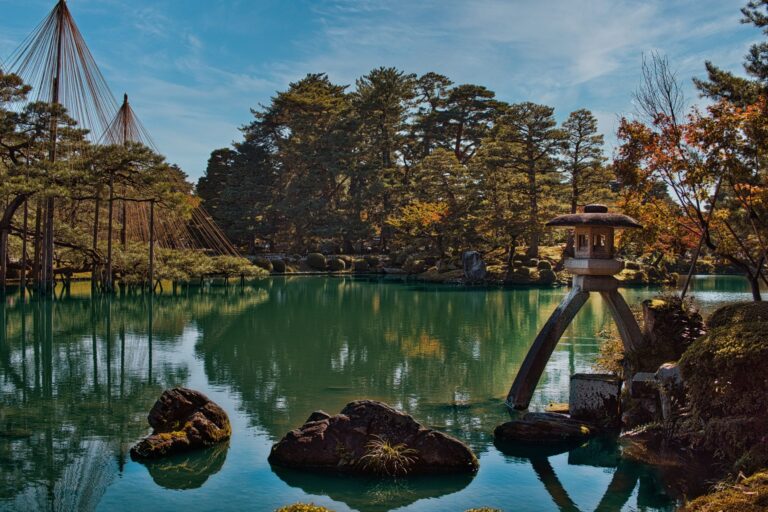
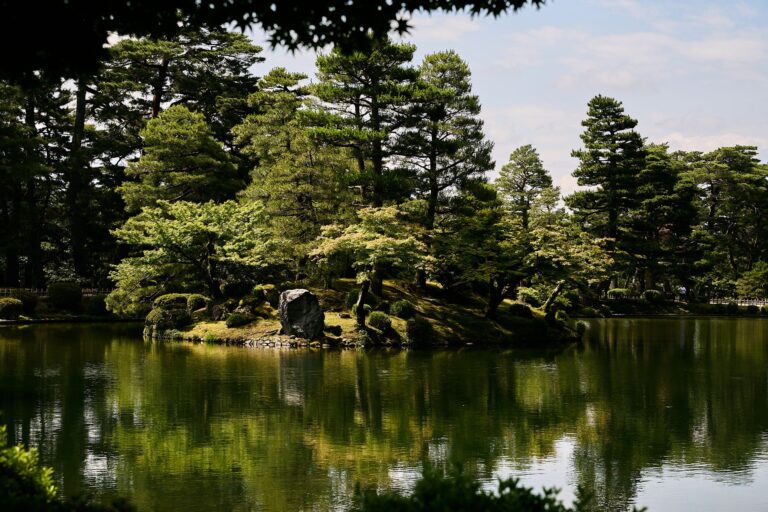
Kenroku-en is ranked as one of Japan’s three great landscape gardens alongside Korakuen in Okayama and Kairakuen in Mito — and many visitors quietly rank it the most beautiful of the three. Entry costs just ¥320 (~$2.20 USD), making it one of the best-value experiences in Japan. The garden covers over 11 hectares and looks stunning year-round: plum blossoms from late February, cherry blossoms in early April, deep green through summer, fiery maples in November, and the iconic yukitsuri rope-supported pine trees in winter. Arrive before 9am to beat tour groups and experience it in near silence.
Higashi Chaya — Kanazawa’s Geisha District
Higashi Chaya (East Teahouse District) is one of the best-preserved Edo-period geisha districts in Japan. Unlike Gion in Kyoto, you can walk its latticework streetscape without feeling like you’re navigating a theme park. The district dates to 1820 and several ochaya (teahouses) are now open as museums, cafés, and gold-leaf craft shops. Visit between 8–9am before tour buses arrive. If you’re comparing this to Kyoto’s Gion — which has introduced photo restrictions in 2026 — Higashi Chaya is a breath of fresh air.
Omicho Market: The Best Seafood Breakfast in Japan
Omicho Market has operated for nearly 300 years and remains the city’s living food heart. Kanazawa sits on the Sea of Japan, putting it close to some of Japan’s richest fishing grounds. The market is particularly famous for jibuni (local duck stew), snow crab in winter, and noto oysters year-round. Come between 9–11am when the stalls are fully stocked. A seafood rice bowl (kaisendon) at the market’s upper-floor restaurants runs ¥1,500–3,500 (~$10–24 USD). This is one of those meals that people list as a Japan trip highlight five years later.
The 21st Century Museum of Contemporary Art
This circular, glass-walled museum punches far above its regional setting. Designed by SANAA architects, it’s internationally acclaimed and holds permanent installations that change how you think about space — particularly James Turrell’s light work and Leandro Erlich’s Swimming Pool installation (visitors on different levels appear to be underwater together). Free sections of the museum let you roam the grounds and public galleries; ticketed exhibitions cost ¥360–1,800 depending on the show. Allow 1.5–2 hours. Closed Mondays.
Gold-Leaf Craft: Kanazawa’s Signature Art Form
Kanazawa produces over 99% of Japan’s gold leaf (kinpaku). The craft dates to the Edo period when the Maeda clan, wealthier than any lord outside the Tokugawa shogunate, poured resources into arts to avoid appearing militarily threatening. Today you can take a 30-minute gold-leaf application workshop at studios in Higashi Chaya or near Kenroku-en for around ¥1,500–2,500. You’ll apply genuine gold leaf to a lacquered item — a chopstick rest, a small dish, a fan — and take it home. It’s the best souvenir experience in the city.
Kanazawa as a Base: The Japan Alps Extensions Worth Adding
Shirakawa-go: UNESCO Gassho-Zukuri Villages
Shirakawa-go is a UNESCO World Heritage village about 1.5 hours from Kanazawa by highway bus. Its defining feature is the gassho-zukuri farmhouses — massive A-frame structures with steep thatched roofs designed to shed the region’s heavy snowfall. The name means “hands in prayer” and describes the roofline shape perfectly. The village is most dramatic under winter snow (December–February) or autumn foliage (late October–November), but beautiful year-round. A full day trip works well from Kanazawa; if you want to stay overnight, booking a farmhouse minshuku well in advance is essential in 2026 due to limited capacity. Book a guided day tour through Klook to skip the bus-schedule headaches.
Tateyama Kurobe Alpine Route: Japan’s Most Dramatic Mountain Journey
The Tateyama Kurobe Alpine Route is a cross-mountain traverse through the Northern Japan Alps connecting Toyama (30 minutes from Kanazawa by shinkansen) to Shinano-Omachi near Nagano. The journey combines cable cars, trolley buses, ropeways, and walking sections across 37 kilometres of alpine terrain at elevations up to 2,450 metres. The unmissable spectacle is the Yuki no Otani snow corridor in late April through June, where walls of snow tower up to 20 metres on either side of the walking path — a scale that photographs simply don’t prepare you for. The full one-way crossing costs approximately ¥12,000–15,000 (~$80–100 USD) depending on the season. Book an organised tour through Klook for the Alpine Route and Shirakawa-go to handle logistics — transport combinations here can be genuinely complex.
Your 1–2 Night Kanazawa Plan (Fits a Tokyo–Kyoto Trip)
Option A: 1 Night (Tight but Doable)
- Morning arrival from Tokyo: Hokuriku Shinkansen departs Tokyo ~8am, arrives Kanazawa ~10:30am
- Late morning: Omicho Market for seafood lunch
- Afternoon: Kenroku-en garden (2 hrs), then Kanazawa Castle Park (free)
- Late afternoon: Higashi Chaya district walk and gold-leaf workshop
- Evening: Dinner in Katamachi dining district; stay at a ryokan or boutique hotel near Kenroku-en
- Next morning: 21st Century Museum before catching the Thunderbird to Osaka/Kyoto by midday
Option B: 2 Nights (Recommended)
Add Day 2 as a full day trip to Shirakawa-go (depart 8:30am by highway bus, return by 5pm) or, if visiting April–June, the Tateyama Kurobe Alpine Route via Toyama. This gives Kanazawa enough breathing room to feel like a real destination rather than a rushed box-tick. Two nights here slot cleanly into a 10–14 day Japan itinerary — if you’re building that longer trip, see our 2 Weeks in Japan Cost from Australia: AUD Breakdown 2026 for a full budget picture.
Where to Stay in Kanazawa
For the full Kanazawa experience, staying in a traditional ryokan is the move. Several excellent options sit within walking distance of Kenroku-en and Higashi Chaya. Expect ryokan rates of ¥15,000–35,000 per person including dinner and breakfast (~$100–240 USD) — which sounds steep until you factor in that two meals are included. Mid-range business hotels near Kanazawa Station run ¥8,000–14,000 per room (~$55–95 USD). Booking.com has strong ryokan inventory in Kanazawa with flexible cancellation options, which matters when you’re building a multi-stop Japan itinerary. Use the search above to check availability for your dates.
How Kanazawa Fits Into a Broader Japan Itinerary
Most first-time Japan visitors default to the Tokyo–Kyoto–Osaka spine — and it’s a great spine. But in 2026, with those cities managing overtourism through timed entries, street restrictions, and premium pricing, adding Kanazawa to the routing delivers a genuine cultural contrast without adding complexity. The total journey Tokyo–Kanazawa–Kyoto takes the same time as Tokyo–Kyoto direct, with a cultural pitstop in the middle.
If you’re still deciding how to split your time across Japan’s major cities, our Tokyo vs Osaka vs Kyoto: Best Japan Travel Base by Trip Length article maps out exactly which city to use as your base depending on how many days you have. And once you reach Kyoto, our Kyoto 2-Day Itinerary: Temples, Gion & Arashiyama gives you the exact ground plan.
Practical Tips for Visiting Kanazawa in 2026
- Getting around: Kanazawa’s Kanazawa Loop Bus (¥200 per ride, or ¥500 for a day pass) connects all major sights. Most highlights can also be walked in good weather.
- Cashless payments: Kanazawa has expanded IC card (Suica/PASMO) and credit card acceptance significantly by 2026. Markets and smaller craft shops may still prefer cash — carry ¥5,000–10,000 as backup.
- Best season: Spring (late March–April) for cherry blossoms in Kenroku-en; late October–November for autumn foliage; winter (December–February) for snow aesthetics and the best crab season.
- Visa requirements: Australian, US, UK, and most Southeast Asian passport holders enter Japan visa-free for up to 90 days in 2026. No advance application needed.
- Book ryokans early: Kanazawa’s best traditional inns fill up 2–3 months ahead, especially on weekends and during foliage season.
Frequently Asked Questions
Is Kanazawa worth visiting for just one night?
Yes — one night in Kanazawa is genuinely worthwhile. You can cover Kenroku-en, Higashi Chaya district, and Omicho Market in a single full day. Two nights is better if you want to add Shirakawa-go or spend proper time at the 21st Century Museum.
How do you get from Tokyo to Kanazawa by train?
Take the Hokuriku Shinkansen (Kagayaki or Hakutaka service) from Tokyo Station directly to Kanazawa. The fastest Kagayaki trains take about 2 hours 30 minutes. The JR Pass covers this route, making it a smart add-on to a Tokyo–Kyoto itinerary.
Is the JR Pass worth it if I include Kanazawa?
Adding Kanazawa to a Tokyo–Kyoto–Osaka trip significantly improves JR Pass value. The Tokyo–Kanazawa–Kyoto routing via the Hokuriku Shinkansen and Thunderbird limited express costs roughly $180–200 USD in individual tickets, which alone justifies a substantial portion of a 7-day pass (~$400 USD in 2026).
What is Kanazawa most famous for?
Kanazawa is famous for Kenroku-en garden, its Higashi Chaya geisha district, gold-leaf crafts (the city produces 99% of Japan’s gold leaf), and exceptional seafood at Omicho Market. It’s often called ‘Little Kyoto’ for its Edo-period cultural heritage — but without Kyoto’s 2026 crowds.
Can I do Shirakawa-go as a day trip from Kanazawa?
Yes — Shirakawa-go is about 1.5 hours from Kanazawa by highway bus. It makes an excellent day trip, or you can book a guided tour through Klook that handles all the transport timing for you. If you want to overnight in a farmhouse, book many months in advance.
What is the Tateyama Kurobe Alpine Route and is it worth doing?
The Tateyama Kurobe Alpine Route is a dramatic cross-mountain journey through the Northern Japan Alps, famous for 20-metre snow walls in spring (late April–June). It combines cable cars, ropeways, trolley buses, and walking sections. It’s one of Japan’s most spectacular experiences and pairs perfectly with a Kanazawa stop — start from Toyama, just 30 minutes from Kanazawa by shinkansen.
How many days should I spend in Kanazawa?
One to two nights is ideal for most travellers. One full day covers the main highlights comfortably. A second day allows for Shirakawa-go as a day trip, the Alpine Route (seasonal), or a slower exploration of Kanazawa’s Nagamachi samurai district and local craft workshops.
Plan Your Japan Trip Today
Kanazawa is the kind of place that travel veterans quietly mention as a Japan highlight — often ranking it above cities they spent far more time in. The combination of Kenroku-en, Higashi Chaya, Omicho Market, and gold-leaf culture gives you genuine depth in a compact, walkable city. Add Shirakawa-go or the Tateyama Alpine Route and you have a Japan detour that most tourists completely miss.
Book your Kanazawa ryokan through the search above to lock in your dates early — the best traditional inns sell out months ahead of peak season. And if you’re still piecing together the wider itinerary, our guide to the best Japan base city by trip length will help you structure the full journey.