
Tokyo’s sprawling metropolis can feel overwhelming for first-time visitors, but understanding the city’s distinct districts is the key to an unforgettable trip. Each area offers its own unique personality, from neon-lit entertainment districts to traditional temple quarters. This comprehensive guide breaks down Tokyo’s must-visit areas, complete with the best hotels and top attractions in each neighborhood, plus practical tips to help you navigate like a local in 2026.
Shinjuku: Tokyo’s Electric Entertainment Hub
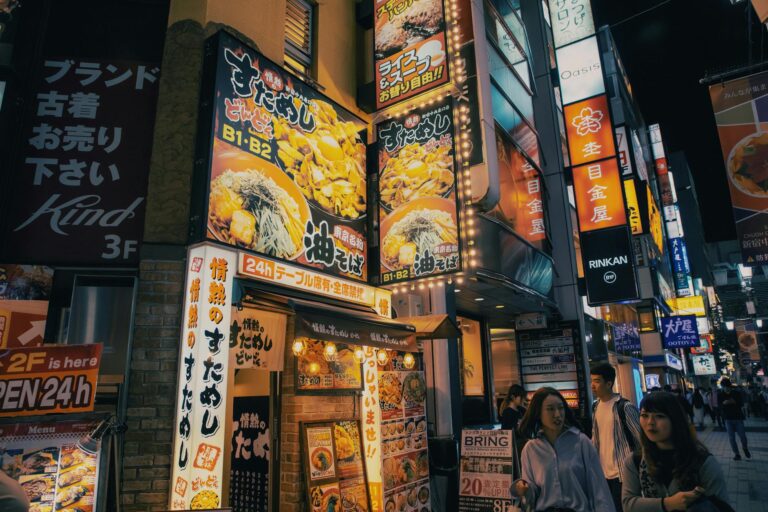
Shinjuku serves as Tokyo’s unofficial city center, boasting the world’s busiest railway station and an endless maze of skyscrapers, department stores, and entertainment venues. This district perfectly embodies modern Tokyo’s fast-paced energy.
Top Shinjuku Attractions
- Tokyo Metropolitan Government Building: Free observation decks on the 45th floor offer spectacular city views
- Golden Gai: Network of tiny bars perfect for an authentic Tokyo nightlife experience
- Takashimaya Times Square: 14-story shopping paradise with everything from luxury brands to local crafts
- Shinjuku Gyoen: Stunning 144-acre garden providing peaceful respite from urban chaos
- Memory Lane (Omoide Yokocho): Historic yakitori alley with traditional atmosphere
Best Shinjuku Hotels
Staying in Shinjuku puts you at the heart of Tokyo’s transport network, making it incredibly convenient for exploring the entire city.
Popular hotel options include the Park Hyatt Tokyo (famous from “Lost in Translation”), Hotel Gracery Shinjuku (featuring a life-sized Godzilla head), and budget-friendly Capsule Inn Shinjuku for a uniquely Japanese experience.
Navigating Shinjuku
Shinjuku Station has over 200 exits – use landmark-based directions rather than exit numbers. Download the JR East app for real-time train information, and remember that most shops close around 8 PM, while restaurants and bars stay open much later.
Shibuya: Fashion Capital and Iconic Crossings
Shibuya represents Tokyo’s youth culture and fashion scene, centered around the world’s busiest pedestrian crossing and countless shopping opportunities.
Must-See Shibuya Attractions
- Shibuya Crossing: Experience the organized chaos of 3,000 people crossing simultaneously
- Hachiko Statue: Pay respects to Japan’s most loyal dog at this beloved meeting spot
- Shibuya Scramble Square: Tokyo’s tallest building offering panoramic views from the 47th floor
- Center Gai: Pedestrian street packed with trendy shops and dining options
- Meiji Shrine: Tranquil Shinto shrine just minutes from Shibuya’s chaos
Shibuya Hotel Recommendations
Hotels in Shibuya tend to be modern and stylish, reflecting the area’s fashion-forward reputation. The Shibuya Excel Hotel Tokyu offers prime location views of the famous crossing, while Cerulean Tower Tokyu provides luxury accommodations with easy access to shopping and dining.
Shibuya Navigation Tips
The JR Yamanote Line connects Shibuya to most major Tokyo destinations. For shopping, focus on the area between Shibuya Station and Omotesando. IC cards like Suica work seamlessly throughout the district for trains, subways, and even some shops in 2026.
Asakusa: Traditional Tokyo Charm
Asakusa offers visitors a glimpse into Tokyo’s traditional past, featuring historic temples, traditional crafts, and classic Japanese architecture that survived World War II bombing.
Essential Asakusa Experiences
- Sensoji Temple: Tokyo’s oldest temple, founded in 628 AD, with iconic Thunder Gate entrance
- Nakamise-dori Shopping Street: Traditional shopping street leading to Sensoji with local snacks and souvenirs
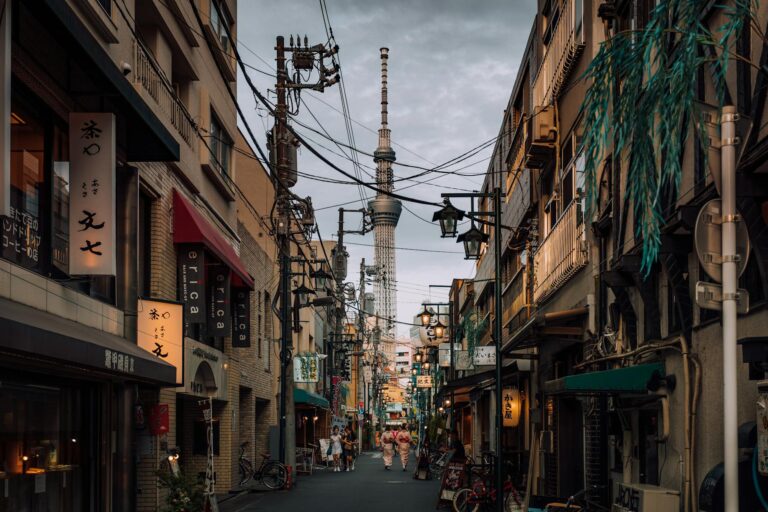
- Tokyo Skytree: World’s second-tallest structure offering breathtaking 360-degree city views
- Sumida River Cruise: Relaxing boat rides connecting Asakusa to other Tokyo districts
- Traditional Craft Workshops: Learn kimono making, pottery, or calligraphy from local artisans
Accommodation in Historic Asakusa
Staying in Asakusa provides an authentic Japanese experience with traditional ryokan inns alongside modern hotels. The Gate Hotel Kaminarimon offers contemporary comfort with temple views, while ryokan options like Sadachiyo provide futon sleeping and traditional breakfast experiences.
Getting Around Asakusa
The Ginza and Asakusa subway lines provide easy access, while the traditional rickshaw tours offer a unique sightseeing perspective. Many attractions are within walking distance, making comfortable shoes essential.
Akihabara: Electronics and Otaku Paradise
Known worldwide as Electric Town, Akihabara serves as the epicenter of Japanese electronics, anime, manga, and gaming culture.
Top Akihabara Attractions
- Yodobashi Camera: Nine-story electronics megastore with every gadget imaginable
- Maid Cafes: Unique dining experience with costumed servers (reservations recommended)
- Super Potato Retro-kan: Vintage video game paradise across multiple floors
- Mandarake Complex: Massive manga and anime merchandise store
- Tokyo Anime Center: Free museum showcasing Japanese animation history
Where to Stay Near Akihabara
Hotels near Akihabara cater to tech enthusiasts and anime fans. The Richmond Hotel Premier Asakusa International offers modern amenities within walking distance, while capsule hotels provide budget-friendly options perfect for solo travelers.
Akihabara Practical Tips
Most electronics stores accept international credit cards and offer tax-free shopping for tourists in 2026. Staff at major stores often speak English, and many products include English manuals. Visit on weekends to experience cosplay culture at its peak.
Harajuku: Kawaii Culture Central
Harajuku epitomizes Japanese cute culture (kawaii), featuring colorful street fashion, quirky cafes, and youth-oriented shopping that attracts visitors from around the globe.
Harajuku Highlights
- Takeshita Street: Narrow pedestrian street packed with trendy boutiques and themed cafes
- Omotesando Hills: Upscale shopping complex designed by renowned architect Tadao Ando
- Yoyogi Park: Large public park perfect for picnics and people-watching, especially on weekends
- Kawaii Monster Cafe: Over-the-top themed restaurant featuring colorful decor and creative cuisine
- Design Festa Gallery: Alternative art space showcasing emerging Japanese artists
Harajuku Hotel Options
Accommodation near Harajuku ranges from boutique hotels to international chains. The trunk hotel offers design-forward rooms, while traditional options provide contrast to the area’s modern aesthetic.
Exploring Harajuku Efficiently
JR Harajuku Station sits on the Yamanote Line, providing excellent connectivity. Sunday afternoons bring the largest crowds to Takeshita Street, while weekday mornings offer a more relaxed shopping experience. Many cafes require reservations due to limited seating.
Transportation and Area-Hopping Tips
Tokyo’s efficient rail system makes district-hopping straightforward in 2026. The JR Yamanote Line connects most major districts, while subway lines fill the gaps. A 7-day Tokyo Metro Pass costs approximately $25 USD and provides unlimited subway access.
Digital payment options have expanded significantly, with IC cards, PayPay, and international credit cards accepted almost everywhere. Download Google Translate with camera function for reading signs and menus throughout different districts.
Plan Your Japan Trip Today
Tokyo’s diverse districts offer something for every traveler, from traditional temple experiences in Asakusa to cutting-edge technology in Akihabara. By understanding each area’s unique character and staying in strategic locations, you’ll maximize your time in this incredible city. Start planning your Tokyo adventure today – book your flights, secure accommodations in your preferred districts, and prepare for an unforgettable journey through Japan’s dynamic capital. With proper planning and this area-by-area guide, you’ll navigate Tokyo like a seasoned traveler and create memories to last a lifetime.