
Is Kanazawa Worth Visiting? The Short Answer
Is Kanazawa worth adding between Tokyo and Kyoto? Absolutely — and it might be the single best decision you make on your Japan itinerary. Kanazawa delivers Kyoto-level culture — stunning gardens, preserved geisha districts, world-class seafood, and centuries of craft tradition — at a fraction of the crowd. In 2026, with overtourism squeezing Kyoto’s most famous streets, Kanazawa feels like a breath of fresh mountain air. A 1–2 night stop here costs surprisingly little and slots cleanly into the standard Tokyo–Kyoto journey via the Hokuriku Shinkansen.
If you’re still weighing up how to structure your Japan base cities, our breakdown of Tokyo vs Osaka vs Kyoto by trip length shows how adding a mid-point like Kanazawa transforms a standard itinerary into something genuinely memorable.
How Do You Get to Kanazawa from Tokyo?
Getting to Kanazawa is far easier than most travellers expect. The Hokuriku Shinkansen — specifically the Kagayaki or Hakutaka services — runs directly from Tokyo Station to Kanazawa Station in around 2 hours 30 minutes. There are no transfers, the ride is smooth, and the scenery through the Japan Alps is spectacular.
JR Pass and Ticket Costs
- The JR Pass (currently priced from around USD $400 for a 7-day pass in 2026) fully covers the Hokuriku Shinkansen between Tokyo and Kanazawa — so if you already have the pass for the Tokyo–Kyoto leg, the Kanazawa detour costs you zero extra in train fares.
- Without a JR Pass, a reserved seat ticket from Tokyo to Kanazawa costs approximately ¥14,000–¥15,000 (around $95–$100 USD) one-way.
- From Kanazawa, you can continue to Kyoto or Osaka on the Thunderbird limited express, also covered by the JR Pass.
For a full comparison of whether the JR Pass makes financial sense for your specific itinerary, read our JR Pass vs IC Card decision guide before you book.
What Can You See and Do in Kanazawa?
Kanazawa packs an enormous amount into a compact, walkable city centre. Two nights gives you time to cover the highlights without feeling rushed. Here’s what not to miss.
Kenroku-en Garden — One of Japan’s Three Great Gardens
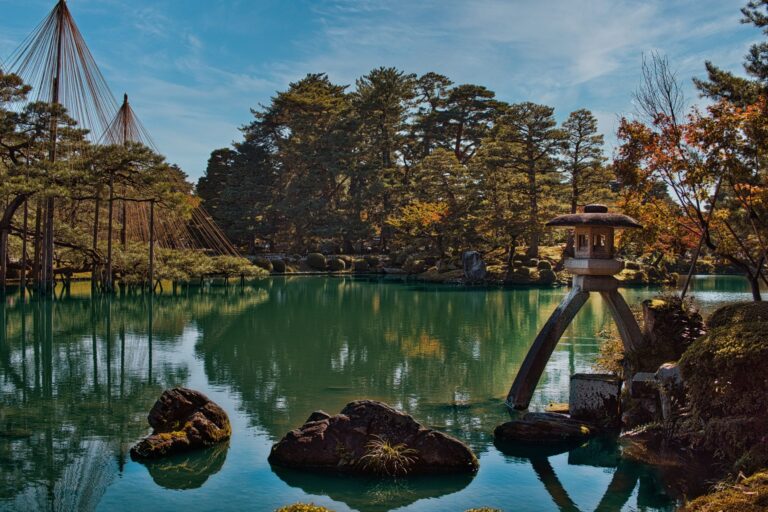
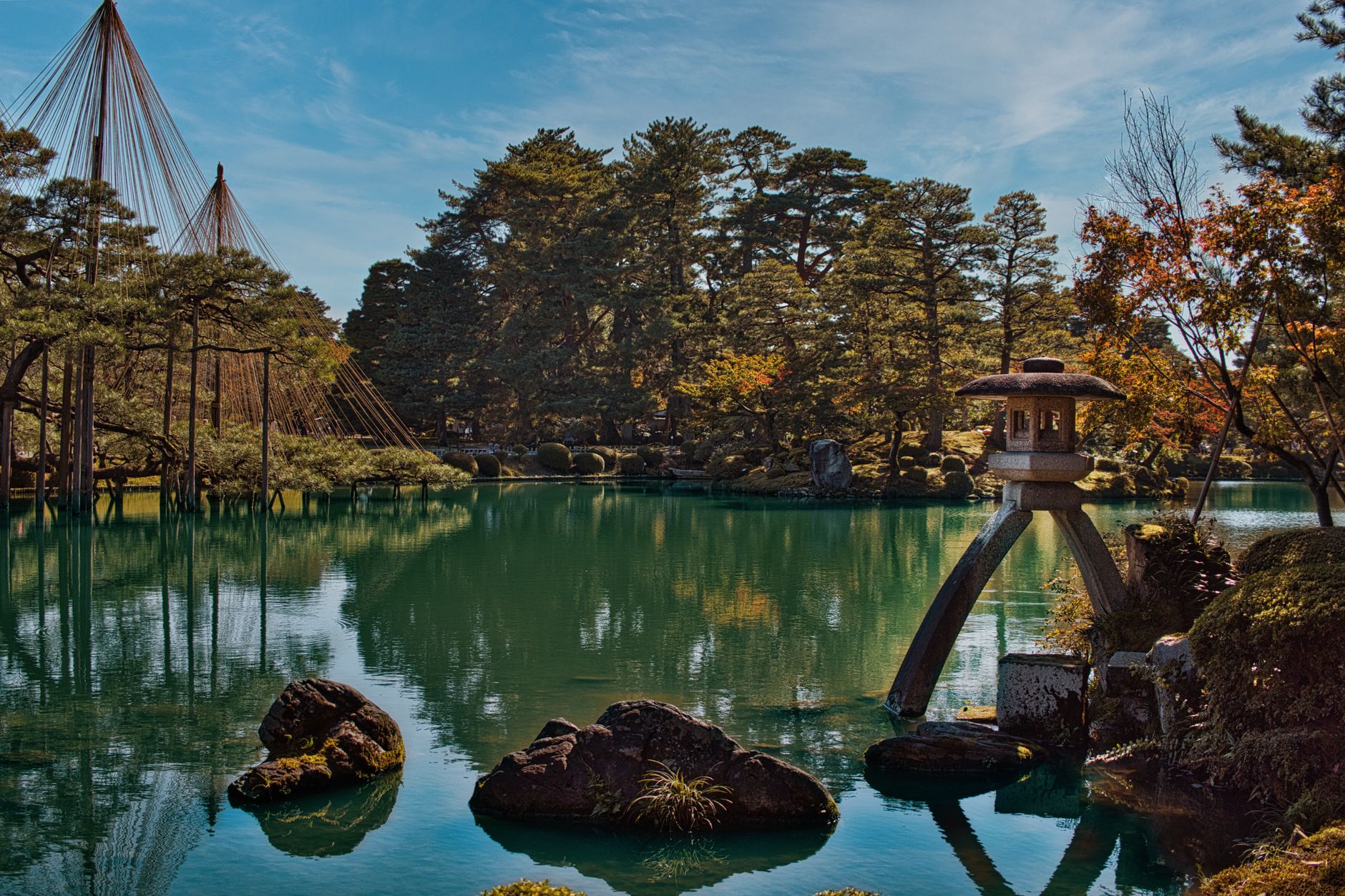
Kenroku-en is the crown jewel of Kanazawa, consistently ranked among Japan’s three great gardens alongside Kairakuen in Mito and Korakuen in Okayama. Entry costs just ¥320 (approximately $2.20 USD / $3.50 AUD) — remarkable value. The garden covers 11.4 hectares of curated landscape with seasonal flowers, ancient pines, stone lanterns, and a famous two-legged Kotoji lantern that has become the symbol of the city. Arrive early (gates open at 7:00am) to beat the tour groups and enjoy the morning light on the ponds.
Higashi Chaya — Kanazawa’s Geisha District
Where Kyoto’s Gion is now permanently packed with selfie sticks, Kanazawa’s Higashi Chaya district remains genuinely atmospheric. The preserved Edo-period teahouse street is a 15-minute walk from the city centre and still functions as an active geisha district. Several teahouses have opened their interiors as museums or tea experience venues. The latticed wooden facades are stunning at golden hour — plan to arrive around 4:30–5:00pm.
Omicho Market — Fresh Seafood at Local Prices
Kanazawa faces the Sea of Japan, giving it access to some of the finest seafood in the country. Omicho Market, a covered market hall just 10 minutes’ walk from the station, is the place to eat it. Expect snow crab (November to March), fresh sashimi don (rice bowls topped with raw seafood) for ¥1,500–¥2,500, and local fishmongers who’ve been trading here for generations. This is a far more authentic — and affordable — market experience than Tsukiji Outer Market in Tokyo.
The 21st Century Museum of Contemporary Art
A surprising highlight for visitors who don’t consider themselves art fans, the 21st Century Museum of Contemporary Art is one of Japan’s most celebrated contemporary galleries. The circular, glass-walled building by SANAA architects is a work of art in itself. The permanent collection includes James Turrell’s immersive light installations and Leandro Erlich’s famous swimming pool illusion (you walk under it and look up at visitors standing above you). Entry to the free zone is open all day; the paid collection costs ¥1,000 (around $7 USD).
Kanazawa Gold-Leaf Craft
Kanazawa produces over 99% of Japan’s gold leaf — the ultra-thin sheets of hammered gold used in everything from temple decoration to desserts. The Higashi Chaya district and nearby Kazuemachi area are full of workshops and shops where you can watch artisans at work, buy gold-leaf cosmetics, and eat gold-leaf soft-serve ice cream (¥650, and yes, it tastes as good as it looks). Several studios offer hands-on gold-leaf pressing workshops for around ¥1,500–¥2,500 — a genuinely memorable souvenir activity.
Where to Stay in Kanazawa: Ryokan Recommendations
Staying in a traditional ryokan is the best way to experience Kanazawa. The city has a solid selection of ryokan ranging from budget-friendly guesthouses around ¥8,000–¥12,000 per person per night (with dinner and breakfast included) to high-end properties with private onsen baths. The Higashi Chaya and Kenroku-en areas offer the most atmospheric locations. Book well in advance for 2026 — Kanazawa is no longer a secret, and good ryokan fill months ahead during peak seasons.
Two Nearby Extensions Worth Adding: The Japan Alps
If you have an extra day or two, Kanazawa is the gateway to two of Japan’s most dramatic landscapes.
Shirakawa-go: The Gassho-Zukuri Villages
A UNESCO World Heritage Site, Shirakawa-go is a mountain valley famous for its steep-roofed farmhouses — the gassho-zukuri style, designed to shed heavy Alpine snowfall. The village of Ogimachi is the most visited, with dozens of preserved farmhouses, several open as museums or minshuku (family guesthouses). From Kanazawa, highway buses run directly to Shirakawa-go in about 75 minutes; return buses run until early evening. A guided day tour from Kanazawa via Klook takes the navigation stress out of it and often combines Shirakawa-go with the Gokayama villages — a quieter alternative that’s even more atmospheric.
Book a Shirakawa-go guided day tour from Kanazawa on Klook
Tateyama Kurobe Alpine Route
One of Japan’s great adventure journeys, the Tateyama Kurobe Alpine Route traverses the Northern Japan Alps using a combination of cable cars, trolley buses, ropeways, and a high-altitude tramway. The route runs from Toyama (easily reached from Kanazawa by train in 35 minutes) to Ogizawa near Nagano, passing through snow corridors up to 20 metres high in spring. The full traverse takes a full day and costs approximately ¥10,000–¥13,000 (around $70–$90 USD) for the complete crossing. The route is open from late April to November. Book segments in advance on the Klook Alpine Route tours — demand in 2026 is extremely high and seats sell out weeks ahead.
Book Tateyama Kurobe Alpine Route tickets on Klook
Kanazawa Budget Breakdown: What Will It Actually Cost?
One of the underappreciated advantages of Kanazawa is how cost-effective it is compared to Kyoto. Here’s a realistic daily budget for 2026:
- Budget traveller: ¥8,000–¥12,000/day (~$55–$80 USD) — guesthouse, market meals, free museum zones, garden entry
- Mid-range traveller: ¥18,000–¥28,000/day (~$120–$190 USD) — ryokan with meals, paid museum entry, gold-leaf workshop, a sushi dinner
- Comfortable splurge: ¥35,000+/day (~$235+ USD) — premium ryokan with private onsen and multi-course kaiseki dinner
For a full picture of Japan travel costs broken down by city and travel style, see our Japan trip cost breakdown for 2026.
The 1–2 Night Kanazawa Plan: How to Slot It Into Tokyo–Kyoto
Here’s exactly how to add Kanazawa to a standard Tokyo–Kyoto itinerary without disrupting the flow.
- Day 1 (arrive midday from Tokyo): Hokuriku Shinkansen departs Tokyo around 10:00am, arrives Kanazawa ~12:30pm. Check into ryokan, head straight to Omicho Market for a seafood lunch. Afternoon: Kenroku-en garden and the adjacent Kanazawa Castle ruins. Late afternoon: Higashi Chaya district at golden hour. Evening: izakaya dinner in the Katamachi area.
- Day 2 (full Kanazawa day): Morning: 21st Century Museum of Contemporary Art. Late morning: gold-leaf workshop in the Kazuemachi area. Lunch: sashimi don at a local restaurant near the market. Afternoon: Myoryuji (the Ninja Temple — book ahead, tour-only entry). Evening: kaiseki dinner at the ryokan.
- Optional Day 3 extension: Full-day trip to Shirakawa-go (bus from Kanazawa Station) or the Tateyama Alpine Route (train to Toyama, then the crossing). Return to Kanazawa or continue directly to Kyoto.
- Onward to Kyoto: The Thunderbird limited express from Kanazawa to Kyoto takes approximately 2 hours 15 minutes and is covered by the JR Pass.
Once you reach Kyoto, our Kyoto 2-day itinerary covering Temples, Gion and Arashiyama picks up exactly where Kanazawa leaves off.
The Verdict: Should You Visit Kanazawa?
Yes — without hesitation. In 2026, when Japan’s most famous destinations are grappling with record tourist numbers and introducing crowd-control measures, Kanazawa offers something increasingly rare: genuine cultural immersion without the scrum. It has a world-class garden, a living geisha district, some of the freshest seafood in the country, a brilliant contemporary art museum, and an 800-year craft tradition — all within a walkable, welcoming city that rewards the curious traveller. Two nights is the sweet spot. One night is better than nothing. And the Japan Alps extensions turn a detour into one of the highlights of any Japan trip.
Frequently Asked Questions
How long does it take to get from Tokyo to Kanazawa by Shinkansen?
The Hokuriku Shinkansen connects Tokyo to Kanazawa in approximately 2.5 hours on the Kagayaki or Hakutaka services. It’s a fast, comfortable ride through the Japanese Alps with great scenery.
Is the JR Pass valid on the Hokuriku Shinkansen to Kanazawa?
Yes, the JR Pass covers the Hokuriku Shinkansen between Tokyo and Kanazawa. If you’re already planning to use a JR Pass for the Tokyo–Kyoto leg, adding Kanazawa costs you nothing extra in rail fares.
How much does it cost to visit Kenroku-en garden in Kanazawa?
Entry to Kenroku-en is ¥320 (approximately $2.20 USD / $3.50 AUD) as of 2026 — outstanding value for one of Japan’s three great gardens. It’s open year-round and is especially beautiful in spring and winter.
Is Kanazawa cheaper than Kyoto for accommodation and food?
Generally yes. A mid-range ryokan in Kanazawa typically costs 10–20% less than an equivalent property in Kyoto, and restaurant prices at Omicho Market are very competitive. You also spend far less time in queues, saving both money and energy.
Can you visit Shirakawa-go as a day trip from Kanazawa?
Yes. Shirakawa-go is about 75 minutes from Kanazawa by highway bus. Several organised tours depart from Kanazawa station and include a guide, making it an easy addition without needing to self-navigate. Book in advance — seats fill quickly.
What is the best time of year to visit Kanazawa?
Spring (late March to May) and autumn (October to November) offer the most photogenic conditions. Winter is magical — Kenroku-en’s trees are wrapped in yukitsuri snow-support ropes — but the Tateyama Alpine Route is only open April to November.
Is Kanazawa good for solo travellers or couples?
Kanazawa suits solo travellers, couples, and culture-lovers of all ages extremely well. The compact city centre is very walkable, the food scene is excellent, and the geisha district atmosphere is romantic. Families with older children will love the alpine routes as an added adventure.
Plan Your Japan Trip Today
Ready to build your Tokyo–Kanazawa–Kyoto itinerary? Start by checking ryokan availability in Kanazawa above and locking in your Shirakawa-go or Alpine Route tours on Klook before they sell out. If you’re still working out which cities to base yourself in throughout Japan, our guide to choosing your perfect Japan hub city in 2026 will help you map the whole trip. Kanazawa is the detour that turns a great Japan trip into an unforgettable one — don’t skip it.