
Is Kanazawa Worth Visiting? The Short Answer
Yes — Kanazawa is absolutely worth a 1–2 night detour between Tokyo and Kyoto, and it’s one of the most underrated stops on any Japan itinerary. The Hokuriku Shinkansen gets you there from Tokyo in just 2.5 hours, and what you find is a city that somehow escaped World War II bombing, preserving geisha districts, samurai neighborhoods, and centuries-old craftsmanship almost entirely intact. While Kyoto battles record crowds in 2026, Kanazawa offers much of the same cultural depth with a fraction of the tourist traffic.
In this article, we’ll make the case for Kanazawa, give you a practical 2-night plan that slots neatly into a Tokyo–Kyoto trip, and cover the Japan Alps extensions that can turn a quick detour into a genuine highlight of your trip.
How Do You Get to Kanazawa from Tokyo?
Getting to Kanazawa is easier than most travelers expect. The Hokuriku Shinkansen runs directly from Tokyo Station to Kanazawa Station in approximately 2.5 hours on the fastest Kagayaki service (no stops) and around 3 hours on the Hakutaka (which stops at Nagano and other cities). Trains run regularly throughout the day, so there’s no need to stress about timing.
Does the JR Pass Cover This Route?
Yes — the JR Pass covers the Hokuriku Shinkansen in full. If you’re holding a 7-day or 14-day JR Pass and traveling the classic Tokyo–Kanazawa–Kyoto route, the detour adds almost nothing to your pass cost. For a detailed breakdown of whether the JR Pass pays off on your specific itinerary, see our JR Pass vs IC Card comparison for 2026.
Getting Around Kanazawa
The city center is compact and walkable. The Kanazawa Loop Bus (100 yen per ride, or a day pass for around 500 yen) connects all the major sights. In 2026, IC cards like Suica and ICOCA are accepted on most city buses, so tap-and-go travel is simple. Many of the best areas — Kenroku-en, Higashi Chaya, Omicho Market — are within comfortable walking distance of each other.
What to Do in Kanazawa: The Highlights
Kenroku-en Garden (¥320 Entry)
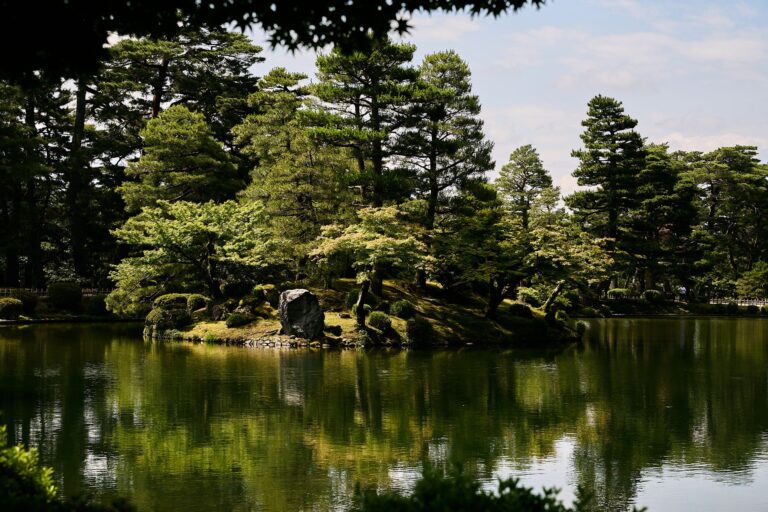
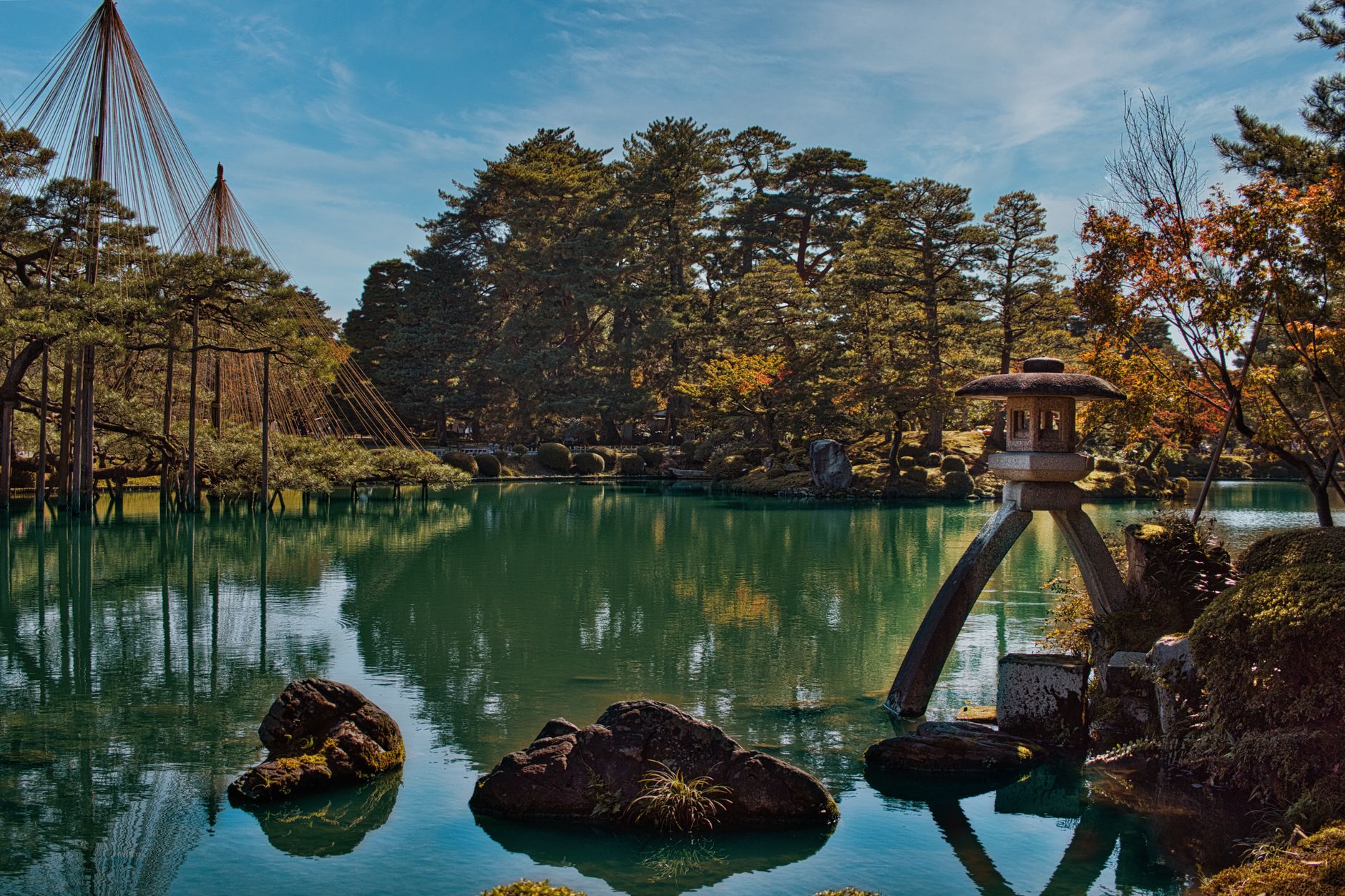
Kenroku-en is one of Japan’s three officially designated “great gardens” alongside Kairaku-en in Mito and Korakuen in Okayama. Entry costs just ¥320 (around AUD $3.50 / USD $2.20) — exceptional value for a garden of this scale and beauty. Spread over 11 hectares, it features ancient pine trees, stone lanterns, streams, and teahouses. Visit early in the morning to beat the crowds and catch the soft light on the water. In cherry blossom season (late March to mid-April), it’s genuinely one of the most beautiful spots in Japan.
Higashi Chaya Geisha District
While Kyoto’s Gion attracts enormous crowds, Kanazawa’s Higashi Chaya district (East Teahouse district) offers a similar atmosphere in relative peace. The preserved wooden lattice-fronted ochaya (teahouses) date from the early 1800s, and the district remains a working geisha community. Several teahouses are open for tours. Browse the boutiques selling gold-leaf crafts, sip matcha in a traditional interior, and take photos on the atmospheric main street — especially beautiful in the early morning or at dusk.
Omicho Market: Fresh Seafood from the Sea of Japan
Omicho Market has been Kanazawa’s kitchen for over 300 years. The covered market is packed with stalls selling fresh crab (particularly the prized Kaga crab from November to March), fish, and local produce. Several market restaurants serve seafood rice bowls (kaisendon) from around ¥1,500–¥2,500 — a fraction of what similar bowls cost in Tokyo. Visit before 11am when the stalls are at their liveliest and the lunch queues haven’t yet formed.
21st Century Museum of Contemporary Art
This circular, glass-walled museum is one of Japan’s most visited contemporary art institutions — and it deserves every bit of the attention. The permanent collection includes Leandro Erlich’s “Swimming Pool” installation, which lets you walk under a glass pool floor while visitors above appear to be underwater. Admission to the free zone (the grounds and some exterior works) costs nothing; the paid exhibition areas start from ¥360. Plan at least 1.5 hours here.
Gold Leaf: Kanazawa’s Most Famous Craft
Kanazawa produces over 99% of Japan’s gold leaf, and the craft is everywhere: on temple walls, on lacquerware, in desserts, and on beauty products. In Higashi Chaya, you can buy gold-leaf souvenirs from small shops, try gold-leaf soft serve ice cream (¥500–¥800), or book a gold-leaf application workshop where you press paper-thin 24-carat gold onto lacquerware under the guidance of a craftsperson. Workshops typically cost ¥2,000–¥4,000 and make a memorable, hands-on experience.
Where to Stay in Kanazawa: Ryokan vs Hotel
Kanazawa has excellent ryokan options at prices considerably lower than Kyoto equivalents. A mid-range ryokan with dinner and breakfast typically runs AUD $180–$350 per person per night — compare that to AUD $250–$500+ for equivalent experiences in Kyoto. Budget travelers can find clean guesthouses from around AUD $80–$120 per room. If you’re planning a broader Japan trip budget, our 2 Weeks in Japan Cost from Australia: AUD Breakdown 2026 has city-by-city accommodation cost comparisons that show exactly how Kanazawa stacks up.
Staying in a ryokan near the Higashi Chaya district gives you the best of both worlds: walkable access to the geisha quarter and a traditional inn experience. Booking through Booking.com often gives you free cancellation options, which is useful during busy cherry blossom or autumn foliage seasons when plans can shift.
Day Trips from Kanazawa: Japan Alps Extensions
Shirakawa-go: UNESCO Thatched Village (1.5 Hours Away)
Shirakawa-go is a UNESCO World Heritage village in the mountains between Kanazawa and Takayama, famous for its gassho-zukuri farmhouses — steep thatched roofs designed to shed heavy snowfall. The village looks extraordinary in every season, but winter (December to February) is the most dramatic: snow piles meters deep on the roofs, and some weekends feature special illumination events after dark. A direct bus from Kanazawa’s Hokutetsu Bus Terminal takes around 1.5 hours and costs approximately ¥2,000 each way. Booking a guided Klook day tour from Kanazawa is the most stress-free option, especially if you want to combine Shirakawa-go with a stop in Takayama on the same day.
Tateyama Kurobe Alpine Route: Japan’s Most Dramatic Mountain Journey
The Tateyama Kurobe Alpine Route is one of Japan’s most spectacular mountain experiences — a crossing of the Northern Japan Alps using a combination of cable cars, trolley buses, ropeways, and a high-altitude road through snowfields that can reach 20 meters tall in spring. The route runs from Toyama (40 minutes from Kanazawa by Shinkansen) to Omachi in Nagano. The full crossing takes a full day and costs approximately ¥10,000–¥14,000 one-way, depending on the season and exactly how far you travel. The route is open from mid-April to late November. Pre-book tickets through Klook or the official Tateyama Kurobe Alpine Route website, especially during the famous “Snow Corridor” season in April and May when the walls of snow are at their highest.
The 2-Night Kanazawa Itinerary (Slots Into Tokyo–Kyoto)
Here’s a practical plan that works as a detour on the standard Tokyo–Kyoto route:
- Day 1 (Arrive from Tokyo): Take an early Hokuriku Shinkansen (depart Tokyo ~8am, arrive Kanazawa ~10:30am). Check in to your ryokan, then head to Kenroku-en and Kanazawa Castle in the afternoon. Walk to Higashi Chaya district for the early evening — browse gold-leaf shops and try gold-leaf ice cream. Dinner at a local izakaya near the market area.
- Day 2 (Full Day): Start at Omicho Market for breakfast or an early seafood bowl. Spend the late morning at the 21st Century Museum of Contemporary Art. In the afternoon, either: (a) take a half-day trip to Shirakawa-go, or (b) explore the Nagamachi samurai district and book a gold-leaf workshop. Evening: kaiseki dinner at your ryokan if you’ve pre-booked it.
- Day 3 (Depart to Kyoto): If you have time before checkout, visit the D.T. Suzuki Museum or stroll the quieter Kazuemachi geisha district. Then take the Shinkansen onward — Kanazawa to Kyoto via Tsuruga is now direct thanks to the 2024 Hokuriku Shinkansen extension, with a journey time of approximately 2 hours.
This 2-night plan adds roughly AUD $300–$600 to your overall Japan trip cost (accommodation + meals + attractions), which is outstanding value given what you get. If you’re weighing Kanazawa against other stops on a longer itinerary, our comparison of Tokyo vs Osaka vs Kyoto by trip length can help you structure the broader trip.
Is Kanazawa Crowded in 2026?
Japan is experiencing record tourist numbers in 2026, and overtourism measures are being introduced in popular spots like Kyoto’s Gion and Miyajima. Kanazawa, by contrast, remains refreshingly uncrowded by comparison. Yes, Kenroku-en gets busy on weekends during cherry blossom season, and Shirakawa-go draws crowds on winter illumination weekends. But on a standard weekday, you can walk Higashi Chaya’s main street or wander Omicho Market without feeling overwhelmed. This is a meaningful advantage over Kyoto in 2026 — and it makes Kanazawa feel like a genuine discovery rather than a tick-box tourist destination.
Frequently Asked Questions
How long does it take to get from Tokyo to Kanazawa by Shinkansen?
The Hokuriku Shinkansen connects Tokyo to Kanazawa in approximately 2.5 hours on the fastest Kagayaki service. The Hakutaka service takes around 3 hours with stops. Trains depart regularly throughout the day from Tokyo Station.
Is the JR Pass valid on the Hokuriku Shinkansen to Kanazawa?
Yes, the JR Pass covers the Hokuriku Shinkansen from Tokyo to Kanazawa and beyond to Tsuruga. If you’re traveling the Tokyo–Kanazawa–Kyoto route, the detour adds minimal extra cost on a JR Pass and can make the pass significantly better value overall.
How much does it cost to enter Kenroku-en garden?
Kenroku-en charges ¥320 (roughly AUD $3.50 / USD $2.20) for adult entry in 2026. It is one of Japan’s three officially designated great gardens and is open year-round. Cherry blossoms in April and winter illuminations make it particularly special at those times.
What is Kanazawa famous for?
Kanazawa is famous for its gold-leaf craftsmanship (producing over 99% of Japan’s gold leaf), Kenroku-en garden, preserved geisha districts (Higashi Chaya and Kazuemachi), fresh seafood from Omicho Market, and the 21st Century Museum of Contemporary Art. It escaped WWII bombing and retains a rare intact Edo-period cultural atmosphere.
Is Shirakawa-go a day trip from Kanazawa?
Yes. The UNESCO-listed Shirakawa-go village is about 1.5 hours by direct bus from Kanazawa. Most travelers do it as a half-day or full-day trip. Booking a guided Klook tour is the easiest option, especially in winter when snow-covered gassho-zukuri rooftops make the village look extraordinary.
When is the best time to visit Kanazawa?
Kanazawa is rewarding year-round. Cherry blossom season (late March to mid-April) is the most popular, especially in Kenroku-en. Autumn (October–November) brings vivid foliage. Winter is the least crowded and most affordable, with the bonus of snow-covered Shirakawa-go. Summer is lush but can be humid.
How much does a ryokan in Kanazawa cost per night?
A mid-range Kanazawa ryokan with dinner and breakfast typically costs AUD $180–$350 per person per night — noticeably less than equivalent ryokan experiences in Kyoto. Budget guesthouses and hotels start from around AUD $80–$120 per room. It’s one of the reasons Kanazawa offers such strong value for the overall Japan trip budget.
Plan Your Japan Trip Today
Kanazawa delivers an authentic, culturally rich Japan experience at lower cost and lower crowd levels than Kyoto — and it’s only 2.5 hours from Tokyo by Shinkansen. Whether you spend one night or two, it’s one of the easiest and most rewarding upgrades you can make to the classic Tokyo–Kyoto itinerary.
Ready to go deeper? Browse ryokan availability in Kanazawa on Booking.com to lock in your dates, and check Klook for guided tours to Shirakawa-go and the Tateyama Kurobe Alpine Route — both of which sell out fast during peak season. For help building the wider Japan itinerary around Kanazawa, our Japan Trip Cost from Australia: Real Budget Breakdown 2026 has the exact numbers you need to plan with confidence.