

{
“@context”: “https://schema.org”,
“@type”: “FAQPage”,
“mainEntity”: [
{
“@type”: “Question”,
“name”: “How much does a 2-week trip to Japan cost from Australia in 2026?”,
“acceptedAnswer”: {
“@type”: “Answer”,
“text”: “A 2-week Japan trip from Australia costs roughly AUD 4,500–9,000 per person all-in, depending on your travel style. Budget travellers spending AUD 100–130/day can do it for around AUD 4,500–5,500 including flights. Mid-range travellers spending AUD 180–250/day should budget AUD 6,500–8,000. Comfort-level trips with nicer hotels and a mix of experiences can reach AUD 9,000–12,000+.”
}
},
{
“@type”: “Question”,
“name”: “How much are flights from Australia to Japan in 2026?”,
“acceptedAnswer”: {
“@type”: “Answer”,
“text”: “Return flights from major Australian cities to Tokyo (Narita or Haneda) range from AUD 900–1,800 in economy class in 2026. The cheapest fares are typically found 3–6 months in advance, flying midweek, and avoiding cherry blossom season (late March–April) and Golden Week (late April–early May). Airlines including Qantas, Japan Airlines, ANA, and Jetstar all operate direct or one-stop services.”
}
},
{
“@type”: “Question”,
“name”: “Is the JR Pass worth it for Australian travellers in 2026?”,
“acceptedAnswer”: {
“@type”: “Answer”,
“text”: “The 14-day JR Pass costs approximately AUD 850–950 (around USD 580–640) in 2026. It’s worth it if your itinerary covers Tokyo–Kyoto–Osaka plus side trips to places like Hiroshima, Hakone, or Kanazawa. If you’re only staying in one or two cities, an IC card (Suica or Pasmo) plus individual bullet train tickets will likely be cheaper.”
}
},
{
“@type”: “Question”,
“name”: “How much does accommodation cost in Japan for Australians?”,
“acceptedAnswer”: {
“@type”: “Answer”,
“text”: “In 2026, budget hostels and capsule hotels cost AUD 30–65 per night. Mid-range business hotels (think Toyoko Inn or APA Hotel) run AUD 100–180 per night. A traditional ryokan with dinner and breakfast included typically costs AUD 200–400 per person per night. Tokyo and Kyoto are the most expensive cities; Osaka tends to be slightly cheaper.”
}
},
{
“@type”: “Question”,
“name”: “How much spending money do I need per day in Japan?”,
“acceptedAnswer”: {
“@type”: “Answer”,
“text”: “Budget around AUD 80–120 per person per day for food, local transport, and activities if you eat at convenience stores, ramen shops, and izakayas. Mid-range travellers who enjoy sit-down restaurants, museums, and day trips should budget AUD 150–220 per day. This is separate from your accommodation and long-distance train costs.”
}
},
{
“@type”: “Question”,
“name”: “Is Japan still cheap for Australians in 2026?”,
“acceptedAnswer”: {
“@type”: “Answer”,
“text”: “Japan remains good value for Australians in 2026 despite the yen strengthening slightly from its 2023–2024 lows. At around JPY 95–100 per AUD, everyday costs — meals, transport, convenience stores — are still noticeably cheaper than Sydney or Melbourne. However, record tourist numbers have pushed up hotel prices in popular areas like Tokyo Shinjuku and Kyoto, so booking 2–3 months ahead is strongly advised.”
}
},
{
“@type”: “Question”,
“name”: “How much does a 5-day or 7-day Japan trip cost from Australia?”,
“acceptedAnswer”: {
“@type”: “Answer”,
“text”: “A 5-day Japan trip from Australia costs roughly AUD 2,800–5,000 all-in (flights + accommodation + daily expenses). A 7-day trip typically runs AUD 3,500–6,500 depending on your style. Keep in mind that flights are the same cost regardless of trip length, so shorter trips have a higher cost-per-day ratio. A 10–14 day trip gives you much better value for the long-haul flight.”
}
}
]
}
{
“@context”: “https://schema.org”,
“@type”: “TravelAction”,
“name”: “Travel to Japan — SEO Strengthen: how much does a trip to japan cost from australia 2026 budget guide”,
“description”: “A 2-week Japan trip from Australia costs roughly AUD 4,500–9,000 per person all-in. Here’s the exact 2026 breakdown by budget level to plan your trip.”,
“toLocation”: {
“@type”: “Country”,
“name”: “Japan”
}
}
How Much Does a Trip to Japan Cost from Australia in 2026?
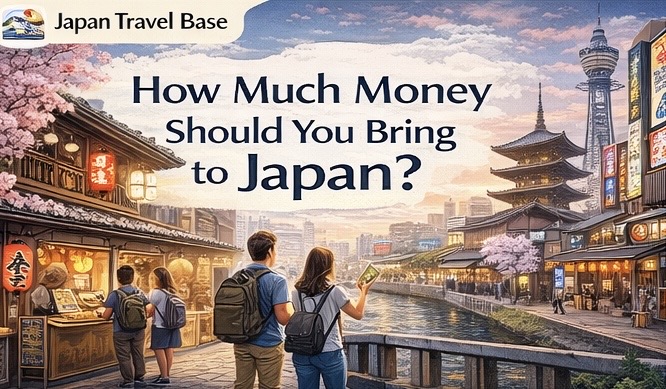
Wondering exactly how much a Japan holiday will set you back in 2026? A 2-week trip to Japan from Australia costs roughly AUD 4,500–9,000 per person, all-in — covering flights, accommodation, food, transport, and activities. Budget travellers can do it closer to AUD 4,500; mid-range trips land around AUD 6,500–8,000; and comfort-level itineraries can reach AUD 10,000+. The biggest variable? Flights and accommodation — both of which have increased in 2026 due to record international tourist numbers hitting Japan.
Below is a full 2026 breakdown by cost category, trip length, and travel style — built specifically for Australians planning their first or second trip to Japan.
What Are Flights from Australia to Japan Costing in 2026?
Flights are usually your biggest single expense, and in 2026 the market has settled into a fairly predictable range after post-pandemic volatility.
Typical Return Flight Prices by Departure City
- Sydney (SYD) → Tokyo (NRT/HND): AUD 950–1,600 economy return
- Melbourne (MEL) → Tokyo: AUD 980–1,700 economy return
- Brisbane (BNE) → Tokyo: AUD 1,000–1,750 economy return
- Perth (PER) → Tokyo: AUD 1,100–1,900 economy return (longer route)
How to Find Cheaper Flights from Australia to Japan
- Book 3–6 months in advance for best economy fares
- Fly midweek (Tuesday–Thursday departures tend to be cheaper)
- Avoid cherry blossom season (late March – mid April) and Golden Week (late April – early May) — these are the most expensive travel windows
- Consider flying into Osaka (KIX) instead of Tokyo if your itinerary starts in the Kansai region — can save AUD 100–200
- Airlines to compare: Qantas, Japan Airlines (JAL), ANA, Jetstar, Scoot, and Singapore Airlines (one stop)
Japan Accommodation Costs for Australians: What to Expect in 2026
Hotel prices in Japan have risen noticeably in 2026 thanks to record tourist arrivals. Booking 2–3 months ahead in popular cities like Tokyo and Kyoto is now essential, especially for mid-range hotels.
Accommodation Price Ranges Per Night (2026)
- Hostels / capsule hotels: AUD 30–65 per person
- Budget business hotels (Toyoko Inn, Super Hotel): AUD 80–130 per room
- Mid-range hotels (APA, Dormy Inn, Comfort Hotel): AUD 130–200 per room
- Upper mid-range (Mystays, Daiwa Roynet): AUD 200–320 per room
- Traditional ryokan (with dinner + breakfast): AUD 200–450 per person per night
- Luxury hotels (Park Hyatt, Aman, Ritz-Carlton): AUD 600–2,000+ per night
If you’re planning to base yourself in Tokyo, choosing the right neighbourhood makes a big difference to both price and convenience. Shinjuku remains one of the most practical bases for first-timers — central, well-connected, and packed with dining options at every budget level.
For a deeper look at which Tokyo neighbourhood suits your style, check out our Best Area to Stay in Tokyo for First-Timers (2026) guide.
Daily Spending Budget in Japan: Food, Transport & Activities
Once your flights and accommodation are sorted, here’s what your day-to-day spending in Japan looks like in 2026.
Food Costs in Japan
- Convenience store meal (7-Eleven, Lawson, FamilyMart): AUD 5–10
- Ramen, soba, or udon restaurant: AUD 10–18
- Set lunch (teishoku) at a mid-range restaurant: AUD 14–22
- Izakaya dinner with drinks: AUD 35–70 per person
- High-end sushi or kaiseki dinner: AUD 100–300+ per person
Eating well in Japan on AUD 40–60 per day is very realistic if you mix convenience store breakfasts, ramen lunches, and one sit-down dinner. Osaka is famous for its street food culture — Dotonbori alone offers an incredible range of Osaka street food eats that won’t break the budget.
Local Transport Costs in Japan
- IC card (Suica/Pasmo) top-up for city transport: AUD 5–15 per day within one city
- Tokyo subway single ride: AUD 1.80–3.50
- Osaka subway day pass: AUD 8
- Shinkansen Tokyo → Kyoto (one way, reserved seat): AUD 220–260
- Shinkansen Tokyo → Osaka (one way): AUD 240–280
For long-distance rail, you’ll need to decide between buying individual tickets or getting a JR Pass. See our dedicated JR Pass or IC Card comparison guide to figure out which is right for your specific itinerary.
Activity & Entrance Fees
- Most temples and shrines: Free – AUD 8
- Major museums (Tokyo National Museum, teamLab): AUD 20–40
- Universal Studios Japan (Osaka): AUD 90–160 depending on date and pass
- Disneyland or DisneySea (Tokyo): AUD 100–130 per person
- Day trip to Hakone (transport + activities): AUD 80–140
Full Japan Trip Cost Breakdown by Trip Length (2026)
Here’s how the numbers stack up across different trip lengths, using mid-range assumptions (decent business hotel, mix of dining styles, JR Pass for longer trips).
5-Day Japan Trip Cost from Australia
- Flights: AUD 1,200 (same cost regardless of length)
- Accommodation (4 nights, AUD 150/night): AUD 600
- Food + local transport + activities: AUD 600 (AUD 120/day)
- Total estimate: AUD 2,400–3,500
At this length, you’re really only scratching the surface — stick to Tokyo or Tokyo + Kyoto/Osaka. The cost-per-day ratio is high because flights are the same cost no matter how long you stay.
7-Day Japan Trip Cost from Australia
- Flights: AUD 1,200
- Accommodation (6 nights, AUD 150/night): AUD 900
- JR Pass (7-day): approximately AUD 480
- Food + local transport + activities: AUD 800
- Total estimate: AUD 3,400–5,500
Seven days is enough for the classic Tokyo–Kyoto–Osaka circuit if you move efficiently. Budget travellers can squeeze this down to AUD 3,400; comfortable mid-range sits around AUD 4,500–5,500.
2 Weeks in Japan Cost from Australia (14 Days)
- Flights: AUD 1,200–1,600
- Accommodation (13 nights, AUD 150/night): AUD 1,950
- JR Pass (14-day): approximately AUD 870
- Food + local transport + activities: AUD 1,800 (AUD 130/day)
- Total mid-range estimate: AUD 5,800–8,000 per person
Two weeks is the sweet spot for Australian travellers — it justifies the long-haul flight and gives you time to explore Tokyo, Kyoto, Osaka, and one or two side trips (Hiroshima, Hakone, or Kanazawa). For a fully itemised breakdown, read our 2 Weeks in Japan Cost from Australia: 2026 Budget Guide.
Budget vs Mid-Range vs Comfort: What Each Level Looks Like
Budget Traveller: AUD 100–130/day (excluding flights)
- Stays in hostels or capsule hotels
- Eats mainly at convenience stores, ramen shops, gyudon chains (Yoshinoya, Sukiya)
- Uses IC card for all local transport; buys shinkansen tickets strategically
- Skips paid attractions in favour of free temples, shrines, and parks
- Total 2-week trip: AUD 4,500–5,500 all-in
Mid-Range Traveller: AUD 180–230/day (excluding flights)
- Business hotels (private room with ensuite)
- Mix of convenience stores and sit-down restaurants; occasional splurge on sushi
- 14-day JR Pass + IC card
- 2–3 paid attractions per week (teamLab, USJ, day trip entry fees)
- Total 2-week trip: AUD 6,500–8,500 all-in
Comfort Traveller: AUD 300–450/day (excluding flights)
- Upper mid-range hotels or one or two ryokan nights
- Sit-down meals daily, sake tasting, cooking classes
- Private tours, Shinkansen green car, bullet train from airport
- Total 2-week trip: AUD 9,500–14,000+ all-in
Seasonal Costs: When Is the Cheapest Time to Visit Japan from Australia?
Your travel dates dramatically affect what you’ll pay — not just for flights, but for accommodation too.
- Peak (most expensive): Late March – mid April (cherry blossoms), late April – early May (Golden Week), late November – early December (autumn foliage in Kyoto)
- Shoulder (good value): June (rainy season, but fewer crowds), September–October (warm, beautiful, and manageable)
- Off-peak (cheapest flights and hotels): January–February (cold but uncrowded; great for skiing in Hokkaido)
If you’re visiting during cherry blossom season, book flights and hotels at least 4–6 months ahead. Hotel prices in Kyoto during this window can be 50–80% higher than off-peak rates.
Money-Saving Tips for Australians Travelling to Japan in 2026
- Load an IC card (Suica or Pasmo) the moment you arrive — these now work at most vending machines, convenience stores, and restaurants in addition to all public transport
- Use PayPay or credit cards where accepted — Japan has expanded cashless payments significantly, but carry some cash (JPY 10,000–20,000) for rural areas and smaller restaurants
- Buy a pocket Wi-Fi or SIM at the airport — costs around AUD 5–10/day and is essential for navigation
- Eat the big meal at lunch — many high-end restaurants offer lunch sets at 40–60% of their dinner prices
- Book day trips in advance — popular experiences like a Hakone day trip from Tokyo are best planned ahead to avoid wasted time and entry queue fees
- Avoid tourist taxis — Japan’s public transport is excellent; taxis are expensive and rarely necessary
- Check for city-specific discount passes — Tokyo’s 24/48/72-hour metro passes and Kyoto’s bus day passes can save meaningful money
Frequently Asked Questions
How much does a 2-week trip to Japan cost from Australia in 2026?
A 2-week Japan trip from Australia costs roughly AUD 4,500–9,000 per person all-in, depending on your travel style. Budget travellers spending AUD 100–130/day can do it for around AUD 4,500–5,500 including flights. Mid-range travellers spending AUD 180–250/day should budget AUD 6,500–8,000. Comfort-level trips with nicer hotels and a mix of experiences can reach AUD 9,000–12,000+.
How much are flights from Australia to Japan in 2026?
Return flights from major Australian cities to Tokyo (Narita or Haneda) range from AUD 900–1,800 in economy class in 2026. The cheapest fares are typically found 3–6 months in advance, flying midweek, and avoiding cherry blossom season (late March–April) and Golden Week (late April–early May). Airlines including Qantas, Japan Airlines, ANA, and Jetstar all operate direct or one-stop services.
Is the JR Pass worth it for Australian travellers in 2026?
The 14-day JR Pass costs approximately AUD 850–950 in 2026. It’s worth it if your itinerary covers Tokyo–Kyoto–Osaka plus side trips to places like Hiroshima, Hakone, or Kanazawa. If you’re only staying in one or two cities, an IC card plus individual bullet train tickets will likely be cheaper.
How much does accommodation cost in Japan for Australians?
In 2026, budget hostels and capsule hotels cost AUD 30–65 per night. Mid-range business hotels run AUD 100–180 per room. A traditional ryokan with dinner and breakfast included typically costs AUD 200–400 per person per night. Tokyo and Kyoto are the most expensive cities; Osaka tends to be slightly cheaper.
How much spending money do I need per day in Japan?
Budget around AUD 80–120 per person per day for food, local transport, and activities if you eat at convenience stores, ramen shops, and izakayas. Mid-range travellers who enjoy sit-down restaurants, museums, and day trips should budget AUD 150–220 per day. This is separate from your accommodation and long-distance train costs.
Is Japan still cheap for Australians in 2026?
Japan remains good value for Australians in 2026 despite the yen strengthening slightly from its 2023–2024 lows. At around JPY 95–100 per AUD, everyday costs — meals, transport, convenience stores — are still noticeably cheaper than Sydney or Melbourne. However, record tourist numbers have pushed up hotel prices in popular areas like Tokyo Shinjuku and Kyoto, so booking 2–3 months ahead is strongly advised.
How much does a 5-day or 7-day Japan trip cost from Australia?
A 5-day Japan trip from Australia costs roughly AUD 2,800–4,500 all-in. A 7-day trip typically runs AUD 3,500–6,000 depending on your style. Keep in mind that flights cost the same regardless of trip length, so shorter trips have a higher cost-per-day ratio. A 10–14 day trip gives you much better value for the long-haul flight investment.
Plan Your Japan Trip Today
Japan in 2026 is as rewarding as ever — and for Australians, it remains one of the best-value long-haul destinations in Asia when you account for the quality of food, transport, safety, and sheer variety of experiences on offer. Whether you’re planning a quick 7-day sprint through Tokyo and Kyoto, or a 2-week deep-dive covering everything from Osaka street food to Hakone’s volcanic landscapes, the key is to budget honestly and book early.
Use the figures above as your starting framework, decide on your travel style, and start locking in flights and accommodation at least 3–4 months out — especially if you’re targeting peak seasons. Japan rewards planners, and with the right preparation, your trip will be worth every Australian dollar you spend.
Ready to go deeper? Check out our full Japan Trip Cost from Australia 2026: Real Budget Breakdown for an even more itemised look at what real travellers are spending right now.