

{
“@context”: “https://schema.org”,
“@type”: “FAQPage”,
“mainEntity”: [
{
“@type”: “Question”,
“name”: “How much does a 2-week trip to Japan cost from Australia in 2026?”,
“acceptedAnswer”: {
“@type”: “Answer”,
“text”: “A 2-week Japan trip from Australia in 2026 costs roughly AUD $4,500–$6,000 for budget travellers, AUD $7,000–$10,000 for mid-range, and AUD $12,000+ for luxury. Flights typically account for AUD $1,200–$2,500 return, with the rest split across accommodation, transport, food, and activities.”
}
},
{
“@type”: “Question”,
“name”: “Is Japan expensive for Australians in 2026?”,
“acceptedAnswer”: {
“@type”: “Answer”,
“text”: “Japan remains excellent value for Australians despite the yen recovering slightly from its 2023–2024 lows. The AUD/JPY rate in 2026 still favours Australians, meaning your dollar stretches well — especially on food, local transport, and convenience store meals.”
}
},
{
“@type”: “Question”,
“name”: “How much spending money do I need per day in Japan?”,
“acceptedAnswer”: {
“@type”: “Answer”,
“text”: “Budget travellers need around AUD $80–$110 per day (excluding flights and JR Pass). Mid-range travellers should budget AUD $180–$250 per day. Luxury travellers can easily spend AUD $400–$600+ per day with ryokan stays and fine dining.”
}
},
{
“@type”: “Question”,
“name”: “Is the JR Pass worth it for Australians visiting Japan in 2026?”,
“acceptedAnswer”: {
“@type”: “Answer”,
“text”: “The 14-day JR Pass costs approximately AUD $650–$700 in 2026. It pays off if you travel the classic Tokyo–Kyoto–Osaka–Hiroshima route. For city-only trips or travellers sticking to one region, an IC card and individual tickets may be cheaper.”
}
},
{
“@type”: “Question”,
“name”: “What is the cheapest time of year to visit Japan from Australia?”,
“acceptedAnswer”: {
“@type”: “Answer”,
“text”: “January, February, and late June through August (excluding school holidays) offer the cheapest flights from Australia to Japan. Avoid late March to early April (cherry blossom), Golden Week (late April–early May), and December, when flights and hotels spike by 30–50%.”
}
},
{
“@type”: “Question”,
“name”: “What hidden costs do most Japan travel budgets miss?”,
“acceptedAnswer”: {
“@type”: “Answer”,
“text”: “Common hidden costs include luggage forwarding services (takkyubin, AUD $10–$20 per bag), tourist attraction surcharges introduced in 2024–2026 (Kyoto temple fees, Mount Fuji climbing tax), travel insurance (AUD $80–$200), visa photos, airport transfers, and souvenir shopping — which most travellers wildly underestimate.”
}
},
{
“@type”: “Question”,
“name”: “Do I need cash in Japan in 2026?”,
“acceptedAnswer”: {
“@type”: “Answer”,
“text”: “Much less than before. By 2026, cashless payments via IC cards, PayPay, Suica, and Visa/Mastercard are accepted at most convenience stores, restaurants, and transport hubs. However, some rural areas, smaller temples, and local markets still prefer cash. Carry AUD $100–$150 equivalent in yen as backup.”
}
}
]
}
{
“@context”: “https://schema.org”,
“@type”: “TravelAction”,
“name”: “Travel to Japan — SEO Strengthen: how much does a trip to japan cost from australia 2026 budget guide”,
“description”: “A 2-week Japan trip from Australia costs AUD $4,500–$9,000+ depending on travel style. Here’s the exact 2026 breakdown by budget, city, and season.”,
“toLocation”: {
“@type”: “Country”,
“name”: “Japan”
}
}
How Much Does a Trip to Japan Cost from Australia in 2026?
Wondering exactly how much a Japan trip costs from Australia in 2026? A typical 2-week itinerary costs between AUD $4,500 and $9,500 per person — but that range is almost meaningless without context. Your actual spend depends on when you travel, how you sleep, what you eat, and which cities you visit. This guide breaks it all down by travel style, city, and season so you can build a realistic budget before you book.
The good news: even with tourist numbers at record highs in 2026, Japan remains outstanding value for Australians. Food is cheap, public transport is world-class, and the AUD still goes further in Japan than in most European destinations.
What Are the Main Costs of a Japan Trip from Australia?
Before diving into travel styles, here is the core cost structure every Australian traveller should understand. A Japan trip has six major expense categories:
- Return flights (Sydney/Melbourne/Brisbane → Tokyo or Osaka): AUD $1,200–$2,500
- Accommodation (14 nights): AUD $700–$4,200 depending on style
- Rail transport (JR Pass or individual tickets): AUD $250–$700
- Daily food and drinks: AUD $30–$150 per day
- Activities and entrance fees: AUD $300–$800 total
- Shopping and miscellaneous: AUD $200–$1,500+
Add those up across two weeks and you get the numbers above. Now let’s look at what each travel style actually looks like on the ground.
Japan Budget by Travel Style: Solo, Couple, Family, and Group
Budget Solo Traveller: AUD $4,500–$5,500 for 2 Weeks
Solo travellers have the most flexibility. Staying in hostels or capsule hotels (AUD $35–$65 per night), eating at convenience stores and ramen shops (AUD $8–$15 per meal), and using an IC card instead of the JR Pass for city travel keeps costs low. The biggest challenge for solos is that accommodation per-person costs are higher — you can’t split a hotel room.
- Flights: AUD $1,300 (budget carrier, booked 3–4 months ahead)
- Accommodation: AUD $700–$900 (hostel dorms or capsule hotels)
- Transport: AUD $350–$500 (7-day JR Pass + IC card top-ups)
- Food: AUD $30–$50 per day = AUD $420–$700 total
- Activities + shopping: AUD $500–$800
Mid-Range Couple: AUD $9,000–$13,000 Combined (AUD $4,500–$6,500 Each)
Couples travelling together benefit enormously from splitting accommodation costs. A comfortable business hotel in Tokyo or Kyoto costs AUD $120–$180 per room — not per person. Mid-range dining (sit-down restaurants, izakayas, one splurge meal) runs AUD $60–$100 per day per couple. This is the sweet spot for most Australian travellers.
- Flights: AUD $2,600–$3,600 combined (full-service carrier, Economy)
- Accommodation: AUD $2,400–$3,500 combined (14 nights, business hotel)
- Transport: AUD $1,300–$1,400 combined (2x 14-day JR Pass)
- Food: AUD $80–$120 per day combined = AUD $1,120–$1,680 total
- Activities + shopping: AUD $1,200–$2,000 combined
Family of Four: AUD $18,000–$26,000 Total
Japan is a fantastic family destination, but costs scale up quickly. Two children under 11 travel the shinkansen at half price, and many attractions offer child discounts. The real expense is accommodation — Japanese hotel rooms are small, often requiring two rooms or a pricier family room. Consider apartment-style stays via Airbnb or serviced apartments in central Tokyo or Osaka.
Group of Six (Friends Trip): AUD $5,500–$7,500 Per Person
Groups benefit from shared taxis, private dining bookings, and the ability to rent entire guesthouses or machiya townhouses in Kyoto at AUD $300–$500 per night (split six ways, that’s AUD $50–$83 each — cheaper than a hostel dorm in some cases).
City-by-City Cost Comparison: Where Is Japan Most Expensive?
Tokyo: AUD $120–$300+ Per Person Per Day
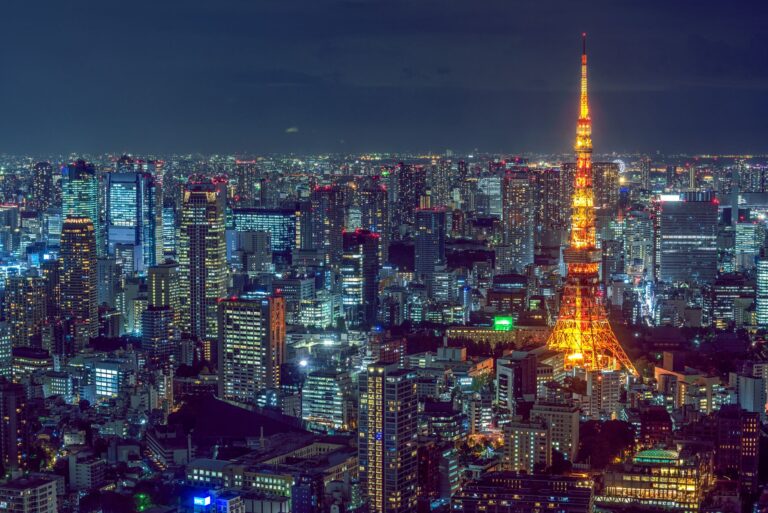
Tokyo is Japan’s most expensive city, particularly for accommodation. Shinjuku and Shibuya hotels average AUD $150–$220 per night for a decent double room. That said, food remains reasonable — a bowl of ramen costs AUD $12–$18, and a convenience store lunch is AUD $8–$12. Day-trip costs to Hakone from Tokyo add AUD $50–$80 per person including transport.
Kyoto: AUD $130–$280 Per Person Per Day
Kyoto’s accommodation costs rival Tokyo, especially near Gion or the train station. Temple entrance fees have increased since 2024 — budget AUD $5–$15 per major site, and Kyoto now charges overtourism-related surcharges at some popular spots. A 2-day Kyoto itinerary covering temples, Gion, and Arashiyama will cost roughly AUD $60–$120 in activities and entry fees alone.
Osaka: AUD $100–$230 Per Person Per Day
Osaka is noticeably cheaper than Tokyo and Kyoto for accommodation, and the food scene means you’ll eat exceptionally well for less. Dotonbori street food (takoyaki, okonomiyaki) runs AUD $5–$10 per snack. Budget travellers often use Osaka as their base and day-trip to Kyoto and Nara.
Rural Japan and Smaller Cities: AUD $70–$150 Per Person Per Day
Hiroshima, Kanazawa, Matsumoto, and the Japanese Alps offer some of the best value in Japan. Guesthouses and ryokan in these areas cost less than equivalent Tokyo hotels, and crowds are far thinner. If you’re debating adding a regional detour, the value case is strong — check out whether Kanazawa and the Japan Alps are worth the detour for your itinerary.
Season-by-Season Cost Breakdown: When Is Japan Cheapest?
Cherry Blossom Season (Late March–Early April): Most Expensive
This is peak season. Flights from Australia in late March 2026 are tracking at AUD $1,800–$2,800 return. Hotels in Tokyo and Kyoto sell out months ahead, and prices jump 40–60% above standard rates. If this is your dream trip, book at least 6 months ahead and accept the premium.
Golden Week (Late April–Early May): Avoid If Possible
Golden Week is when domestic Japanese travellers flood popular destinations. Prices spike, trains are packed, and the experience suffers. International flight prices also rise sharply. Unless your dates are fixed, skip it.
Shoulder Season (May–June, September–October): Best Value
May and October are arguably Japan’s best travel months — pleasant weather, beautiful scenery, and prices roughly 15–25% below peak. Return flights from Sydney regularly hit AUD $1,200–$1,500 in May and October on carriers like Jetstar, ANA, and Japan Airlines.
Summer (July–August): Hot, Humid, Cheaper Flights
Flights are cheaper in summer (except Australian school holiday weeks in July), but Japan in August is brutally hot and humid. Budget extra for air-conditioned transport, cold drinks, and potentially shorter days of sightseeing. Typhoon season adds weather risk in August–September.
Winter (January–February): Cheapest Flights of the Year
January and February offer the cheapest flights to Japan — often AUD $1,000–$1,400 return. Snow in the Japanese Alps and Hokkaido is stunning, and crowds at temples are minimal. The tradeoff is cold (Tokyo averages 5°C in January) and shorter days. This is the best time for travellers prioritising budget over weather.
The Hidden Costs of Visiting Japan That Nobody Warns You About
Most Japan budget guides miss these costs — and they add up fast:
- Mount Fuji climbing tax (2026): ¥4,000 per person (~AUD $40) on the Yoshida Trail, plus trail gate closures above a certain visitor number. Plan your Fuji visit carefully to avoid being turned away.
- Luggage forwarding (takkyubin): AUD $12–$22 per bag between cities — incredibly useful but easy to forget in your budget.
- Pocket Wi-Fi or SIM card: AUD $50–$90 for two weeks. eSIM options (AUD $30–$50) are increasingly popular in 2026.
- Travel insurance: Do not skip this. Comprehensive Australia-to-Japan cover costs AUD $80–$200 for two weeks and is non-negotiable given Japan’s healthcare costs for tourists.
- Overtourism surcharges: Several Kyoto temples and Nara’s deer park introduced or increased entry fees in 2024–2026. Budget AUD $80–$120 for cultural site entries across your whole trip.
- Souvenir shopping: This is the number-one budget-buster. Japan’s stores are extraordinary. Set a firm shopping budget of AUD $300–$500 and stick to it — or don’t, and just accept the damage.
- Airport transfers: Narita Airport is 60–90 minutes from central Tokyo. The Narita Express (N’EX) costs around AUD $30–$35 each way. Budget AUD $60–$70 per person for arrival and departure transfers from Narita.
To avoid common budget mistakes, read our list of 10 Japan first-timer mistakes to avoid in 2026 before you travel.
Transport Costs: JR Pass vs IC Card in 2026
Transport is one of the biggest variables in your Japan budget. The 14-day JR Pass costs approximately AUD $650–$700 in 2026. It covers most shinkansen travel between major cities, making it cost-effective for the classic Tokyo–Kyoto–Osaka–Hiroshima route. For travellers staying in one or two cities, an IC card (Suica or ICOCA) topped up as needed will almost certainly be cheaper.
For a detailed breakdown of which option suits your specific itinerary, see our guide on JR Pass vs IC Card — which you need by trip type. Getting this decision right can save you AUD $200–$400.
Quick Budget Summary Table: 2 Weeks in Japan from Australia (AUD)
- Budget traveller: AUD $4,500–$5,500 per person
- Mid-range traveller: AUD $6,500–$8,500 per person
- Comfort/semi-luxury: AUD $9,000–$13,000 per person
- Luxury (ryokan nights, business class flights): AUD $15,000–$25,000+ per person
Frequently Asked Questions
How much does a 2-week trip to Japan cost from Australia in 2026?
A 2-week Japan trip from Australia in 2026 costs roughly AUD $4,500–$6,000 for budget travellers, AUD $7,000–$10,000 for mid-range, and AUD $12,000+ for luxury. Flights typically account for AUD $1,200–$2,500 return, with the rest split across accommodation, transport, food, and activities.
Is Japan expensive for Australians in 2026?
Japan remains excellent value for Australians despite the yen recovering slightly from its 2023–2024 lows. The AUD/JPY rate in 2026 still favours Australians, meaning your dollar stretches well — especially on food, local transport, and convenience store meals.
How much spending money do I need per day in Japan?
Budget travellers need around AUD $80–$110 per day (excluding flights and JR Pass). Mid-range travellers should budget AUD $180–$250 per day. Luxury travellers can easily spend AUD $400–$600+ per day with ryokan stays and fine dining.
Is the JR Pass worth it for Australians visiting Japan in 2026?
The 14-day JR Pass costs approximately AUD $650–$700 in 2026. It pays off if you travel the classic Tokyo–Kyoto–Osaka–Hiroshima route. For city-only trips or travellers sticking to one region, an IC card and individual tickets may be cheaper.
What is the cheapest time of year to visit Japan from Australia?
January, February, and late June through August (excluding school holidays) offer the cheapest flights from Australia to Japan. Avoid late March to early April (cherry blossom), Golden Week (late April–early May), and December, when flights and hotels spike by 30–50%.
What hidden costs do most Japan travel budgets miss?
Common hidden costs include luggage forwarding services (takkyubin, AUD $10–$20 per bag), tourist attraction surcharges introduced in 2024–2026 (Kyoto temple fees, Mount Fuji climbing tax), travel insurance (AUD $80–$200), pocket Wi-Fi or eSIM (AUD $30–$90), airport transfers, and souvenir shopping — which most travellers wildly underestimate.
Do I need cash in Japan in 2026?
Much less than before. By 2026, cashless payments via IC cards, PayPay, Suica, and Visa/Mastercard are accepted at most convenience stores, restaurants, and transport hubs. However, some rural areas, smaller temples, and local markets still prefer cash. Carry AUD $100–$150 equivalent in yen as backup.
Plan Your Japan Trip Today
Japan in 2026 is absolutely worth the investment — the food, culture, transport, and sheer variety make it one of the world’s great travel destinations. With a clear budget in hand, you can stop guessing and start planning the trip you actually want. Whether you’re a solo backpacker watching every dollar or a couple ready to splurge on a ryokan night, Japan has a version of itself that fits your budget.
Start by locking in your flights during a shoulder-season sale, decide whether the JR Pass makes sense for your route, and set a firm daily spending target. The planning is half the fun — and with the right numbers, there are no nasty surprises when you arrive.